Updated by the Source Foshan sourcing team in Foshan.
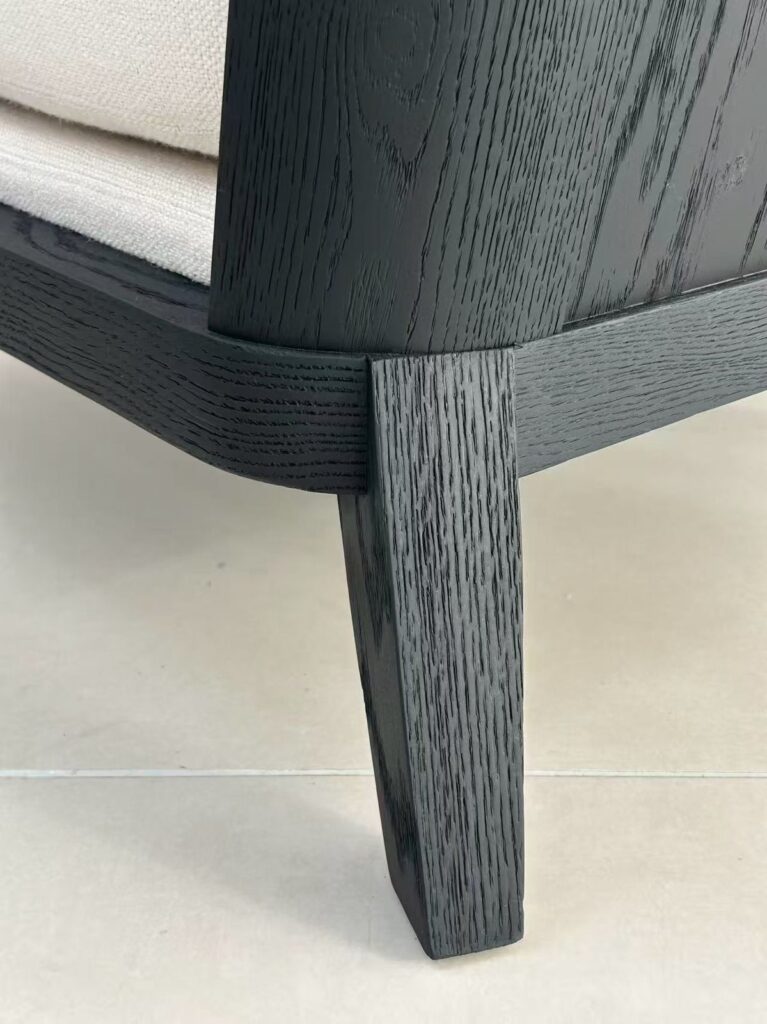
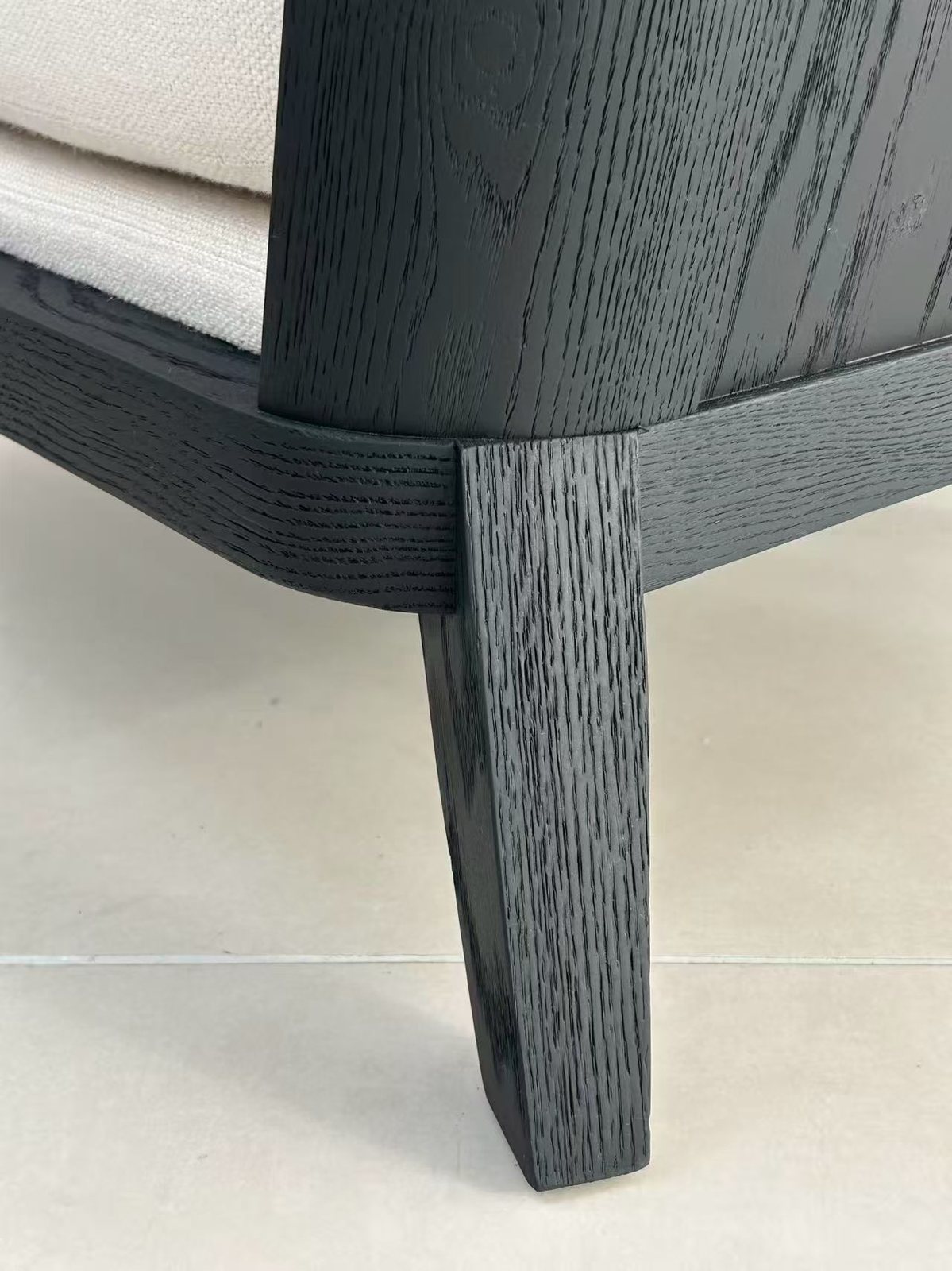
Inspection detail from the Source Foshan image archive; this photo does not establish structural test or acceptance results.
Source Foshan / furniture inspection evidence
A defect photo becomes usable only when it identifies the exact item and approved requirement, records what was observed at a readable scale, and links to a decision and recheck.
Photo methodDecision recordCloseout test
A single close-up can prompt a question. It cannot, by itself, prove the photographed unit failed an agreed tolerance, how many units are affected, or whether a correction worked. This toolkit turns inspection imagery into a record a remote buyer can review and act on.
01
Start with the approved version, then the observed unit
Before assigning a defect class, locate the purchase-order line, current drawing or approved sample, material and finish reference, and any agreed inspection rule. The same-looking chair may exist in multiple fabric, frame or hardware revisions. An image with no model or unit identity can be useful for triage, but it should remain an open observation until the correct specification is attached.
Give every finding one stable ID. Use that ID in the photo filename or image log, inspection line, supplier response, corrective-action instruction and reinspection record. Keep originals. A screenshot pasted into a chat without its source file, date, item identity or decision history is hard to audit later.
Infographic 01 · One finding, six linked recordsEVIDENCE CHAIN
01Approved referencePO line, model, drawing and sample revision
02Identified unitBatch, carton and individual unit if possible
03ObservationLocation, orientation, scale and original file
04Decision ruleRelevant tolerance and named reviewer
05ActionContain, rework, replace or approve exception
06RecheckSame finding ID, current date and result
Original buyer workflow diagram. These are required record types, not stages verified for a particular order in the image archive.
02
What three real detail photos can—and cannot—tell you
The following unaltered-subject photographs come from the user-supplied Source Foshan inspection image archive. They illustrate how a close view should lead to a better evidence request. They are not presented as three defects from one order or as proof of a supplier’s failure.
Photo 01 / construction
A joint photo identifies the area, not its strength
The frame junction is visible. The view does not disclose the approved construction, hidden fasteners, loading condition or whether any structural test was performed.
Record the exact model, side and joint location.
Compare the joint with the approved drawing and sample.
If stability is in question, request the agreed test and its result instead of inferring safety from appearance.
Source: Source Foshan-supplied inspection archive. Illustrative construction detail; no pass/fail result is claimed.
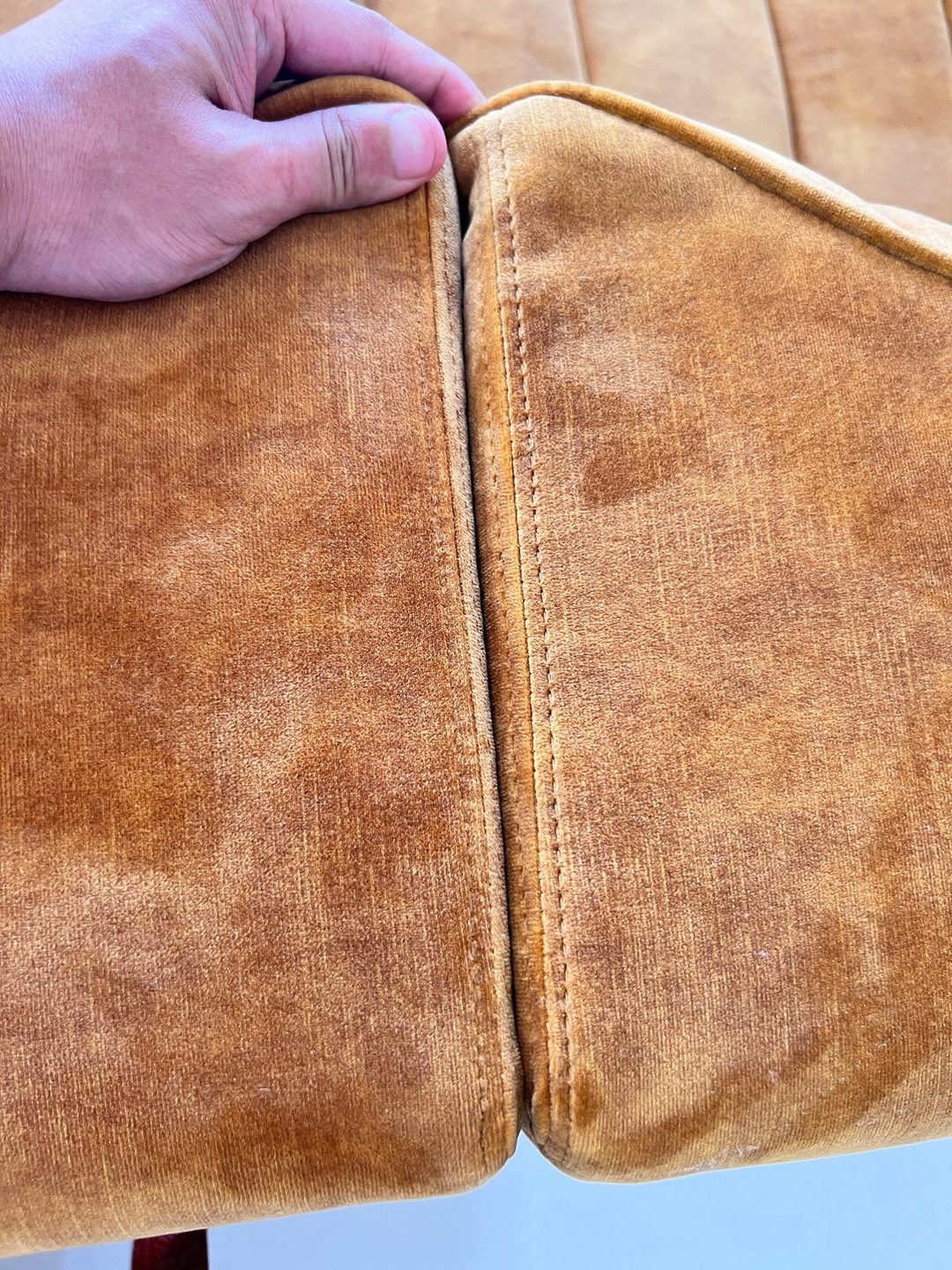
Photo 02 / gap and scale
A fingertip gives context; it is not a measurement
The close-up locates a gap between upholstered elements, but hand pressure changes the appearance. Neither a ruler nor an approved gap range appears in the frame.
Take a wide view that identifies the whole item and the exact junction.
Record the gap in millimetres under a repeatable, unloaded condition.
Compare with the approved sample or written tolerance before classifying it.
Source: Source Foshan-supplied inspection archive. No approved tolerance or defect decision is established by this photograph.
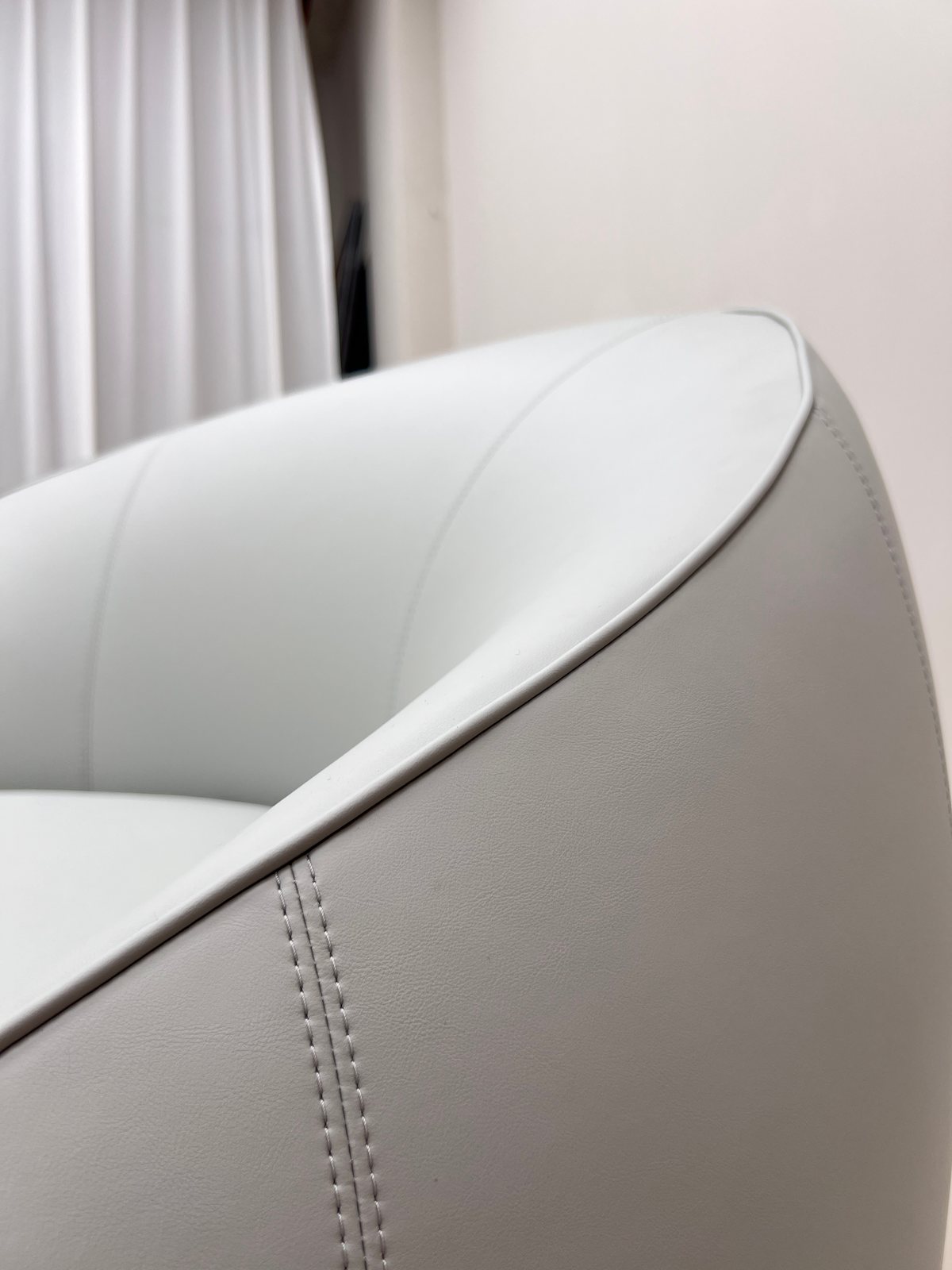
Photo 03 / visible finish
A clean close-up still needs a viewing rule
This image shows piping and parallel stitching under one lighting condition. It cannot establish colour matching, seam straightness tolerance or long-term wear by itself.
Include the signed colour or material reference and its revision.
Describe the agreed viewing distance and lighting if appearance matters.
Add a full-item view so the buyer understands where the detail sits.
Source: Source Foshan-supplied inspection archive. An illustrative finish view, not a verified accepted or rejected unit.
The minimum photo sequence: full item with identity → location view → close view with a scale → functional demonstration if relevant → recheck at a comparable angle. A photograph may show only one of these jobs. Record lighting, pressure, test condition and the person who captured it when those factors affect interpretation.
Write the observed condition in neutral terms first: what is visible or measurable, where it is, and how it was checked. Next, ask whether it affects safety, function, an approved visible finish or a concealed area. Only then assign severity using the criteria agreed for that specific order. Labels such as “minor” and “major” are not universal substitute specifications.
Decision question
Evidence needed
Provisional state
Could use be unsafe?
Approved stability, load, sharp-edge or structural criterion; observed test condition
Hold and escalate to the qualified reviewer
Does a part fail to function or fit?
Repeatable opening, adjustment, assembly or fit demonstration against the signed requirement
Hold affected units and assign correction
Does visible appearance differ?
Approved sample, agreed viewing condition, location and measured difference if applicable
Compare and document buyer decision
Is identity or rule missing?
Unit ID, current specification, scale or original image
Keep open; do not guess a defect class
For a multi-unit finding, record how many units were inspected, how many showed the observation, which batch they came from and what sampling rule was agreed. Do not turn three archive photos into a “defect rate”: these images do not form a defined sample and their order linkage has not been verified.
Skip the guesswork
Send your list. Get compared options from Foshan within one business day.
Real suppliers, real prices and lead times side by side, from a local team that walks the showrooms and factories every week. No commitment.
A supplier reply such as “fixed” is a proposal, not closure. The record should show containment of the affected units, the corrective action, who approved any substitution, and a new inspection result against the same requirement. If a recheck fails, keep that result rather than replacing it with a later favourable photograph.
Infographic 02 · Four honest decision statesCLOSEOUT MODEL
OpenIdentity, rule, action or evidence remains incomplete. The issue is not yet classified or closed.
Action assignedAffected quantity, owner and deadline are recorded. Rework or replacement is still pending.
Recheck passedThe same finding ID is tested again against the approved criterion; outcome and date are saved.
Accepted exceptionA named buyer accepts a defined deviation in writing. It is not silently treated as conformity.
Original process illustration. These states describe how to maintain an inspection record, not the outcomes of the three photographed items.
Use one row per finding on one identified unit or one clearly defined affected group. A link to each original image is preferable to a pasted screenshot with no provenance. The signed purchase terms and project inspection plan determine the actual acceptance rule.
Furniture finding record
Keep these fields together, with the same finding ID throughout the inspection and corrective-action cycle.
Finding ID and inspection date
PO line, SKU, drawing and sample revision
Lot, carton and inspected unit
Observed condition and exact location
Original context, detail, scale and function file IDs
It can document a visible condition. Defect classification also needs the approved model/specification, a repeatable observation and the applicable acceptance rule.
How should a remote buyer request proof of a repair?
Ask for the same finding ID, the affected unit, the corrective action, a new image or test under comparable conditions, and a dated reinspection decision.
Should all photographed variations stop a shipment?
No automatic rule follows from a photo. Hold items when safety, function or agreed acceptance requires it; let the designated buyer or inspector document the decision under the purchase terms.
Source and limits: This page combines a buyer evidence-record method with three user-supplied, unwatermarked inspection detail photographs. The photographs are from an archive, not a documented sequence from one order. No defect rate, safety result, corrective-action success or supplier performance claim is made. The two English infographics are original process diagrams. Last reviewed 19 October 2026.
Field notes · from the blog
What buying in Foshan is actually like, from people who paid for the lesson.
Send your list. We will tell you honestly how it would run.
A floor plan, an FF&E schedule, a product link or a rough brief is enough. Our local team in Foshan replies within one business day with real options, prices and lead times — no commitment.