Whole-home furniture.
One coordinated plan.
Quick answer: Source Foshan coordinates furniture across your rooms, from supplier quotations and specification approvals to agreed inspections and shipment planning. You can start with a separate first-room order or plan phased deliveries; compare the two approaches.
Send your room list, destination and priorities. The approved items, packed dimensions and delivery scope determine the shipment plan.
- Room list
- Itemised quantities
- Approvals
- Recorded specifications
- Shipment
- Agreed delivery scope
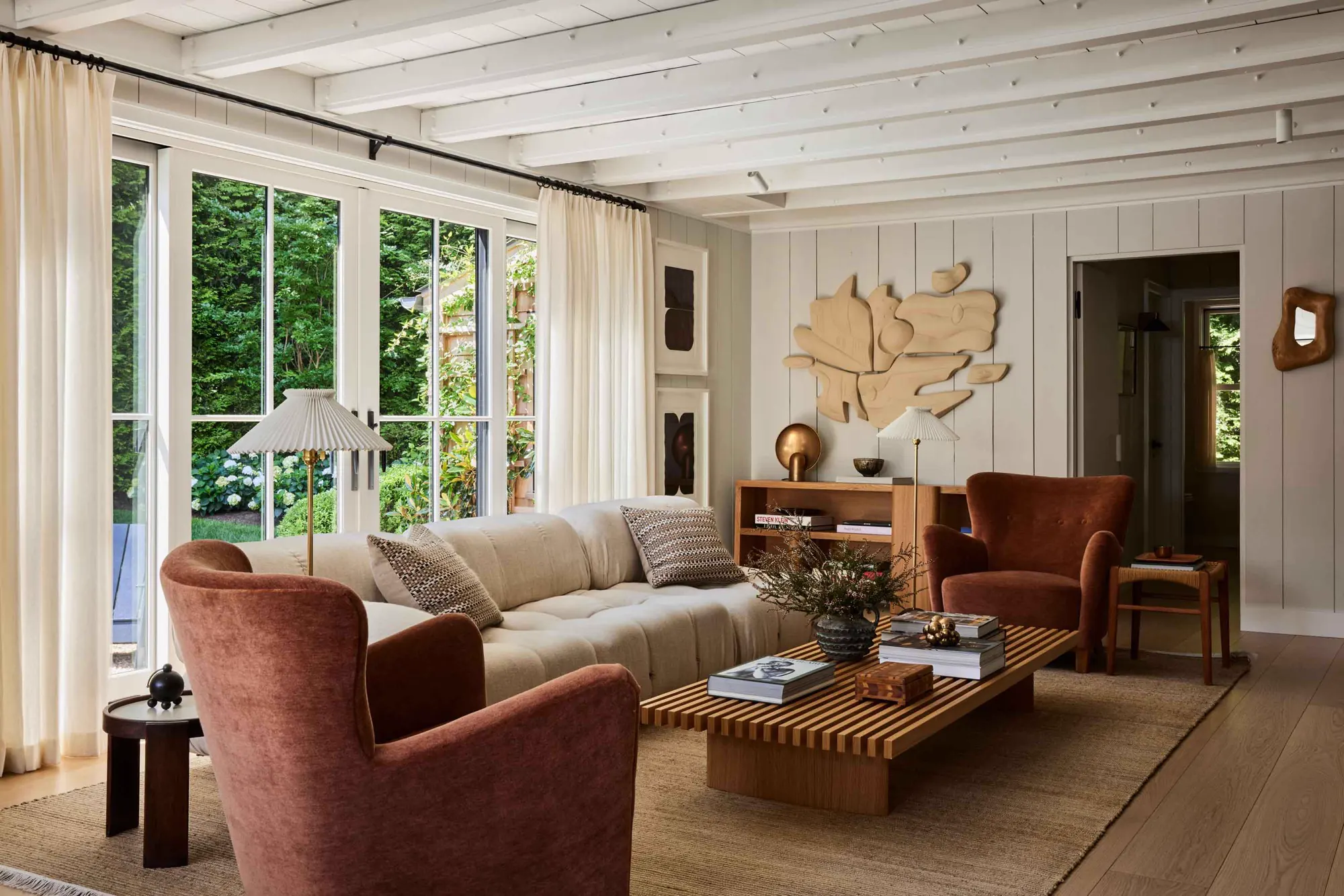
Plan the whole property. Choose what to order first.
Agree the scope, room by room.
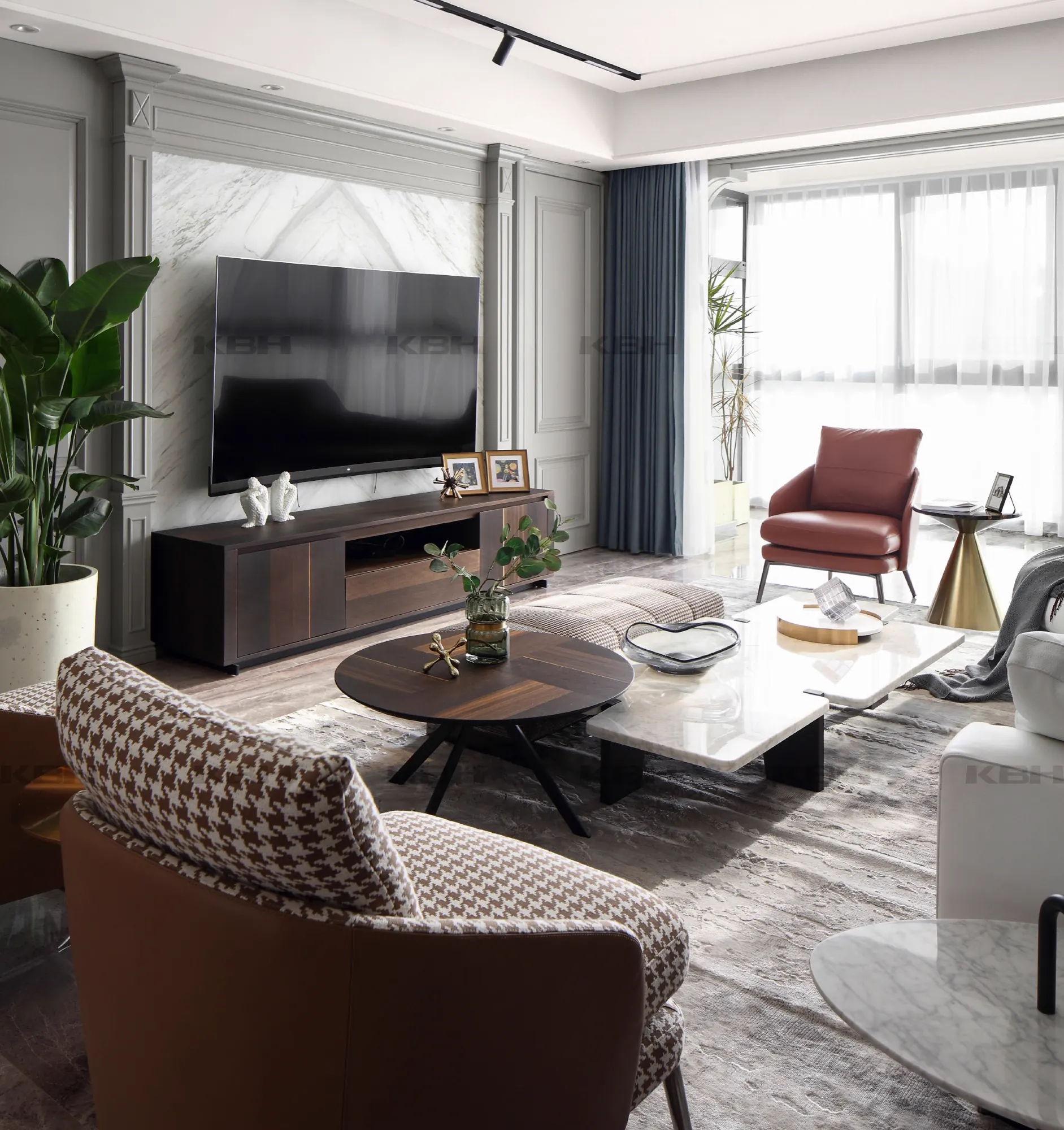
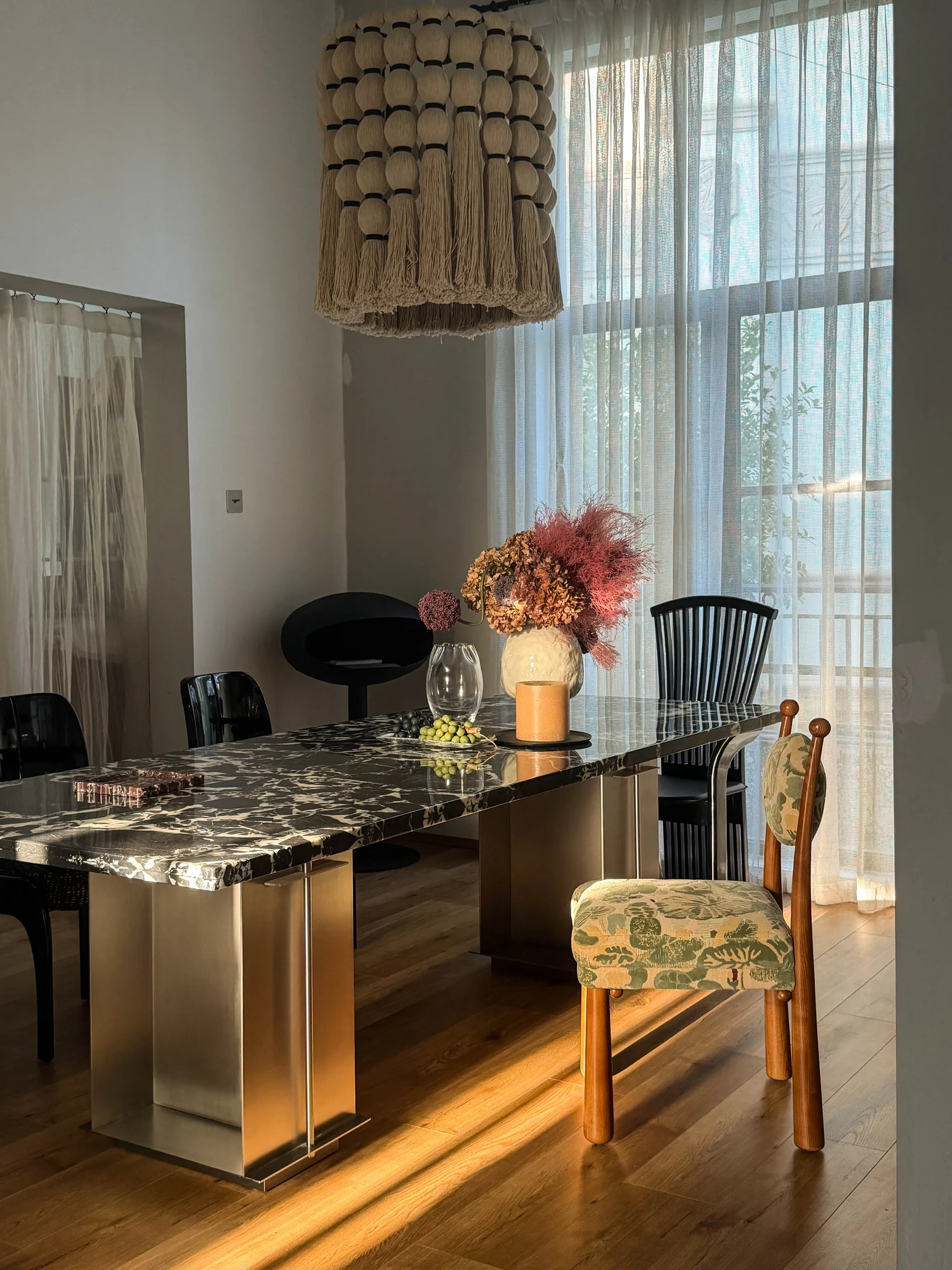
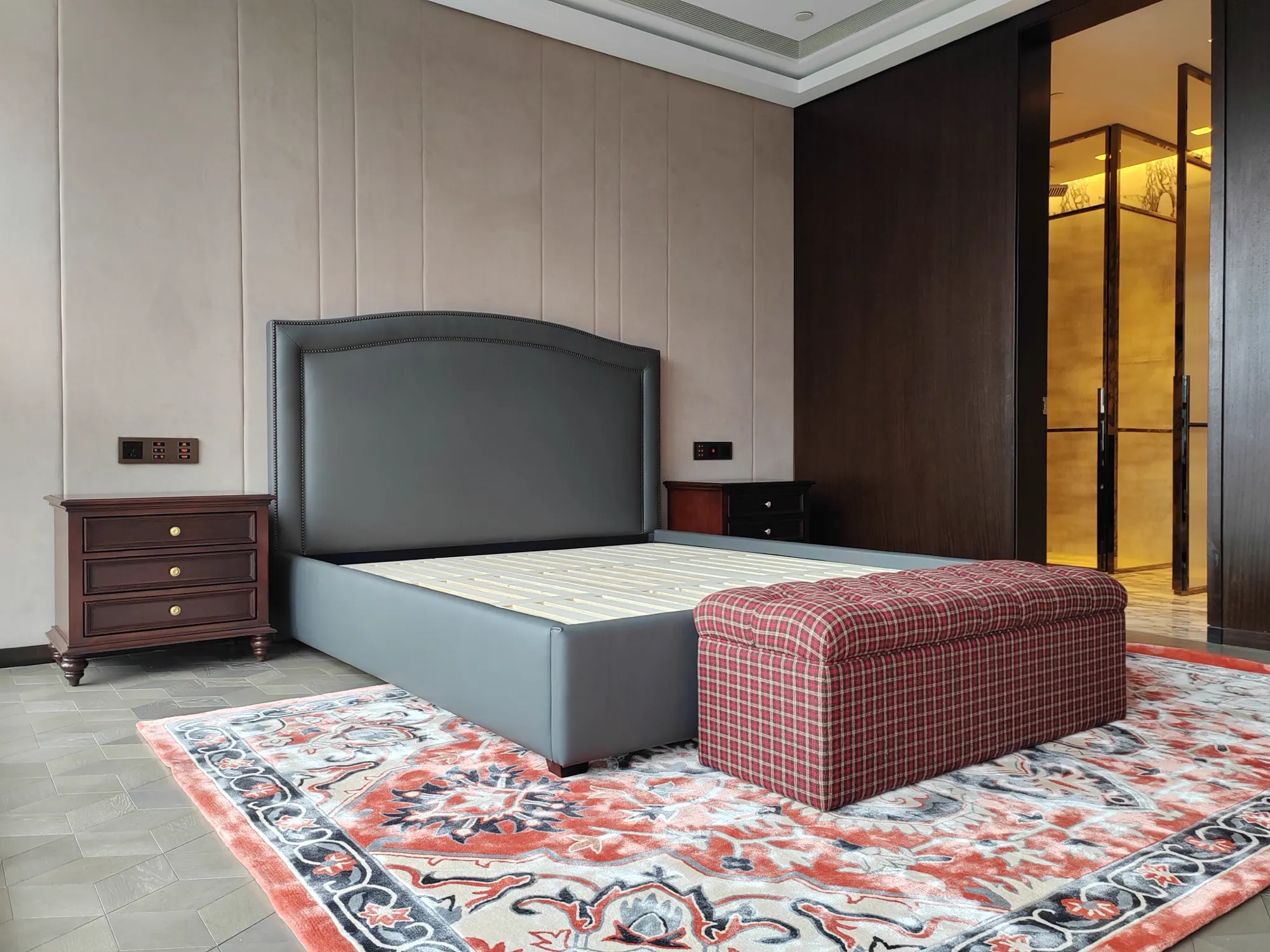
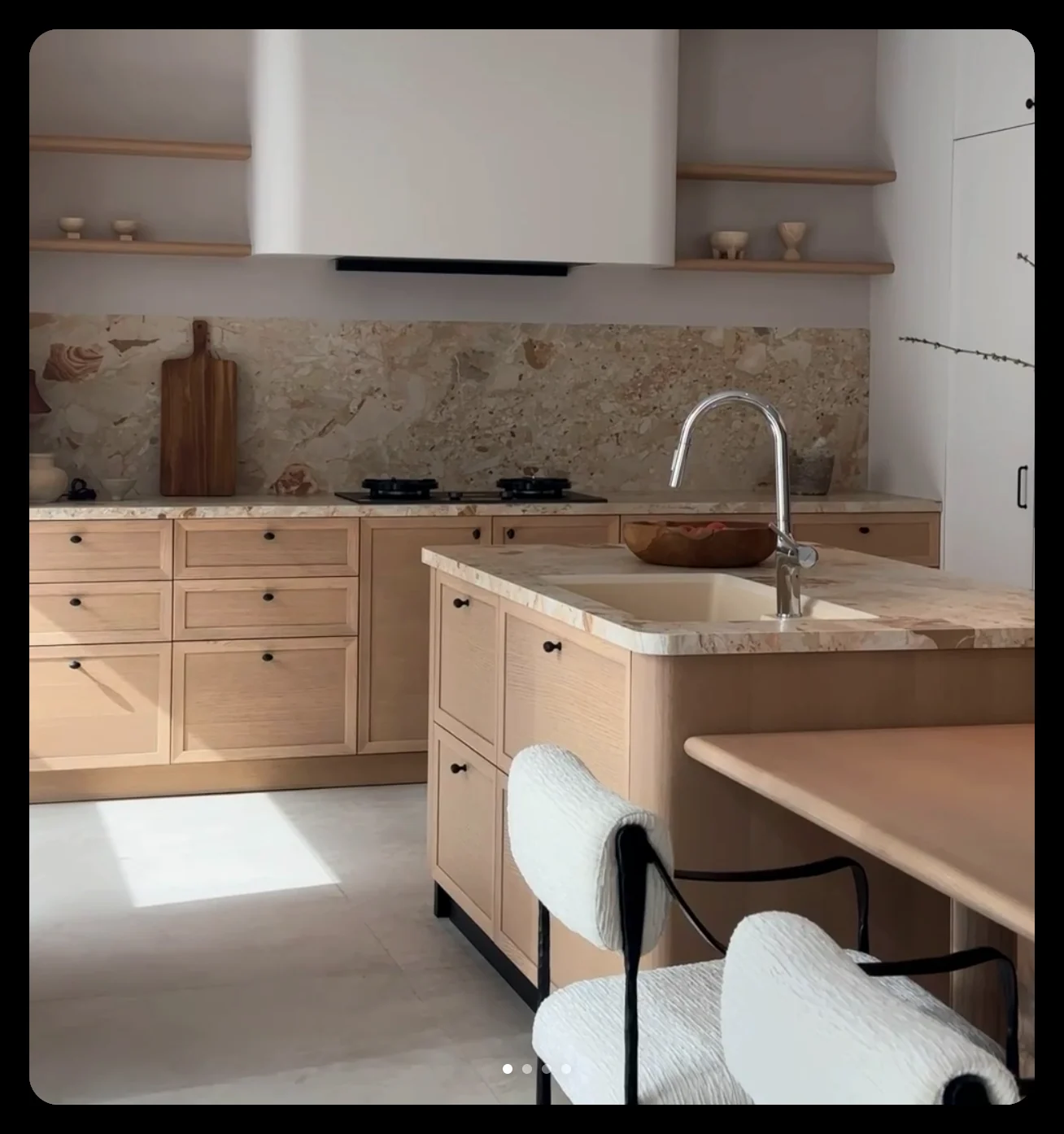
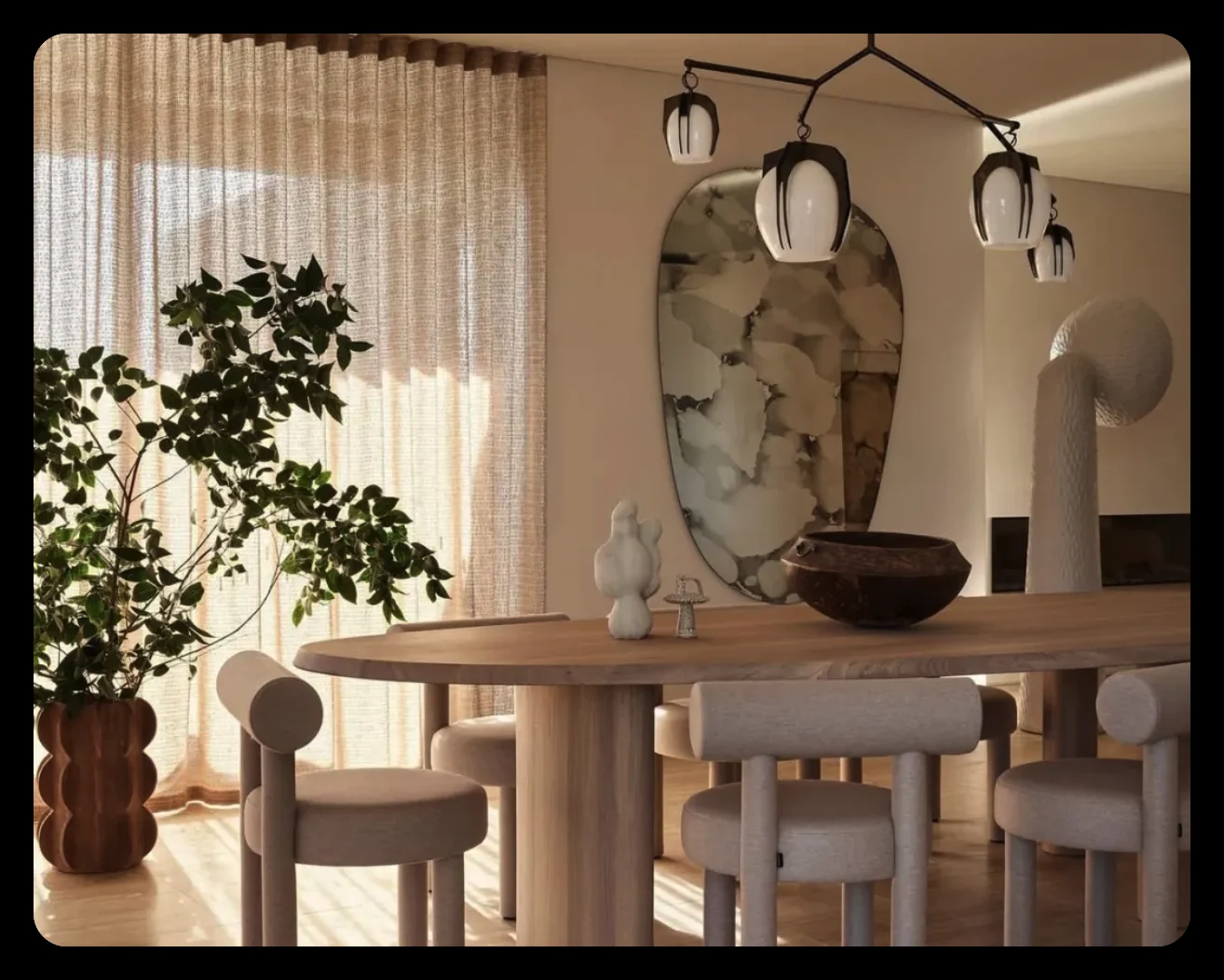
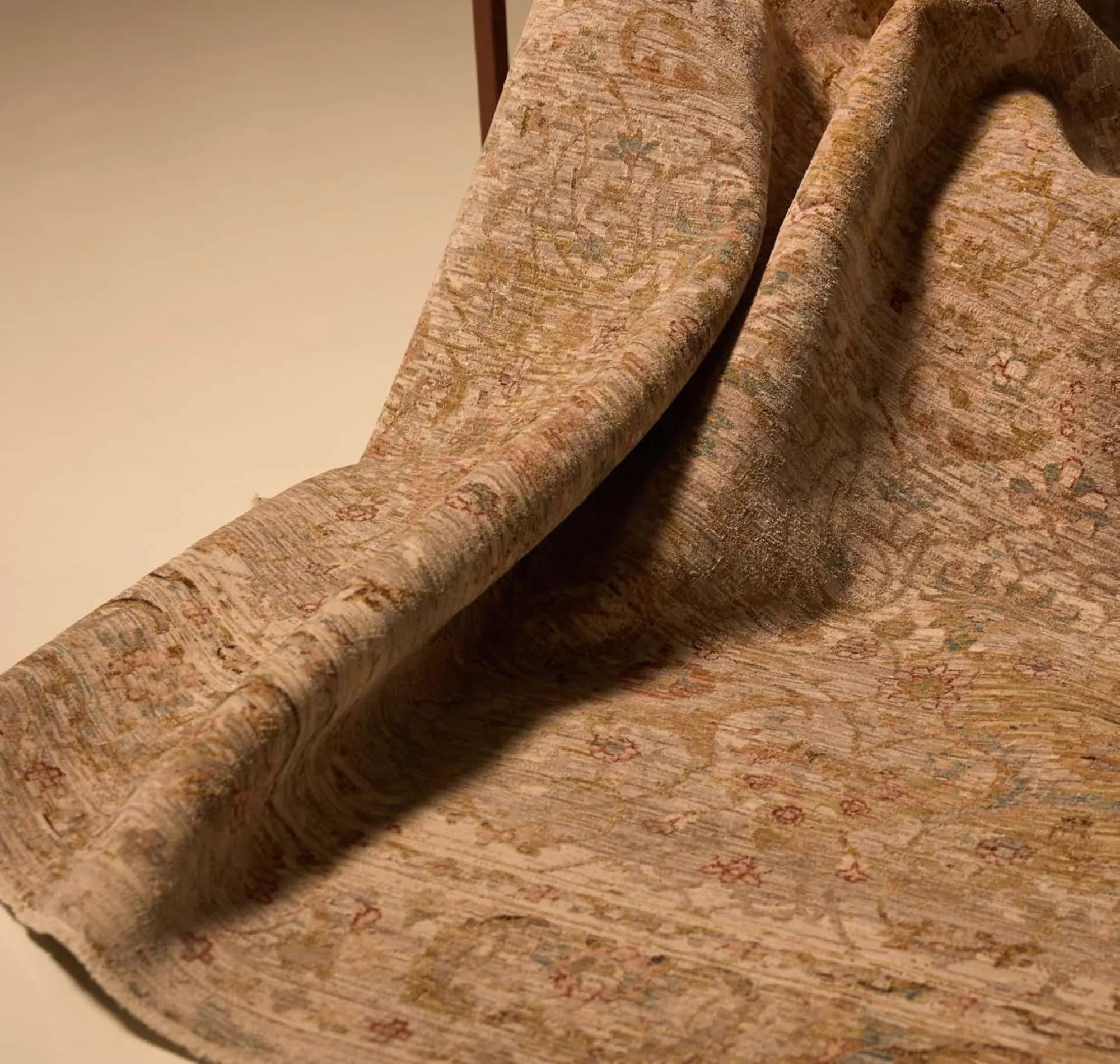
From room list to agreed delivery.
One room first, or a whole home in phases?
Start with the rooms you need and the decision you want to make. A first-room trial lets you review a separate purchase before choosing more. Phased delivery divides an already approved order into shipments. Each needs a clear scope and its own cost comparison.
Start with a readable room list.
Illustrative planning rows below; these are not a customer quotation or confirmed supplier prices.
| Room / item | Qty | Size / material | Status / next approval |
|---|---|---|---|
| Living / sofa | 1 | 2400 wide; fabric sample required | Price open; approve dimensions and fabric |
| Dining / table | 1 | 1800 × 900; timber finish to confirm | Price open; confirm finish and access |
| Bedroom / wardrobe | 1 | Site measured; board and hardware to confirm | Price open; approve fitted drawing |
Use separate cost lines for goods, the service fee, samples, inspection, storage and packing, freight and destination services. Keep unknown costs open; add them before approving the complete budget.
Download the BOQ template · View the full illustrative example
Can Source Foshan manage the order while I stay abroad?
Yes. Source Foshan coordinates supplier quotations, samples, production follow-up, agreed inspections and consolidation remotely. You approve the specification, supplier, price and changes before the corresponding order or release. The signed proposal defines the work, update frequency and responsibilities.
- Send a room list, drawings, reference images, quantities, budget and delivery postcode. Name the person who approves dimensions and materials.
- Keep an itemised quotation and revision log. Link each sample, factory photo or video to the item and the decision it supports; a video does not replace an agreed physical inspection.
- Before shipment, review inspection findings, unresolved issues, carton counts and packed measurements. Agree the release decision and the named destination services in writing.
Start with the document formats: illustrative BOQ · illustrative inspection report. For a completed sourcing and delivery project, see the Bremen home case.
Can I buy only 1–5 pieces of each item from several suppliers?
Send the mixed list for a line-by-line feasibility check. Acceptance depends on each supplier, stock availability, material and custom-production minimums. Approved orders can be combined in Foshan. Confirm fixed service fees, minimum charges, samples, inspection, storage and packing before ordering; a small goods total does not remove these costs.
Make the commitment clear.
Ask for a first-room quotation if you want to decide on the rest after receiving and reviewing it.
| Decision | Separate first-room trial | Whole-home order in phases |
|---|---|---|
| What you approve now | Only the listed first-room or small-batch items. Later rooms remain outside the order. | The agreed whole-home scope, with named items assigned to each shipment. |
| When you decide next | After the first order is received and assessed against the agreed specifications and acceptance checklist. | According to production readiness, site access and the approved delivery schedule. |
| What needs a price | The first order’s goods, samples, service, packing and complete transport costs; any later order gets a new quotation. | Storage, extra handling and freight for each phase, including the effect of holding or moving a late item. |
| What does not carry over automatically | Availability, price, production slot, fabric or finish batch, and any credit for the first order’s fees. | A change to quantities, delivery dates or destination scope; agree the cost and schedule change first. |
A small first order still needs supplier acceptance. Stock pieces and custom pieces have different minimums; see the 1–5 piece buying rules. Shipping it separately can repeat fixed charges, so compare the full first-order cost before choosing this route.
Agree what a successful first room means.
Use an approved specification, rather than a reference photo alone, to judge the result.
- Item and room codes — Record quantities, dimensions, material, hardware, fabric and finish references for every piece.
- Fit and use — Confirm room measurements, doors, lifts, clearances and intended use. Fitted items need approved drawings and a named measurement owner.
- Approval and inspection — Agree samples, inspection coverage, acceptable variations, who approves release and how open issues are recorded. See the illustrative report format and the real rework and open-action record.
- Receipt and review — Check item and carton counts, photograph condition and record fit or function issues. Agree the review period and remedy process in the order.
- Expansion — Keep approved samples and revision codes. Confirm supply, batch matching, current price and lead time again before ordering the next rooms.
The Seattle custom-cabinet case shows why specifications and after-sales matter: storage dimensions affected daily use, while damaged panels and missing connectors complicated installation. Replacement parts extended the timeline. Use those lessons when reviewing specifications and the after-sales plan.
Keep every room tied to its cartons.
One room or a whole property: the packing list should let your receiver identify what arrived and what remains open.
| Stage | Record before approval |
|---|---|
| Room and package | Item codes, quantities, supplier, drawing revision and the person approving site measurements. |
| Packing and loading | Carton count, dimensions, weight, room labels, packing requirements and unloading priorities. |
| Delivery | Destination, access, receiver and whether the quotation includes unloading, carry-in, placement or assembly. |
| Open issues | Item and carton IDs, photos, the issue contact, agreed next action and replacement or closure date. |
Cabinets and loose furniture can share a programme, but their measurements, packing and installation sequence differ. Agree any local installation team’s scope separately from transport.
For a smaller completed shipment, see Milan: six large pieces and smaller items in 6.8 m³. For furniture across several rooms, see the Bremen home delivery. These are documented sourcing and delivery cases, each with its own scope and outcome.
Before you approve the order.
Can I start with one room and decide on the rest later?
Request a separate first-room quotation. Confirm supplier acceptance, the item list, fees, delivery scope and acceptance criteria before ordering. Later rooms remain a separate decision and require a new quotation; this is different from splitting an already approved whole-home order into shipments.
Will a later order match the first room?
Keep approved material samples, finish codes and drawing revisions. Ask the supplier to confirm availability and batch matching before the later order; review a new sample if the material or finish batch changes.
Can cabinets and loose furniture ship together?
They can be planned in one programme. Confirm the actual cargo’s packing, loading, product requirements, site readiness and installation sequence before booking the shipment.
Who is responsible for site measurement?
Name the person responsible for each measured area and record the date, method, assumptions and approval. Approve fitted-item drawings against those dimensions before production.
Can the order ship in phases?
Yes, when the approved order identifies the items and destination for each phase. Agree site dates, storage, extra handling and separate freight costs before splitting the shipment.
How are missing parts handled?
Identify the item and carton, keep receipt photos and report the missing part to the named project contact. Record the agreed action, responsible party and next update; replacement timing and transport costs follow the order’s after-sales terms.
Five steps from floor plan to quotation.
A whole-home quotation is assembled from your room list, not from a square-metre guess. Each step is a decision you approve; nothing is ordered until the final sheet is signed.
- Send the plan.A floor plan or a room-by-room list, with dimensions, reference images, quantities, destination and a budget band. Mark what is a first order and what is only possible later.
- We scope the list.We confirm each room, flag missing measurements and tell you which items are stock, made-to-spec or fitted — and where a smaller route is the honest answer.
- Suppliers quote, item by item.Ready-made pieces are quoted from showrooms, custom pieces from matched factories. We negotiate on your behalf and keep every supplier price separate from our fee.
- Room-by-room proposal sheets.Pieces, materials, prices and lead times per room, in one document. You approve or swap each line before anything moves forward.
- One written quotation, five cost lines.Goods, our service fee, export packing, freight and destination services are listed separately, so you can see exactly what you are approving.
Three levels, one decision.
The same Foshan showrooms sell a USD 300 sofa and a USD 3,000 sofa; the difference is the specification you approve. We frame every order at one of three levels so you compare like with like.
| Level | Essential | Upgrade | Premium |
|---|---|---|---|
| Approach | Ready-made from showrooms | Stock plus made-to-spec pieces | Custom joinery and full FF&E |
| Materials & construction | Veneer, standard fabric, flatpack where lifts are small | Solid wood or better veneer, performance fabric, custom dimensions | Solid timber, fitted wardrobes and kitchens, brand references |
| Typical band (goods) | USD 10,000–30,000 | USD 30,000–60,000 | USD 60,000+ |
| Best for | 2–3 bedrooms, rental-ready, first project | 3–4 bedrooms, long-term home | 4+ bedrooms, villas, designer-led projects |
The bands are planning references, not offers for your order. The confirmed quotation carries your actual figures; service fee, packing, freight and destination costs are added on their own lines.
What a whole home costs, by size.
Buyers ask for a cost per square metre; we do not publish one, because two homes of the same size can differ by half once you choose solid wood over veneer. What we can show is the shape of real orders.
| Property | Goods budget band | What it typically covers |
|---|---|---|
| Studio / 1 bedroom | Under USD 10,000 | A partial list or a few rooms. The full-service minimum is USD 10,000 of goods value; below that we point you to the smaller routes. |
| 2–3 bedrooms | USD 10,000–30,000 | Living, dining and bedroom furniture with soft goods in one consignment — the most common whole-home order. |
| 4+ bedrooms | USD 30,000–80,000+ | Larger homes and villas; custom joinery, fitted wardrobes and kitchens can push a project above USD 80,000. |
These bands match the ones on our enquiry form, so you can state a budget the same way we scope it. The minimum full-service order is USD 10,000 of goods value; smaller needs are usually better served as a single room or a guided buying day.
What fits in one 40HQ.
A whole home rarely fills a container on its own, which is why consolidation matters: several orders share one 40 ft high-cube and one set of documents. Below about 15 m³ we usually recommend LCL.
| Measure | Figure |
|---|---|
| 40HQ capacity | 65–68 m³ · 26–28 t |
| 20GP capacity | ≈ 28 m³ |
| LCL threshold | Below ≈ 15 m³, shared-container (LCL) is usually cheaper |
| Reference order | A USD 10,000 mixed residential order is roughly 15 m³ — about four such loads fit a 40HQ |
Loading sequence for a mixed whole-home order
- Fitted pieces first — flat-packed cabinetry, doors and panels loaded against the container walls, labelled by room.
- Heavy goods next — dining tables, bed frames and sofa cartons spread across the floor to keep weight even.
- Fragile and soft goods last — lighting, mirrors, rugs and curtains secured last and at the door, so they unload first at destination.
- One packing list — every carton tied to its room code, with the CBM and weight recorded before the door is sealed.
The exact loading plan is set from the approved packing list and measured CBM, not from a photo. See how mixed suppliers are consolidated.
Where the weeks actually go.
The honest answer is a range per stage, because the container cannot leave until the slowest factory is finished. A mixed order runs on its custom pieces, not its stock ones.
| Stage | Typical |
|---|---|
| Stock items (Lecong showrooms) | 1–3 weeks |
| Custom pieces | 8–12 weeks from confirmed quotation |
| Whole-home order to container loading | 4–5 weeks (all stock) · 8–12 weeks (with custom) |
| Consolidation and loading | Early deliveries wait in our warehouse until the last supplier is ready |
| Sea freight | Roughly 3–6 weeks depending on destination |
| Customs and destination delivery | Scheduled at destination, outside our control |
If a deadline is fixed, tell us the date first and we will say which parts can make it. A target date is not a guaranteed arrival date.
Whole homes we have delivered.
Five documented projects across Australia, the United States and Europe, each with its own scope, photographs and outcome — including on-site arrival and room-placement photographs where they exist.
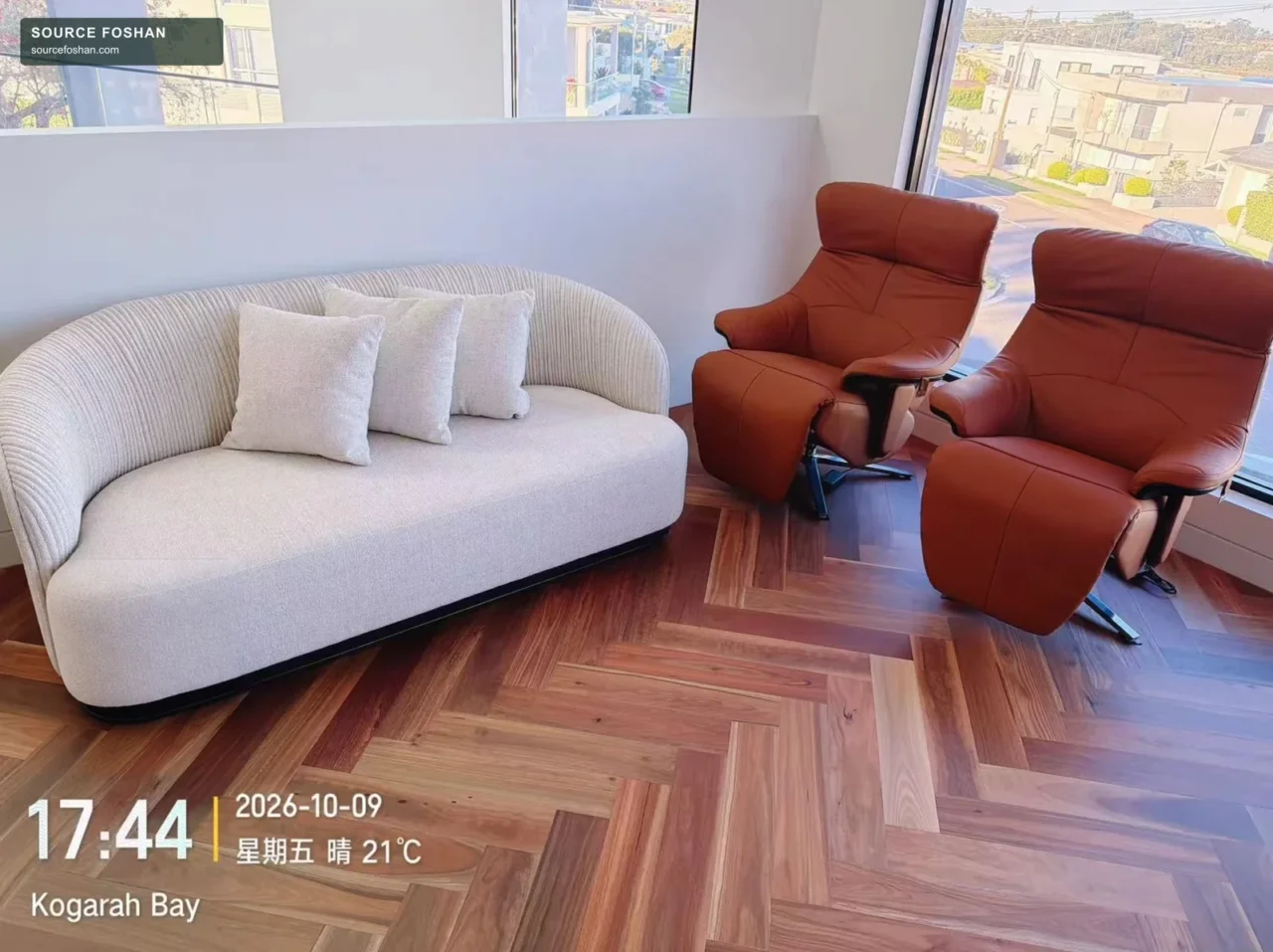
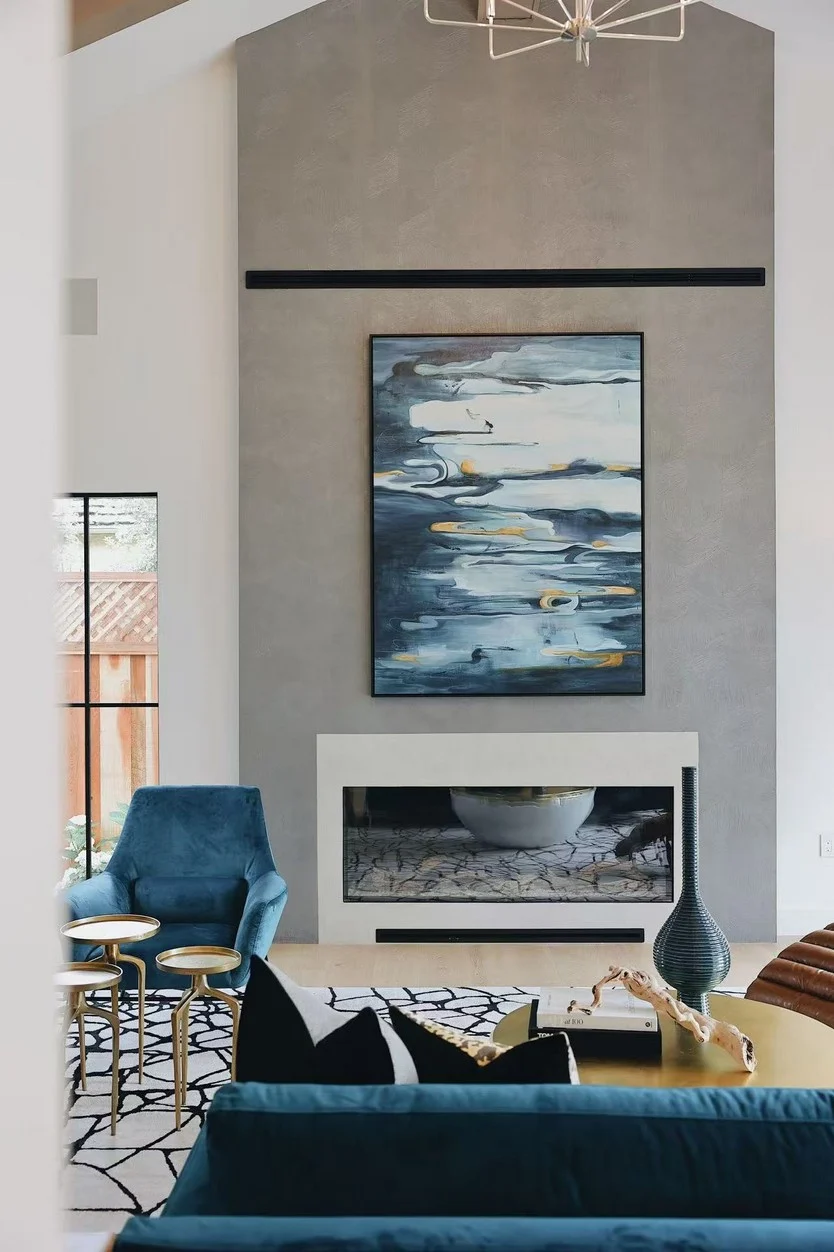
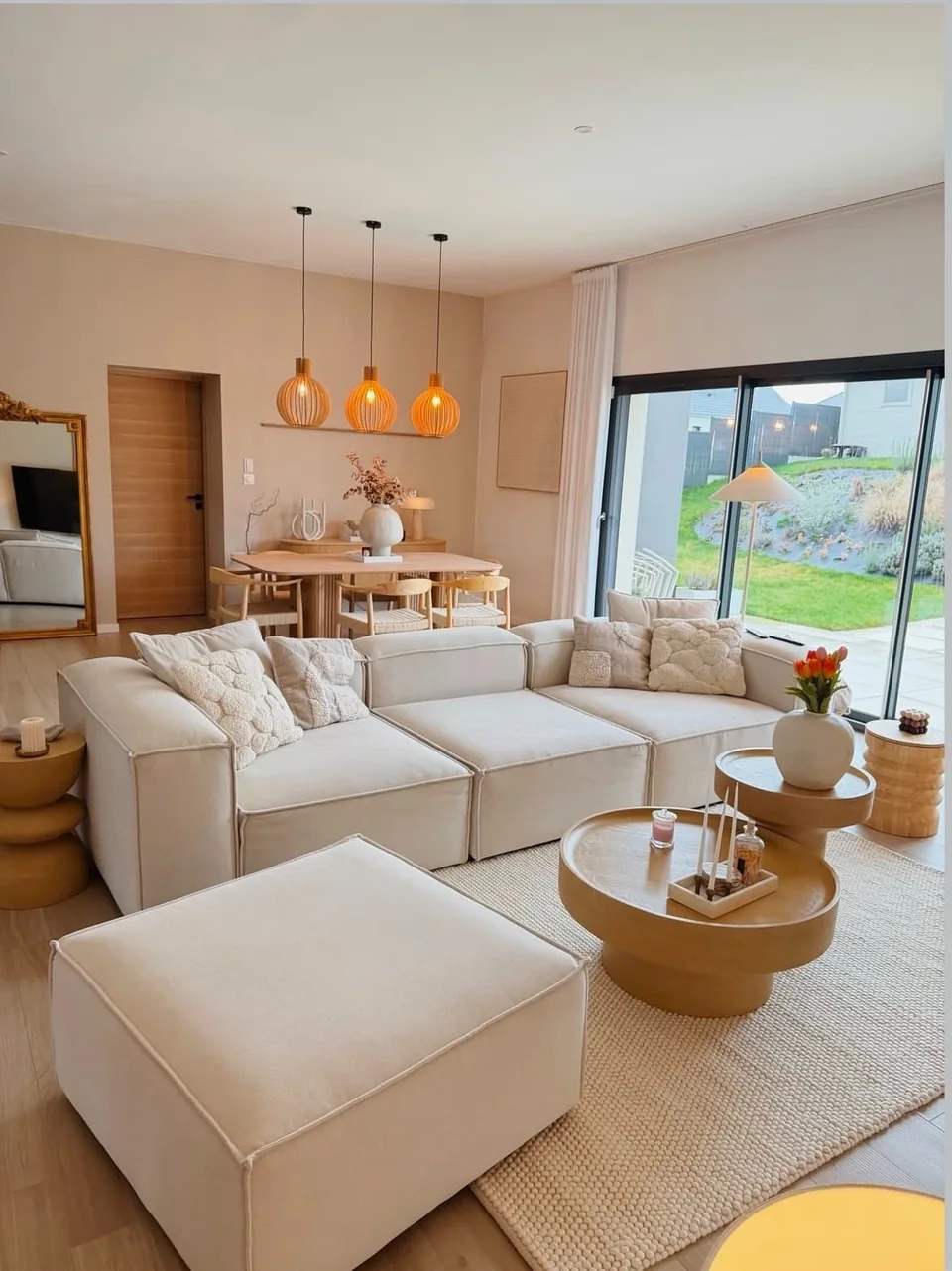

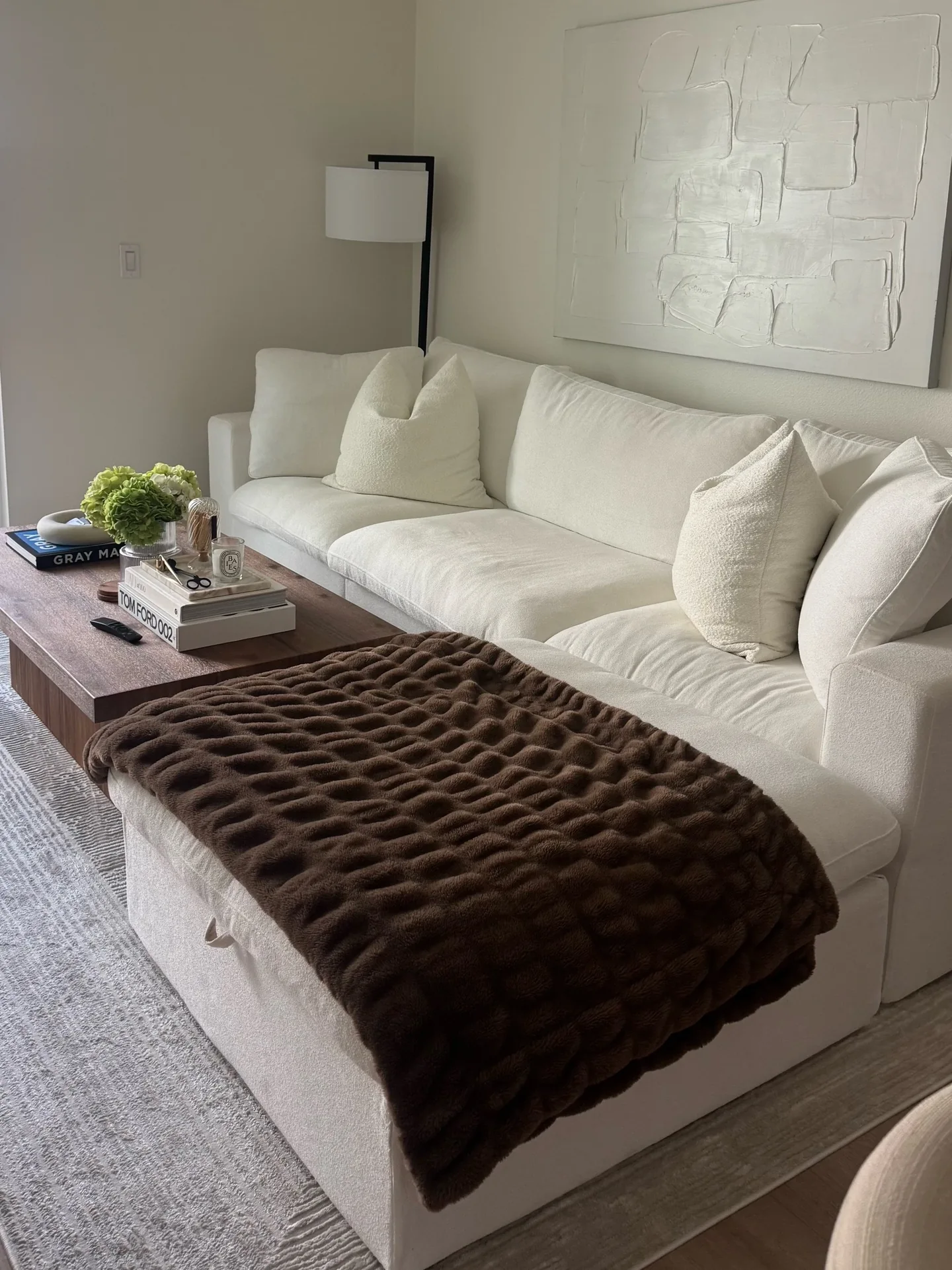
More records: Palo Alto cabinetry case · QC and rework record. Project photographs are supplied by Source Foshan for its own work; none is a stock render.
Before you send the floor plan.
Anything else — ask on WhatsApp or WeChat, or start your project and we'll answer in the first call.