A furniture hardware kit is traceable only when the approved BOM version, part specification, quantity, labelled bag, carton ID and installation step point to the same product revision. A photo of loose screws does not establish that chain.
Buyer toolkit · Revision-control method · No claim of a completed order trace
1. Give every kit an identity that survives shipment
Freeze the furniture drawing and bill of materials before printing bag labels. The same part name may cover different lengths, threads, finishes or supplier revisions. Record the full specification and unit of measure, and state whether an approved alternate may be used. A handwritten replacement in the packing area needs a dated approval that updates the kit list and installation instructions.
2. Follow the part from drawing to user
For each fastening point, map the drawing callout to a BOM row, a bag number and the relevant assembly instruction. Before sealing cartons, check bag count and readable labels against the carton packing list. After shipment, the same identifiers should let a support agent select the correct spare part without relying on a product photograph alone.
3. Reconcile quantity at the right unit
Write down whether a quantity is per joint, per furniture item, per kit or per carton. If one item needs two identical kits, a carton count of two may be right even though the BOM states one kit per assembly module. Agree on spare allowance explicitly; do not silently treat extra pieces as a cure for a missing part.
4. Control substitutions before the bag is sealed
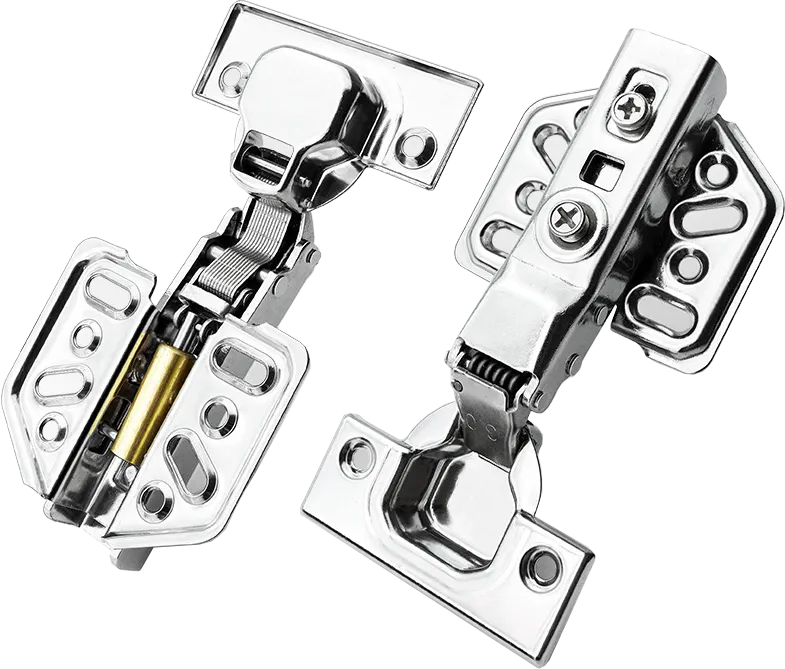
A replacement screw or hinge is not equivalent merely because it fits one sample. Check interface, load or function requirement, finish, tool access, and spare-parts continuity against the approved item. Record who approved the alternate and from which production lot it applies.
| Question | Record to retain | If missing |
|---|---|---|
| Same interface? | Drawing/fit check and dimensions | Hold alternate |
| Same required function? | Approved requirement and test result | Hold or test |
| Same finish and service path? | Sample approval, part revision and spare listing | Update documentation |
| Which units received it? | Lot, kit and carton IDs | Trace before shipment |
5. Hold release at three evidence gates
Every gate must refer to the same model and revision. An inspector may count a bag accurately and still be unable to decide whether it belongs to the carton if the label points to an earlier kit list. Record the missing join and the person who may clear it; do not turn a blank field into a pass.
| Gate | Evidence to join | Hold when |
|---|---|---|
| Before PO | Approved drawing, hardware BOM, part specification and kit-label revision | A part or alternate has no signed revision or defined unit of measure. |
| Before sealing | Count sheet, readable bag label, carton packing list and inspected lot | Bag quantity or carton ID cannot be reconciled to the released kit. |
| At service | Shipped revision, replacement compatibility, dispatch and installer confirmation | The dispatched part is not proven compatible, or repair closure is unconfirmed. |
6. Make missing-part claims resolvable
A remote installer should be able to send the model revision, carton ID, bag number, missing part ID and a photo of the received contents. Support can then compare the claim with the inspected kit record, identify a compatible replacement, and close the case only after the installer confirms that the furniture works as intended.
Supplier request
Please send the approved hardware BOM and kit revision, part specifications and quantities per furniture unit, bag and carton labels, the packing-list mapping, the pre-seal count record, installation-step reference and any approved alternate-part record. Confirm which replacement part remains compatible with the shipped revision.
Method: The original blank compatibility and repair worksheets in the local resource set were consolidated into one order-level workflow. Five original diagrams show what to request; no order-specific result is asserted.
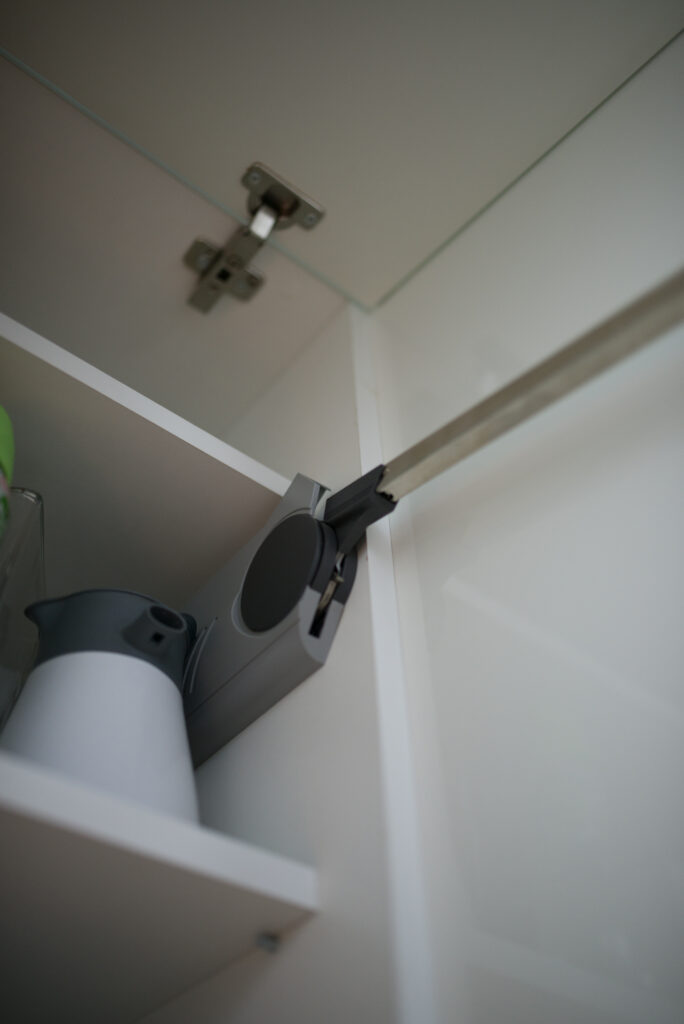
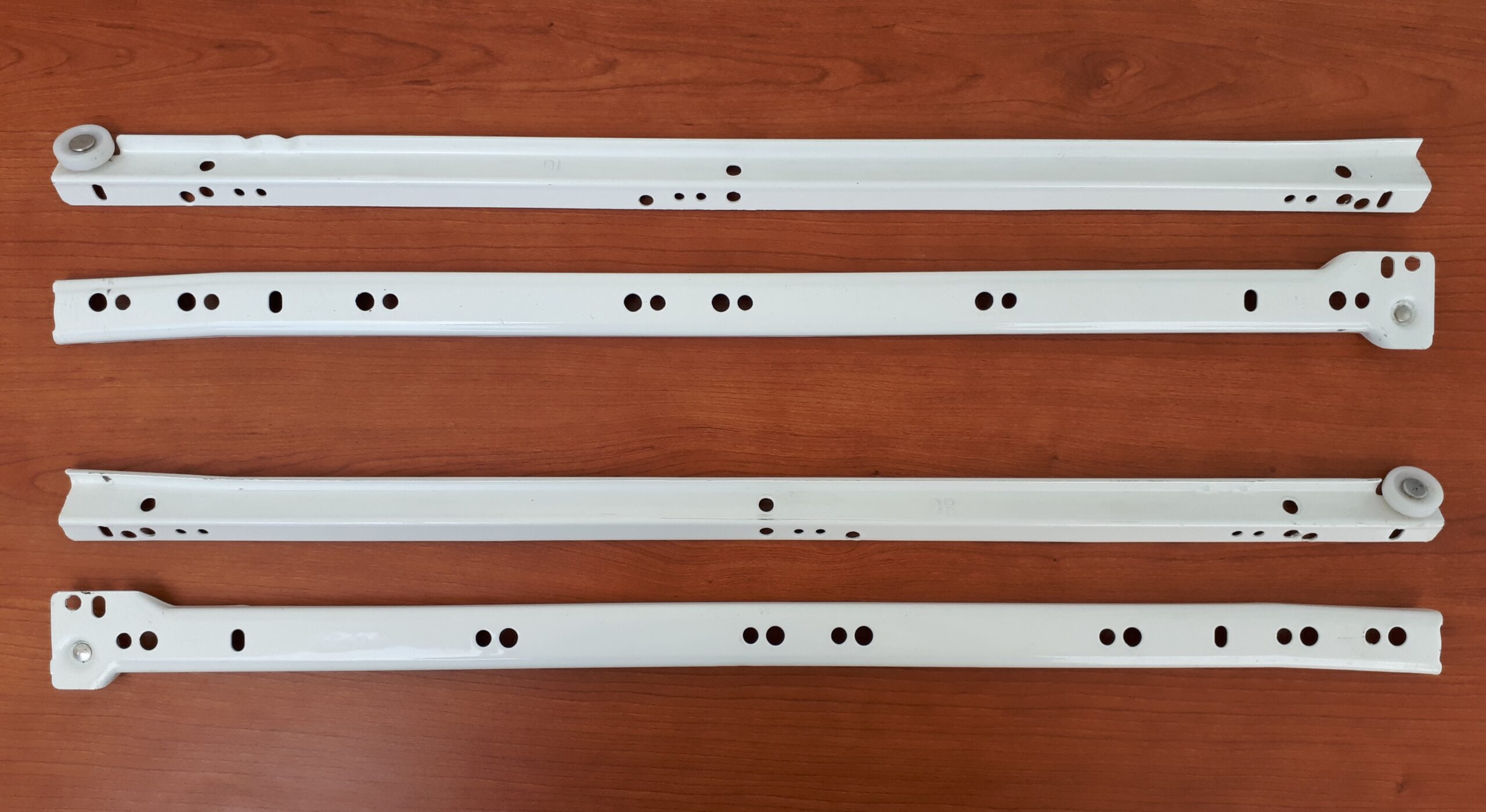
Source and limit. The field structure extends Source Foshan’s blank hardware-and-drilling map (door/drawer ID, hardware model, drilling diameter, edge offset, plate position, opening angle and compatibility result) into a revision-to-carton-to-service chain. That original map has headers only; neither it nor this blank field tool records a measured inspection result. The photographs identify hardware types and do not evidence a pass, supplier, carton or client case.
Featured image credit: Shixart1985 / Wikimedia Commons, CC BY 2.0; WordPress resized the original.