An original buyer workflow from room-item approval and revision control to carton allocation, room receipt and signed closeout, with three blank registers.
Updated by the Source Foshan sourcing team in Foshan.
Source Foshan / FF&E decision library
Every item needs a room, a revision and a receiving decision.
A portfolio can show what a project looked like. A handover record must prove which approved item went into which carton, arrived in which room, and was accepted by whom. Build that chain before bulk production.
A reference image, design drawing, production photo and finished-room photograph each answer a different question. None alone establishes that the approved revision was made in the stated quantity, put in a particular carton, delivered to the assigned room and signed off.
Our 33-page internal project presentation uses a useful five-stage storytelling structure: client reference, design, production, delivery/installation and finished result. Its text layer does not contain carton IDs, room IDs, SKUs, drawing revisions or signed acceptance. It is therefore a starting point for buyer questions, not evidence of an audited room-by-room handover. We do not reproduce client images or turn that deck into a customer outcome claim here.
Figure 1 · Six gates from brief to acceptanceORIGINAL BUYER WORKFLOW
G0Room scheduleRoom ID × item ID × quantity
G1Approved itemDrawing, finish, sample, approver
G2Production releaseControlled revision and changes
G3Carton identityCarton × item × line quantity
G4Room receiptCondition, count and location
G5Room closureSnag, recheck and signature
Each gate requires its own record. A photograph is evidence only when its item, place, date and approved baseline are identifiable.
Practical stop rule: If a supplier cannot identify the current drawing revision for an item, do not mark that item “approved” in the room schedule—even if the visual sample looks right.
Give every deliverable a stable project ID + room ID + item ID. Keep the room count separate from the order-wide quantity. Attach the approved drawing, dimensions and tolerances, finish code, material sample or mock-up ID, hardware and installation interface. Capture the approver’s role, decision, date and evidence file ID. A later change must create a new revision and explicit disposition for items already in production.
A room type is not a room ID. “Typical king room” may define a design, but the packing and installation team still needs a numbered destination and quantity for each actual room. If one design serves 40 rooms, preserve the common approved specification and create 40 room-item allocations; do not copy a sign-off to rooms that were not checked.
Release the approved revision, not the memory of a meeting.
For a hotel mock-up or residential sample room, mark each decision as approved, approved with actions, rejected or open. Link the issue to the exact item and revision. If the sample showed a fabric colour but the bulk BOM names a different lot, the record needs a reconciled approval. Record the controlled production-release ID only after the action list is closed or a named approver accepts a documented deviation.
Photograph dimensions with a scale, material labels and installation interfaces. Then save the raw files with timestamps. An attractive room photograph is helpful context; the release decision lives in the marked drawing, issue log and signature. The mock-up cannot establish a bulk-lot result without a controlled sample and later inspection records.
Figure 3 · A change that crosses productionORIGINAL DECISION PATH
Question
Record to inspect
Decision if missing
What changed?
Change ID, old/new drawing revision, affected item IDs and rooms
Hold release for affected lines
What was already made?
Work-order and inspection status at the change date
Quarantine or rework decision needed
What will ship?
Updated BOM, carton labels and packing-list revision
Do not infer contents from a photo
Who accepted it?
Named approver, dated decision and linked evidence
Leave status open
These are release controls, not evidence that an unseen project passed them.
04 / Packing and arrival
03
Reconcile cartons by line, then reconcile lines to rooms.
Use a carton ID plus a line ID because a carton can contain multiple item types and an item can be shipped in more than one carton. The dispatch list should state item ID, revision, expected quantity, protective packing, gross weight if measured, shipment ID and intended room. At receipt, record carton condition before opening, count the contents against each line, and document any damage or shortage by issue ID.
Do not close a room because every carton reached the building. Match the physical item and its revision to the room schedule, then mark its actual room location. A carton sent to the wrong floor is an open allocation issue even if nothing is damaged. Keep shipping exceptions separate from finish defects and from missing approval.
At installation, compare each item against the approved revision and record position, level, finish, stability and visible damage as applicable to that item. A defect photograph needs a room ID, item ID, issue ID, timestamp, expected criterion and decision owner. Mark the corrective action and repeat photo against the same issue. Distinguish accepted, accepted with a documented exception and held.
The final room document should list unresolved items, replacement carton references, manuals and spare-part contacts where relevant, and a named signature. Keep that closeout version. A finished photograph without these links documents appearance at one moment; it does not prove all units were delivered or accepted.
Illustrative exception: “Room 1208 / bedside table BT-04 / finish revision B / carton C-091: one chipped edge at receipt; issue S-008 remains open.” This is a made-up field example, not a customer observation.
These are unfilled templates. Enter unknowns explicitly; never treat a blank quantity as zero or an unsigned field as approval. Preserve original source files alongside the register. Keep the project/client version access-controlled.
A buyer request to copy: “Please send the current room-by-room FF&E schedule with item IDs, approved drawing and finish revisions, mock-up decision record, carton-to-item packing list, and installation sign-off form. Mark any substitution, open issue or room with an incomplete allocation.”
07 / Continue the record
Use the specialist tools at the matching decision.
The original workflow was derived from a private, 33-page Source Foshan project presentation, particularly its five-stage structure (pp. 1–2), one residential sequence (pp. 3–8) and two console sequences (pp. 9–11 and 27–30). The presentation is visual and contains no searchable carton IDs, room IDs, SKUs, revision numbers or signed acceptance fields. This page closes those documentation gaps as a proposed buyer method; it does not claim that any named client project followed this protocol. The presentation and its client images remain private.
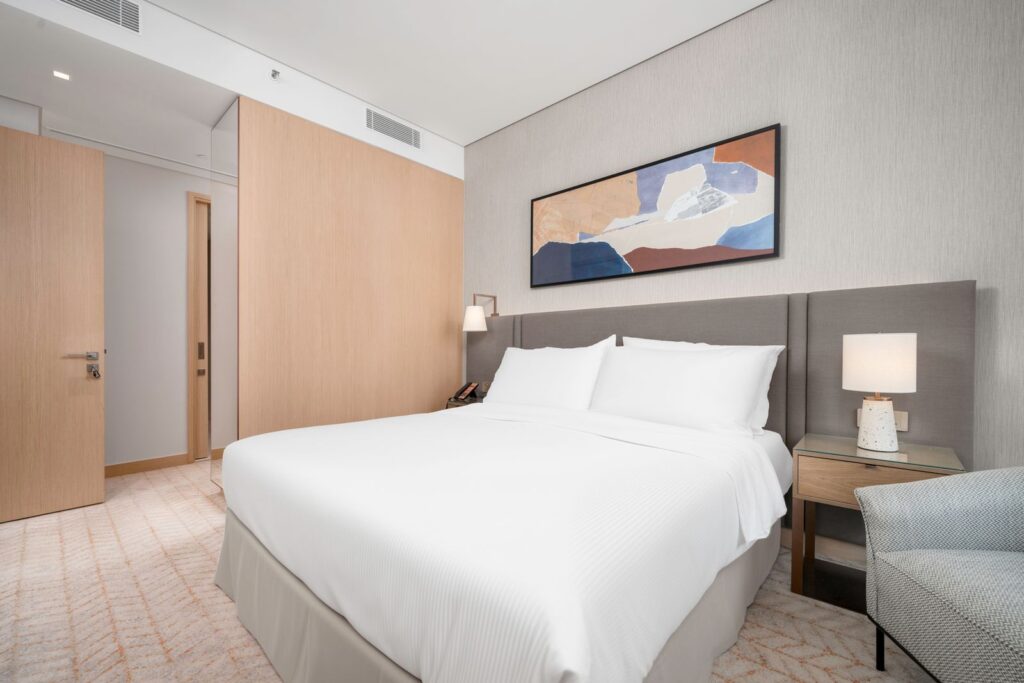
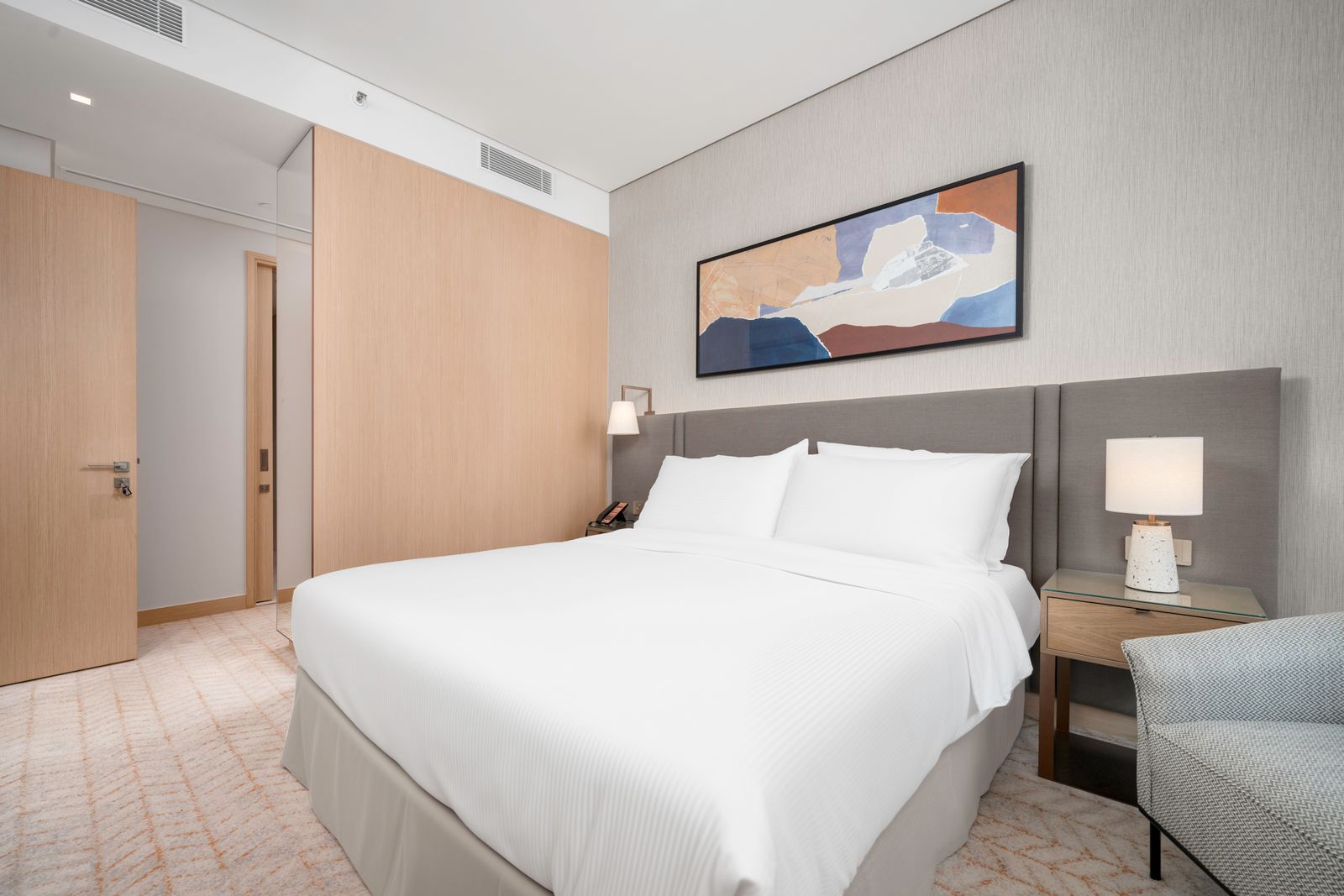
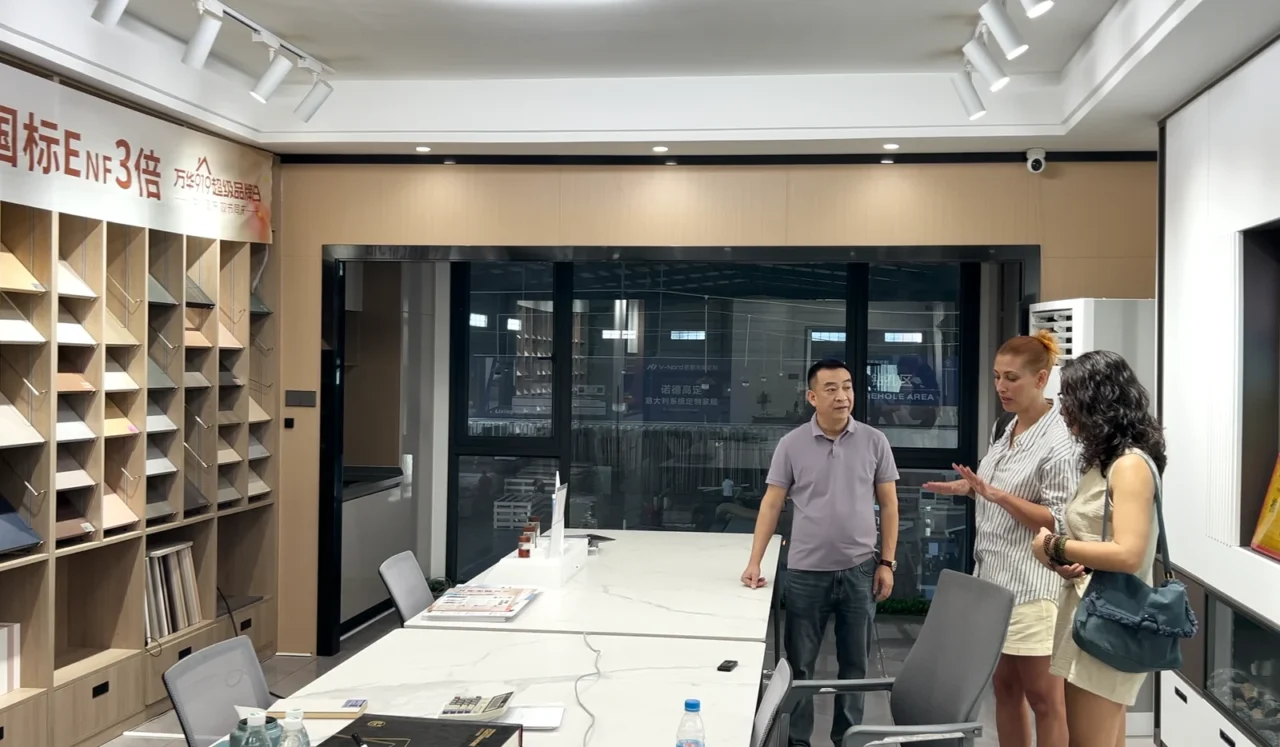
The five Pexels photographs are labelled illustrations. They do not depict Source Foshan customers, project inspections or delivery outcomes. The diagrams and CSV fields are original editorial tools. A future results article needs same-project and same-item records, permission to publish the client material, and a documented review of the claim.
Is a mock-up approval enough to release bulk production?
Only for the scope it covers. Link the approved item and revision to the bulk BOM, close or disposition open mock-up actions, and record who released production.
Can a packing list prove the right room received an item?
No. It identifies intended carton contents. Room placement and receiving decisions need their own dated records.
Should the same item be repeated for every room?
Keep one controlled item specification and a separate allocation row for each actual room. That exposes shortages, substitutions and incomplete sign-off.
Field notes · from the blog
What buying in Foshan is actually like, from people who paid for the lesson.
Send your list. We will tell you honestly how it would run.
A floor plan, an FF&E schedule, a product link or a rough brief is enough. Our local team in Foshan replies within one business day with real options, prices and lead times — no commitment.