Six districts. Six specialties. One supply chain.
Each district of the Foshan–Dongguan belt does one thing at world scale. Knowing which factory belongs to which town is the difference between sourcing and guessing.
Shunde 顺德区
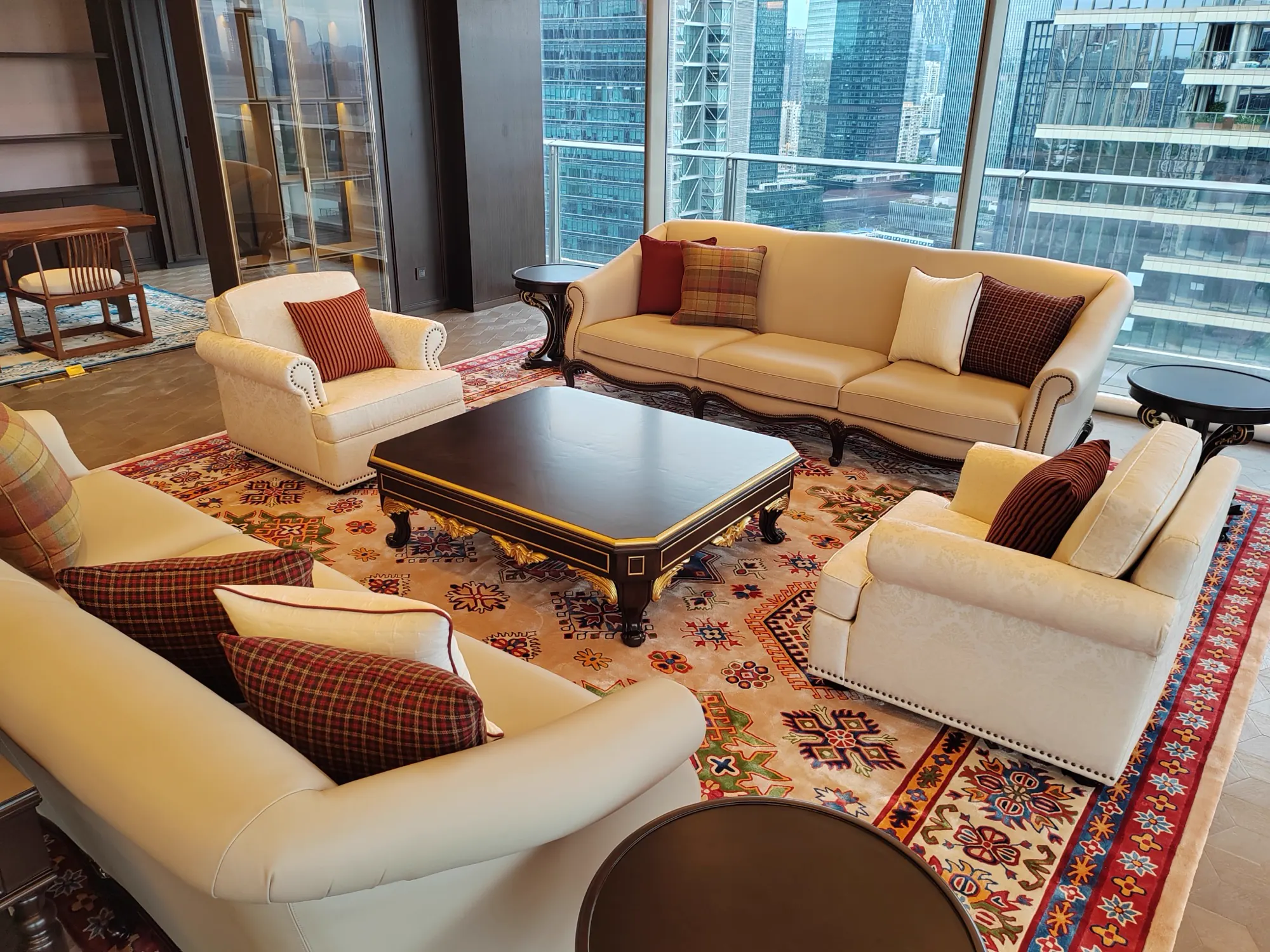
The single densest furniture region on earth. Longjiang town builds sofas and upholstery for the world; Lecong runs the largest furniture trading mall district anywhere; Shatou supplies panels and materials. If it sits in a living room, someone in Shunde makes it.
Chancheng 禅城区
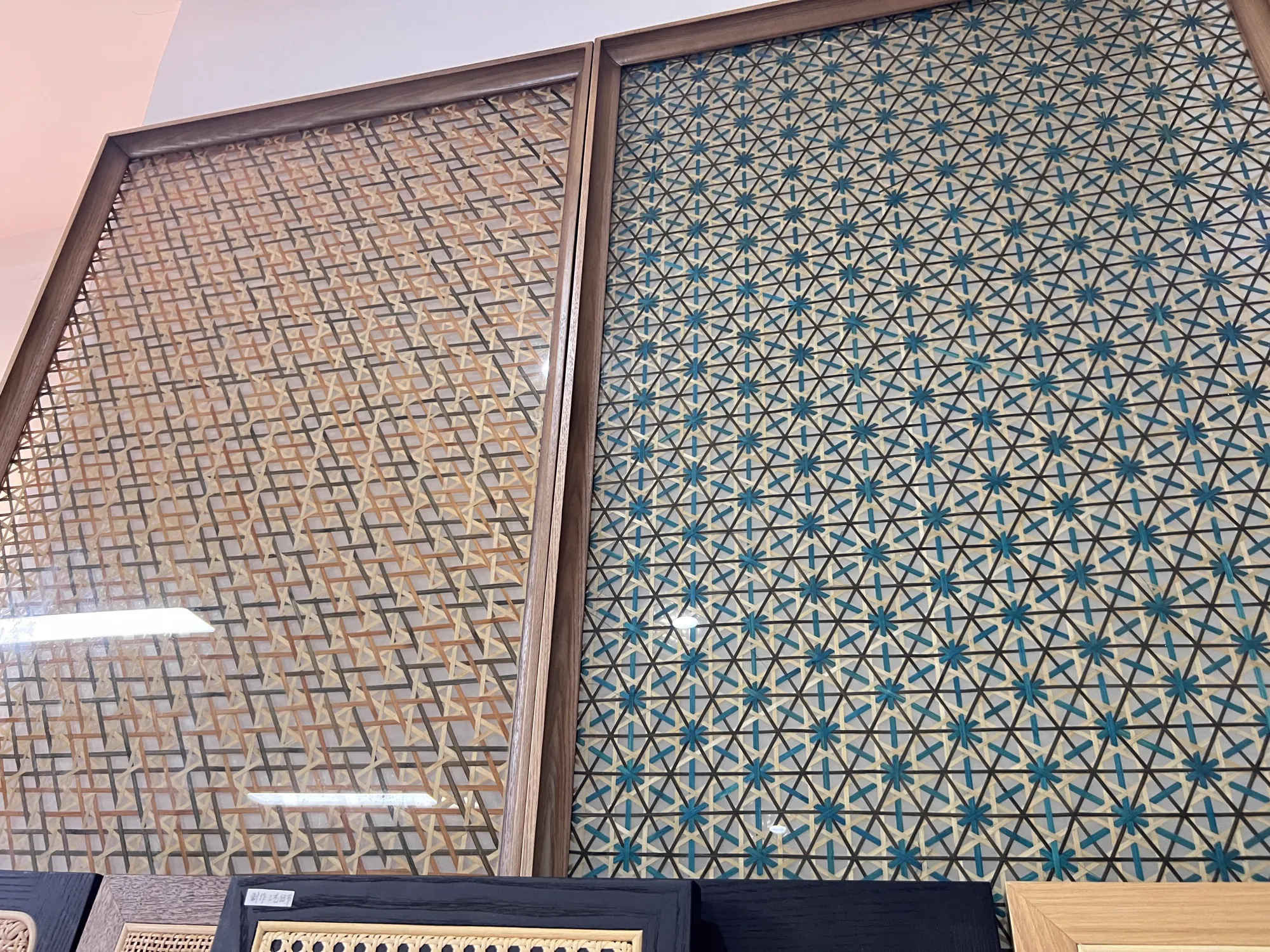
The administrative and commercial centre of Foshan — hotels, high-end showrooms and the ceramics industry the city was famous for long before furniture. Most buying trips start and end here.
Nanhai 南海区
The supporting-industry engine: aluminium profiles and metal furniture from Dali, hardware and fittings, plus a strong mattress and soft-goods cluster. When a custom piece needs a metal frame or special hardware, it comes from Nanhai.
Sanshui 三水区
Upstream of the showrooms: raw material processing, warehousing and the logistics parks that keep the belt supplied. Rarely on a buyer’s itinerary — always in their supply chain.
Gaoming 高明区
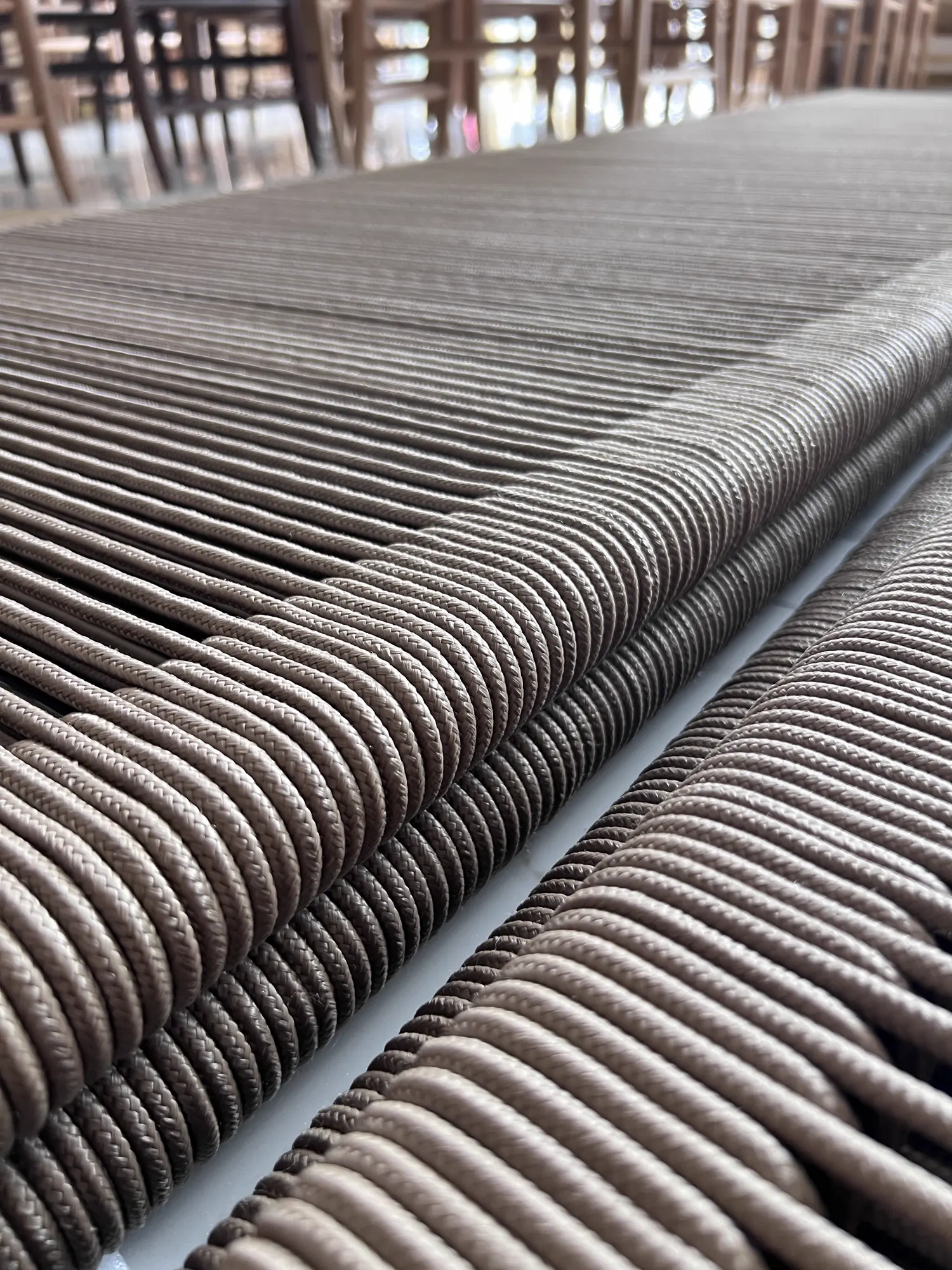
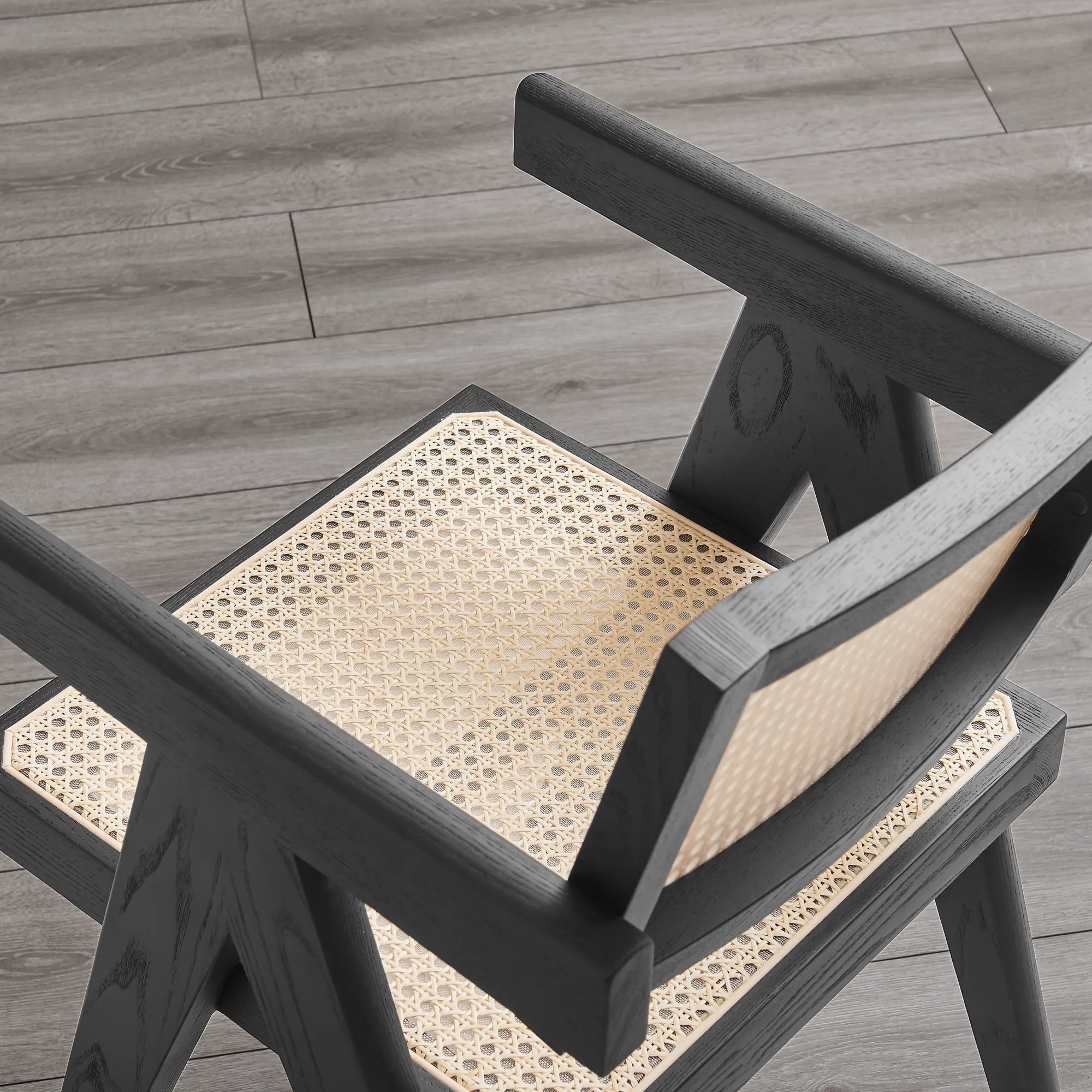
The green west of Foshan — timber processing and a growing outdoor furniture cluster. Solid wood pieces and garden collections often trace back to Gaoming workshops.
Dongguan 东莞市
An hour east: the high-end and export capital. Houjie hosts the flagship factories and trade shows; Dalingshan builds OEM/ODM for the world’s biggest furniture brands. Complex custom production usually lands here.
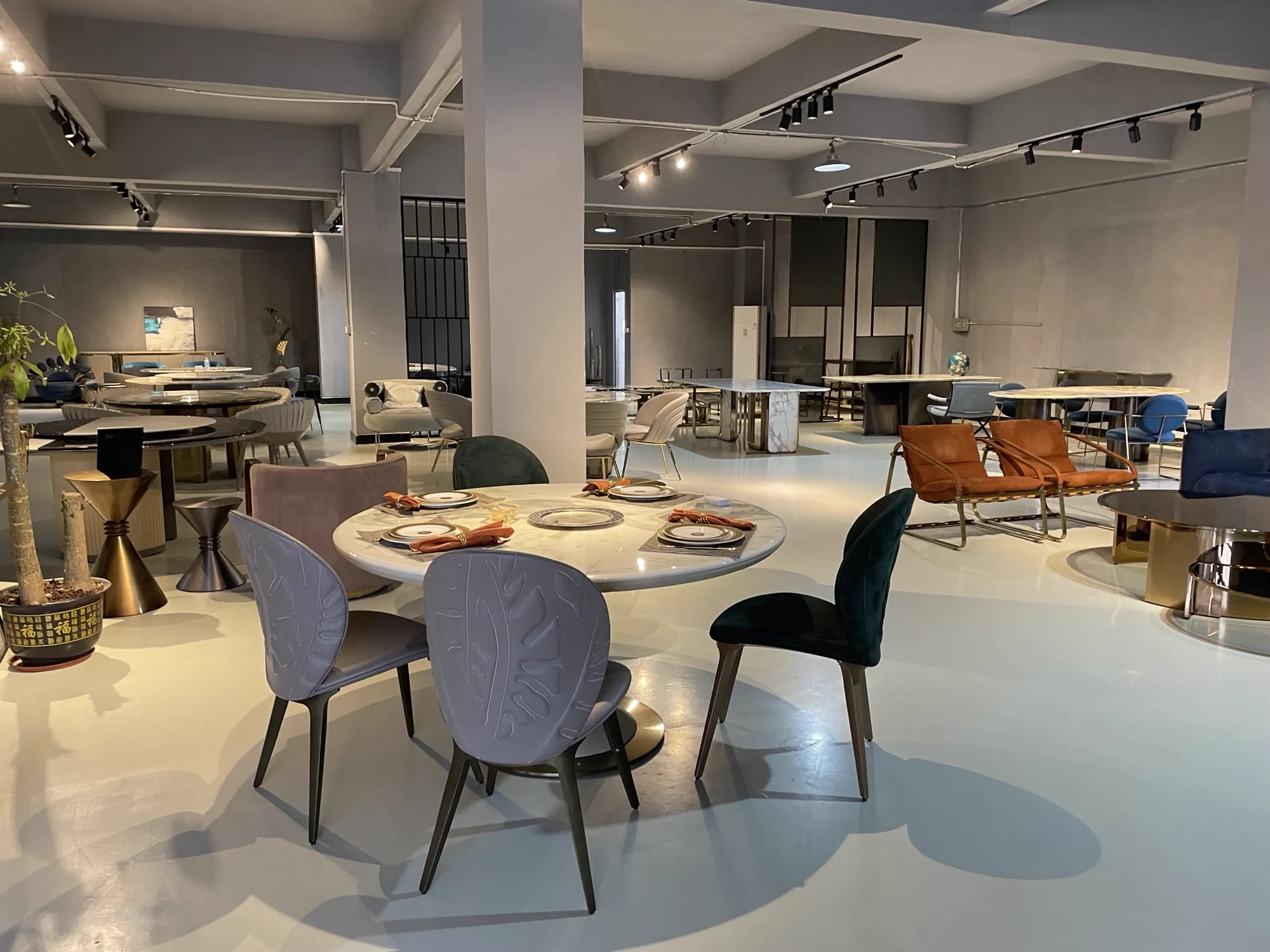
Foshan's furniture supply is organised by town rather than by district, and each town sells in one dominant mode: Lecong through showrooms, Longjiang through factories with showrooms attached, Shatou and Luocun through wholesale markets, and Dali, Gaoming and Dongguan through appointment-only factories. The table maps each area to its products, the type of factory behind them, the minimum you can expect and the way an overseas buyer gets access. Minimums are typical figures: showroom stock has none, made-to-order seating usually starts at 20–50 pieces per model, and export OEM factories think in container programmes.
| Area / town | Main products | Typical factory type | Typical MOQ | How buyers access |
|---|---|---|---|---|
| Lecong (Shunde) | Every residential and contract category in brand showrooms; hotel and office ranges at IFEC, Empire and Huatian | Domestic brand with showroom; production often subcontracted to Longjiang | None from stock; 5–20 pieces for colour or size changes | Walk-in showrooms; trade price on request; an agent helps trace the factory |
| Longjiang (Shunde) | Sofas, beds, upholstered seating, villa and hotel furniture; Ma'ao Exhibition Center, D+ Home Art Park, Gelaimei, Yudao | Factory with attached showroom; joinery workshops | 10–30 pieces per model; single pieces on stock models | Showroom walk-in; factory floor by appointment; agent for specification and QC |
| Shatou (Shunde) | Panels, boards, foam, fabric, hardware and sofa components | Wholesale market and material traders | By pallet, roll or carton | Walk-in market; mainly manufacturers and buyers checking material grades |
| Chancheng city centre | Flagship brand showrooms; Foshan International Furniture Expo Center mixed mall | Domestic brand with showroom | None from stock | Walk-in; convenient for evening visits from hotels |
| Nanzhuang (Chancheng) | Ceramic tiles, sintered stone, sanitaryware, bathroom fittings | Factory-outlet showrooms and brand halls | Tiles by pallet or container; slabs by piece; sanitaryware 5–20 | Walk-in brand halls; factory outlets by appointment |
| Dali (Nanhai) | Aluminium profiles, metal and aluminium furniture, outdoor sets, hardware and fittings, mattresses | Export OEM and domestic factories; profile extruders | 20–50 pieces per model; profiles by the tonne | Appointment only; agent or trade introduction |
| Luocun (Nanhai) | Decorative and commercial lighting; South China International Electric Light & Lighting City | Wholesale market plus factories in Luocun industrial parks | Market stock from 1–10; factory 50–100 for custom finishes | Walk-in market; factories by appointment |
| Sanshui | Raw materials, warehousing, logistics parks, container yards | Warehouses and logistics operators | Not applicable | Through a forwarder or sourcing team; the usual consolidation point |
| Gaoming | Timber processing; outdoor and metal furniture workshops | Workshops and mid-size factories | 20–50 pieces | Appointment only; rarely visited without an introduction |
| Houjie (Dongguan) | High-end casegoods, upholstery, hotel packages; Furniture Avenue showrooms; 3F fair venue | Export OEM/ODM with showrooms | 50–100+ pieces or container programmes; showrooms sell single pieces | Showrooms walk-in; factories by appointment |
| Dalingshan (Dongguan) | Export bedroom, dining and office furniture for global brands | Export OEM/ODM, audited factories | Container-scale programmes | Appointment through an agent or trade referral; audits expected |
Access is the column that decides your itinerary. Anything marked walk-in can fill a day without preparation. Anything marked appointment needs a named contact, a shopping list and usually a Chinese-speaking companion, because factory gates in Dali, Gaoming and Dalingshan do not open for unannounced visitors, and the office staff who quote prices are not the people on the floor. Sanshui rarely appears on a buyer's itinerary, but it matters at the end of the project: its warehouses and logistics parks, 30–40 minutes north-west of Lecong, are where goods from several suppliers are received, inspected, repacked and loaded into one container.
Match the cluster to the order mode: stock and small quantities go to Lecong showrooms, custom upholstery in tens goes to Longjiang, mixed lists that include surfaces and lighting add Nanzhuang and Luocun, and container programmes with audit requirements go to Dongguan. Most managed projects combine two or three clusters; the published Greater Bay Area whole-home project drew 54 items from 9 suppliers in 2 cities and shipped in 1 container.
| Order type | Primary cluster | Add | Why |
|---|---|---|---|
| Single home, 20–60 items, mostly from stock | Lecong | Longjiang for the sofa and beds; Nanzhuang if tiles are in scope | Range and speed; no minimums; custom upholstery is cheaper at source |
| Designer FF&E, 40–120 line items with specifications | Longjiang and Lecong | Dali for metal, Luocun for lighting | Factories can hold a specification; showrooms fill decor and stock pieces |
| Boutique hotel, 30–80 keys | Longjiang plus the Lecong hotel venues (Huatian, Gelaimei, Yudao) | Dongguan Houjie for casegoods at volume | Model-room process; factory MOQs fit key counts |
| Restaurant or café chain | Longjiang seating factories; Dali for metal frames | Lecong contract showrooms for tables | Chairs in 50–200 units with contract-grade foam and fabric |
| Office fit-out | Lecong office malls and Misimu Kufansen; Dongguan | Dali for metal desking frames | Systems furniture needs a factory with drawings and installation support |
| Outdoor and terrace | Dali and Gaoming | HOWVIN Louvre Showroom in Lecong for finished sets | Aluminium and rope production sits in Nanhai; showrooms give the reference |
| Wholesale or container programme | Dongguan Dalingshan and Houjie; Longjiang for upholstery | Lecong for range scouting only | OEM pricing, tooling, audits and repeat programmes |
| Surfaces, kitchens and sanitaryware | Nanzhuang | Guangzhou for whole-house cabinetry brands | Ceramics capital; slab yards and brand halls in one town |
Two rules simplify the choice. If the piece exists in a showroom and you need fewer than ten, buy it in Lecong and spend the saved day elsewhere. If the piece needs a drawing, a new dimension or a contract-grade specification, go to the factory that will build it, because a showroom will subcontract the same job at a margin and with less control. Hotel teams should read the model-room sequence in the hotel furniture sourcing guide, and terrace projects the materials notes in the outdoor furniture sourcing guide, before deciding how many clusters the order needs.
Minimums and fees Source Foshan has no hard minimum: most managed projects are whole rooms, whole homes or commercial packages, and single custom pieces are accepted. Factory MOQs still apply to made-to-order items. The service fee is quoted upfront, before you commit, and shown separately from factory prices; ask for the fee sheet.
Foshan wins on range, stock and mixed categories; Dongguan on export OEM discipline and volume; and the clusters in Zhejiang, Jiangsu and Shandong on single categories at scale, such as office chairs in Anji, outdoor furniture in Linhai, mattresses in Nantong and solid-wood dining sets in Qingdao. For a residential, hospitality or design-studio order that mixes categories, Foshan plus a day in Dongguan covers it; a single-category container order may be better placed in the specialist cluster.
| Cluster | Strength | Typical minimum | Distance from Foshan |
|---|---|---|---|
| Foshan (Shunde, Nanhai, Chancheng) | Showroom range, custom upholstery, tiles, lighting, metal | 1 piece from stock; 10–30 custom | Base |
| Dongguan (Houjie, Dalingshan) | Export OEM/ODM, audited factories, casegoods, hotel packages; Houjie's Furniture Avenue has 600+ companies | 50–100+ per model or container programmes | About 1–1.5 hours by car |
| Guangzhou | Whole-house cabinetry brands; CIFF and Canton Fair venues | Project-based | 45–60 minutes |
| Huizhou | Motion and recliner sofas | Container programmes | About 2 hours |
| Anji (Zhejiang) | Office, gaming and swivel chairs; one in three chairs made in China | 100–500 chairs | Flight or a two-day detour |
| Linhai (Zhejiang) | Outdoor furniture, cast aluminium, rattan | Container programmes | Flight |
| Nantong (Jiangsu) and Qingdao (Shandong) | Mattresses; solid-wood export dining and bedroom sets | Container programmes | Flight |
The practical difference between Foshan and Dongguan is who will take your order. A Dongguan export factory rarely wants fewer than a container of one programme, expects a tech pack and may ask for an audit before quoting; a Longjiang factory takes 10–30 pieces and changes dimensions on request; a Lecong showroom sells one. Prices for the same specification are close, so the choice follows quantity and control rather than cost. The national picture, with production shares and the main clusters, is in the China furniture industry overview, and the checks that apply before paying any factory in any cluster are in the guide to China furniture manufacturers.
Plan the visit in the order the decisions are made: showrooms first to set the shortlist, factories second to fix specifications and start lead times, specialist markets third to fill lighting, surfaces and metal, and Dongguan last, as a separate day, only if the order carries volume. Base yourself in Lecong or Chancheng, use one car for the whole trip, and book every factory before you fly. Send each factory the same three things a week ahead: the item list with quantities, reference images with target dimensions, and your delivery point in Foshan, so the visit starts at the quote rather than at the introduction.
- Day 1: Lecong showrooms, from the Louvre to Sunlink and the hotel venues; collect prices, photos and WeChat contacts.
- Day 2: Longjiang factory showrooms and one or two booked factories; sign specifications and pay deposits to company accounts.
- Day 3: Nanzhuang for tiles and stone, Luocun for lighting or Dali for metal and outdoor, then second visits in Lecong to close prices.
- Optional day 4: Dongguan Houjie and Dalingshan for casegoods or container programmes, 1–1.5 hours each way.
- Avoid the Chinese New Year and National Day weeks, when factories close, and book appointments at least a week ahead in the March and August fair seasons.
- Allow 15–20 minutes by car between Lecong and Longjiang, 30–40 minutes between Chancheng and Lecong, and 40–50 minutes from Lecong to Dali or Luocun; two clusters a day is realistic, three is not.
Hour-by-hour routes, opening hours, holiday closures, price bands and a trip budget are in the Foshan furniture market guide. If you would rather have the appointments, driver, translation and negotiation handled, the guided Foshan buying visit runs at USD 99 a day for 1–2 guests or USD 199 a day for 2–6 guests, excluding hotels, meals and purchases.
Frequently asked questions
Is Lecong a district or a town?
A town. Lecong is one of the towns of Shunde district, which is one of Foshan's five districts, and it holds the furniture malls. Longjiang, the sofa and upholstery factory town, and Shatou, the materials market, are neighbouring Shunde towns 15–20 minutes away. Buyers who say Foshan Furniture City or Shunde furniture market usually mean the Lecong mall belt along National Highway 325.
Can I visit factories in Dali or Dongguan without an appointment?
In practice, no. Metal and aluminium factories in Dali and export OEM factories in Houjie and Dalingshan sit inside industrial parks with gate security, and the sales staff who can quote and show the line are not waiting for walk-ins. Book at least a week ahead with a named contact, send your list and quantities in advance, and expect a Chinese-speaking companion to be needed on the floor.
Which cluster is best for a small order of custom sofas?
Longjiang. Its factories typically accept 10–30 pieces per model, change dimensions and internal construction on request, and sell through attached showrooms at venues such as the Ma'ao Exhibition Center, so you can compare construction before ordering. Dongguan factories want container programmes, and Lecong showrooms will take the order but subcontract it to Longjiang at a margin and with less control over the specification.
Do I need to go to Dongguan at all?
Only for volume or audit-driven orders. If the order is a home, a studio's FF&E list or a boutique hotel with tens rather than hundreds of a piece, Foshan's showrooms and Longjiang factories cover it. Add a Dongguan day when you need casegoods or hotel packages in container quantities, a factory used to Western tech packs and third-party audits, or the 3F fair in Houjie in March or August.
Sources and further reading
- GDToday (Southern Daily) — Lecong Furniture City, world's largest furniture trading hub (16 Oct 2025) — Lecong scale: 4 million m², 180+ malls, 10,000+ dealers
- Foshan News — Key highlights of the furniture Double Exhibition in Longjiang (16 Aug 2024) — Longjiang's factory cluster and its March and August fairs
- WorldFirst China Sourcing Navigator — Dongguan sourcing guide: markets, factories and suppliers — Houjie Furniture Avenue (5 km, 600+ companies) and Dalingshan export factories
- Xinhua — How smart chair manufacturing in east China county sits at heart of sustainability (8 Sep 2025) — Anji produces one in three chairs made in China
- Wikipedia — Dali, Guangdong — Dali town in Nanhai district, known for aluminium extrusion
We route your project across all six.
You don't need to know which town makes what — that's our job. Send the brief; we source each piece where it's made best.
Start Your Project →