A packing plan is checkable when each measured outer carton, protection method, carton ID, loading record and arrival photo refers to the same furniture item and version. Carton volume is easy to calculate; whether the product arrives usable needs a separate evidence chain.
Packing toolkit · Formula and evidence sequence · No invented damage-rate claim
Source Foshan’s logistics guide names collection, packing and loading, destination devanning and tallying, final delivery and installation as separate handoffs (PDF pp. 8-10). Its FAQ asks buyers to note damage on the delivery note and retain receipt images (p. 22).
A service sequence is not a carton-level result. Attach the carton ID, SKU revision, packing and loading references, unopened arrival image, receiver and issue status before calling one item accounted for. Use the current contract for notice and insurance terms.
1. Calculate cube from the packed carton
Use measured external length, width and height, not the assembled furniture dimensions. When all three inputs are in centimetres, divide their product by 1,000,000 to obtain cubic metres for one carton; multiply by carton count for a simple total. Keep the input dimensions, measurement date and unit with the result. That total is a volume sum, not a guaranteed container loading capacity: handling clearance, orientation, weight and mixed cargo still matter.
Illustrative arithmetic only. Confirm actual packed dimensions, quantities, weight and usable loading space before quoting freight.
2. Record the protection scheme, not a generic “export packing” label
Identify the failure mode at each exposed area: corner impact, surface abrasion, moisture, movement inside the carton or loose hardware. Specify the material and placement of protection, then take photos before the package is sealed. A second packing method should be compared on measured cube and observed condition, not on marketing claims about “stronger” packaging.

3. Let the carton ID connect all documents
A mixed-SKU shipment can have the right number of boxes and still be difficult to receive if labels do not map to contents and destination room. Record SKU, part/kit contents, carton sequence, measured cube, gross weight and receiving location against a unique carton ID. Use that same ID in loading photos and the destination check.
| Handoff | Keep this artifact | Hold when |
|---|---|---|
| Before seal | Carton ID beside SKU, revision, contents, protection and measured outer dimensions. | The contents list cannot be matched to the marked carton. |
| At loading | Same ID in load tally and photo; vehicle or container reference and responsible recorder. | A stack photo shows quantity but hides which cartons were loaded. |
| At destination | Unopened label and condition, receipt/tally, opening sequence and room destination. | The receiver cannot reconcile the visible carton to the dispatch list. |
| For an issue | Observation, item photo, delivery note, reviewer, action and receiver confirmation. | A dispatch or repair promise is treated as a closed claim. |
4. Take photographs in a sequence that preserves context
At loading, capture the identified carton before it disappears into a stack, the protection and loading position, and the closed container or vehicle reference. At arrival, photograph the unaltered exterior and label before opening, then the interior, the item condition and any issue. Keep timestamps, photographer and location or shipment ID in the private record, with customer-sensitive details removed from public examples.
5. Separate observations from a cause conclusion
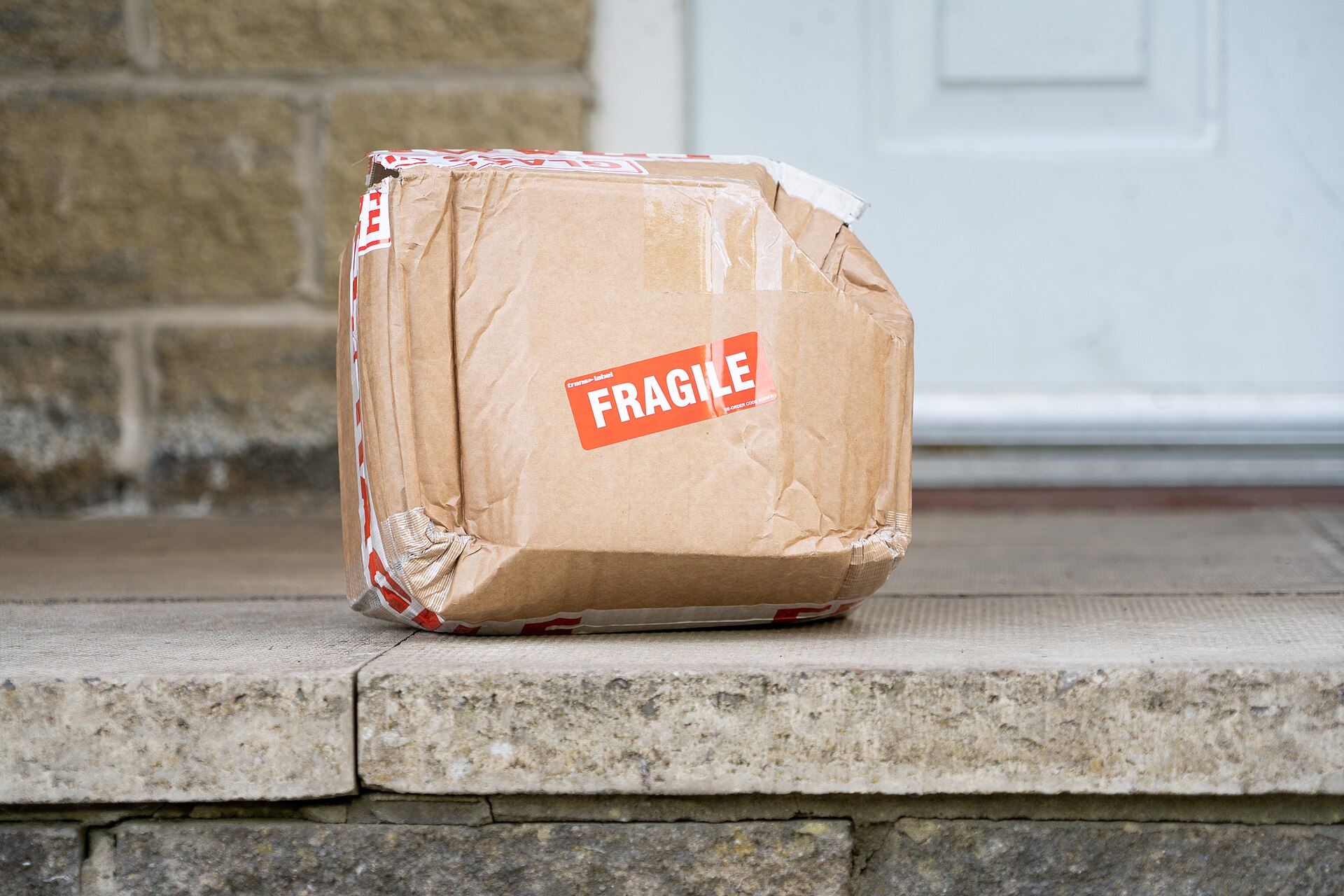
Record what is visible, when it was first observed and which carton it concerns. The packaging method, loading, transit and unpacking may all be relevant, but a photograph alone rarely assigns responsibility. Retain the contract’s notice and evidence requirements and ask the relevant parties to review the same timeline.
| Level | Example of acceptable wording | What it does not prove |
|---|---|---|
| Observation | Outer corner crushed on carton ID X at receipt | Who caused it |
| Linked evidence | Damage at corresponding furniture corner after opening | Exclusive cause |
| Disposition | Issue sent for review; corrective action recorded | A claim was accepted or paid |
Packing-list field request
For each carton, please provide the SKU and revision, unique carton ID, contents and hardware-bag IDs, measured outer length/width/height and gross weight, protection method, destination room, and a link to loading photos. Please retain the same ID for arrival condition and any issue record.
Method: Original field sequence adapted from the local packing, carton-measurement, loading-photo and arrival-timeline worksheets. Five code-native diagrams explain the checks; no client-specific photo or measured order result is reproduced.
Source and limits. The handoff stages and receipt-document prompt are from Source Foshan / All Way Forward’s 28-page Cross-Border Shipping & Delivery Guide, PDF pp. 8-10 and 22. The local carton-measurement, mixed-carton, room-ID and arrival-timeline CSVs contain headers only; they support the fields in the blank download, not a completed shipment, damage rate or accepted insurance claim. Keep the actual contract’s notice periods and insurance scope.
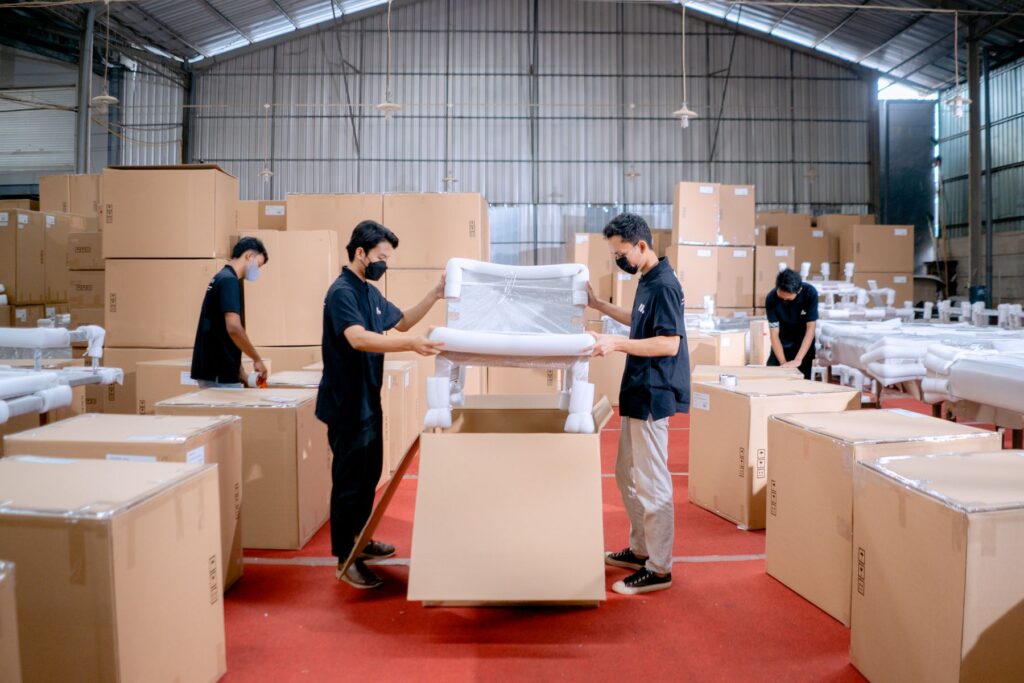
Featured photograph: Mandiri Abadi / Pexels, Pexels License; WordPress may resize this downloaded version. It shows an independent factory and is not a Source Foshan supplier or order.