An original buyer protocol for comparing sofa sample identity, first assembly, cushion observations and spare-part fit without inventing a product test.
Published by the Source Foshan sourcing team in Foshan.
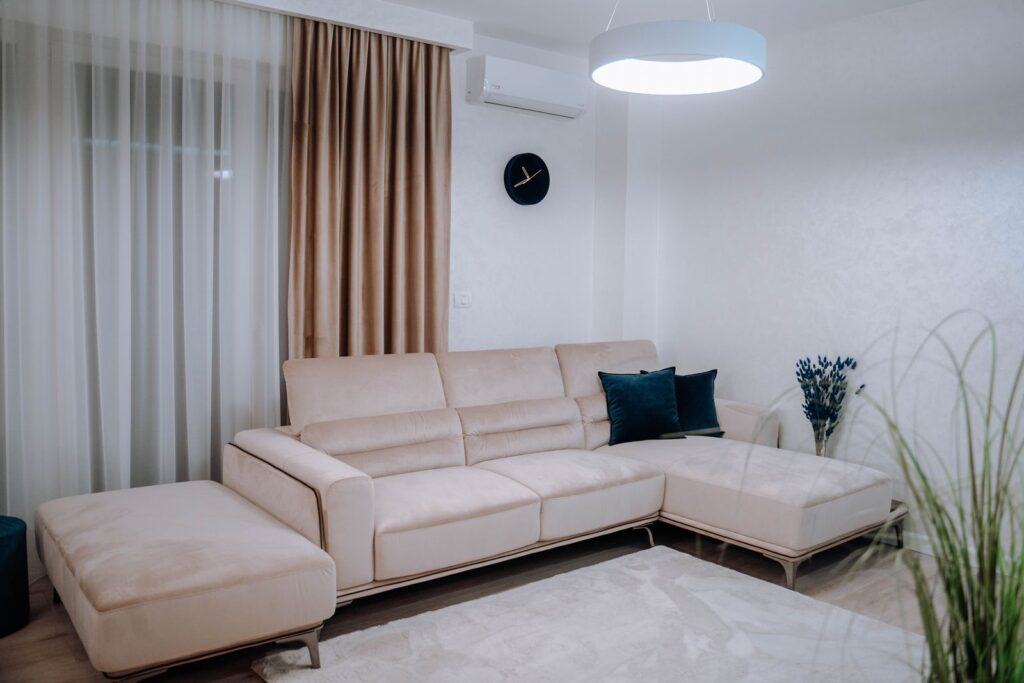
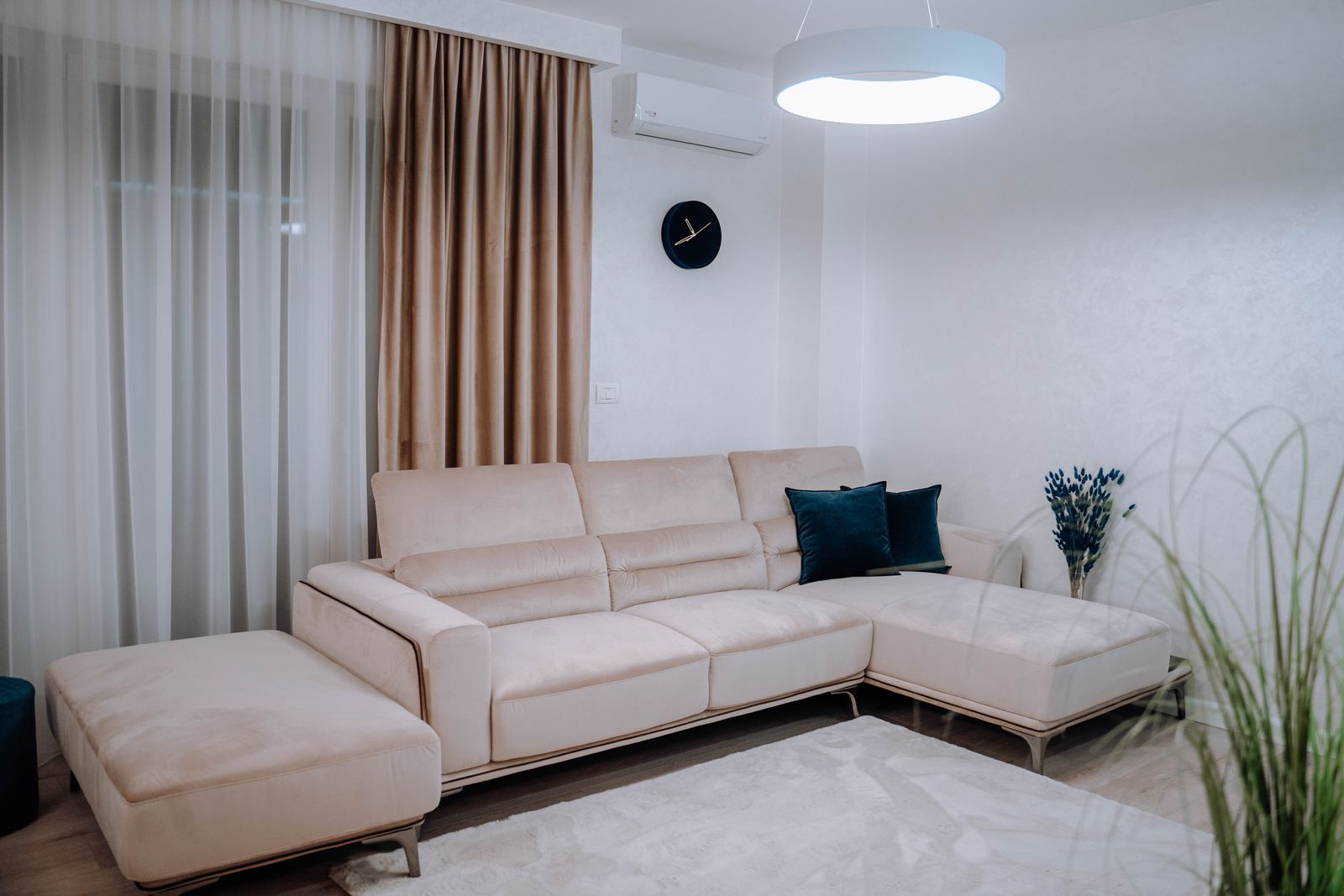
Dorin Ursulescu / Pexels; illustrative, not a Source Foshan sample
Source Foshan / sample & repairability lab
A sofa sample is useful only if its parts can be identified again.
Use one controlled record to connect the showroom choice, delivered sample, first assembly, cushion observation and a future replacement part. This is a repeatable buyer protocol—not a claim that a sofa has passed a test.
A showroom tag often names a design family, while the actual order is a configuration: left and right modules, frame revision, connector type, cover and colour code, cushion insert, leg finish and carton set. Before comparing samples, assign a stable sample ID and photograph its labels. Ask for the current bill of materials and drawing revision. At delivery, record the carton IDs and photograph any substitution against that baseline.
This is where “modular” and “repairable” become testable questions. A removable seat is not enough if its replacement part has no orderable number, the new cover uses a changed seam, or the connector cannot be accessed without damaging upholstery. Record the exact part and its interface, then test the proposed replacement on the same configuration.
Figure 1 · The four layers to identifyORIGINAL COMPONENT MAP
CoverFabric/leather code, colour, pattern direction, zip and seam position
Cushion insertShape, dimensions, fill construction, lot and orientation
SupportWebbing/spring or panel construction and attachment detail
Frame & joinModule revision, connector, leg, tool access and carton ID
These are questions for the exact SKU and revision; this diagram does not describe the photographed sofa’s hidden construction.
Release gate: If the showroom sample, quotation and supplied carton cannot be matched by model, configuration and revision, pause a comfort or repairability comparison until identity is restored.
02 / Controlled arrival
02
Time the first assembly without turning one attempt into a benchmark.
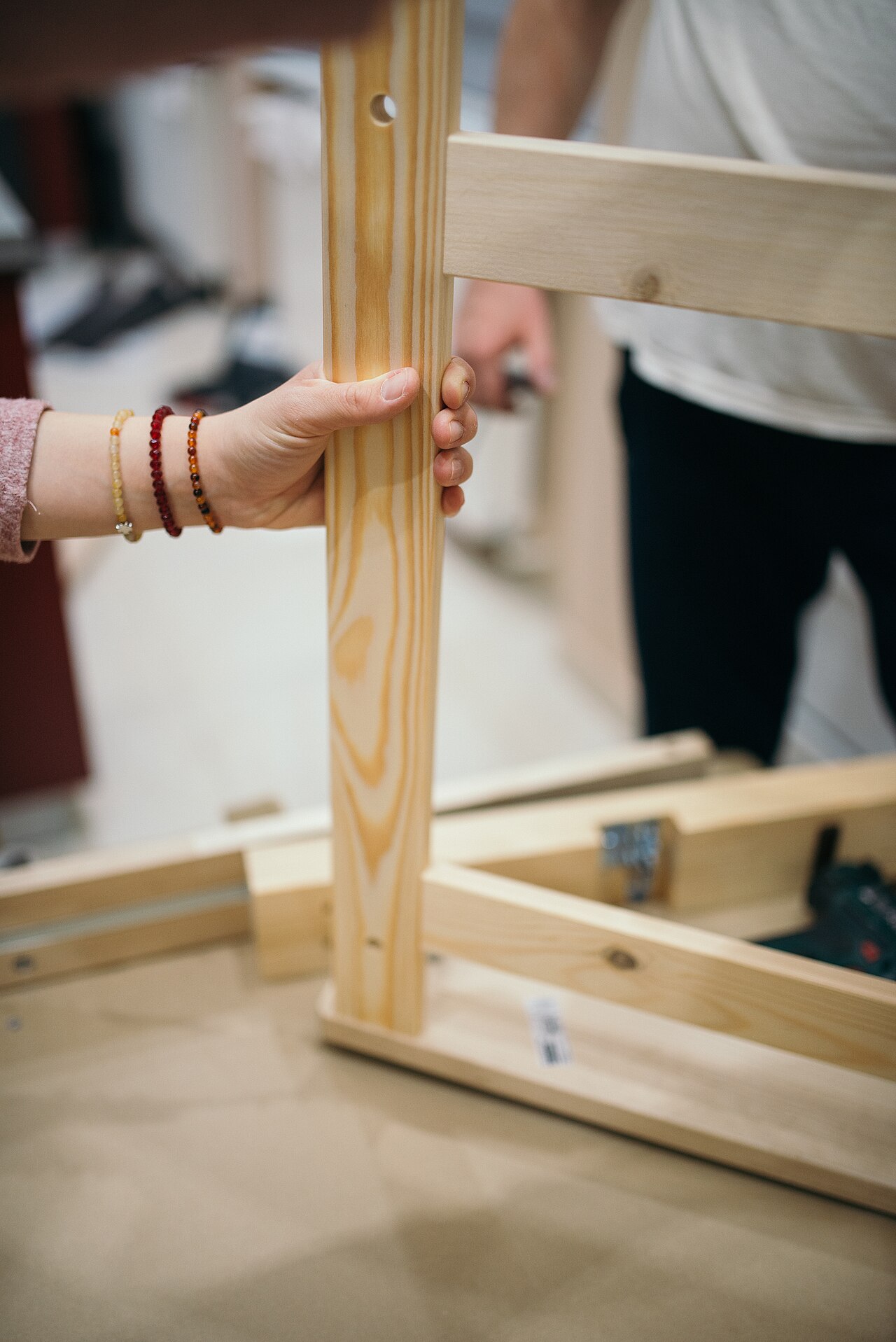
Use a sealed, identified sample. Record the assembler’s prior experience, whether the instructions were opened first, the supplied tools, start/finish time and each interruption. Count missing or duplicate parts against the included parts list; photograph each connector before it disappears into the assembly. Record step number and time for any ambiguity, not a vague “hard to assemble” verdict.
One first-time trial can reveal a missing part or unclear step for that sample and manual revision. It cannot establish the average assembly time across buyers. A second session should use a new sealed kit or be labelled a practiced-assembler repeat.
Define the observation method before testing: which cushion and measurement points, what load or user condition, duration, room conditions and recovery intervals. Photograph a scale at each position. Record unloaded seat height or cushion thickness in millimetres, then repeat at the same points after the declared use period and rest interval. Keep raw readings, not just a “comfortable” label.
If two samples differ in cover tension, foam or fill, size, packing compression or time since unboxing, note those differences before comparison. A showroom sit test captures an individual’s immediate preference. It cannot prove long-term sagging, medical benefit or identical production performance. Only a named, applicable test report can support its measured scope.
Figure 3 · A comparison with its conditions attachedORIGINAL OBSERVATION GRID
T0Unboxed state: carton, timestamp, orientation and cushion ID.
T1Declared load/use: exact point, method, duration and conditions.
T2Recovery: same points, stated interval, measurements and photo IDs.
T0/T1/T2 are recording stages, not prescribed durations or results. Set comparable intervals in the trial plan.
04 / Replacement challenge
Skip the guesswork
Send your list. Get compared options from Foshan within one business day.
Real suppliers, real prices and lead times side by side, from a local team that walks the showrooms and factories every week. No commitment.
For one likely service item—a cushion insert, removable cover, leg or connector—ask the supplier for the exact replacement part number and revision. Get a current quote and availability basis in writing. Confirm the replacement against the original module and cover lot, then document the access method, tools, removal, fit and reassembly. If the fit is not observed, record supplier-stated compatibility rather than “repairable”.
Distinguish three very different situations: a cover that unzips, a cushion that can be bought separately, and a replacement that has actually been fitted and rechecked. The third requires the same sample or order, an identified part, installation record and recheck. Record whether the operation damaged seams or finish, and which person approved it.
Both downloads are empty templates. Keep one row per observation or spare part, preserve source files and enter “unknown” where a supplier has not answered. Do not fill open measurements with zero.
Supplier request to copy: “Please provide the current configuration drawing and BOM for this sofa, all module and cushion IDs, carton-to-module map, assembly-instruction revision, and orderable spare-part numbers for covers, cushion inserts, legs and connectors. Mark every substitution and confirm which parts can be removed without damage.”
06 / Related evidence
Keep the test tied to the purchase and issue record.
Our starting archive includes Lectra’s 2025 sustainable upholstery white paper (local Chinese edition, pp. 10 and 15). It describes the challenge of separating mixed upholstery materials and discusses repair, modularity and replaceable covers. It is an industry/vendor perspective, not a test of any sofa on this page. We used it to frame the buyer question, then designed the identity-to-spare-part recording method above. The local upholstery photo library helps identify which observations to capture but provides no verified two-sample recovery result or complete same-unit repair chain.
Source Foshan has not published a measured assembly-time distribution, cushion-recovery result, spare-part fit or service-life estimate here. All photographs are credited illustrations from Wikimedia Commons and Pexels; none depicts a Source Foshan product trial. A future result page requires an exact sample/order ID, dated raw log, matched revisions, image rights and independent review of any performance claim.
Can a removable cover alone make the sofa repairable?
No. Establish the exact replacement part, compatible revision, access procedure, availability basis and an observed fit if you want to describe this sample as repaired.
What if the first assembly takes longer than the seller suggests?
Record the session conditions and every interruption. One session can document this sample and manual revision; it cannot estimate an average buyer time.
Does a cushion returning to height prove long life?
No. A recorded recovery under declared conditions is one observation. It does not establish future sagging, health effect or warranty life.
Field notes · from the blog
What buying in Foshan is actually like, from people who paid for the lesson.
Send your list. We will tell you honestly how it would run.
A floor plan, an FF&E schedule, a product link or a rough brief is enough. Our local team in Foshan replies within one business day with real options, prices and lead times — no commitment.