How-to · Sourcing agents & services
Sourcing furniture without flying to China: video walk-throughs, samples and approvals
Remote furniture sourcing from China: how to run a virtual factory tour, which samples to request and the 6 approval points that replace a trip to Foshan.
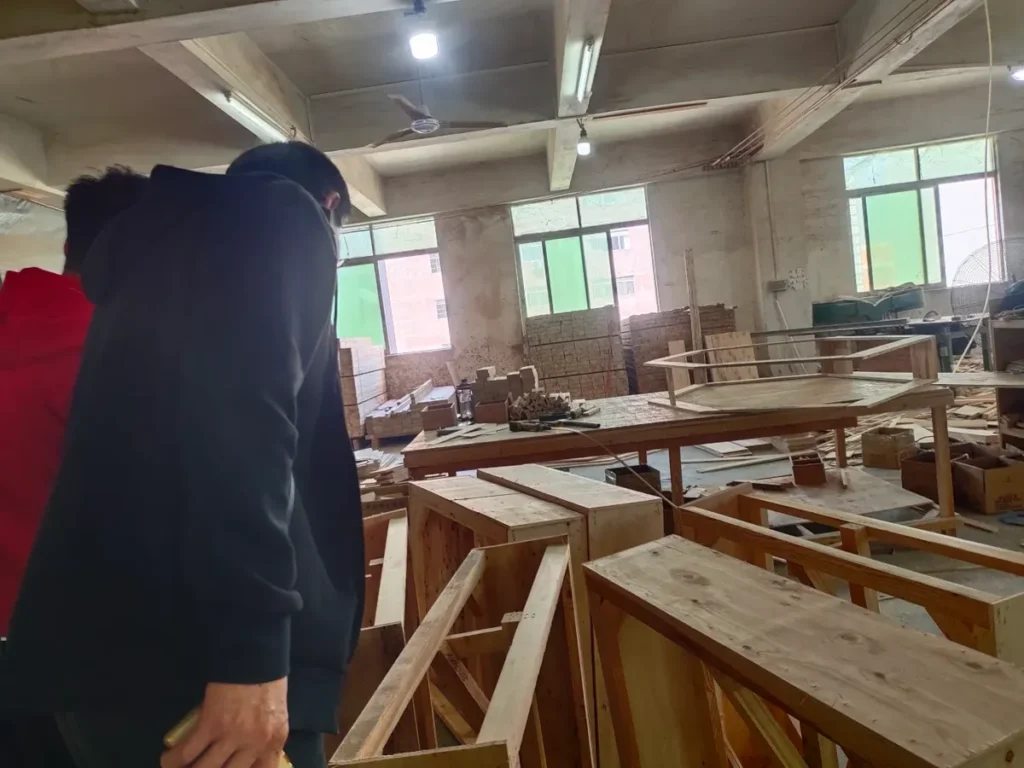
- A Foshan sofa maker’s post breaks production into nine labelled steps, from cutting the frame timber to QC and packing — each a natural checkpoint for a remote buyer.
- The same maker says finished sofas are photographed and confirmed with the client before they are packed.
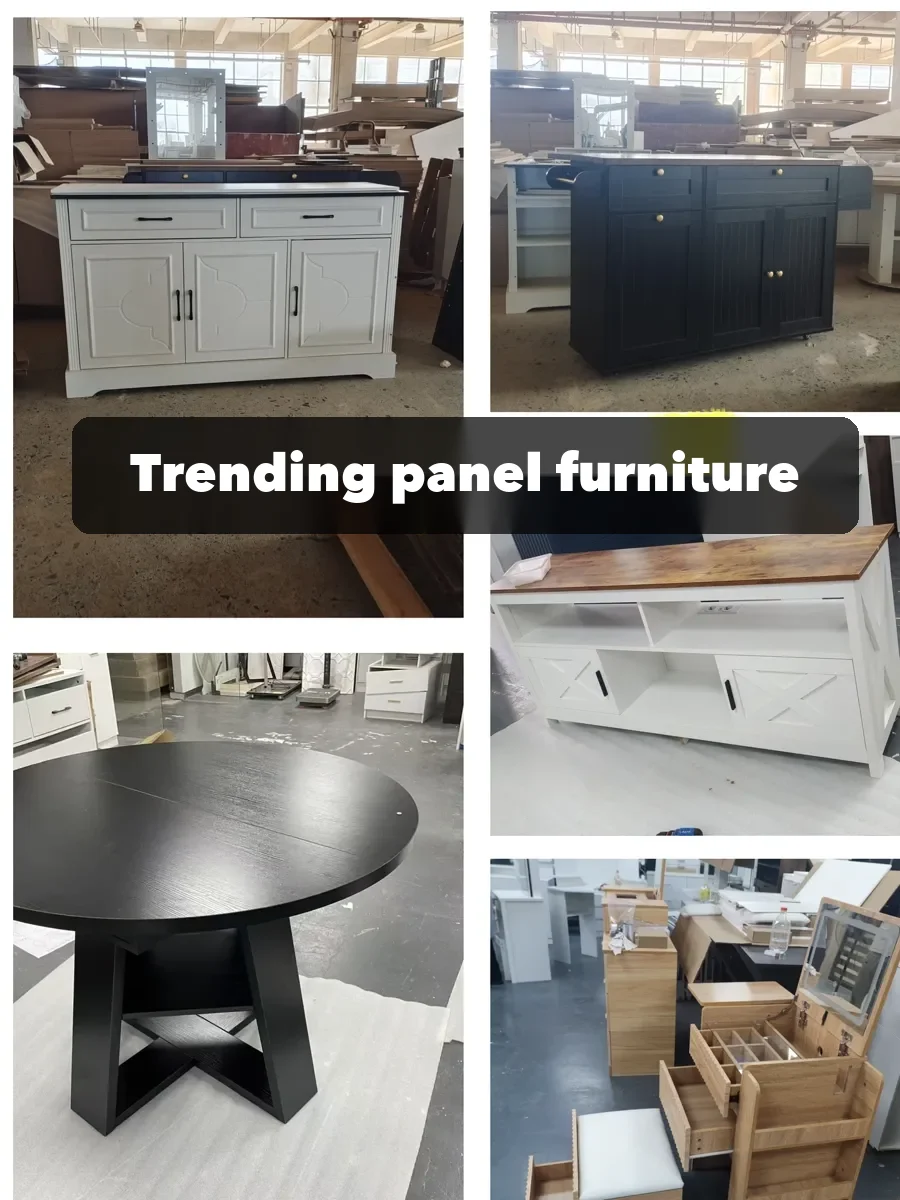
- An export panel-furniture factory told readers that some pieces in its video had detail flaws because they were fresh prototypes — a sample is not yet production.
- Asked whether its products met export standards, the same factory answered only that they had been tested; a remote buyer should ask for the report itself.
- Source Foshan sends photos and video at every stage and releases the balance only after you approve the inspection report.
You can source furniture from China without visiting if three things replace the trip: a live video walk-through of the workshop that will make your piece, physical samples or swatches of every material, and a set of written approvals — specification, sample, production stages and final inspection — before the balance is paid. What video cannot show you is comfort, smell and true colour, so those need samples or a local reference.
Can you source furniture from China without visiting?
Yes — provided evidence replaces presence. A visit gives you three things: you see who makes the piece, you touch the materials, and you watch quality with your own eyes. Remote sourcing replaces each with something you can keep: a live video walk-through, physical samples, and dated photos at fixed production stages, all tied to a signed specification.
The risk is not the distance but vagueness. A buyer who approves a showroom photo has approved a style, not a product. Our complete guide to furniture sourcing agents in China explains who should be doing this work for you.
How do you run a virtual factory tour for furniture?
Make it live, start at the gate and ask to see the line that will build your item — not the showroom. A Foshan sofa maker’s Xiaohongshu post is a good script, because it names the stages a buyer should ask to see:
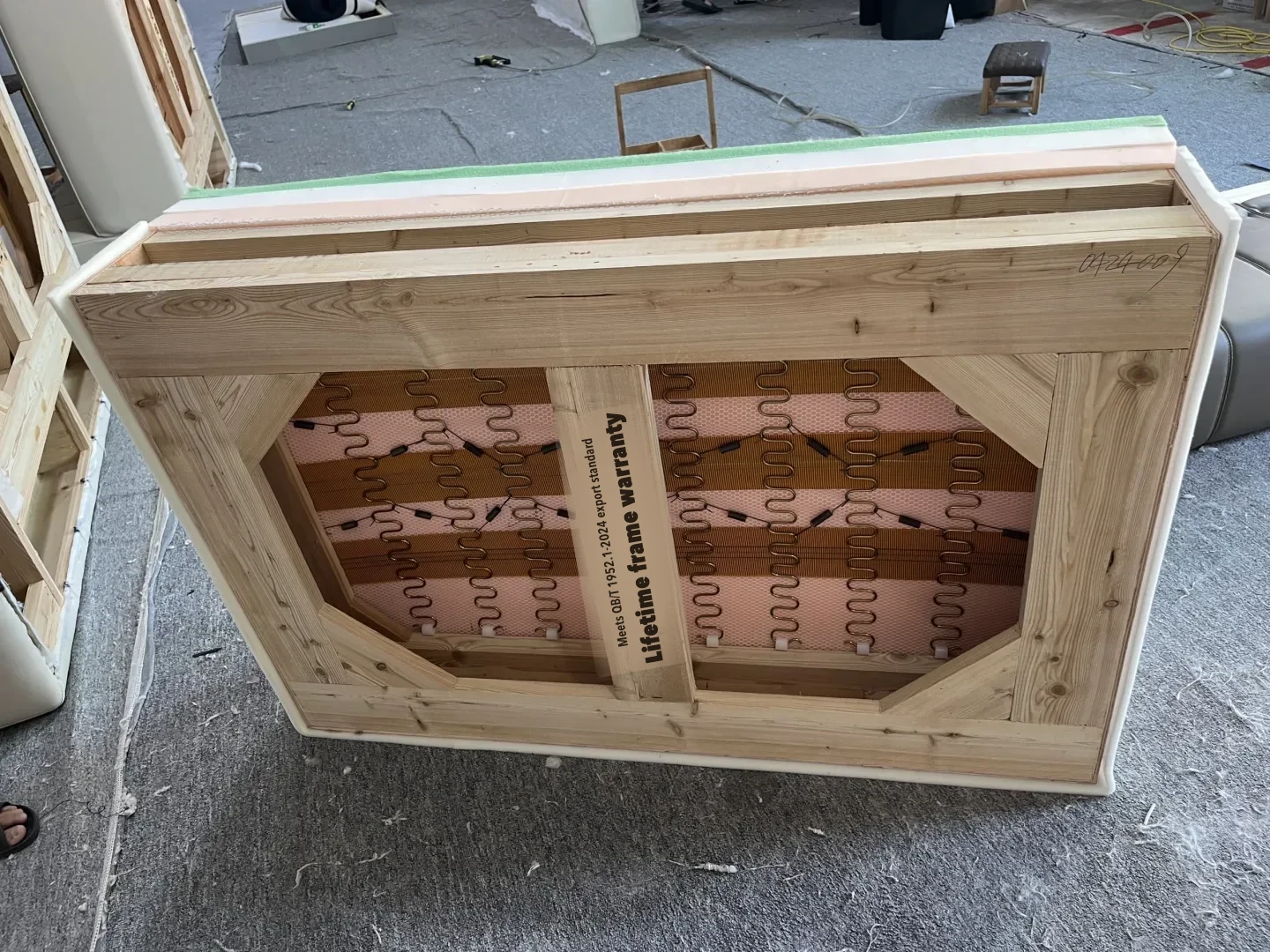
- Frame: the maker describes frames of imported larch with multi-layer plywood. Ask to see a bare frame and the timber stock.
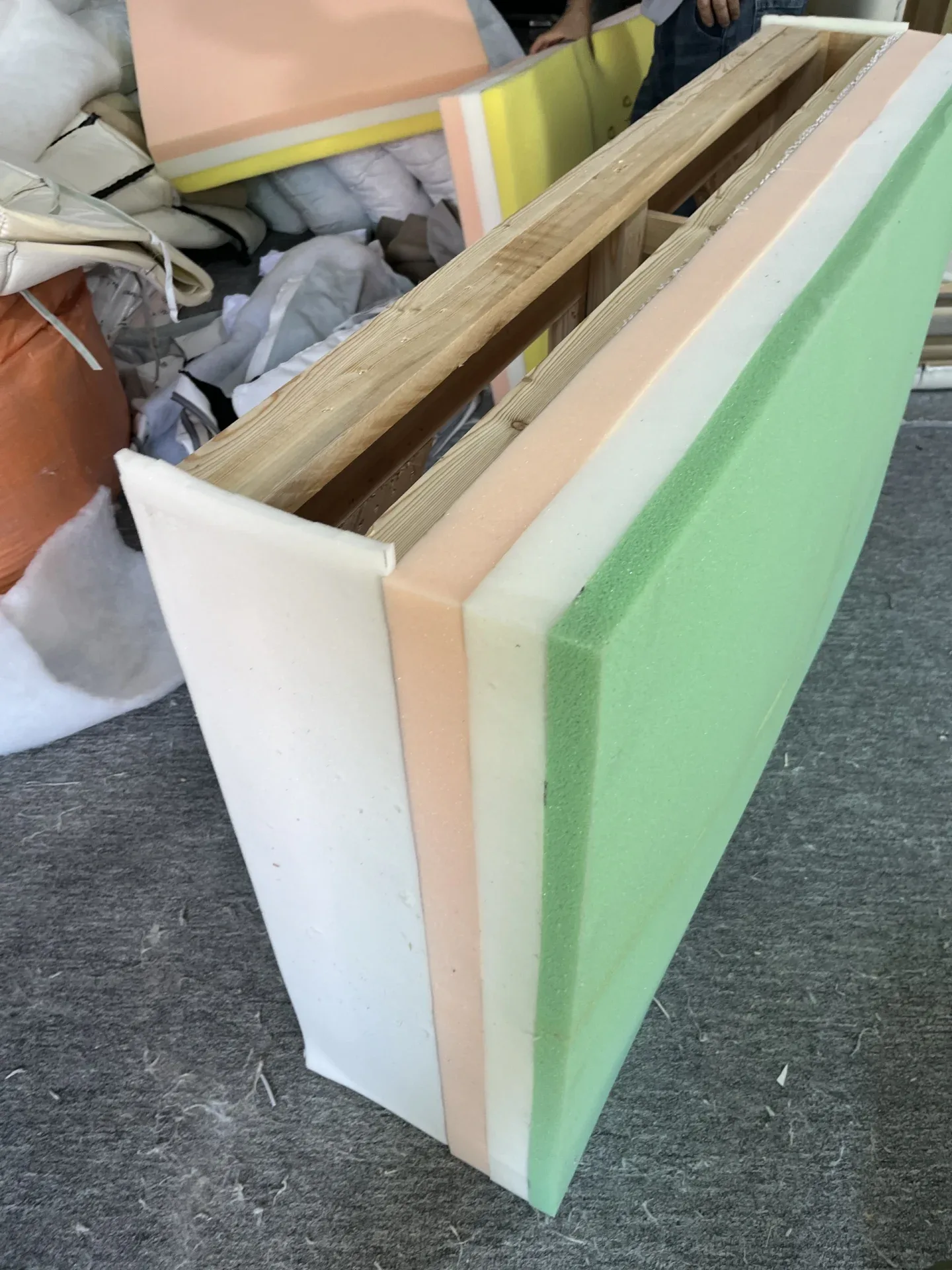
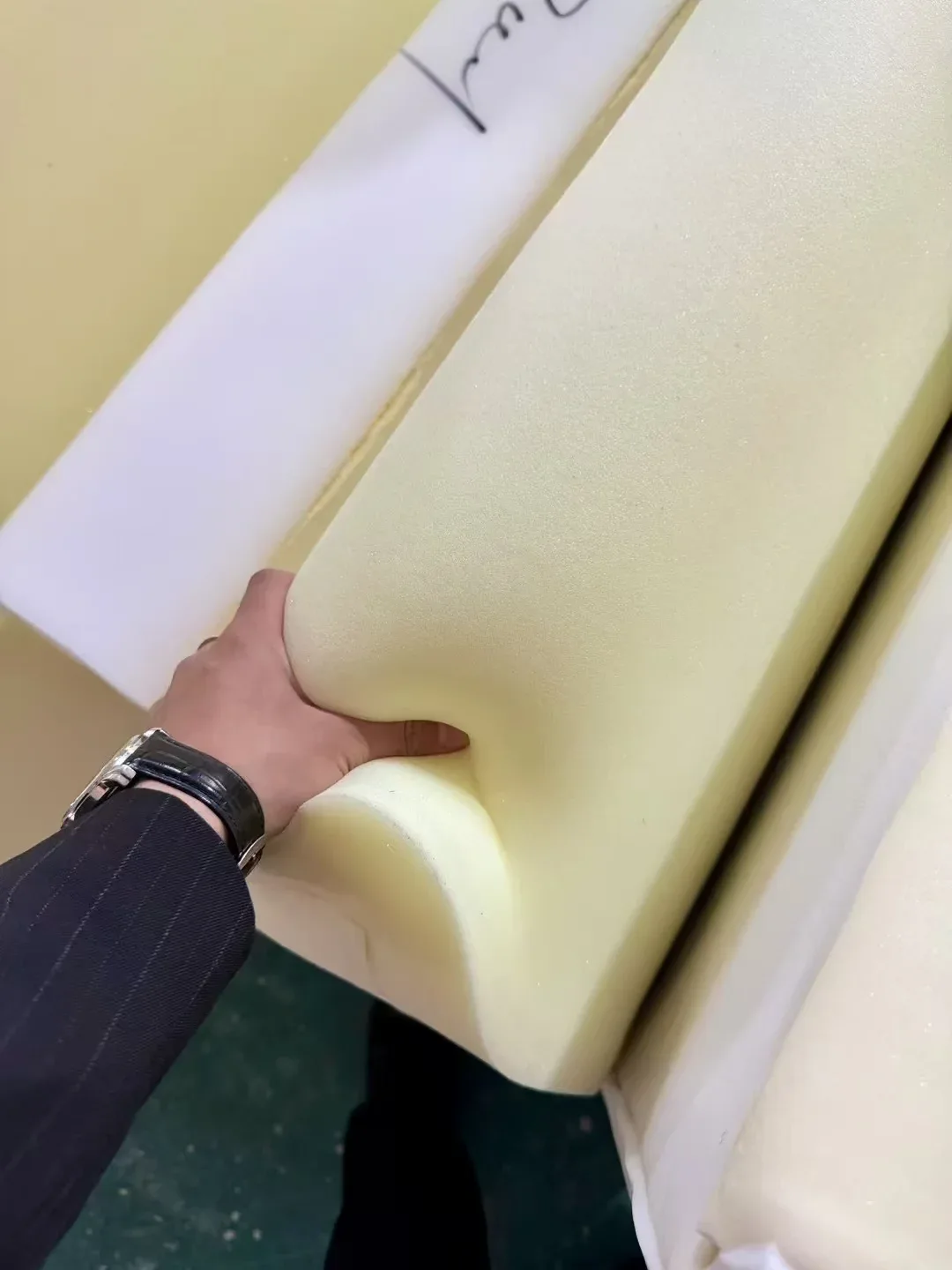
- Foam: foam of different densities is cut to shape and glued in layers. Ask for the density labels.
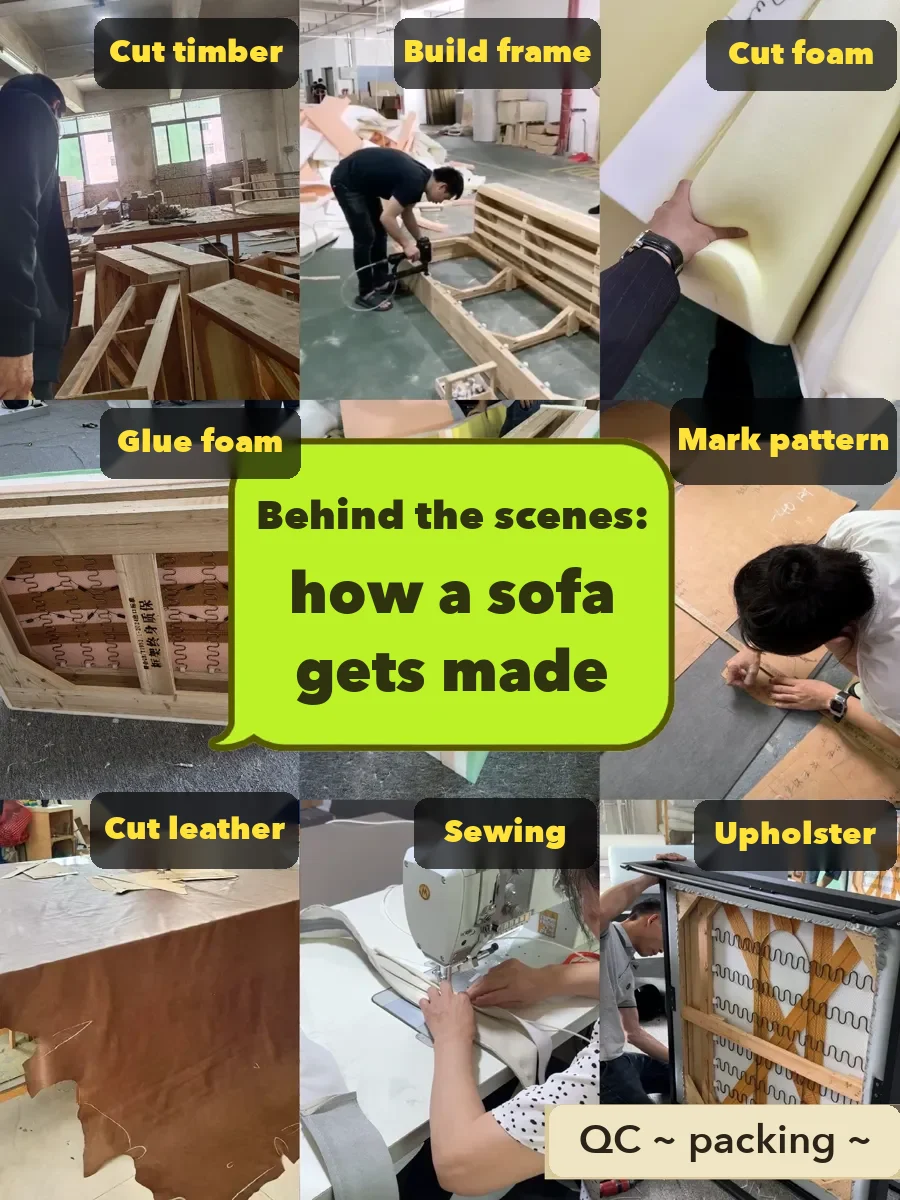
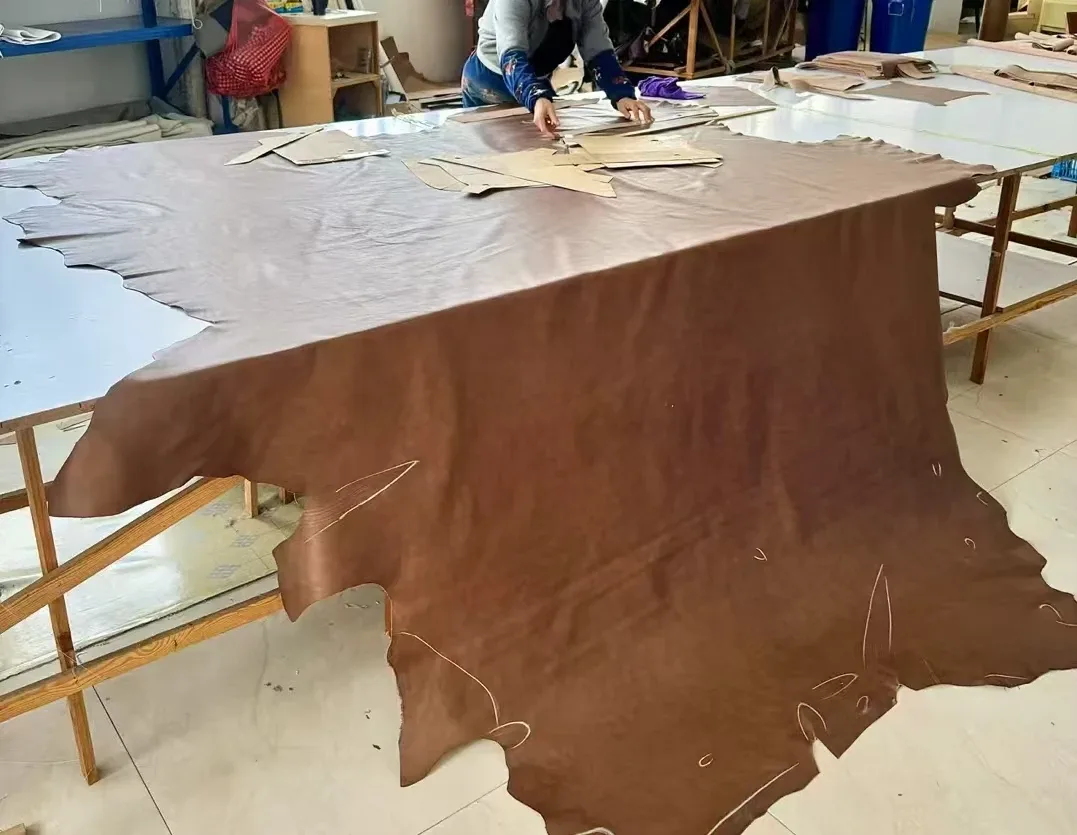
- Cutting: leather hides are cut to templates, avoiding rough areas. Ask how many hides your sofa needs.
- Sewing: the maker stresses tight, even stitching with no broken threads. Ask for a close-up of a seam.
- Upholstery: fitting the cover to the frame decides whether the shape is true. Ask to see a finished piece from the side and back.
- QC and packing: the maker checks for stains, seat feel and frame noises, then photographs the sofa for the client before packing.
Two practical rules: ask for the company sign or business licence on camera at the start, and record the call. A pre-recorded video is marketing; a live one lets you ask the worker to lift a cushion.
Remote furniture sourcing rarely fails because a video is worse than your own eyes. It fails because buyers approve too early and too loosely. A video call is evidence only if you decided beforehand what you needed to see. Write the checklist before the call, and treat anything you did not see as not yet approved.
Which samples should you ask for when sourcing furniture remotely?
Ask for swatches of every visible material, and for custom pieces, a pre-production sample or first-off piece you approve on video or in person.
- Swatches: fabric, leather, wood finish, metal finish and stone, labelled with the supplier’s code and kept as the reference for inspection.
- Foam and filling: a cut sample or at least the density figure in writing.
- First-off piece: for anything custom, the first unit made to your drawing, measured on camera before the batch starts.
A panel-furniture factory in Nankang shows why the approval matters. In the comments, the factory itself noted that some pieces in its video had detail issues because they were fresh prototypes. That is honest — and it is exactly why a prototype is a starting point, not the standard. The standard is the sample you sign off. When the same factory was asked whether its products met export standards, it replied that they had been tested; a remote buyer should ask for the test report for their own market.
What does the comment section add?
The comments under the two factory posts are few, but they show what remote buyers ask — and what they are told.
- “Does it meet export standards?” Two readers asked; the factory’s answer was a single line saying the products had been tested. Ask which test, for which market, and for the report.
- Prototype, not production. The factory itself pointed out that some pieces had detail issues because they were freshly made prototypes, and invited custom drawings.
- Catalogues first. Most readers simply asked for a product catalogue. A catalogue shows the range; photos of your specification being made show the product.
How do approvals work when you are not in Foshan?
Break the order into six approval points and do not let production move past one until you have signed it off.
| Stage | What you receive | What you approve |
|---|---|---|
| 1. Options | Two or three suppliers per item, each quote against one spec | Supplier and price |
| 2. Specification | Drawing, dimensions, materials, swatch codes | The signed spec |
| 3. Sample or first-off | Photos, video, measurements | The reference piece |
| 4. Production | Weekly photos and video | Frame and finish before upholstery or lacquer |
| 5. Inspection | Photo and video report against the spec | Release of the balance |
| 6. Loading | Packing and loading photos | Shipment |
Stage 1 is where remote buyers gain the most, because comparing quotes against one sheet is easier from a desk than in a showroom — see what a good sourcing report looks like. For a whole house the same gates run in parallel across many suppliers, which is how our one-container whole-home projects are managed.
What can a video call not tell you about furniture?
Comfort, smell and true colour — so cover those with samples, measurements and, if the budget justifies it, one short visit. Screens shift colours, especially warm woods and neutral fabrics, so judge swatches in daylight at home. Seat comfort depends on seat height, depth, foam density and back angle; ask for those measurements and compare them with a sofa you already like. Odour from glues and finishes cannot travel down a video link, so ask about the materials used and air the goods on arrival.
For larger projects, a practical pattern is to run everything remotely and spend a day or two in Foshan at the sample stage. If that suits you, plan a Foshan visit around your approval dates rather than at the start.
How Source Foshan handles it
You do not need to come to Foshan. For each item we send two or three options with each supplier’s quote against one written specification, then the signed-off spec, weekly production photos and video, a photo and video inspection report and loading photos. Deposits go to the supplier’s company account, and the balance is released only after you approve the report. When a live walk-through would help, we arrange it with the workshop making your piece. If you do want to come, a guided day costs USD 150, or USD 250 with a car, with the route agreed beforehand.
If you want to buy from home without running approvals yourself, we recommend Arcaya Living: pieces sourced to confirmed specifications, a three-minute style quiz to narrow the range, and inspection, packing and loading photos on project orders.
FAQ
Can I buy furniture from China without visiting?
Yes. Use a live video walk-through, physical swatches or samples, and written approvals at each stage, with the balance paid only after an inspection report.
How do I do a virtual factory tour of a furniture factory?
Ask for a live call, start at the company sign or licence, and ask to see the production line for your item — frames, foam, sewing and upholstery for a sofa. Record the call and ask specific questions.
What samples should I request from a Chinese furniture supplier?
Swatches of every visible material, foam density in writing, and for custom work a first-off piece you approve before the batch starts. Keep them as the reference for inspection.
How do I check furniture quality remotely?
Tie each stage to a photo or video you approve, and have every item inspected against the signed specification before you pay the balance.
When is it worth flying to Foshan?
For large projects or when comfort and finish are critical. A practical pattern is to run the order remotely and visit once, at the sample stage.
Keep reading
Sources
- Xiaohongshu maker/seller source note (2025-04-02, 66 likes, 3 comments). View source
- Xiaohongshu maker/seller source note (2025-06-17, 21 likes, 14 comments). View source
Sourcing from home?
Send your list and your deadline. We reply with the approval points we would set for your order and what you will receive at each one.