Guide · Shipping & consolidation
Furniture shipping insurance: damage in transit, claims and how to prevent it
Furniture shipping insurance: what cargo cover pays for, what it excludes (poor packing, mould), how to claim, and 3 buyers' damage cases from 2025–26.
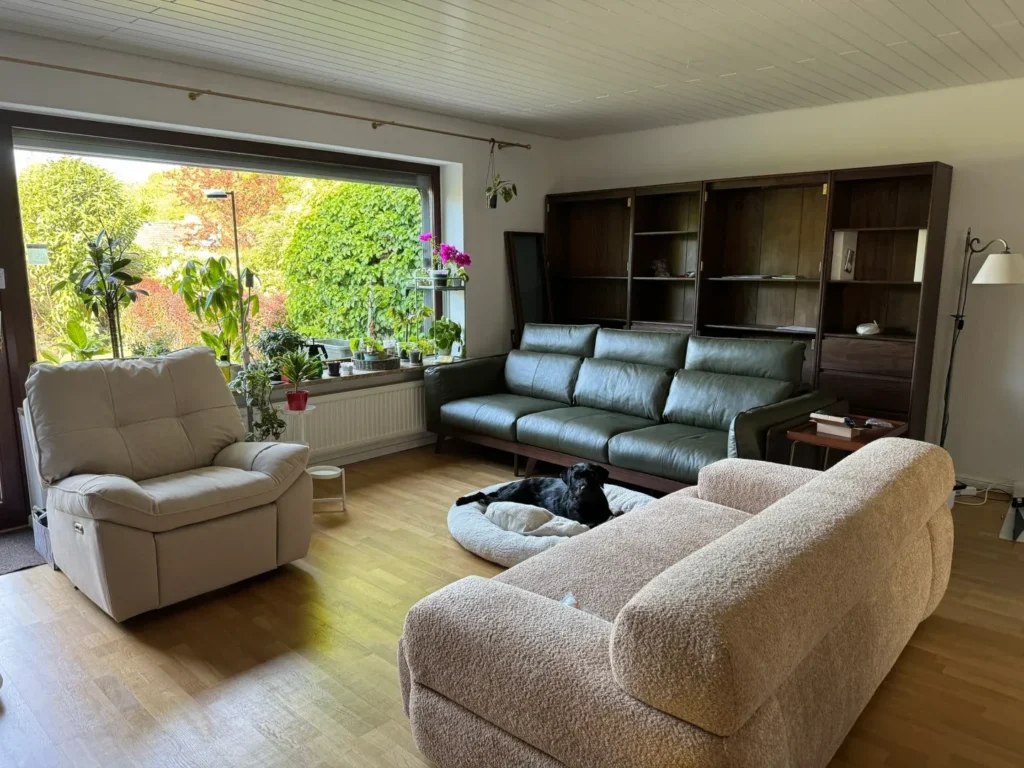
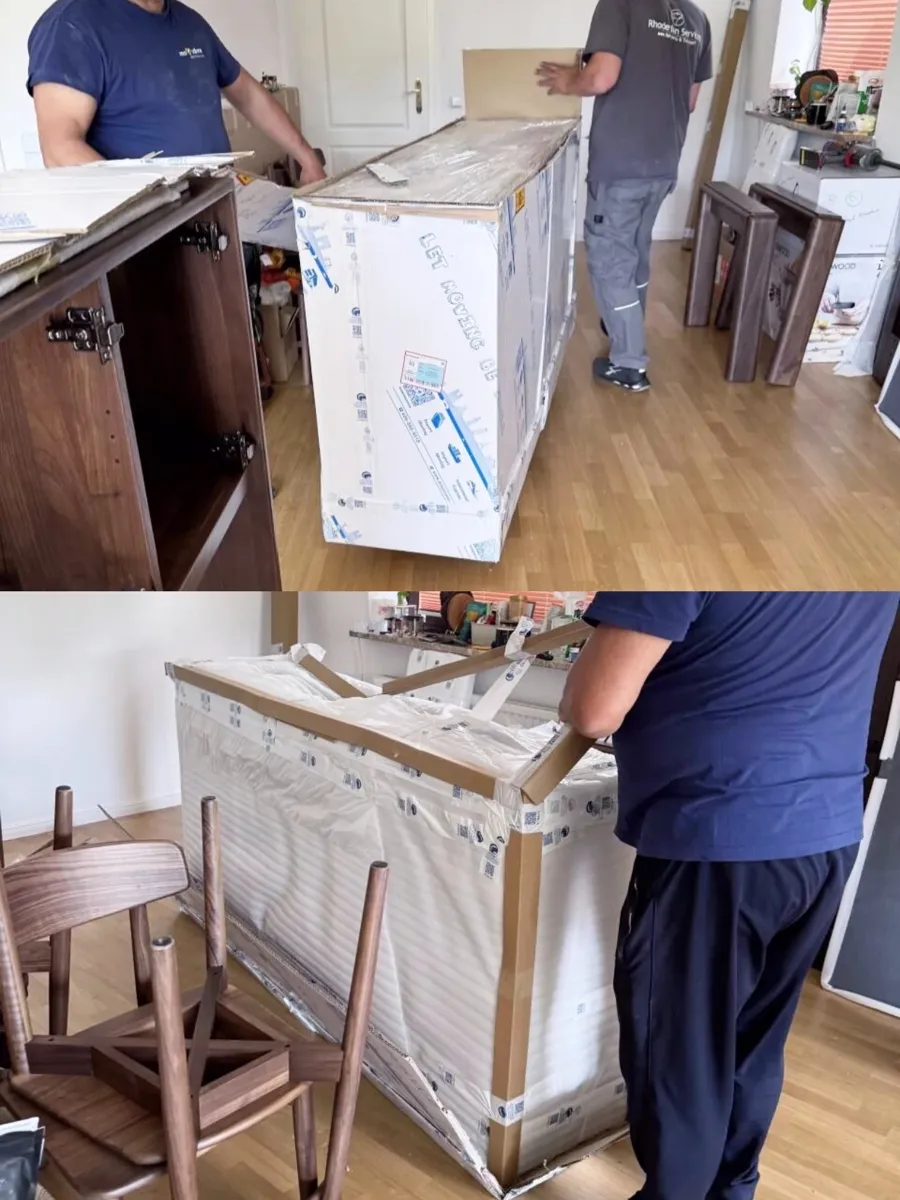
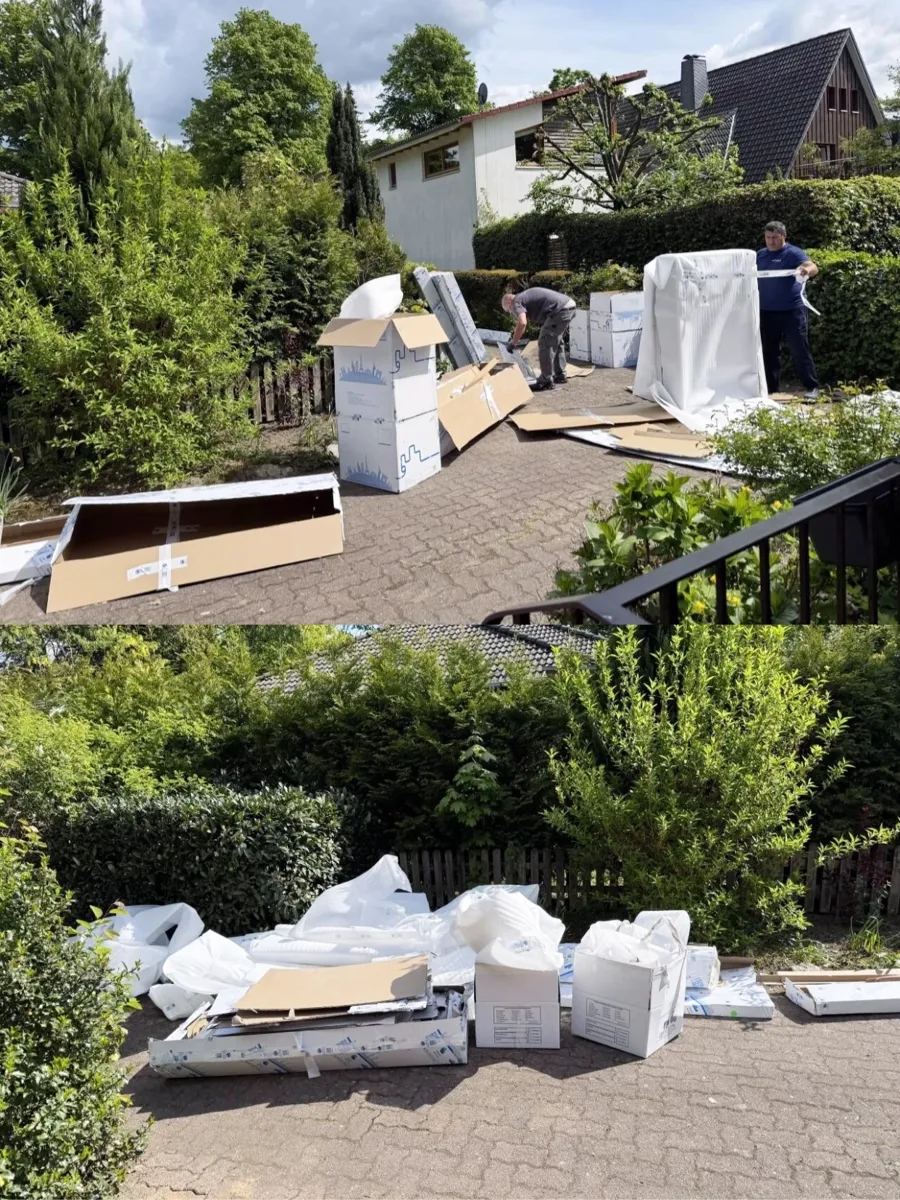
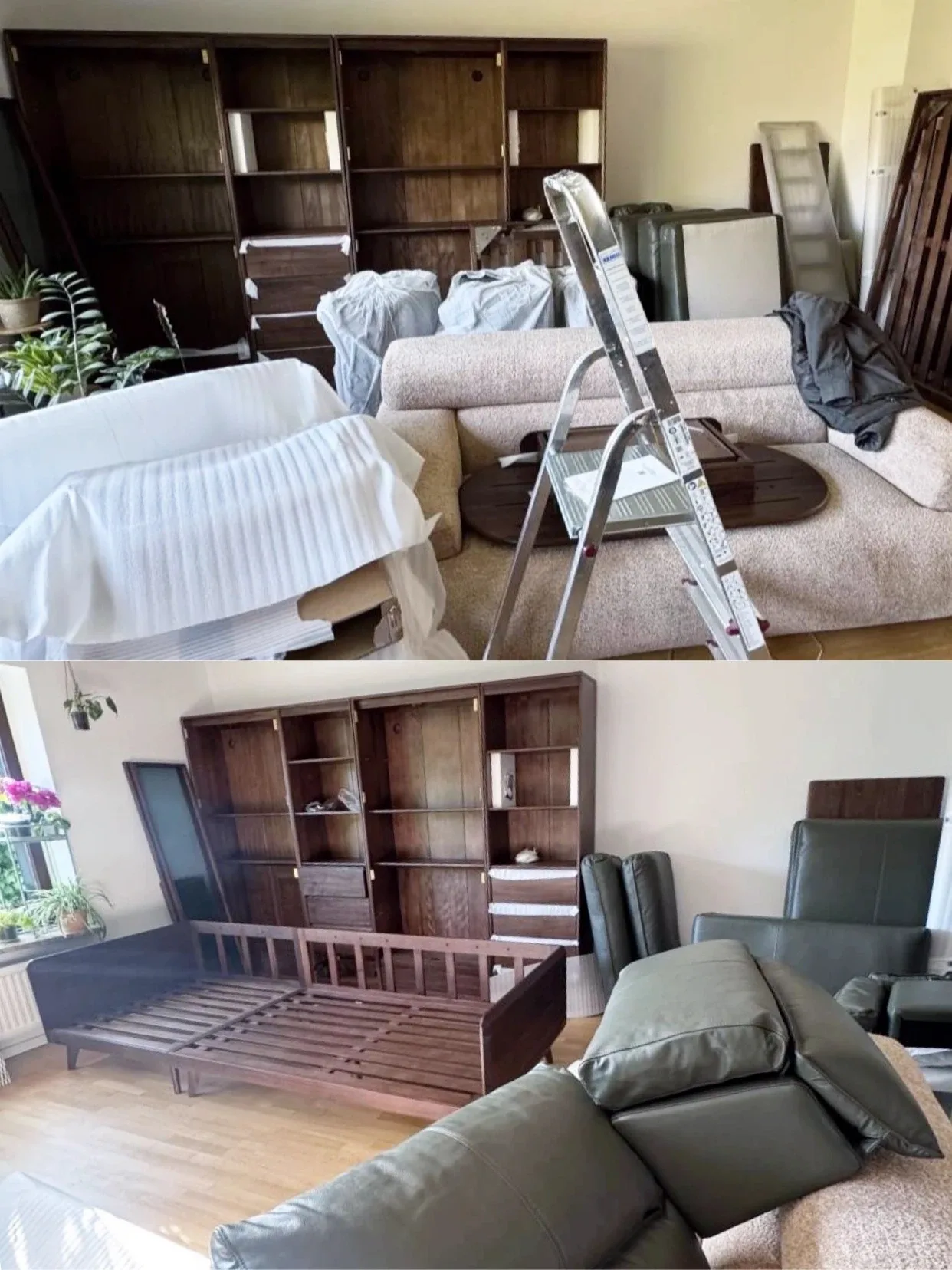
- A German buyer’s 40-piece whole-home shipment in 2025 arrived with one chair leg broken in handling, which she expected insurance to cover; a cracked table leg had been caught earlier at the warehouse.
- A Perth buyer who paid about RMB 2,000 for re-crating and insurance found almost everything but the dining chairs damaged; half a year later the costs were split between forwarder and maker.
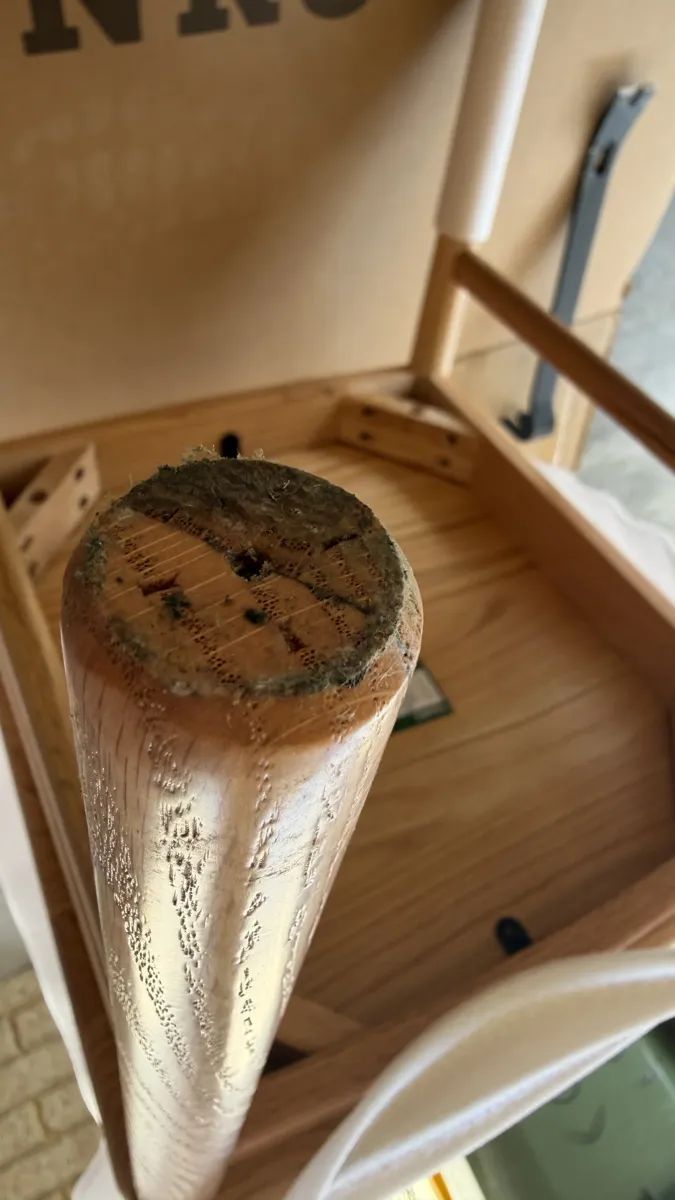
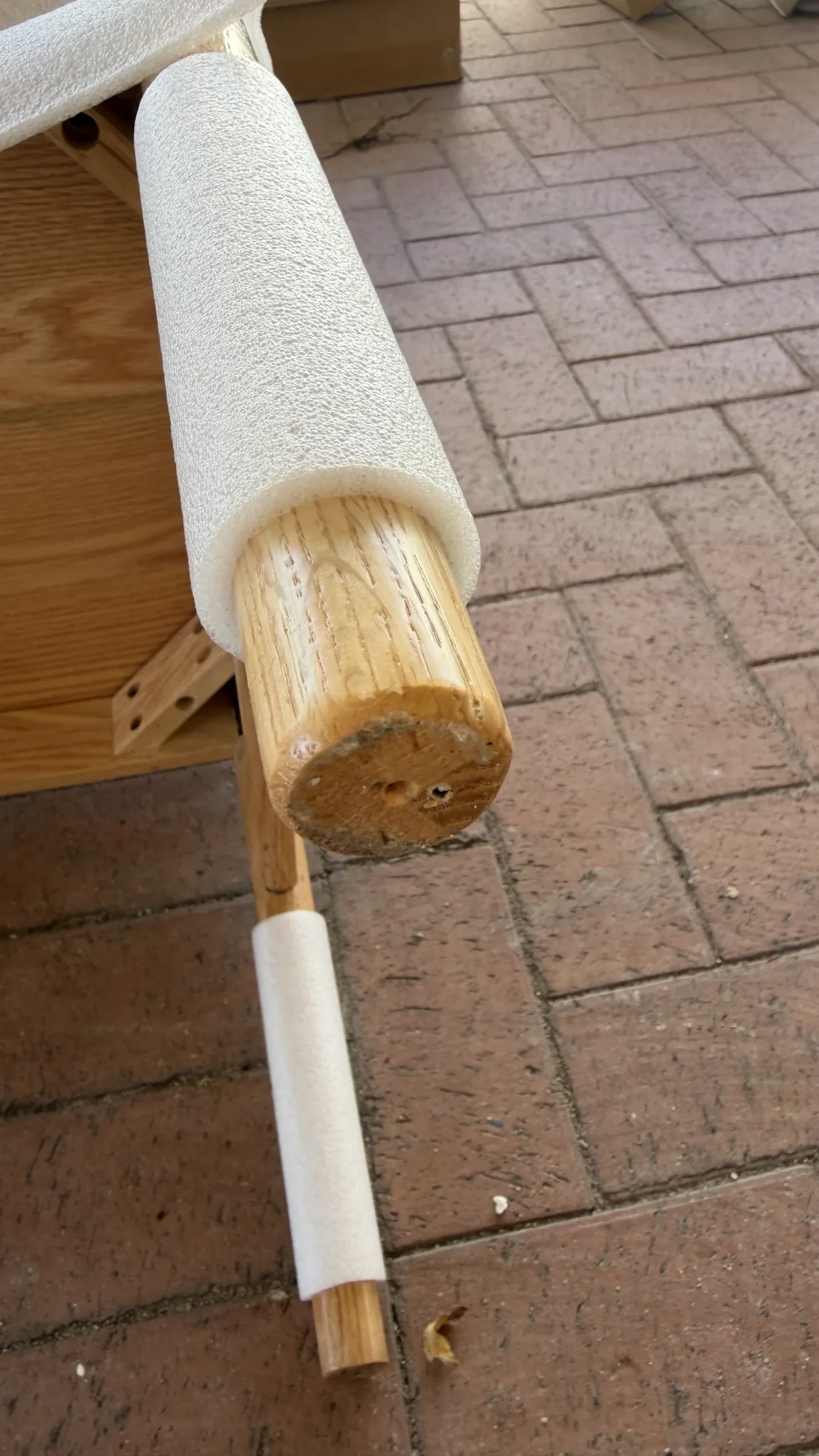
- Another Perth buyer’s chairs arrived in 2026 with mould on the legs and joints; the forwarder and the maker each said it was the other’s problem.
- Carrier liability without cargo insurance is limited by convention to a small amount per package or kilo — far below the value of most furniture.
Buy cargo insurance for any furniture shipment you could not afford to lose: without it, a carrier’s liability for damage is limited by international conventions to a small sum per package or kilo. All-risks cover usually pays for breakage and handling damage, but not for poor packing, pre-existing defects or moisture from the goods themselves — so insurance works only alongside inspection and good packing. If damage happens, photograph everything before unpacking, note it on the delivery receipt and notify the insurer and forwarder within days.
Do you need insurance when shipping furniture from China?
Yes, for anything beyond a few low-value pieces — the carrier’s own liability is capped far below what furniture is worth. Under the conventions that govern sea freight, a carrier that damages cargo is liable only up to a limited amount per package or per kilo, and only if you can show the damage happened in its care. Forwarder adverts that promise compensation for loss usually cap it too; read the terms.
Cargo insurance fills the gap. It is normally priced as a percentage of the insured value, and the convention is to insure the goods’ value plus freight plus a margin. Ask your forwarder or an insurer for cover on an all-risks basis, and get the policy wording before loading, not after. The complete guide to shipping furniture from China shows where insurance fits in the overall cost.
What does cargo insurance for furniture cover — and not cover?
All-risks cover pays for sudden physical loss or damage in transit; it does not pay for poor packing, defects that were already there, or damage caused by the goods themselves.
| Usually covered (all-risks) | Usually excluded |
|---|---|
| Breakage and crushing in handling | Insufficient or unsuitable packing |
| Water damage from a leaking container or heavy weather | Pre-existing defects and manufacturing faults |
| Theft and non-delivery | “Inherent vice” — e.g. mould from damp timber packed at the factory |
| Your share of general average if the ship declares it | Delay, and loss of use while you wait |
General average matters more than buyers expect: if a vessel suffers a major incident, every cargo owner contributes to the cost, and uninsured cargo can be held until a guarantee is paid. Exact terms vary by policy — ask for the wording and confirm with your insurer.
Insurance is sold as protection against the sea; for furniture it is mostly protection against the forklift. The best claim is the one you never make, and the second best is one backed by photos proving the piece left China intact — because without that evidence, every party in the chain can plausibly blame another. Pay for inspection first, packing second and insurance third, and do not skip any of them.
Where does furniture actually get damaged in transit?
At the ends of the journey — loading, unloading and last-mile handling — far more often than at sea. Three buyer accounts in our research show the pattern:
| Buyer | What happened | Outcome |
|---|---|---|
| Germany, 2025 — about 40 pieces, loaded 28 Feb, delivered 7 May | Warehouse found a cracked table leg before shipping; one chair leg broke during unloading | Maker replaced the table; she expected insurance to pay for the chair |
| Perth, early 2026 — everything re-crated at extra cost | Almost every piece except the dining chairs damaged | Six months later: forwarder paid to remake a table leg, TV unit cost split with the maker, maker sent a new coffee table |
| Perth, mid-2026 — shipped after a June sale | Bench arrived scuffed with torn packing the maker said was crated; a later batch of chairs mouldy at the legs and joints | Forwarder and maker each blamed the other; the maker sent sandpaper and wax oil |
The German buyer draws a useful lesson from her own delivery: beds, sofas and cabinets came through untouched, while chairs — light and awkward — are the pieces most easily dropped. LCL cargo is handled more often than a full container; see LCL vs FCL for furniture.
What does the comment section add?
The comment threads under the two Perth posts — more than 400 comments between them — are full of practical detail.
- Same forwarder, different result. One Perth reader shipped more than 20 m³, glass cabinet doors included, with the same forwarder and had no damage.
- Mould is common on humid routes. A reader who shipped from Shenzhen to Taiwan found mould under thickly framed solid-wood furniture after two rainy months and a long wait at the port; the author concluded she should have had it film-wrapped.
- Checks cost extra. Asked how to avoid her experience, the author suggested using a forwarder that opens, checks and re-packs in China — adding that those she asked charged considerably more.
- Warranty pulls some buyers home. Several readers said they would now buy large pieces locally, for the warranty and the peace of mind.
How do you make a damaged furniture shipping claim?
Record the damage before you unpack, note it on the delivery receipt, and notify the insurer and forwarder immediately — notice periods are short.
- At delivery: photograph crates and cartons before opening; write “received damaged” with details on the delivery note rather than signing it clean.
- Unpack on camera: video the opening of damaged packages and keep all packing material.
- Notify in writing: tell the forwarder and the insurer within the time the policy sets — often days, not weeks.
- Allow a survey: the insurer may send a surveyor; do not repair or dispose of the item first.
- Submit the file: commercial invoice, packing list, bill of lading, policy, photos, repair or replacement quotes.
The pre-shipment inspection report is the most useful document in any claim, because it proves the piece was sound when it was packed. Without it, the Perth buyers’ experience is typical: the maker blames the carrier and the carrier blames the maker.
How do you prevent damage and mould in the first place?
Inspect and photograph before packing, pack for the sea, plan the load, and keep moisture out. The German buyer’s forwarder opened every package at the warehouse, which is how the cracked table leg was caught and replaced before shipping; glass and sintered-stone pieces were crated separately. Mould is a moisture problem: timber packed with high moisture content, wet cartons or long storage at humid ports. Ask for kiln-dried timber and cured finishes, add desiccants, and consider film wrapping inside crates on humid routes. For load planning, see how much furniture fits in a container; our shipping and consolidation service describes how we check and re-pack in Foshan.
How Source Foshan handles it
We try to make claims unnecessary. Every item is inspected in our Foshan consolidation warehouse against the confirmed specification and recorded in photos and video before it is re-packed to export standard and labelled by room; you release the balance only after approving that report, which also serves as the record that each piece left China intact. Loading is photographed. We then coordinate export documents, customs and door-to-door delivery.
If you want a documented chain from material confirmation to export packing, we recommend Arcaya Living: its five-stage quality process includes inspection, packing and loading photos for project orders, and its delivery service ends with installation and packaging removed.
FAQ
Do I need insurance to ship furniture from China?
For anything of real value, yes. Carrier liability is capped by international conventions at a small amount per package or kilo, and forwarder guarantees are usually capped too.
What does cargo insurance not cover for furniture?
Typically poor packing, manufacturing defects, damage caused by the goods themselves such as mould from damp timber, and delay. Check the exclusions in your policy wording.
How do I claim for furniture damaged in shipping?
Photograph the packages before opening, note the damage on the delivery receipt, keep the packaging, and notify the forwarder and insurer in writing straight away. Supply the invoice, packing list, bill of lading, policy and photos.
Who is responsible when furniture arrives damaged?
It depends on where the damage happened. A pre-shipment inspection report proving the piece left intact is the best way to settle it; without one, makers and forwarders often blame each other.
Why did my furniture arrive mouldy?
Usually moisture: timber packed damp, wet cartons, or long storage in humid ports. Ask for kiln-dried timber, add desiccants and wrap pieces in film inside crates on humid routes.
Keep reading
Sources
- Xiaohongshu buyer source note (2025-05-13, 121 likes, 43 comments). View source
- Xiaohongshu buyer source note by @Momo (2026-07-20, 168 likes, 226 comments). View source
- Xiaohongshu buyer source note (2026-02-10, 126 likes, 204 comments). View source
Want proof your furniture left China intact?
Send your order. We inspect every item against its specification in Foshan, send photo and video reports before you pay the balance, and photograph the loading.