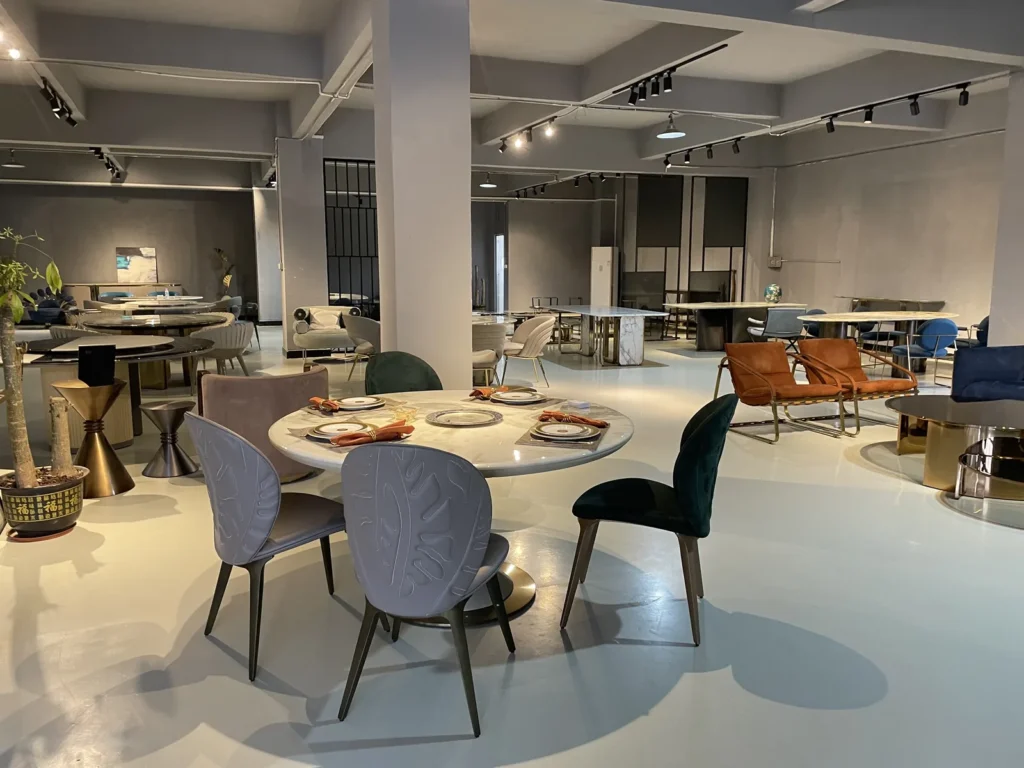
How can I tell whether a Foshan showroom is a factory or a dealer?
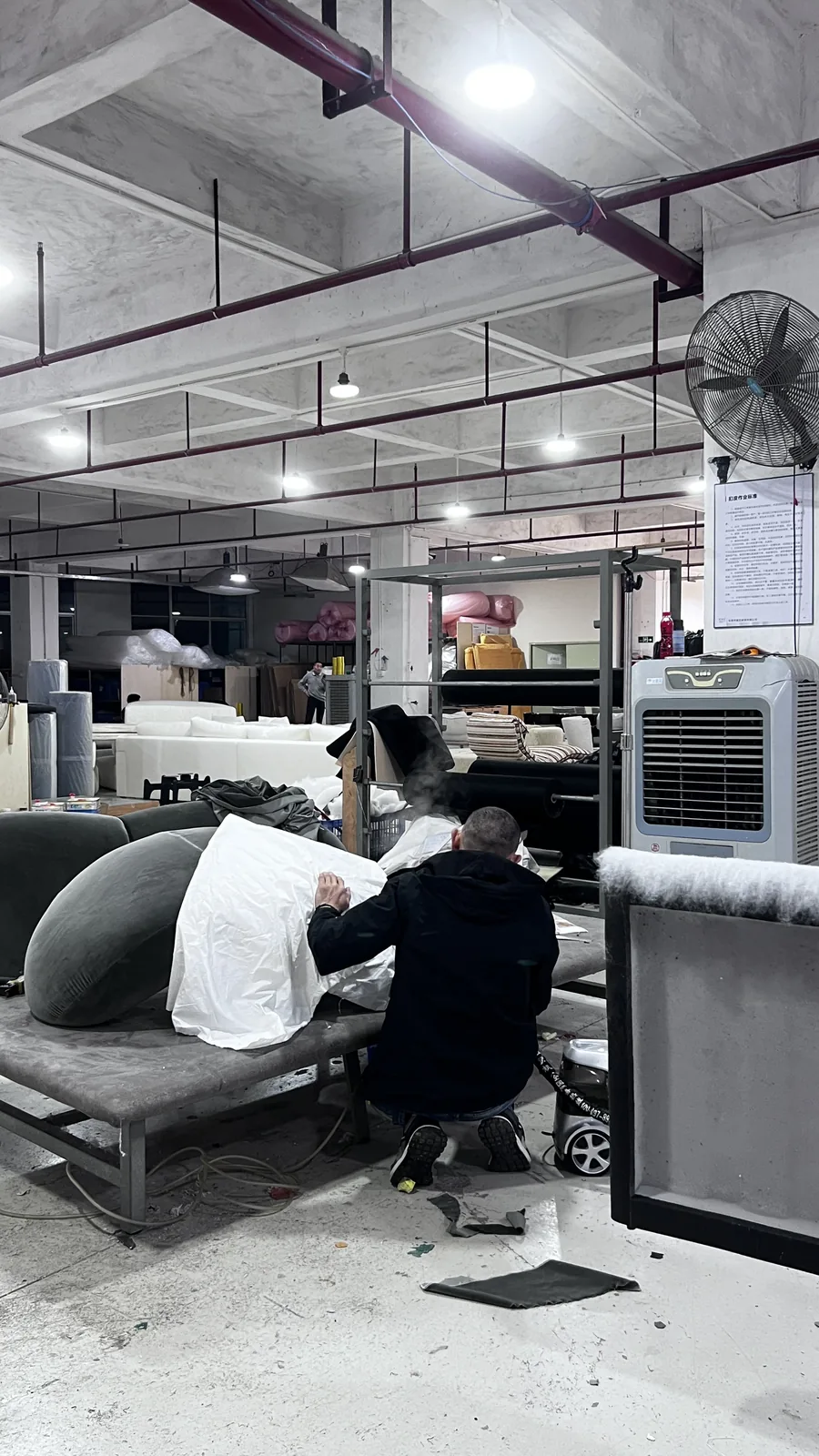
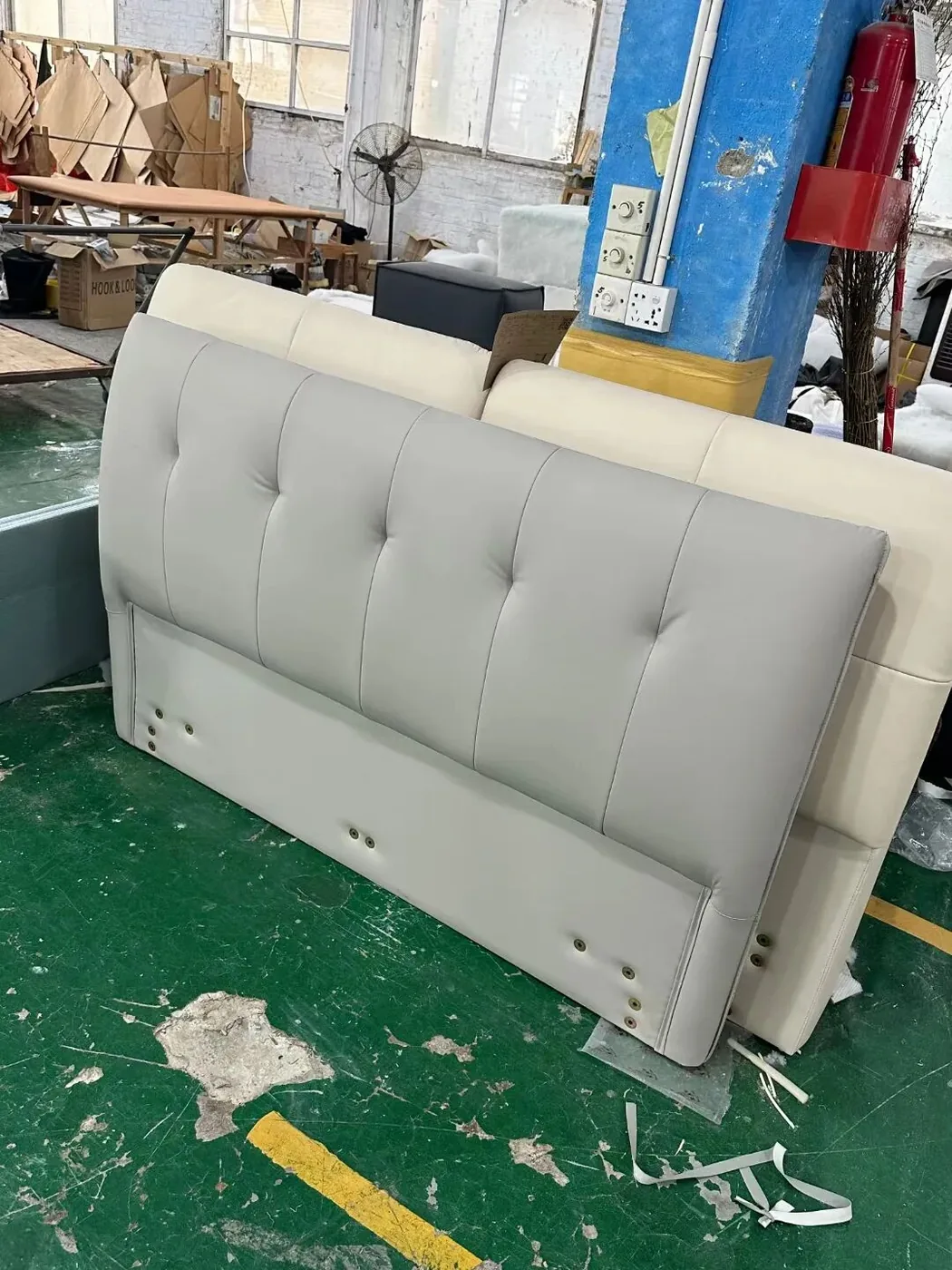
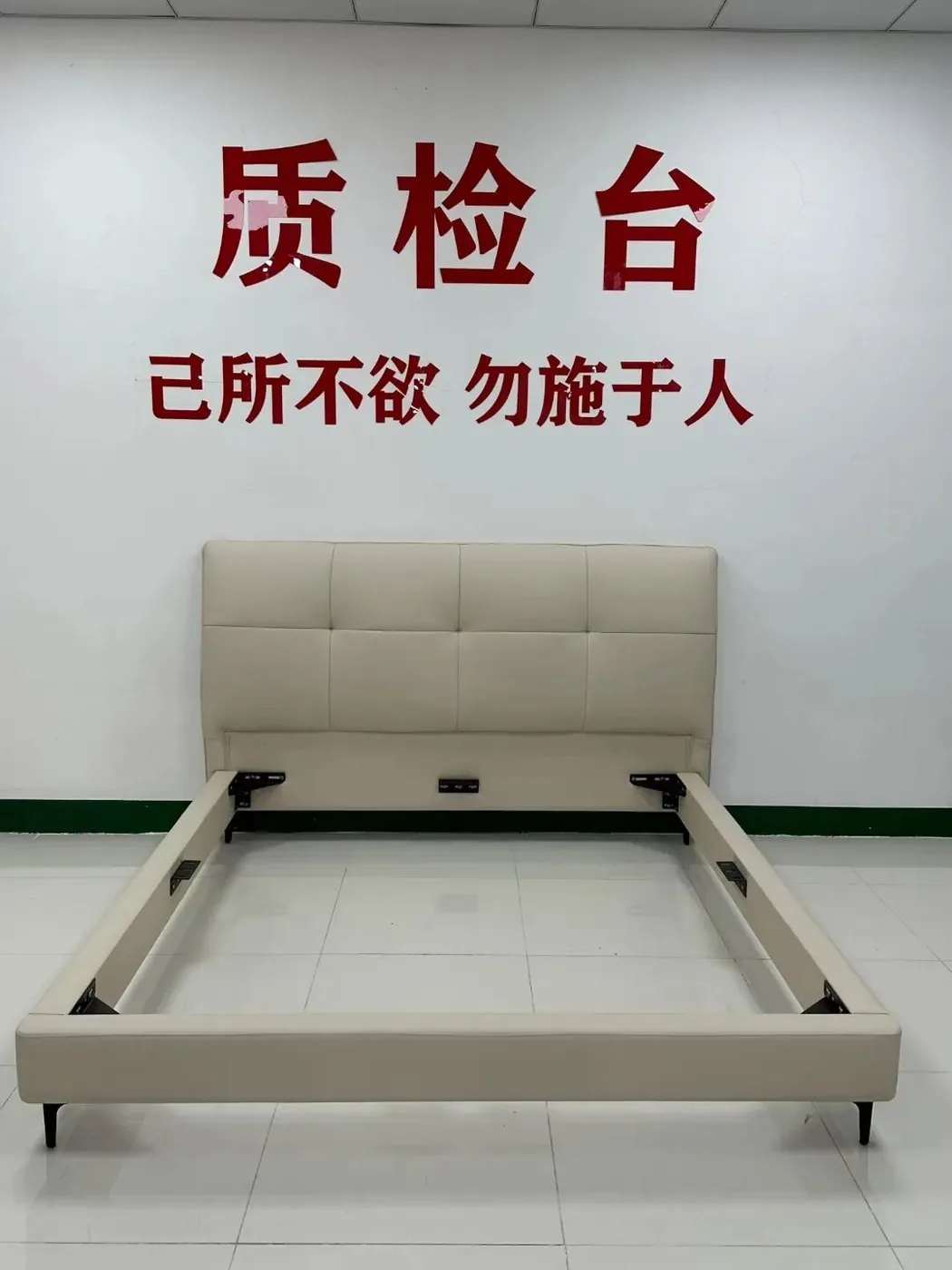
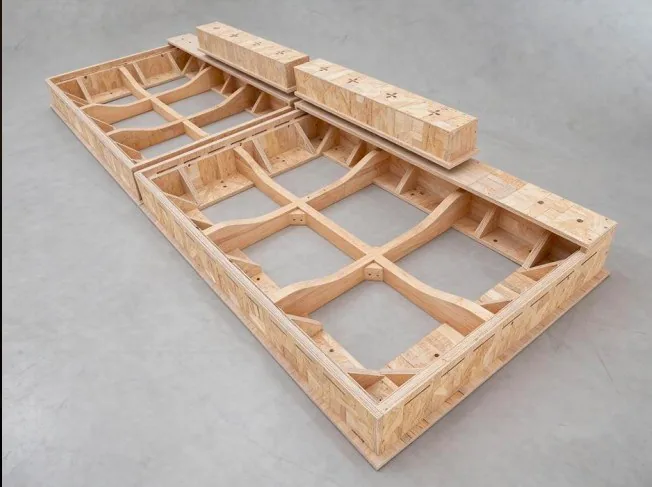
Ask directly whether it is factory-direct or a distributor, then ask to visit the production floor and the warehouse. A maker can show you frames, cutting and stock of its own models; a dealer can only show the showroom. Check the business licence: the registered name and address should be a Foshan manufacturing company, not a trading company.
What is the difference between full-grain, semi-aniline and embossed leather on a Chinese sofa?
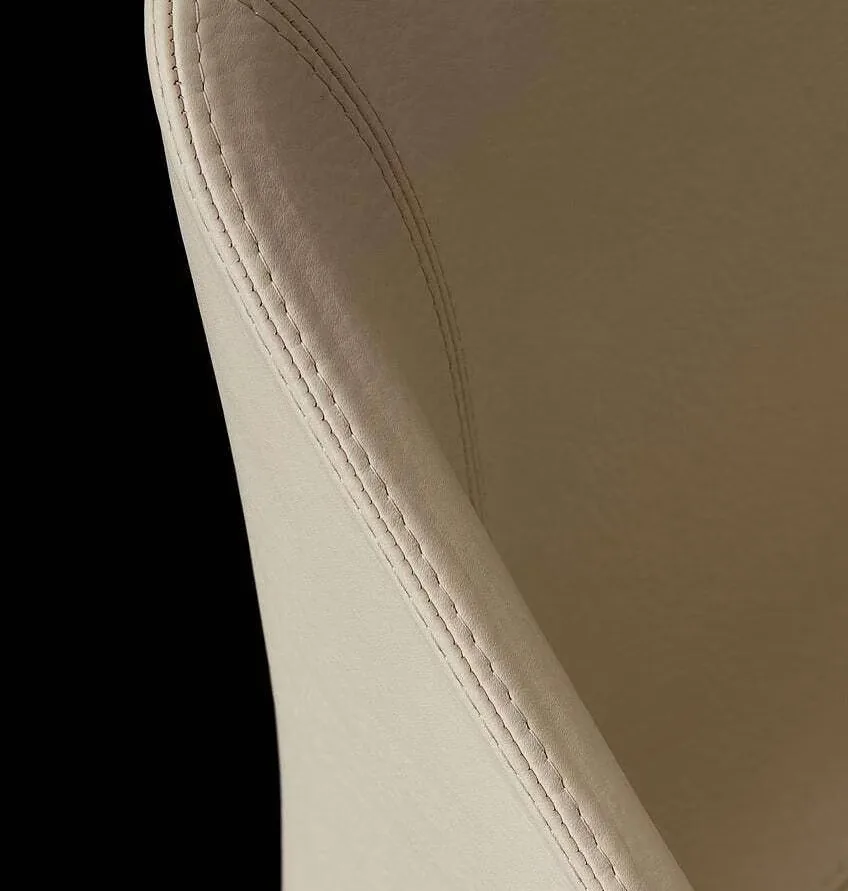
Full-grain (全青皮) is the uncorrected outer layer of the hide with the natural grain; semi-aniline (半青皮) is lightly corrected and coated; embossed split (压纹皮) is the lower layer with a printed grain. The price spread is roughly three to one. Ask which one, the thickness in millimetres, and whether it covers all surfaces or only the contact faces.
What fabric weight should a sofa cover have?
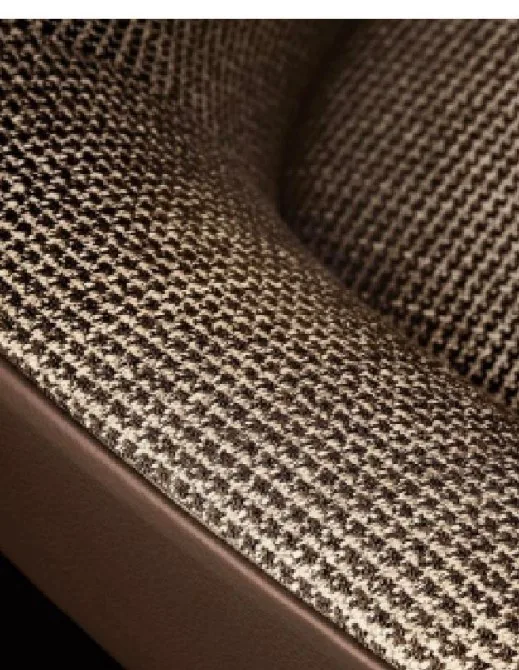
Around 600 g/m² and above is the usual threshold for a durable upholstery fabric; lighter cloths wear and pill sooner. Ask for the weight and the abrasion rating (Martindale) in writing, and test a swatch for stain resistance yourself rather than relying on a “waterproof” label.
What payment terms should I agree with a Foshan furniture factory?
Never pay in full up front, whatever the discount. Domestic buyers commonly use 50% deposit and 50% before dispatch. For export orders we recommend 30% on order and 70% after an inspection report and before loading, paid to a registered company account whose name matches the business licence.
What should a furniture contract with a Chinese supplier include?
Beyond the item list and price: a warranty (frame 10 years, cover and foam 5), who pays return freight for colour or size mismatch, a per-day delay penalty, the environmental standard with a test report, a cap on add-ons not requested by the buyer, and inspection free of defects before the balance is due.
Is it safe to order custom furniture from a small Foshan workshop?
Only if the workshop has already made pieces of similar construction and you approve a prototype before the batch. Proven models carry far less risk than a one-off design. For custom work we match the factory to what it already produces and sign off drawings and a sample first.