Explainer · Sourcing agents & services
International furniture sourcing explained: models, margins and where China fits
International furniture sourcing explained: six business models, where each takes its margin, and why China — Foshan above all — suits mixed, custom orders.
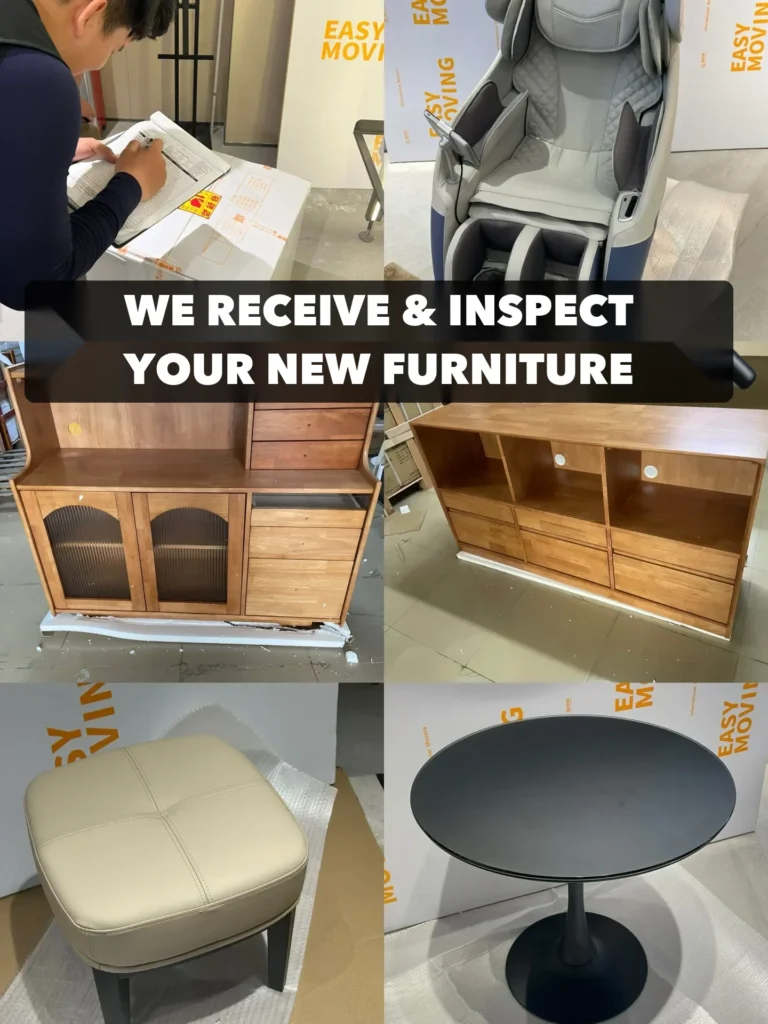
- Six models dominate global furniture sourcing; they differ less in price than in who is accountable when a piece arrives wrong.
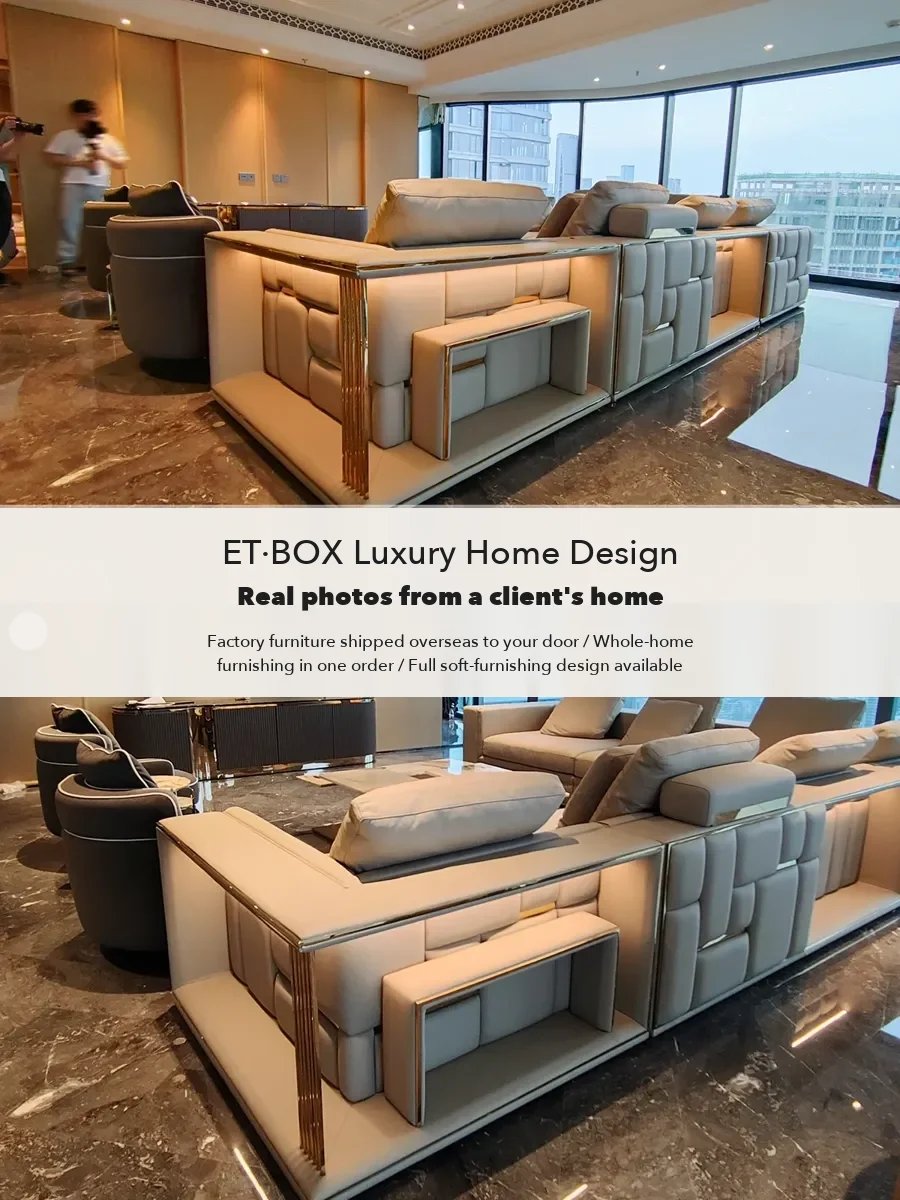
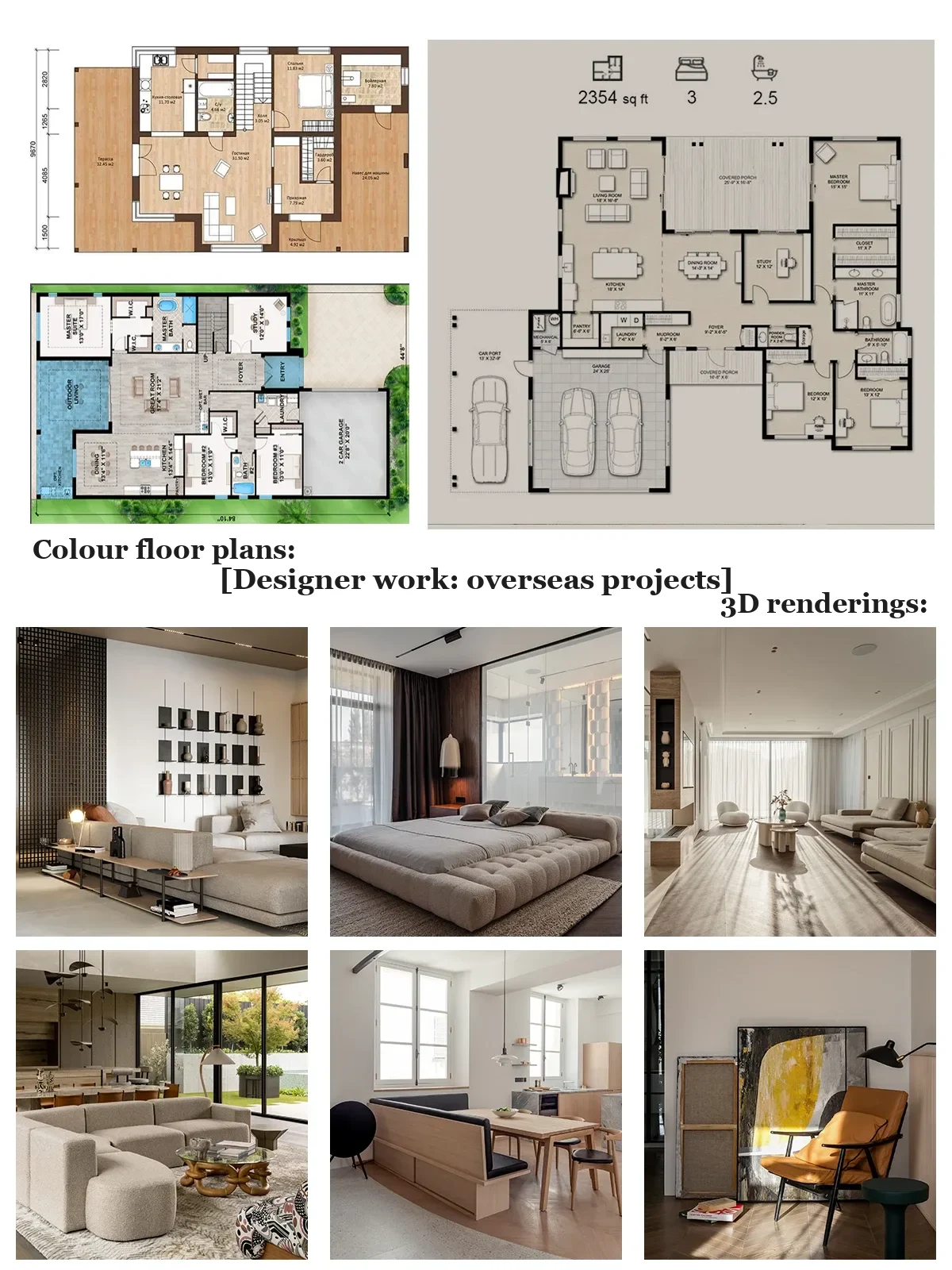
- A Chengdu design firm with its own factory markets a full overseas furnishing service and claims it can cut costs by 30% — a claim, not a benchmark.
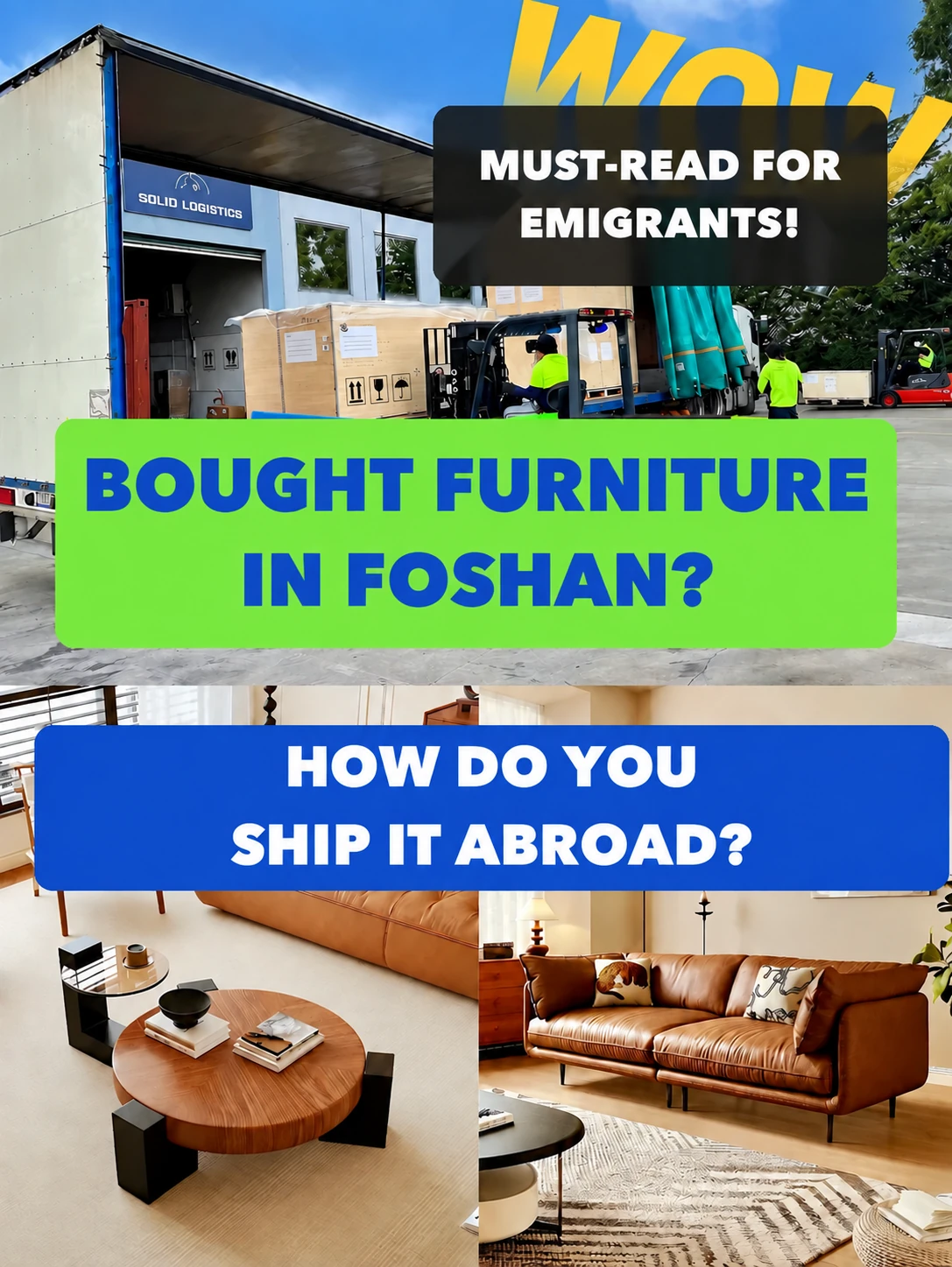
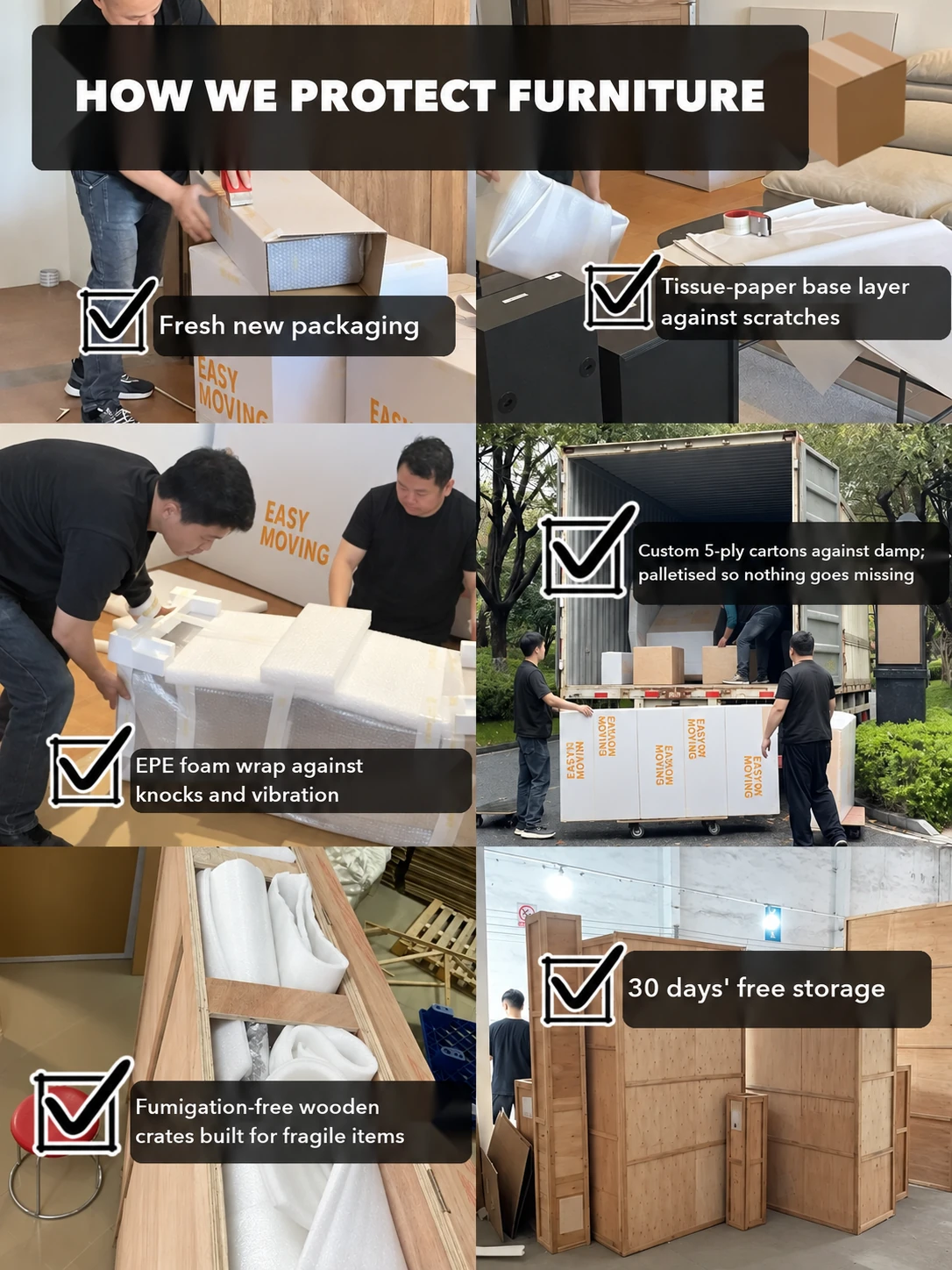
- A Guangdong forwarder that began in 2010 offers Foshan buyers 30 days’ free storage while goods from several shops arrive, then ships the lot together.
- Under that forwarder’s post, readers from Taiwan, the Netherlands, Toronto, Malaysia and the US asked for prices; every quote was sent privately.
- Foshan concentrates upholstery, casegoods, lighting and building materials within a short drive — the main reason mixed orders are sourced there.
International furniture sourcing means buying furniture from makers in another country and managing everything between their workshop and your door: specification, quality, payment, packing, freight and customs. It is done through six main models — your own buying office, a sourcing company or agent, a trading company, a factory that exports direct, an online marketplace, or a forwarder who only moves the goods. China fits best when an order is mixed, custom or large, because one region can supply upholstery, casegoods, lighting and materials together.
What is international furniture sourcing?
It is the work of buying furniture from makers abroad and taking responsibility for everything between their workshop and your door. Importers do it at scale; developers, hotel groups, designers and homeowners do it project by project. The product is only half of the job. The other half is the chain of handovers — factory to warehouse, warehouse to port, port to customs, customs to your room — and at each one someone has to check what arrived against what was ordered.
That is why the first decision is not which country to buy from but which business model will stand between you and the factory. Our complete guide to furniture sourcing agents in China covers the agent route in depth; this article places it among the alternatives.
What are the main global furniture sourcing models?
There are six, and most overseas buyers end up combining two of them — usually a seller and a shipper.
| Model | Who they work for | Where the margin sits | Best for |
|---|---|---|---|
| Own buying office | You | Salaries and overheads | Large, repeat volumes |
| Sourcing company or agent | You, if paid only by you | A disclosed fee or commission | Mixed, custom or project orders |
| Trading company | The sale | Inside the unit price | Convenience, one invoice |
| Factory exporting direct | Its own production | Inside the unit price | One category in volume |
| Online marketplace | The platform and its sellers | Seller price plus platform terms | Standard items, small tests |
| Forwarder or mover | The shipment | Freight, storage and handling charges | Moving goods you have already bought |
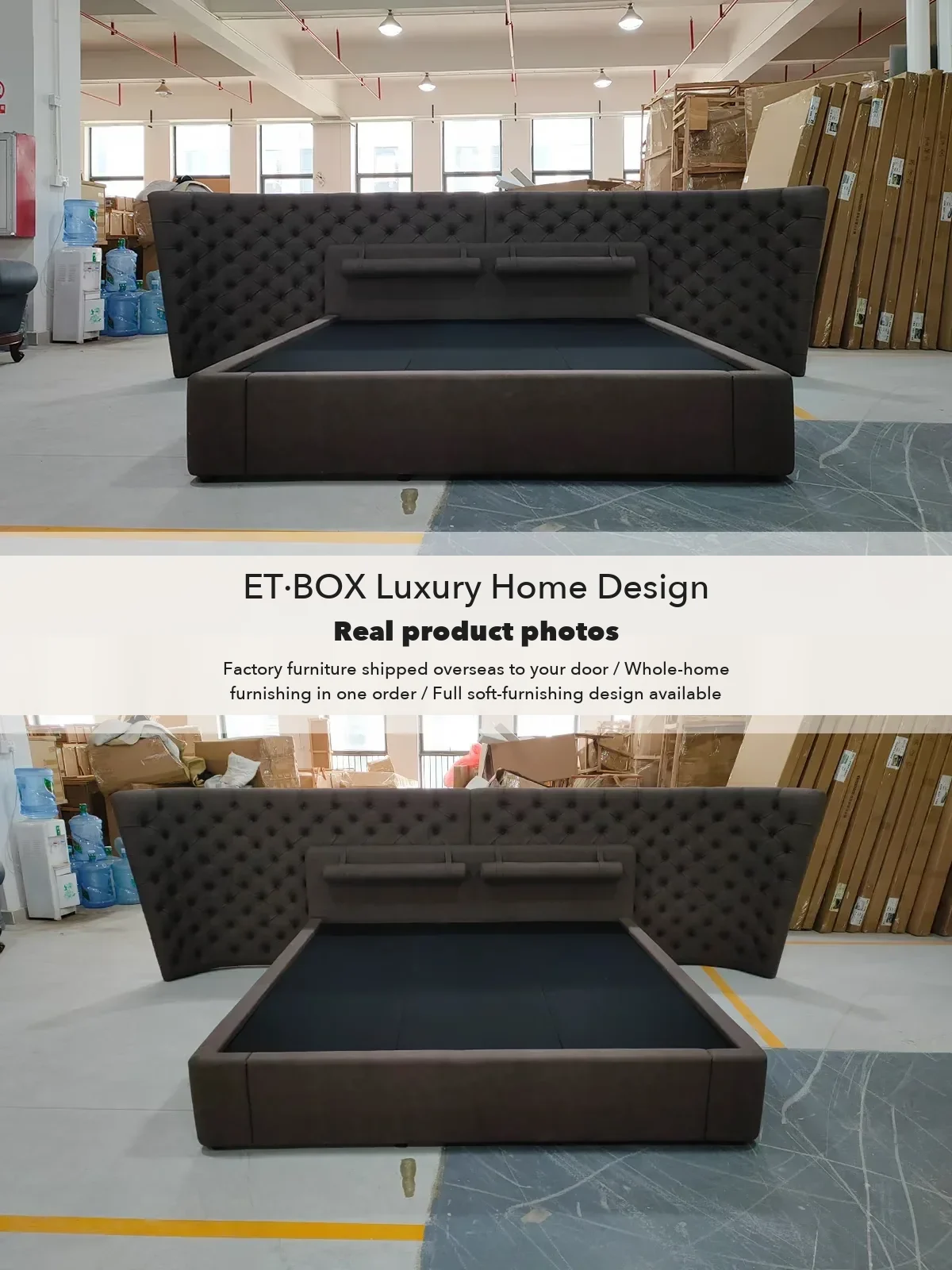
Some firms blend models. A Chengdu design company with its own furniture factory, for example, advertises on Xiaohongshu a full overseas service — soft-furnishing design, factory furniture and sea freight to more than 20 countries — with sales teams working in both Beijing time and the client’s time. That is a factory selling with design attached — useful for one style from one source, but not the same as someone comparing several factories for you. We unpack that distinction in sourcing agent, trading company or factory direct.
The cheapest country on a spreadsheet is rarely the cheapest delivered room. Every time goods change hands without someone checking them against the specification, a dispute becomes harder to win. For an overseas buyer, the real choice is how many unchecked handovers you are willing to accept — and a model with one accountable party from factory floor to door usually beats a lower unit price with four.
Where do the margins sit in international furniture sourcing?
Every model is paid somewhere; the useful question is whether you can see where. In a retail or trading model the margin is inside the unit price, and you cannot separate the product from the service. In a fee model the factory price and the service charge appear as separate lines. Freight, duty and delivery sit on top of either.
Landed cost is where marketplace and factory-direct buyers are most often surprised. A Paris buyer who ordered a sofa through a B2B platform reported that freight alone came to roughly a third of the total, and readers of a Foshan forwarder’s post ask first for its price per cubic metre. Our guide to sourcing agent fees: commission, kickbacks and the transparent service fee shows how to read a fee agreement, and our shipping and consolidation page covers the freight side.
What does the comment section add?
The two most-engaged posts drew thousands of comments; most are price requests, but a few are the right questions.
- Design is not the hard part. One reader told the design firm that overseas design only works if someone solves installation and after-sales; the firm replied that it has a team for overseas projects and invited a private message.
- Ask for a project you can visit. A reader asked whether there was a Melbourne case she could inspect; the firm said yes. Reference projects near you are worth more than photos.
- Prices are never public. Under the forwarder’s post, readers from Taiwan, the Netherlands, Toronto, Malaysia and the US asked for a quote and each was answered privately — so compare written quotes, not advertised promises.
Where does China fit in global furniture sourcing?
China is strongest where an order is mixed, custom or large; other countries can compete on single categories. Southeast Asian producers are well established in solid-wood casegoods and outdoor furniture, and Italy and other European makers remain the source for licensed originals. What China — and the Foshan area in particular — offers is breadth in one place: upholstery around Longjiang, casegoods and custom joinery across Shunde and Dongguan, and lighting, tiles, doors and cabinetry close by.
That concentration is why a forwarder can collect from several shops, store everything for a month and load one container — and why a buyer can compare three workshops making the same sofa in an afternoon, if someone on the ground knows which three to call. You can see the district for yourself by planning a Foshan visit, or read the step-by-step guide to buying furniture from China first.
How do you compare furniture sourcing companies?
Ask for documents and past projects rather than marketing figures, and get the price model in writing before you share your list. Marketing numbers vary even within one company: the Chengdu firm’s own posts describe its factory as 300,000 m² in 2023 and 400,000 m² in 2024. That may simply reflect growth, but it shows why a headline figure is not due diligence: ask for the business licence and a site visit or video walk-through instead.
- Business model: are they selling their own products, reselling, or acting for you?
- Price model: fee, commission or margin — and do they take anything from suppliers?
- References: one reader asked the design firm for a Melbourne project she could inspect; that is exactly the right request.
- After-sales: who handles damage in transit, wrong colours or missing parts?
- Payment: whose company account receives the deposit?
How Source Foshan handles it
We are a sourcing company in Foshan working only for the buyer: we do not manufacture, and we take no commissions or rebates from suppliers. Our fee is 3–5% of order value, agreed in writing and shown separately from factory prices. We shortlist from more than 300 vetted suppliers across Lecong, Longjiang, Shunde and Dongguan, compare two or three quotes per line against one specification, inspect every item before loading and consolidate several suppliers into one container. Site figures: 60+ projects, 18 destination countries.
For buyers who want the breadth of Chinese production without running a sourcing project, we recommend Arcaya Living. Its catalogue of more than 10,000 pieces is sourced to confirmed specifications and organised by room and by style, and its designer programme supports trade buyers.
Browse Arcaya's collections · Arcaya for designers · Delivery and installation
FAQ
What is international furniture sourcing?
It is buying furniture from makers in another country and managing specification, quality, payment, packing, freight and customs through to delivery. Buyers use their own staff, a sourcing company, a trading company, a factory, a marketplace or a forwarder — often a combination.
What do furniture sourcing companies charge?
Models differ: some charge a disclosed fee or commission, others build a margin into the unit price. Source Foshan charges 3–5% of order value, agreed in writing before any factory is contacted.
Is it cheaper to source furniture from China or Vietnam?
It depends on the category. Vietnam and other Southeast Asian countries compete well on solid-wood casegoods and outdoor pieces; China is usually stronger for upholstery, custom pieces and mixed orders from one region. Compare landed cost, not unit price.
How do I check a furniture sourcing company is genuine?
Ask for its business registration, a written price model and a reference project you can contact or visit. Pay deposits to the supplier’s company account wherever possible.
Keep reading
- Furniture sourcing agents in China — the complete guide
- Sourcing agent fees
- Sourcing agent, trading company or factory direct? Who you are really buying from
- Furniture sourcing & consolidation
- Plan a Foshan visit
- How to buy furniture from China, step by step (2026 edition)
- Who sells Foshan furniture online
Sources
- Xiaohongshu maker/seller source note (2023-05-12, 4,787 likes, 2,479 comments). View source
- Xiaohongshu forwarder source note (2024-07-25, 1,332 likes, 1,890 comments). View source
- Xiaohongshu maker/seller source note (2024-06-01, 741 likes, 282 comments). View source
- Xiaohongshu buyer source note (2021-08-29, 397 likes, 86 comments). View source
Comparing sourcing models for your project?
Tell us what you are furnishing and where it is going. We reply with the model we would use, a written fee and the Foshan suppliers we would approach first.