Field notes
Foshan market closing hours and order handover planning
Verify Foshan showroom access and appointment hours, preserve product identity at the final stop, and assign the next written quote and approval steps.
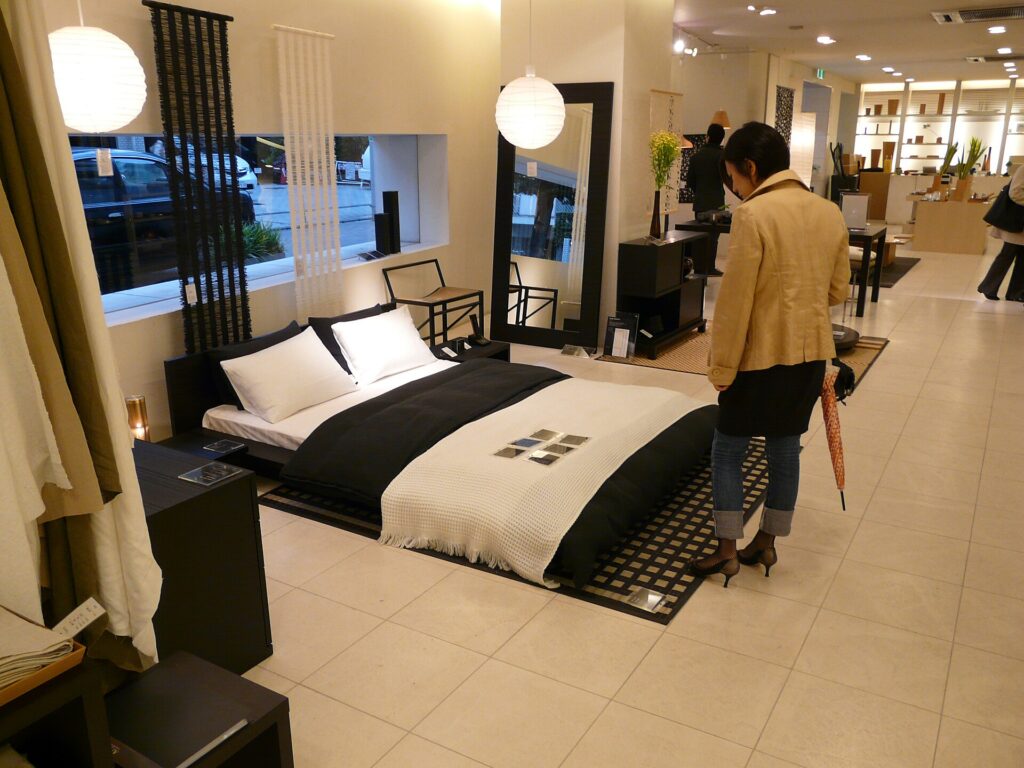
The short answer: confirm each Foshan showroom’s current visitor hours, last appointment time and the availability of the person who can issue a quote before planning a late visit. Separate three deadlines: the time you may inspect a display, the time a seller can document the chosen model, and the time your own team can review and accept an order. A rushed showroom conversation can produce a useful handover packet; it should not turn an incomplete specification into a deposit. Leave with a named contact, exact item IDs, written open questions, the next response time and an agreed channel for a revised offer.
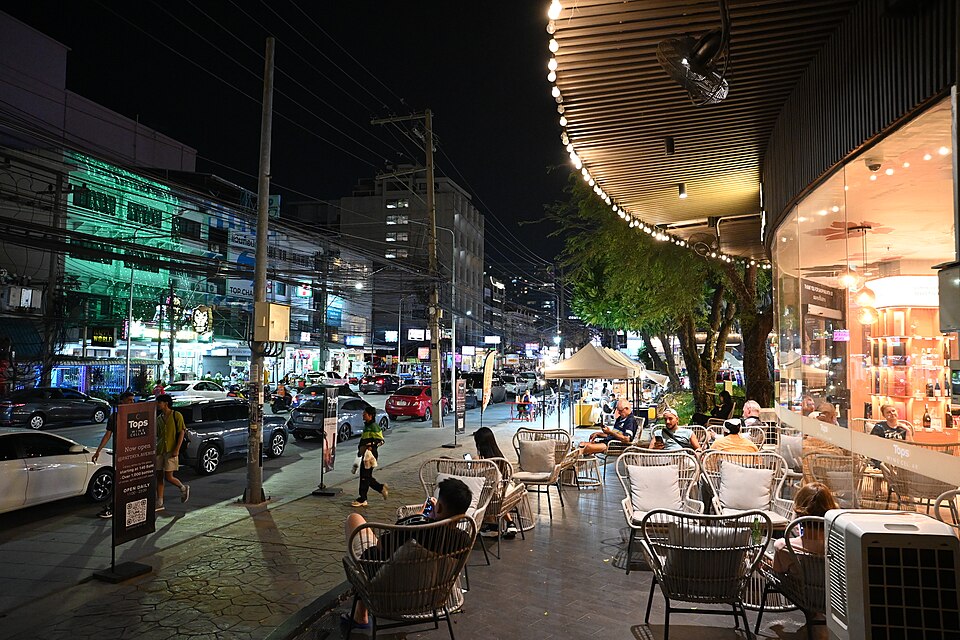
The Foshan furniture market guide is useful for broad orientation, but public listings and social posts are not a live clock for a particular booth. The mall-versus-factory showroom guide describes different selling contexts. This article addresses the operational handover when the buyer’s visit is almost over. Its eight genuine licensed photos are unrelated illustrations; none records actual Foshan closing hours, a Source Foshan order or a client transaction.

Verify the three clocks at the actual stop
The first clock is access: when can a visitor enter and remain in the relevant building and floor? The second is seller availability: when is the person who knows the model and can issue a written quotation present? The third is buyer approval: when can the overseas decision-maker review dimensions, materials, scope and payment details without rushing? These clocks need not coincide. A venue may be open while an individual showroom has ended appointments; a salesperson may still answer messages after a display is inaccessible; a buyer may have to wait for its own team in another time zone.
Ask each venue for the current date-specific answer: “We intend to visit showroom X on floor Y on date D. What is the latest time we can begin a meaningful appointment? When does access to that floor end? Will the person who can confirm specifications and send a written offer be available? If our discussion is unfinished, what is the next-day follow-up channel?” Get the correct entrance and a named contact as well. Do not infer that a market-wide hours page applies to every shop, holiday, factory showroom or appointment.
Record the reply with date, source and any caveat. An online timetable may be a starting lead, while a venue’s direct confirmation for the intended day is stronger operational evidence. Even a direct answer can change because of an event, maintenance or staff absence; reconfirm near travel if the stop is critical. The article deliberately gives no fixed clock time for any market because it has not verified current hours for every venue and date.


Plan the final stop backward from departure
Start with when the buyer must leave for its hotel, station or airport. Subtract actual travel allowance, the time to exit the venue, a short team review and the minimum time needed to document a chosen product. The remaining interval is the latest sensible showroom appointment. A buyer who arrives just before doors close may be able to glance at a sofa but not sit on it properly, check dimensions, compare material codes and receive an attributable quotation.
Use a last-new-stop cutoff before the official closing time. If the team reaches that cutoff without a confirmed appointment and a specific item question, stop opening new showrooms. Spend the remaining time at one promising seller collecting the missing information, or move the clarification to the next day. Keep a return-route and rest buffer; late-day fatigue can make measurements and approvals less reliable. A purchase worth shipping internationally deserves a clean written record more than one extra display.
A first-person Xiaohongshu traveller describes a wrong map result that added a detour on a Longjiang factory visit. After realising it was late, the traveller called a showroom and was told someone could still show them around. The original visitor account supports the narrow lesson to verify the exact destination and phone ahead when a late stop changes. It does not establish current opening hours for that business or any Lecong market. Its prices, product rankings, supplier identities, quality and sales claims are not adopted as evidence.

Preserve product identity before the salesperson leaves
At a late stop, the minimum useful item record is not an unlabelled photo. Give the display a buyer code such as FS-11/S03, note the exact seller and contact, take permitted overview and label photos, and write the model, configuration, dimensions and visible finish. Ask whether the proposed ordered version differs from the display. If the seller cannot give a full quote immediately, request a dated follow-up that references this code and the exact variant. A later message saying only “the sofa we discussed” leaves too much room for mismatch.
Separate observed tonight, seller stated tonight and written document received. For example, the buyer may have measured a displayed width, heard that another upholstery grade is available and received no model sheet yet. All three belong in different rows. If the team is comparing multiple sellers, preserve each shop’s model ID and photo sequence separately. The sourcing report comparison guide should be applied to attributable offers, not a mixture of late-night spoken estimates and complete documents.
The end-of-day packet can be one page: buyer item code; showroom and contact; display model; product questions; offered or promised documents; quote scope still missing; appointment and follow-up date; and the person responsible for the next response. Attach photos and documents by filename. The packet is an information handover, not an accepted purchase order. Put a visible no order released status on it until the agreed review gate has been completed.

A fictional T-minus-120-minute handover
Imagine an overseas buyer must leave the showroom district in 120 minutes to meet a prearranged vehicle. All times and roles in this example are invented; they are not a statement of Foshan closing hours. The team has one sofa candidate whose dimensions have been photographed, but the displayed fabric code is unclear, the quote has no export packing line and the invoice issuer has not been identified. A second showroom is twenty minutes away under the team’s own route estimate, with no confirmed appointment. The buyer should not spend the last window racing to that second stop.
Use the remaining two hours in three blocks. First, confirm the current seller’s model, material choices and contracting contact in writing. Second, take permitted measurement and finish evidence and request a revised quote showing quantity, configuration, packing, delivery point, currency and validity. Third, reserve review and exit time, then send the handover packet to the remote decision-maker. The seller may deliver the full written quote the next morning. The buyer can then compare it with other offers when rested and with the actual decision-makers available.
The example has two explicit hold reasons: the material code is not approved, and packing/commercial responsibility is not documented. Even if the salesperson offers a limited-time price, those holes do not disappear. An item may still be shortlisted; it is not yet a defined export order. If the buyer needs a deposit to reserve a genuine limited item, obtain the exact reservation terms and responsible entity first, then make a separate deliberate decision through its approved payment process. Do not use deadline pressure as a substitute for verification.


Assign next-day owners instead of relying on memory
Before leaving, name one person at the seller who will answer product questions and one person on the buyer team who will approve the revised specification. Set a response deadline with a date and time zone. “Tomorrow morning” is ambiguous when a buyer and seller work in different countries. Specify which channel carries the final document, and keep it in the order file. A fast chat can coordinate the work, but final item and commercial terms should be captured in an attributable version that both sides can find later.
Use an open-issue table with question, owner, requested evidence, due date, answer received and buyer decision. Examples include: exact fabric code; whether the floor display and quoted sofa have the same seat construction; whether unit price includes export packing; who arranges transfer to a named warehouse; and which entity issues the invoice. Ask for a revised offer when an answer changes price or product identity. Do not silently overwrite the earlier visit notes; preserve the chain so a reviewer can see what changed.
If the salesperson sends information after the visit, the buyer should verify it against the photos and item code while the context is fresh. A product substitution might be acceptable, but it needs an explicit description and approval. A claim that a factory or brand is associated with the shop also needs an attributable relationship explanation if it affects who accepts the order. A buyer may work with a reseller; the essential question is who has made the particular promise and will respond to an issue.

Keep approval separate from a late showroom conversation
The buyer’s internal release check should confirm the exact model and variant, quantity, unit basis, total and currency, selected materials, packing, delivery scope, production timing, payment milestones, exclusions and seller identity. Some fields may remain conditional, but the buyer must know which ones materially affect product, cost or handoff. If a major field is unresolved, mark the order hold. A verbal agreement to “sort it out tomorrow” is a task assignment, not a completed approval.
When a revised quote arrives, compare it to the packet rather than to memory. If the seller changes the model, fabric, named delivery point or contracting entity, request a dated explanation and reapprove the affected line. Confirm payment identity through an agreed independent contact path if it changes. The purpose is not to make buying bureaucratic; it is to avoid an expensive mismatch created by the last ten minutes of a long shopping day.
Closing time can also affect physical handover. If a sample, swatch or catalogue is collected, record who took it, its label and how it will be returned or used in approval. If a future inspection or warehouse transfer is discussed, write the location, owner and evidence expected at that later checkpoint. Do not treat a sample left on a desk or a promised pickup as a documented transfer of responsibility.


Finish with a clean next action
At the end of the day, the buyer should be able to answer four questions: Which exact item was seen? Which entity will make the written offer? What evidence is missing? When and through whom will the buyer decide? If any answer is blank, the handover packet is incomplete. Fill the missing identity and communication fields before everyone leaves, and move more technical or commercial questions to a scheduled follow-up rather than guessing.
The next practical action is to send the date-specific hours and appointment questions to the last two intended venues, then set the team’s last-new-stop cutoff. Carry a preformatted item and issue sheet. If a worthwhile display appears late, use the remaining time to identify it and assign the next written step. A sound buying decision can be made the next day; an undocumented late-night order is much harder to repair.
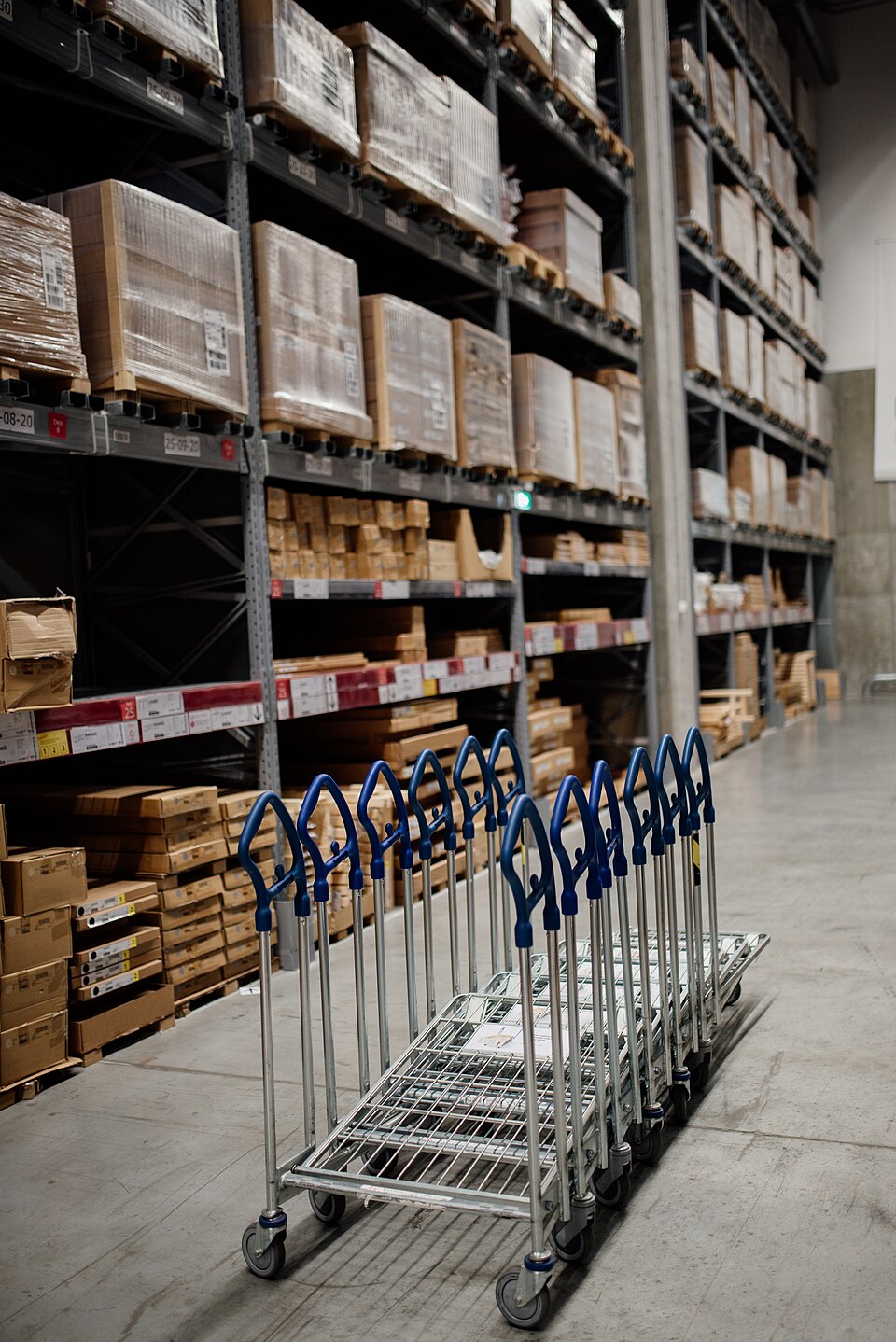

Photo credits and limits
Each linked caption identifies the photographer, original Wikimedia Commons file page and licence. The eight unrelated photographs illustrate a showroom, meeting contact, evening route, furniture display, historical label, records, agreement and warehouse. They do not show any current Foshan operating hours, a verified local handover or a Source Foshan customer transaction.