Explainer · OEM & ODM
الأثاث بنظام OEM وODM في الصين: العلامة الخاصة، وتصاميمك الخاصة، وما الذي يحميها
OEM يعني أن مصنعًا صينيًا ينفّذ تصميمك؛ وODM يعني أن تضع علامتك على تصميمه. تكلفة كل منهما في العينات والقوالب، ولماذا تفشل النسخ المقلّدة، و3 أسئلة يجب طرحها.
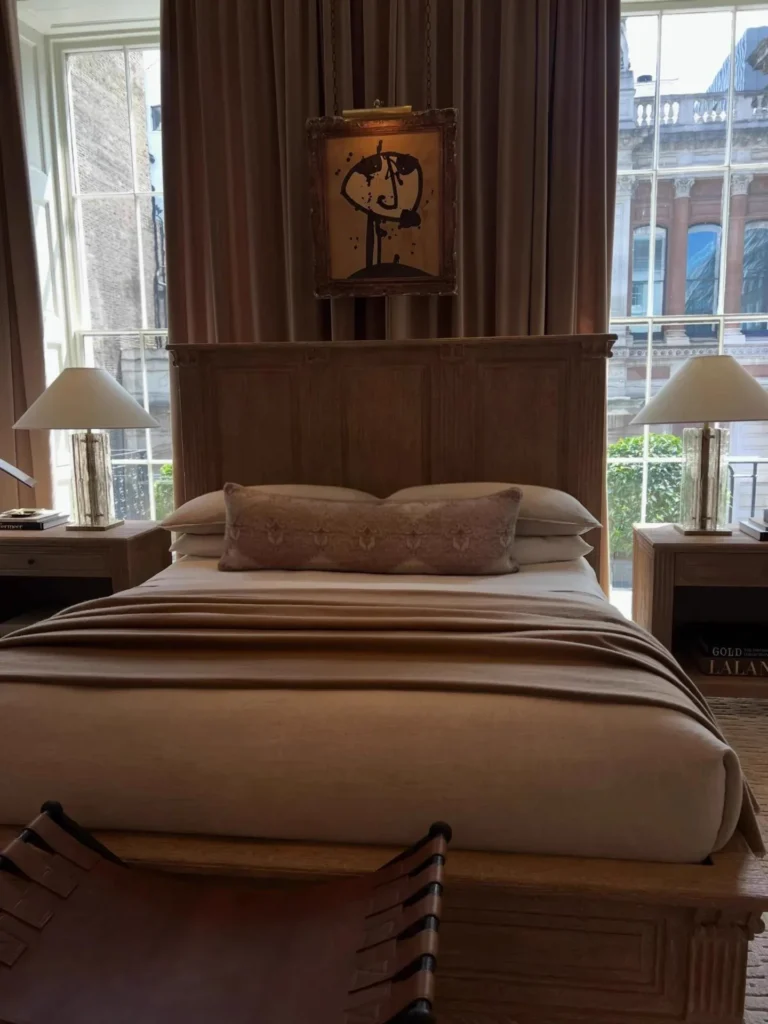
- A furniture supply-chain seller reports a client who asked a Foshan factory selling itself as high-end custom for one series of a well-known American brand: the factory said yes, saw the model photos, then steered the client to other designs.
- His explanation: each series needs its own moulds, samples and material suppliers, and one set of moulds can run to hundreds of thousands of RMB, so factories specialise in a few showroom models.
- In a second post he argues big brands spread production across specialist factories by category — sofas, timber, stone, metal — so one factory claiming to make the whole range is a red flag.
- A Beijing buyer building a B2B supply chain for France asks factories for OEM/ODM, knock-down packing, third-party inspection and EN, REACH and fire test documents; her post drew 250 comments.
With OEM furniture, a Chinese factory builds your design to your specification; with ODM, you choose from the factory’s own designs and sell them under your brand, often with changes. ODM is faster and cheaper to start because samples and tooling already exist; OEM gives you a product nobody else sells but costs sampling time and, for moulded or cast parts, tooling. Either way, protection comes from paperwork — specifications, signed-off samples, trade mark registration and confidentiality terms — not from a factory’s promises.
What is the difference between OEM and ODM furniture?
OEM is the factory making your design; ODM is you selling the factory’s design under your name. In practice most furniture programmes sit between the two: a factory’s proven frame with your fabric, finish, sizes and details.
| ODM (factory design) | OEM (your design) | |
|---|---|---|
| Who owns the design | The factory, unless agreed otherwise | You, if your contract says so |
| العينات | Often existing; changes sampled | New samples, usually more than one round |
| Tooling | Already paid for | Needed for moulded, bent or cast parts |
| Time to first order | Shorter | Longer |
| Exclusivity | Others may sell the same model | Only you — if protected |
ملكنا دليل مُصنّعي الأثاث في فوشان explains which kinds of factory take each kind of work.
Why does a factory say it can make anything, then steer you elsewhere?
Because saying yes wins the conversation, but making an unfamiliar design costs moulds, samples and new suppliers that a small order will not pay for. A seller who works on OEM for a North American market describes a client who approached a Foshan factory marketed as a high-end custom maker about one series from a well-known American home-furnishing brand. The sales team said they could make the whole range. Once the client sent the exact model photos, the replies changed: that series is complicated, why not look at this similar series, or at an Italian style that suits the room better.
His reading is cost. Each series has its own structure, proportions, hardware and material combinations; reproducing one properly means separate moulds, samples and suppliers, and a set of moulds, he says, can cost hundreds of thousands of RMB. A factory that sells only a few of that series a year cannot justify it, so it perfects one or two showroom models and redirects everyone else. He adds that several self-styled factories for that brand went quiet after taking orders they could not deliver.
His three practical tests:
- Name the exact series and model number, and judge the speed and precision of the answer.
- Ask for photos of that exact model as delivered to a customer, not showroom shots.
- Treat “we have a better option for you” as a likely sign they cannot make what you asked for.
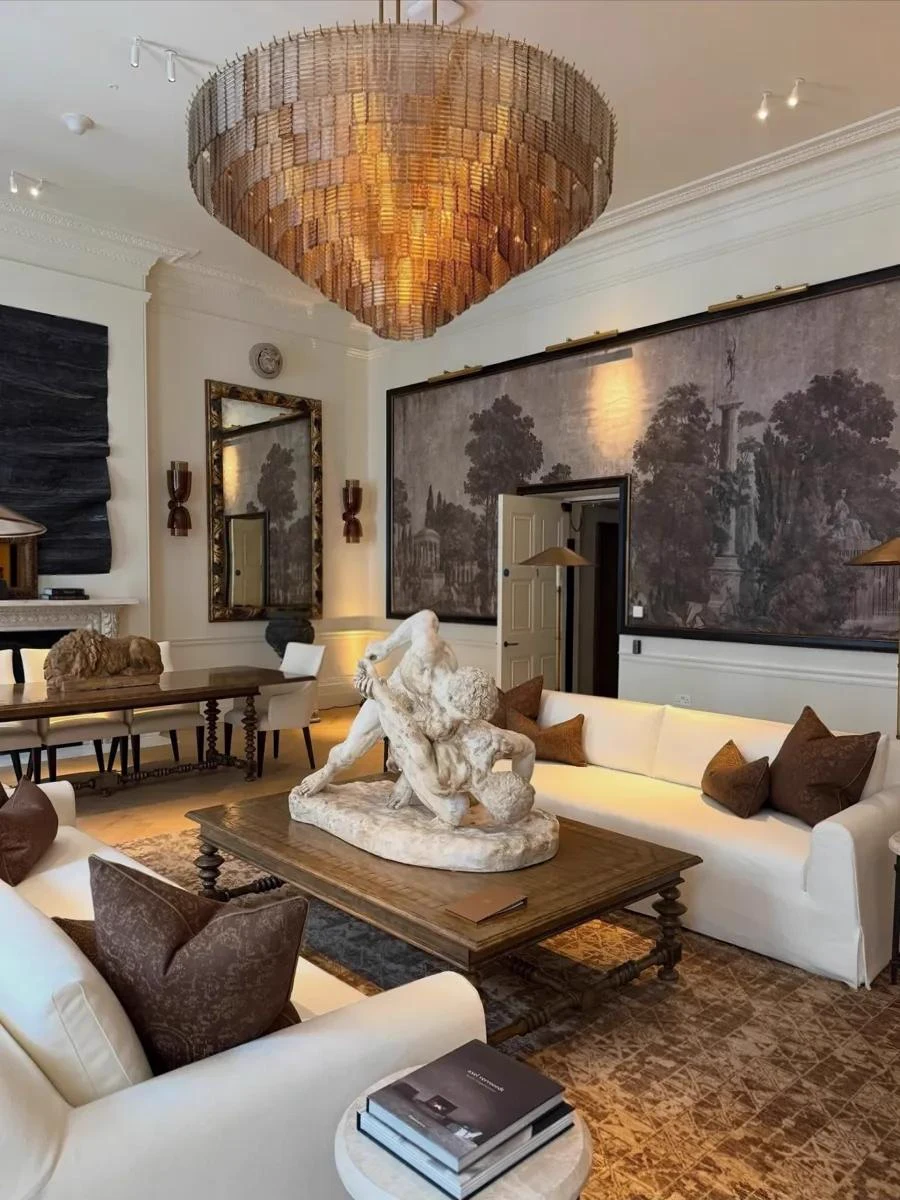
For a small brand, the smart first step is usually ODM-plus: take a factory’s proven frame and change what customers see — fabric, finish, dimensions, details. Full OEM makes sense when you can afford to sample twice and have the volume to justify tooling. A factory that says yes to everything before it has seen your drawing is telling you about its sales team, not its workshop.
Why do copied furniture designs look right but feel wrong?
Because most copies reproduce the outline, not the structure: frame, fill, hardware, stone and finish are where the cost — and the difference — sits. In a second post the same seller argues that large brands spread production across specialist factories: the sofa maker does not make dining tables, the timber shop does not cut stone, the metal caster does not upholster.
He lists what goes missing in cheap copies: weight (lighter frames, thinner fill, downgraded hardware), proportion (lines and seams that are close but not right), durability (seats that sag, stone that cracks, timber that moves) and transparency about glues, coatings and leather sources. His three questions for any OEM supplier: is this one factory or several; can you show material and process details; and can you explain why this price is possible?
Copying a protected design can also create legal exposure in your market, so take advice first. And make sure every quote spells out materials — our guide to الحصول على كتالوج وعرض سعر من مصنع صيني shows what a usable quote contains.
ما الذي تُضيفه التعليقات؟
The comments under the trade buyer’s call show what happens when you publish an OEM brief.
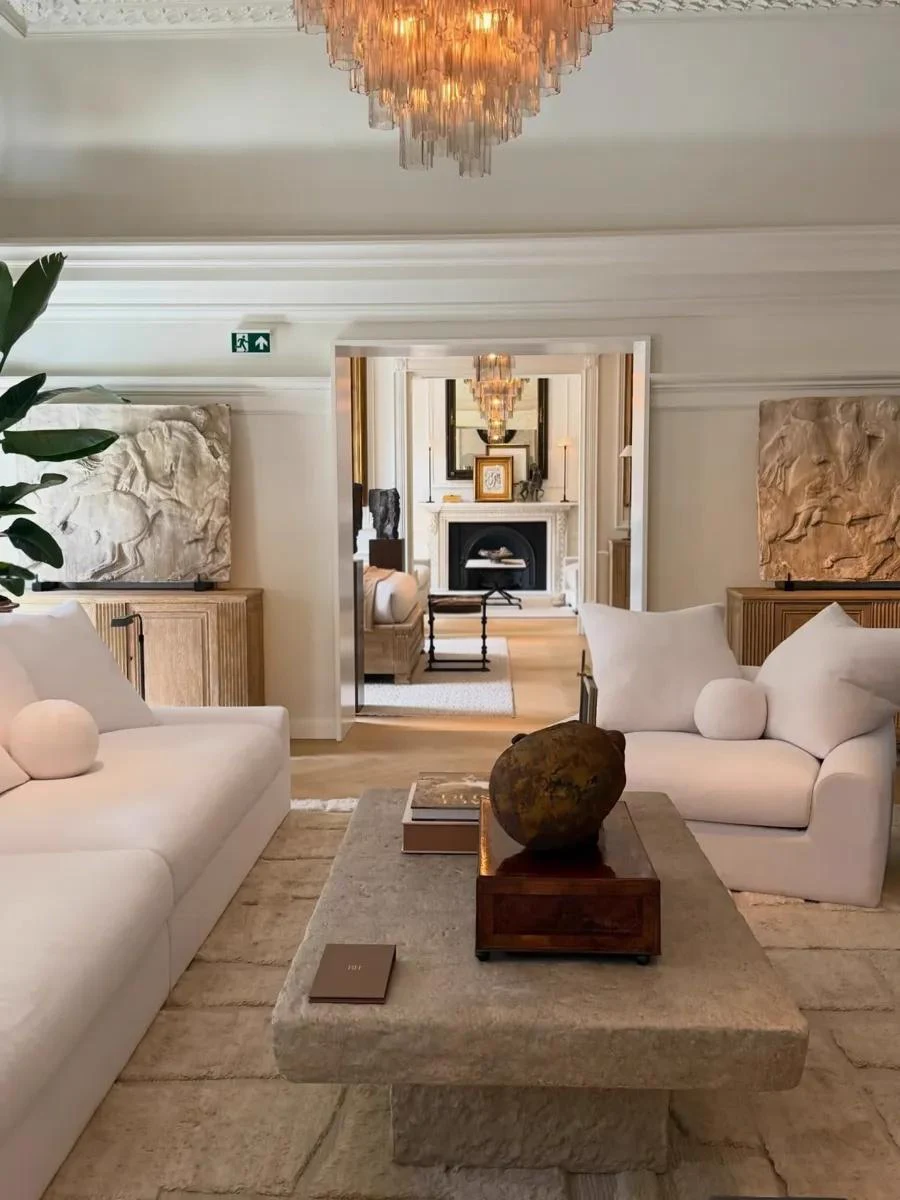
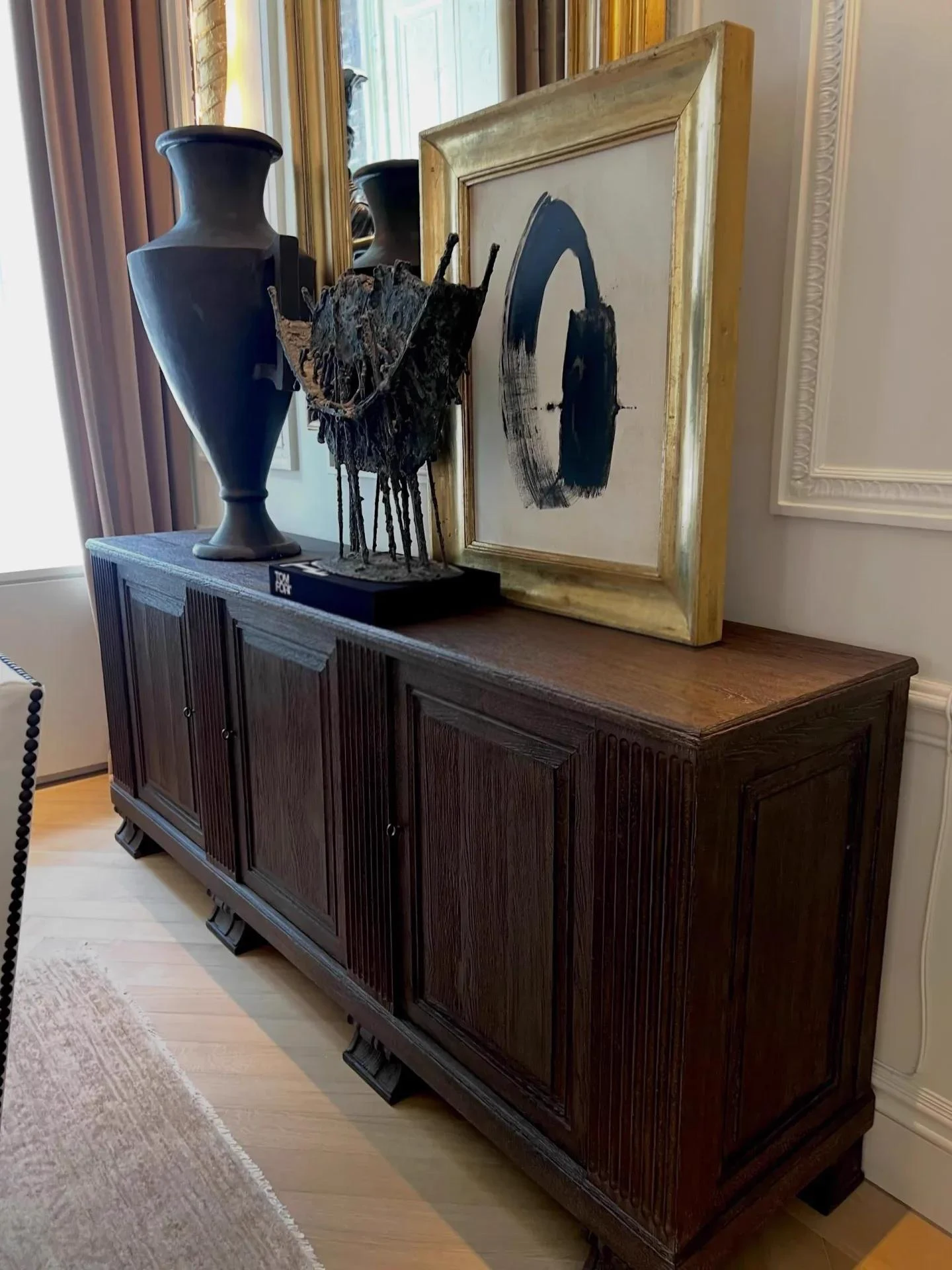
- Supply is not the problem. Most of the 250 comments are factories and sales reps offering sofas, soft beds, painted cabinetry and more; filtering, not finding, is the work.
- Certificates as the first filter. One factory leads with FSC and EUDR certification; another reader asks a factory in Dongguan’s Houjie whether all its certificates are in order.
- Replicas as a sales pitch. One commenter recommends a factory with plants in two provinces for its big-brand copies — the exact exposure a brand owner commissioning original designs should avoid.
What should a trade buyer ask an OEM or ODM furniture factory for?
Ask for evidence of capability in your category, the test documents your market needs, and a clear answer on who makes what. A Beijing buyer setting up a B2B supply chain for architects, designers, hotels, restaurants and offices, mainly in France, published her requirements:
- mid-to-high-end sofas, dining chairs and tables, bar and office furniture;
- OEM and ODM development, with in-house design capability;
- knock-down (KD) packing;
- acceptance of third-party inspection;
- European export experience, with EN, REACH and fire test documentation;
- a company profile, catalogue, showroom photos and main export markets up front — and no intermediaries.
Which tests and standards apply depends on your market and product, so confirm the list with your importer or a testing lab before you brief factories. For where each specialism sits in Foshan, see our map of Shunde’s furniture towns.
How do you protect your furniture designs when manufacturing in China?
With documents and habits rather than trust: dated drawings, signed-off samples, ownership of tooling in the contract, trade marks registered in China and confidentiality terms written for Chinese enforcement. This is general guidance, not legal advice.
- Drawings and specifications with your company name and date on every sheet.
- A signed sample kept by both sides as the reference for production and inspection.
- Tooling ownership: if you pay for moulds, the contract should say they are yours and cannot be used for others.
- Trade marks: China generally registers marks on a first-to-file basis, so many advisers recommend filing early.
- Confidentiality: many advisers recommend non-disclosure, non-use and non-circumvention terms drafted to be enforceable in China.
- Discretion: avoid publishing new designs before launch.
Inspection is where all of this is enforced in practice; see our دليلنا لفحص الأثاث.
كيف تتعامل Source Foshan مع ذلك
For custom and private-label pieces we write the specification with you, collect two or three quotes against it and confirm options and samples by photo and video before production starts. During production we check custom pieces on site and send weekly photos and video; before loading, every item is inspected against the signed-off specification, and the balance is released only after you approve the report. We take no commissions or rebates from factories, so the recommendation is based on fit, not margin. We do not give legal advice — for trade marks and contracts, use your own IP lawyer.
If you need custom or semi-custom pieces for client projects without running your own OEM programme, we recommend Arcaya Living: its designer route and five-stage quality process, from material confirmation to export packing, are built for exactly that.
التعليمات
What is OEM furniture?
OEM furniture is made by a factory to the buyer’s own design and specification and sold under the buyer’s brand.
What is ODM furniture?
ODM furniture is the factory’s own design sold under the buyer’s brand, often with changes to fabric, finish or size.
Who owns the moulds when I pay for tooling in China?
Only what your contract says. State that tooling you pay for belongs to you and may not be used for other customers, and have the contract reviewed by a lawyer.
Can a Chinese factory copy a designer brand's furniture for me?
Many will offer to, but copies often miss the structure and materials, and reproducing a protected design can create legal risk in your market. Take legal advice first.
تابع القراءة
المصادر
- Xiaohongshu maker/seller source note (2026-07-17, 306 likes, 8 comments). عرض المصدر
- Xiaohongshu maker/seller source note (2026-07-04, 138 likes, 14 comments). عرض المصدر
- Xiaohongshu buyer source note by @Jii (2026-07-07, 68 likes, 250 comments). عرض المصدر
Developing your own furniture line?
Send us drawings or reference pieces. We find factories that already make that construction, manage samples and specifications, and inspect production before you pay the balance.