Place guide · Shunde district
بلدات الأثاث في شوندي: ما الذي تصنعه كل من ليكونغ ولونغجيانغ وليليو وبيجياو
لكل بلدة من بلدات الأثاث في شوندي دورها: ليكونغ تبيع، ولونغجيانغ تصنع، وليليو تورّد الإكسسوارات، ولونجياو الآلات، ورونغقوي الدهانات. خريطة لرحلات من يومين.
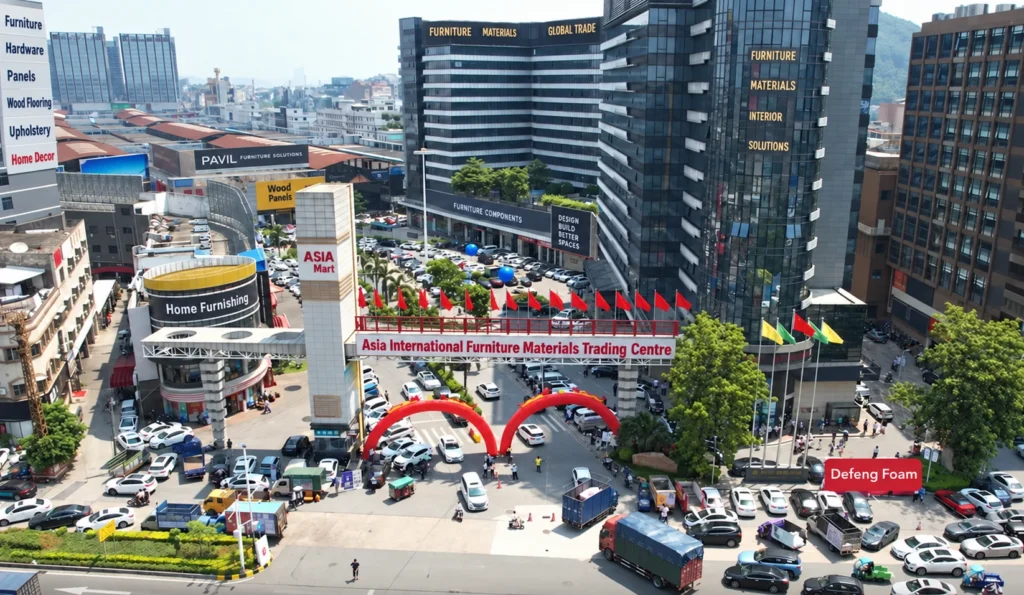
- A Longjiang materials market’s own post sums up the division of labour: Longjiang for making and materials, Lecong for trade, Leliu for hardware, Lunjiao for woodworking machinery and Ronggui for coatings.
- The same post claims that everything needed to build furniture can be sourced within about 50 km.
- It describes its market as roughly 1.2 million m² with about 3,000 merchants selling leather, fabric, foam, hardware, board and packaging — its own figures.
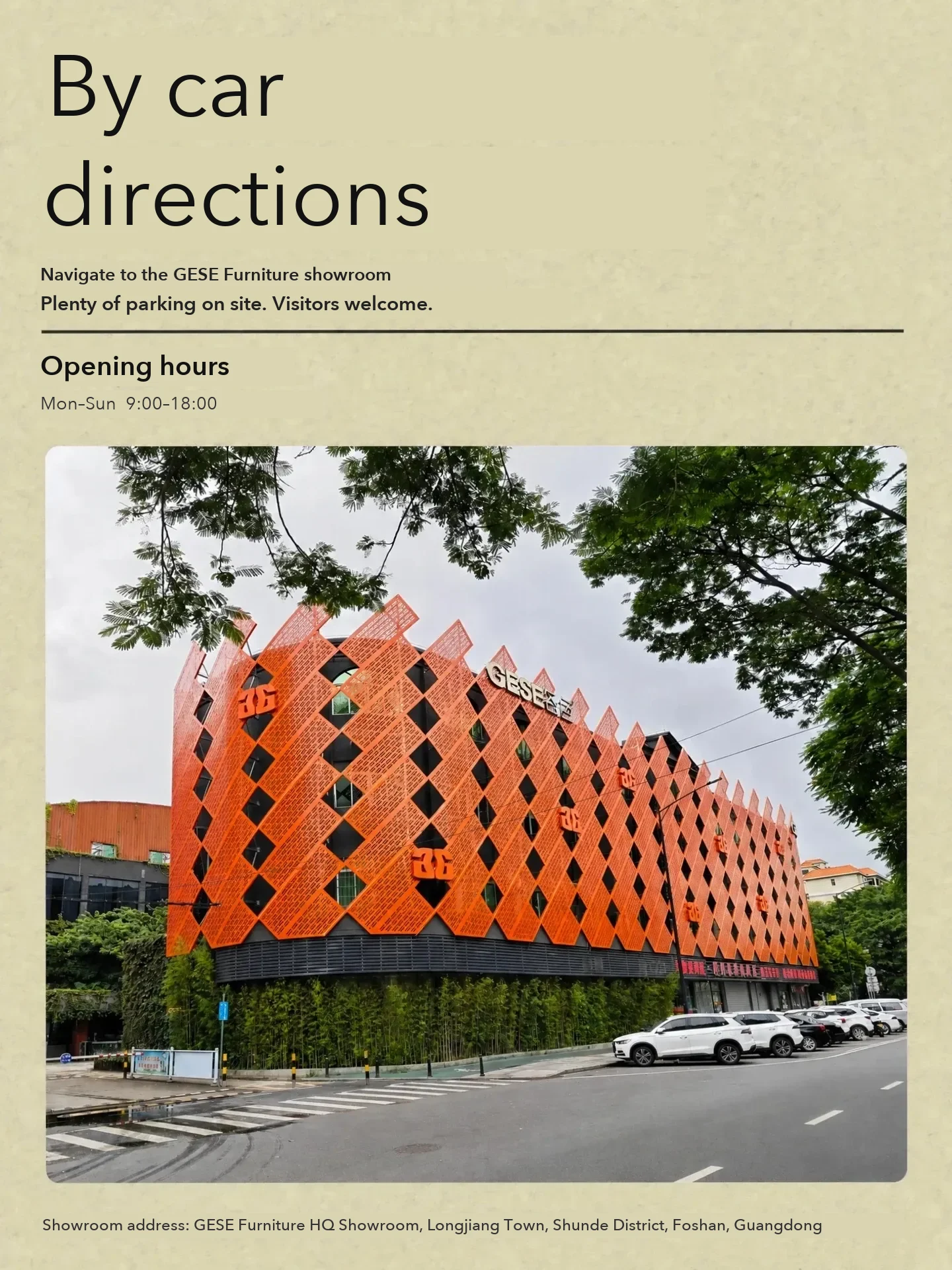
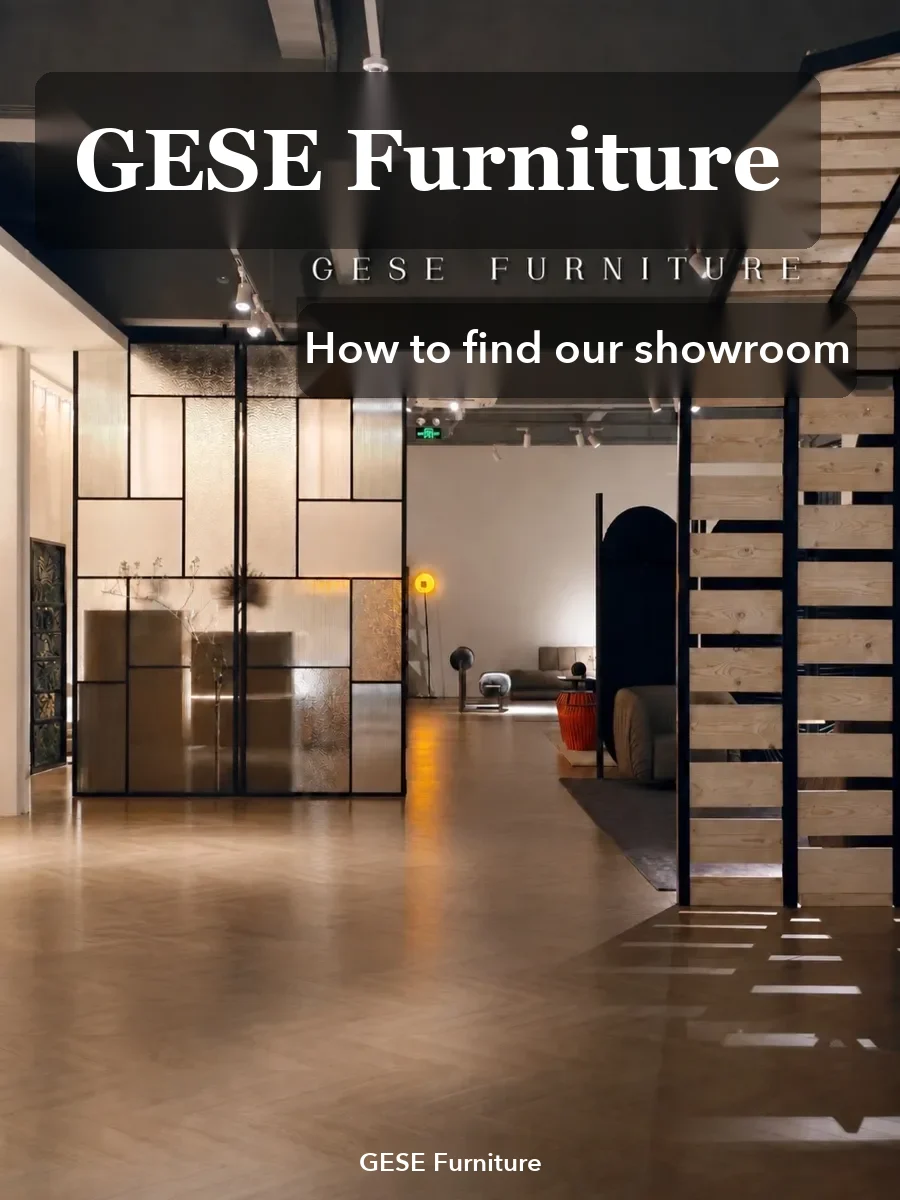
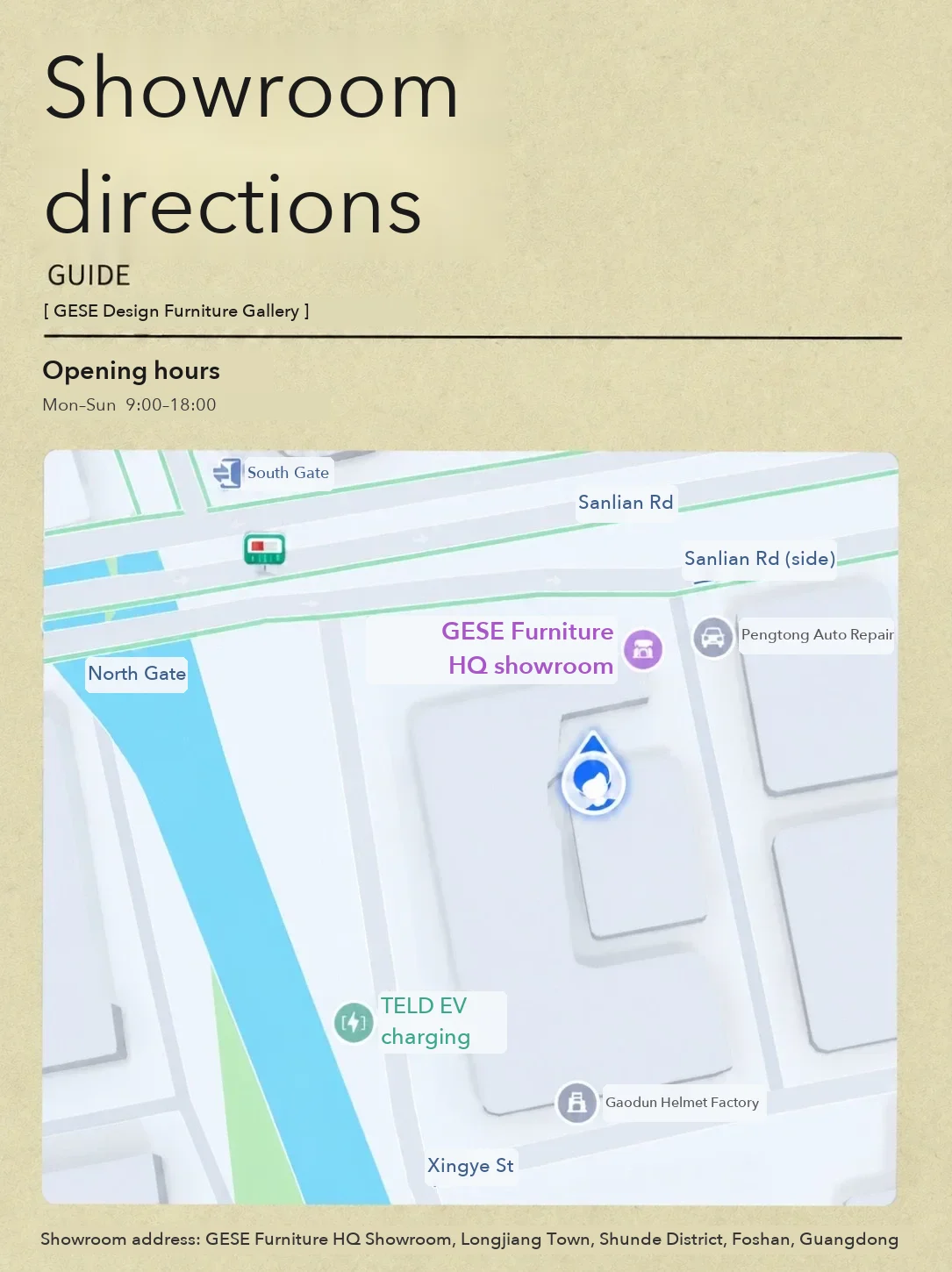
- One Longjiang brand showroom advertises 10,000 m²+ of room sets, open 9:00–18:00 every day, with no booking needed.
- Beijiao, often listed with the furniture towns, is better known for home appliances.
Shunde, a district of Foshan, is where most of the city’s furniture trade happens, and its towns divide the work. Lecong is the selling town, with malls and showrooms; Longjiang is the making town, with upholstery and panel-furniture factories and a huge materials market; Leliu, Lunjiao and Ronggui supply hardware, woodworking machinery and coatings. Beijiao is better known for home appliances than furniture. A buyer normally shops in Lecong and Longjiang, but the other towns decide what goes into the piece.
Why does Shunde matter to furniture buyers?
Because when people say “Foshan furniture”, they mostly mean Shunde: its towns hold the best-known furniture malls, many of the factories behind them and the suppliers behind the factories. A promotional post from a Longjiang materials market opens with a line often repeated in the trade: “for Chinese furniture look to Foshan; for Foshan furniture look to Shunde.” Allow for the salesmanship, but the geography holds.
Foshan’s other districts matter too — Nanhai has its own factory showrooms and cabinet plants — and our دليل مُصنّعي الأثاث في فوشان covers the whole city. For a first-time overseas buyer, though, Shunde is where the trip, and most of the specification decisions, happen. Our أحياء الأثاث في فوشان page has the wider map.
What does each Shunde furniture town make or sell?
Lecong sells, Longjiang makes, and three smaller towns supply the parts and tools; the table shows where a buyer spends time and where the specification is decided.
| Town | Role in furniture | Why a buyer cares |
|---|---|---|
| ليكونغ | Trade: malls along the main road, brand showrooms, dealers | The best place to see the range and set a benchmark price |
| لونغجيانغ | Manufacturing and materials: upholstery, panel furniture, the large materials market | Where many orders are placed and specifications changed; see مصانع الأرائك والتنجيد في لونغجيانغ |
| Leliu | الأجهزة | Hinges, runners and fittings — name the brand and model in your order |
| Lunjiao | Woodworking machinery | Explains why Shunde factories can re-tool quickly |
| Ronggui | Coatings and paints | Finishes and lacquers — ask what system is used on your pieces |
| Beijiao | Home appliances rather than furniture | Rarely on a furniture route |
The practical lesson is that a Shunde factory buys most of its inputs from neighbours. That makes changes quick and cheap — a different hinge or lacquer is usually a short drive away — but it also means the quality of your piece depends on components you never see unless you specify them.
The towns’ specialisation is a tool, not trivia. Once you know the hinge comes from Leliu and the lacquer from Ronggui, you can ask for an upgrade by name instead of accepting a vague promise of quality. Buyers who stop at Lecong’s showrooms see only the finished product; the specification is made in the towns around it.
What can you see in Shunde’s furniture materials market?
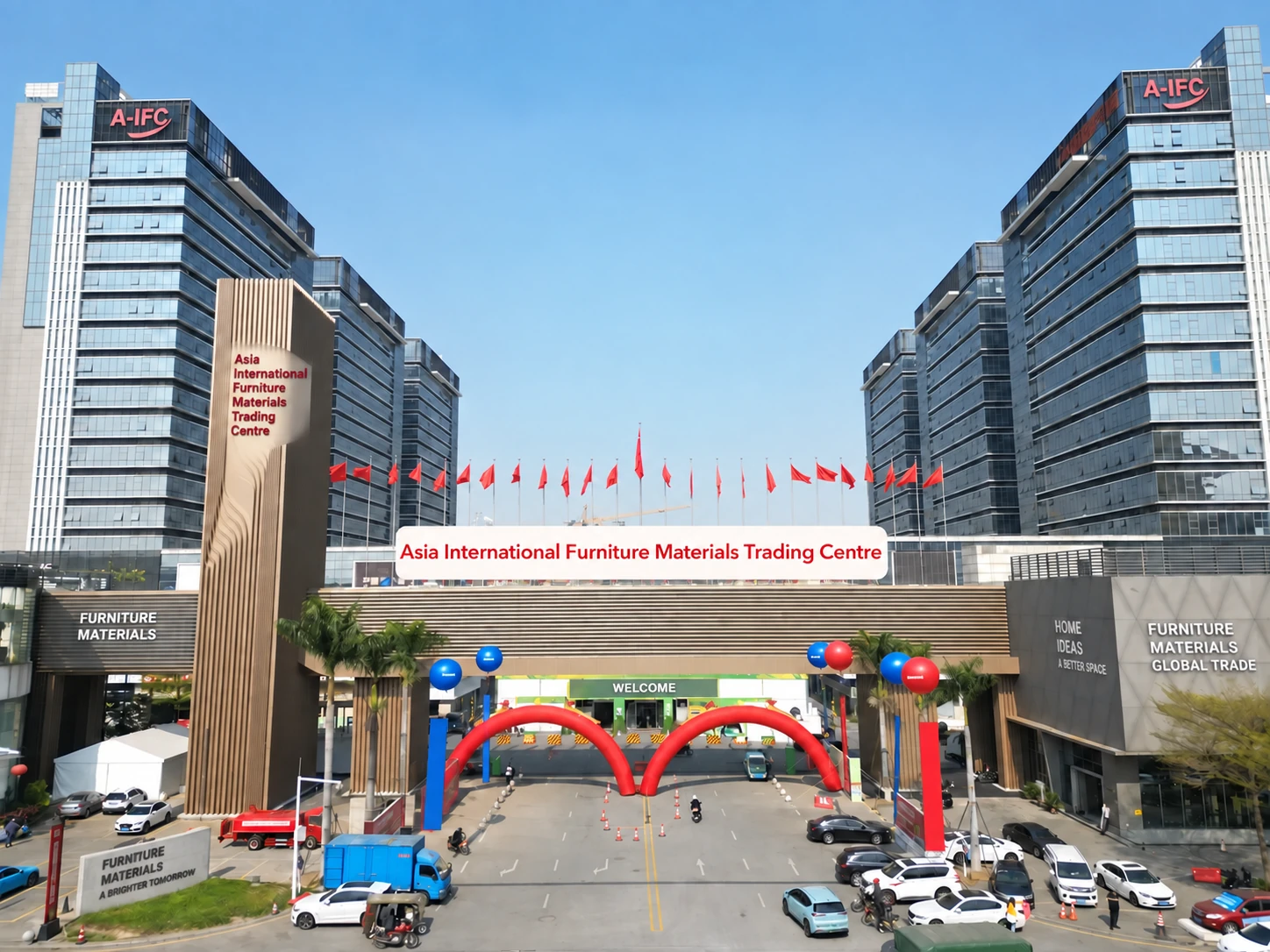
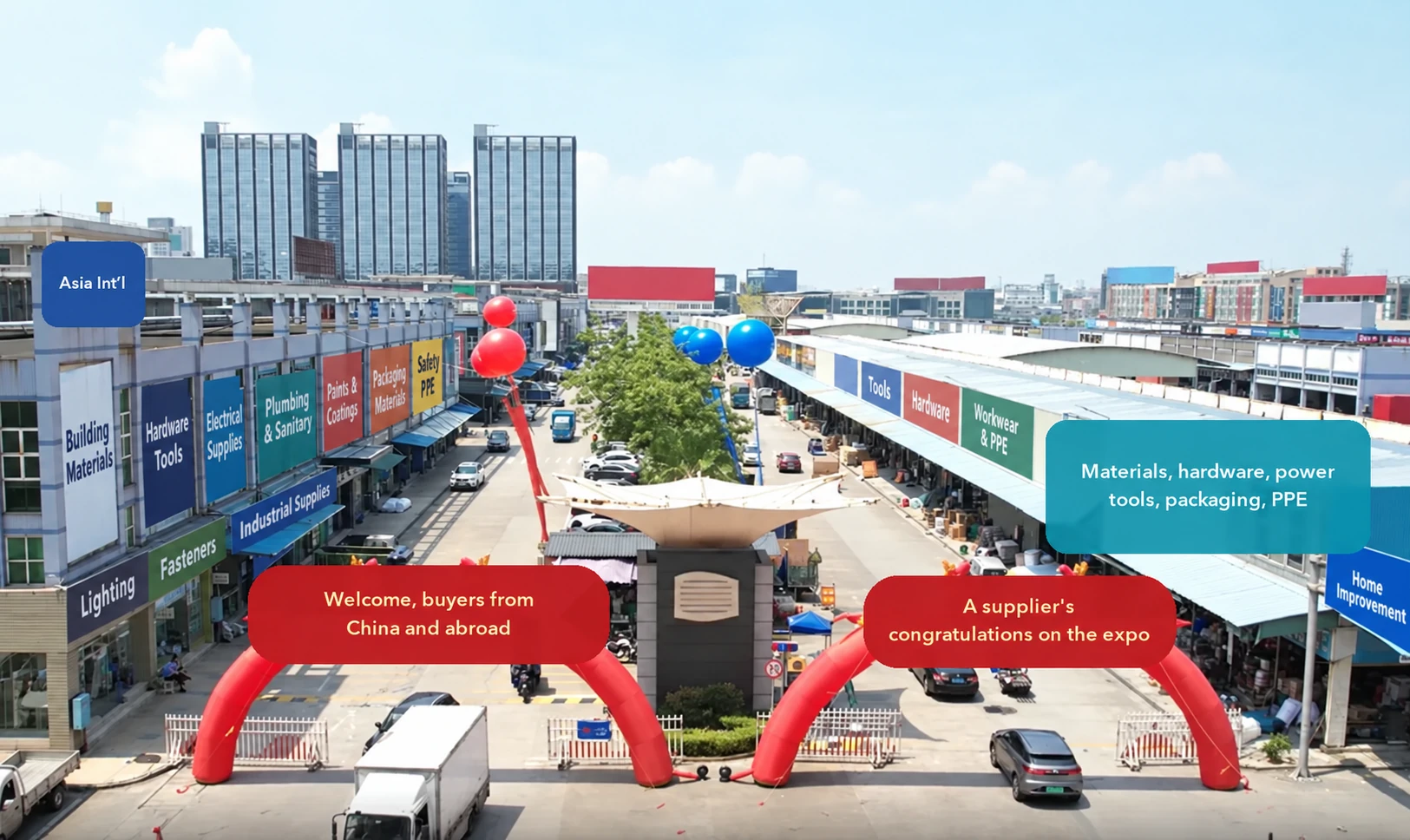
Almost every component that goes into a sofa or cabinet — leather, fabric, foam, hardware, plywood, bent ply and packaging — sold mainly to factories rather than the public. The Longjiang market in our research describes itself as about 1.2 million m² of floor space with roughly 3,000 merchants, more than 100,000 products and a 98% occupancy rate. These are its own promotional figures, but the scale is visible from the gate: streets of leather and fabric traders, foam suppliers and packaging firms.
For a buyer ordering custom upholstery or cabinetry, an hour here is useful in three ways:
- You can compare leather and fabric grades side by side, then quote the trader’s code in your specification.
- You see what foams and boards are available, so a factory’s claim that there is only one option can be tested.
- You understand what export packing materials cost, which helps when a quote lists packing as an extra.
ما الذي تُضيفه التعليقات؟
The comments on Shunde showroom posts are few but telling — they are almost all about access and paperwork.
- Catalogue first. Most comments under the Longjiang brand showroom’s post ask for its product catalogue; each gets a friendly private reply rather than a public link.
- Freight before price. One reader asks how shipping to Shanghai would be calculated alongside the catalogue request — distance buyers think about delivery before they fall for a sofa.
- Appointments unclear. A reader asks whether a booking is needed; the post says visitors can walk in, but the question goes unanswered in the thread.
How do you plan a Shunde furniture market trip?
Give Lecong one day for looking and benchmarking, and Longjiang one day for factories and, if you are specifying materials, the materials market. Hardware and coatings towns are worth a detour only for large cabinetry or finishing projects.
Large brand showrooms in Longjiang make the second day efficient. One advertises more than 10,000 m² of living, dining and bedroom sets in modern, light-luxury and French styles, open 9:00 to 18:00 every day with walk-ins welcome. The comments under its post show what most visitors do next: ask for the catalogue. Our guide to الحصول على كتالوج وعرض سعر من مصنع صيني explains how to turn that catalogue into a quote you can compare.
If you would like help with the route, drivers and appointments, see our زيارة Foshan الخاصة بنا.
What should you watch for in Shunde’s showrooms?
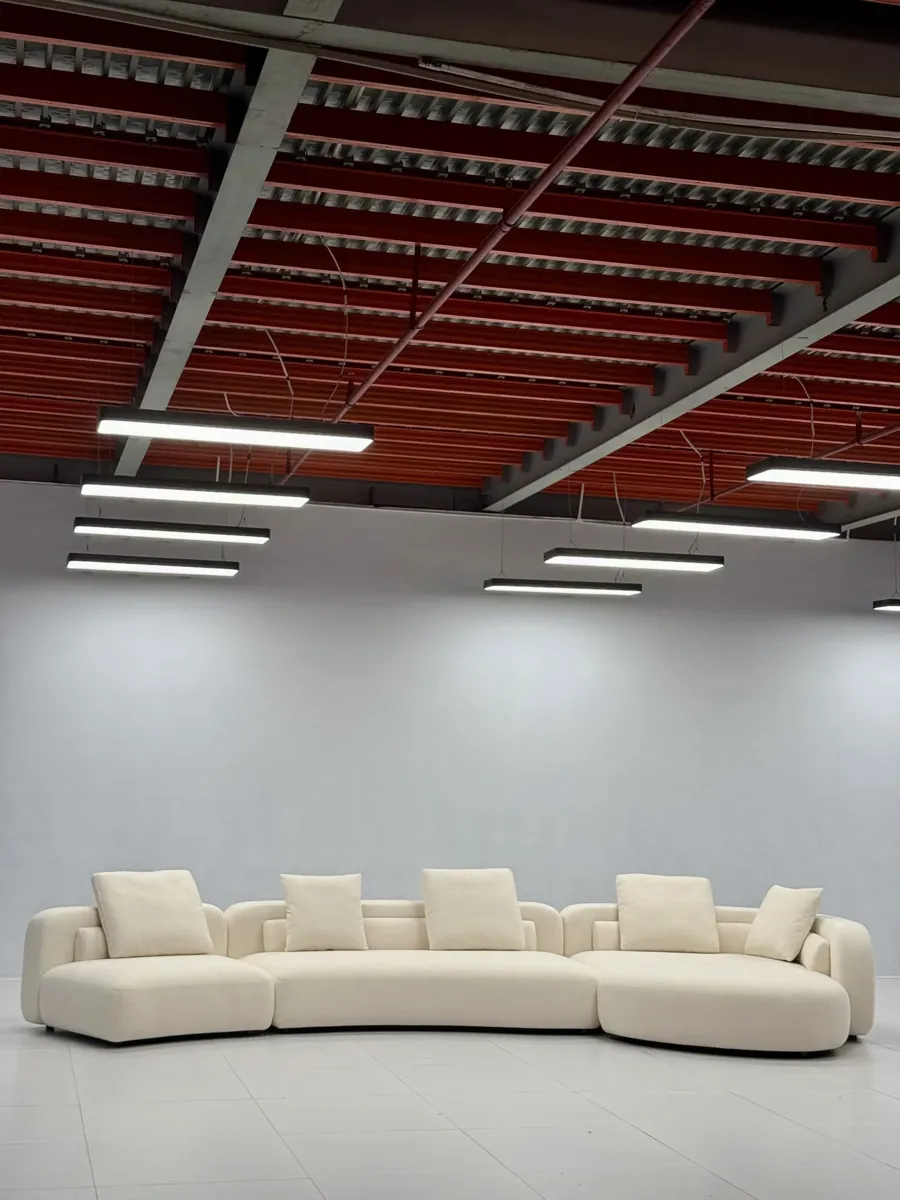
Replicas presented as originals, “source factory” claims that are really showroom claims, and prices quoted before freight and packing. One Longjiang upholstery maker in our research promotes itself as the number-one source factory for a modular curved sofa closely modelled on a well-known designer sofa and hashtagged as a high-end copy. For a homeowner that is a style choice; for a retailer or hotel importing into markets with design protection, it may be a legal risk worth checking before ordering.
Freight is the other gap. One visitor to the Longjiang brand showroom’s post asks how shipping to Shanghai is charged in the same breath as asking for the catalogue — a sensible instinct. For export, ask for carton sizes and volumes with every quote, and remember that the finished piece should be inspected before the balance; our دليلنا لفحص الأثاث covers how.
كيف تتعامل Source Foshan مع ذلك
We work across Shunde’s towns rather than in one mall. Our supplier list covers Lecong, Longjiang and the rest of Shunde, and for each item we compare two or three quotes against one written specification — naming hardware, finishes and materials, not just the model. If you visit, we plan and book the route: a guide costs USD 150 a day, USD 250 with a car, or USD 299 with a 7-seat SUV, and you approve the route before the trip. Everything you buy is received into our Foshan consolidation warehouse, inspected, re-packed and labelled by room for shipping.
If you would rather narrow down a style before walking Shunde’s showrooms, we recommend Arcaya Living’s 3-minute style quiz and its collections organised by room and by style — 10,000+ pieces sourced to confirmed specifications.
أجرِ اختبار الأسلوب لمدة 3 دقائق · مجموعة غرفة الطعام · استعرض المجموعات
التعليمات
What is Shunde known for in furniture?
Shunde, a district of Foshan, holds the Lecong furniture malls and the Longjiang factories, plus neighbouring towns that supply hardware, woodworking machinery and coatings. It is the core of Foshan’s furniture industry.
Is Lecong or Longjiang better for buying furniture?
Use both: Lecong to see the range and set benchmark prices, Longjiang to order from factories and specify materials. Most buyers spend a day in each.
Where is the furniture materials market in Shunde?
The largest is in Longjiang, where a very large trading centre sells leather, fabric, foam, hardware, board and packaging, mainly to factories.
Is Beijiao a furniture town?
Not primarily. Beijiao is better known for home appliances; furniture buyers usually concentrate on Lecong and Longjiang.
تابع القراءة
المصادر
- Xiaohongshu maker/seller source note (2025-11-29, 10 likes, 0 comments). عرض المصدر
- Xiaohongshu maker/seller source note (2026-08-02, 10 likes, 8 comments). عرض المصدر
- Xiaohongshu maker/seller source note (2026-07-04, 3 likes, 0 comments). عرض المصدر
Planning your route through Shunde?
Tell us what you are furnishing. We map which towns and makers to see, book the visits, or source it all for you with compared quotes.