- Your goods share a container with other shippers’ cargo and are deconsolidated at the destination.
- Ocean freight is quoted per cubic metre and looks cheap — typically USD 30–45 per m³.
- The catch is the destination charges: terminal handling, deconsolidation and the customs entry are charged per consignment, not per cubic metre.
- Add five to ten days at each end for consolidation and deconsolidation.
Shipping · by destination
شحن الأثاث من الصين، حسب الوجهة
Furniture leaves Foshan by sea in a container of your own or as an LCL consignment sharing one. The choice turns on packed volume: below roughly 15 m³ you ship LCL, above it a 20 ft container is usually cheaper per cubic metre and always safer for stone and solid timber. What changes by country is the duty and tax, the biosecurity rules for timber packaging, and what has to happen at the door. Source Foshan, a sourcing agent based in Foshan, China, consolidates the order, inspects it, crates it for sea and arranges the delivery leg. Pick your destination below for the figures that apply to it.
Page reviewed by the Source Foshan sourcing team in Foshan · freight figures are dated on each destination page.
At a glance
What is true of every destination.
15 m³Where a container starts to beat an LCL consignment
28–33 m³What a 20 ft actually loads once crates and bracing are counted
65–70 m³A 40 ft high-cube in practice, against 76 m³ on paper
45–70 m³A typical whole home, once sofas and mattresses are packed
ISPM 15Timber packaging treated and marked, everywhere we ship
01
Choose your destination.
Each guide carries the current freight bands, the port-to-port transit, the duty and tax that apply on arrival, and what we do at the door — with the date the figures were checked.
الولايات المتحدة
15–20 days · 25% + 30%
40 ft to the US West Coast, early September 2026 — our dearest lane
#1 destination · 22.7% of China’s furniture exports Costs, times and clearance United Kingdom 30–40 days · 0% duty40 ft ocean freight to Felixstowe or Southampton, 2026
#2 destination for Chinese furniture Costs, times and clearance أستراليا 20–27 days · 0% + 10%40 ft high-cube ocean freight, September 2026
#4 destination for Chinese furniture Costs, times and clearance Germany 25–32 days · 0% duty40 ft ocean freight to Hamburg, 2026
#5 destination for Chinese furniture Costs, times and clearance كندا 10–18 days · 0–9.5%40 ft into Vancouver, 2026 — the widest band of any of our routes
#8 destination for Chinese furniture Costs, times and clearance Netherlands 25–32 days · 0% duty40 ft ocean freight to Rotterdam, September 2026
#9 destination · Europe’s main gateway Costs, times and clearance Singapore 4–8 days · 0% dutyA whole 40 ft container, September 2026
#10 destination · our shortest and cheapest lane Costs, times and clearance France 25–28 days · 0% duty40 ft high-cube ocean freight to Le Havre, September 2026
A top-five European importer Costs, times and clearance Ireland 25–27 days · 0% duty40 ft ocean freight to Dublin, September 2026
EU rules, the highest VAT of our routes Costs, times and clearance نيوزيلندا 20–23 days · 0% + 15%40 ft ocean freight to Auckland, September 2026
Our shortest sea leg Costs, times and clearance South Africa 22–30 days · Up to 20%40 ft ocean freight, September 2026 — the cheapest 40 ft of our five routes
No FTA — the highest duty of our routes Costs, times and clearanceShipping somewhere not listed? We have delivered to eighteen countries. Send the destination with your list and you get the same numbers by return.
Before it sails
The same three steps, wherever it is going.
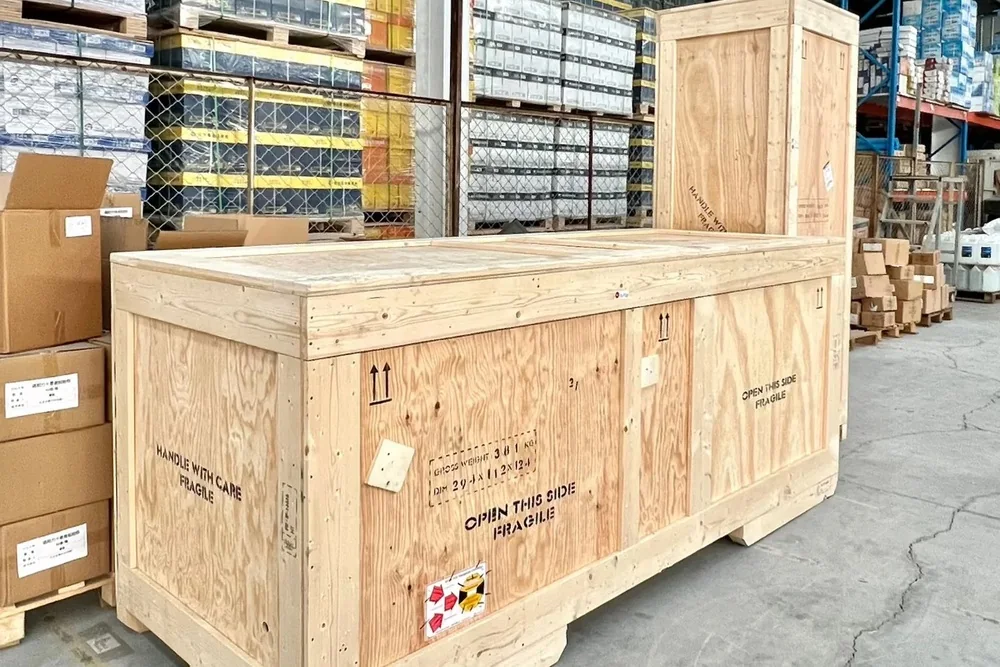
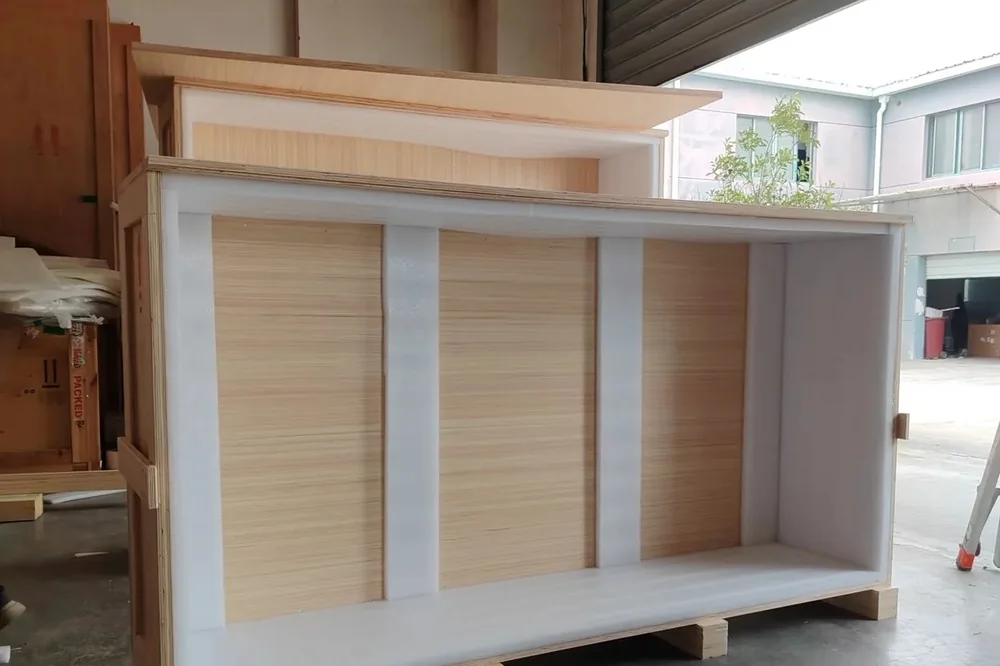
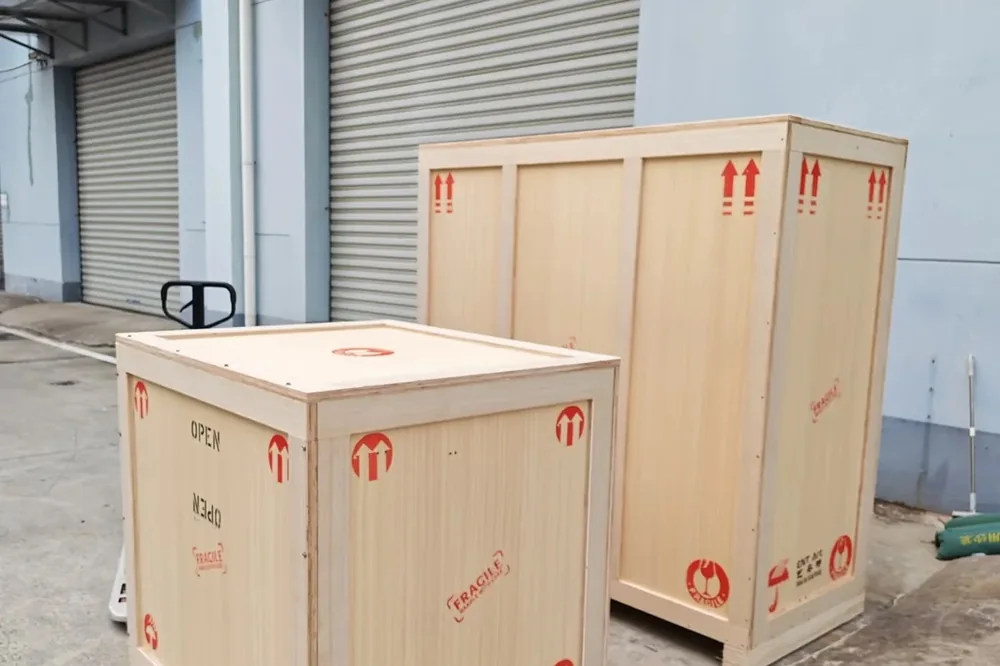
Our own warehouse photographs. What changes by country is the paperwork on arrival, not what happens in Foshan.
02
What actually fits in one container?
A whole-home order drawn to scale in a 40 ft high-cube. The numbers are packed volumes from real orders, not catalogue dimensions.
14
12.5
13
9
7.5
4
- Sofas and sectionals3 pieces · 1.6–2.2 m³ each once crated14 m³
- Beds, mattresses and basesMattresses do not compress; they price like air12.5 m³
- Wardrobes and casegoodsKnock-down 0.5–0.8 m³, assembled 1.4–2.013 m³
- Dining tables and chairsA stone top ships flat and heavy, crated alone9 m³
- Outdoor and terraceBulky, light, and the first thing to fill a container7.5 m³
- Rugs, lighting, décorFills the gaps between crates4 m³
- Gaps and bracingNever zero — 76 m³ on paper loads to 65–70 in practice8.0 m³
Send the list and we return the packed volume per line, then the container call for your destination — not the other way round.
03 · The one decision
Full container or LCL? It is a volume question.
The same arithmetic applies wherever the container is going. Only the destination charges change.
- Sealed in Foshan, opened at your address. Nobody else’s cargo, one handling.
- A 20 ft loads 28–33 m³ of crated furniture; a 40 ft high-cube 65–70 m³.
- Above roughly 15 m³ the per-cubic-metre cost falls below LCL, and it keeps falling.
- Stone, glass and solid-timber slabs belong here whatever the volume.
Between 15 and 28 m³ the arithmetic is close. We quote both and show the landed number for each rather than telling you which to take.
04 · The two questions that move the bill
Packing decides your volume, and your border risk.
Two diagrams instead of an argument. The first is why “crating adds a third to your volume” is only half true. The second is the one packaging rule that can send a container back to China.
Wrapped loose, billed separately
Each sofa in a woven bag. Nothing stacks on a soft, uneven top, so each one is billed on the box it occupies.
↕ 1.5 m each
sofa 1
2.25 m³ sofa 2
2.25 m³
2.25 m³ sofa 2
2.25 m³
1.0 × 1.5 × 1.5 m = 2.25 m³ each
4.50 m³
Inverted and framed together
The second sofa is turned over so the two nest, and one timber frame carries both. The frame is what makes the stack safe to load.
↕ 2.25 m together
0.75 m of
overlap sofa 2
inverted sofa 1
overlap sofa 2
inverted sofa 1
1.5 × 1.0 × 2.25 m = 3.375 m³ together
3.375 m³
Both things are true. A frame built around one piece adds its own thickness and can put roughly a third on that piece's volume — which is why we do not frame everything. A frame built to combine several pieces into one square, stackable unit usually takes volume off, because the air between irregular shapes stops being air you pay for. The question to ask a forwarder is never “do you crate?” but “what is the packed volume of my list, line by line, and how did you get there?”
Is any part of the packaging raw solid wood thicker than 6 mm?
No
Nothing to treat, nothing to mark.
- Plywood, OSB, particleboard, MDF and other engineered boards are outside ISPM 15 — the manufacturing process already destroys the pests the rule targets.
- So are cardboard, plastic, metal and moulded pulp.
- This is why we build most crates from plywood. It removes the treatment cost, the certificate, the timing risk and the inspection argument in one decision.
Yes
ISPM 15 applies: treat, mark, certify.
- Heat treatment (HT) — timber core held at 56 °C for at least 30 minutes. The usual choice.
- Methyl bromide (MB) — sealed fumigation, commonly 16–24 hours, then vented before loading. Some destinations restrict it.
- The treatment is stamped on the timber itself, on two opposite sides, and the certificate follows the goods.
The mark carries the IPPC symbol, the country code, the treatment facility’s number and the method. No mark means the timber is treated as untreated, whatever the paperwork says.
- Changing the packaging afterwards. Finish all crating first, then treat. Swapping a crate after treatment voids it, and nobody finds out until the far end.
- Bark, knots with bark, or insect holes. Treated timber still fails inspection if it carries bark. Crate timber is debarked and checked.
- A certificate that outlives its window. Validity is short — around three weeks is common — so treatment is timed close to the sailing, not booked early.
- A certificate that does not match the cargo. It is issued from the final packing list after loading. A pallet count that disagrees is enough to hold the container.
Untreated or unmarked timber packaging is the one packing mistake with no cheap ending: the consignment is held and re-treated at your cost, or in the worst case the container is returned to China with the freight payable both ways. Every destination on this site enforces ISPM 15. Confirm the requirement for your own goods — not just the packaging — with the destination's plant-health authority, which each country guide names.
05
What we do, and what we do not.
Stated plainly, because the gap between a freight quote and furniture standing in a room is where projects go wrong.
- Collect from every supplier on the order into one Foshan warehouse and re-crate for sea.
- Inspect every item against the specification and photograph it before anything is packed.
- Treat and mark timber packaging to ISPM 15, and measure packed volume per line.
- Book the sailing, insure the shipment, and issue one packing list covering every supplier.
- Arrange delivery, carry-in, assembly and packaging removal at the address.
- Act as your customs broker. We supply codes, volumes and documents early; your broker lodges the entry.
- Guarantee a freight rate months ahead. Ocean freight is a spot market and we quote it at booking.
- Re-describe goods to reduce duty. It is fraud, and the import is in your name.
- Ship anything we have not inspected, or release a container before you approve the report.
06 · What arrival looks like
Photographs from the research file.
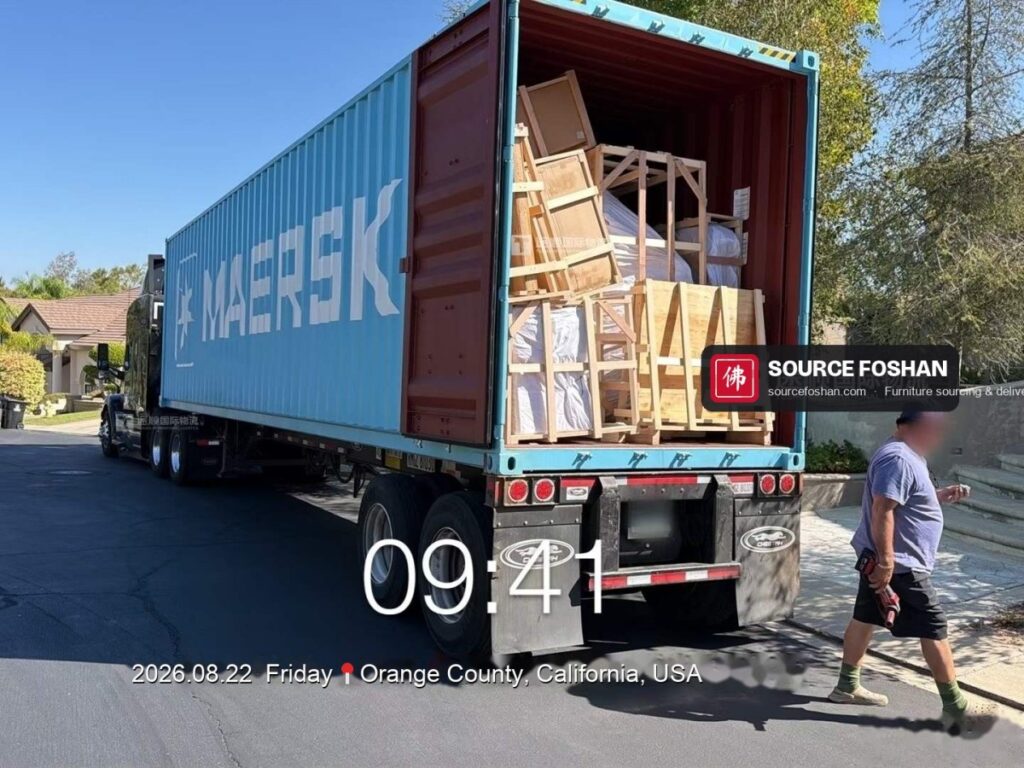
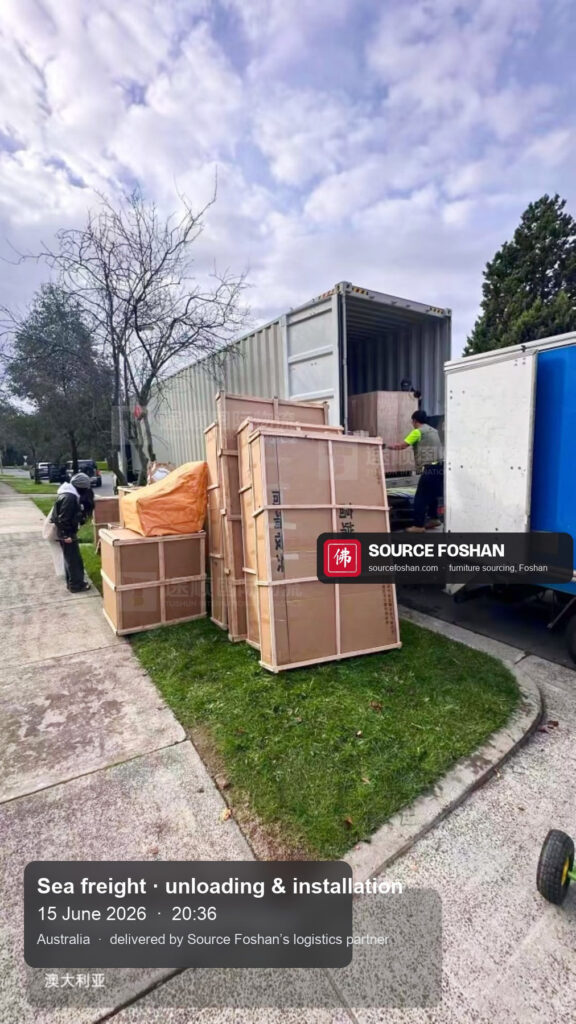
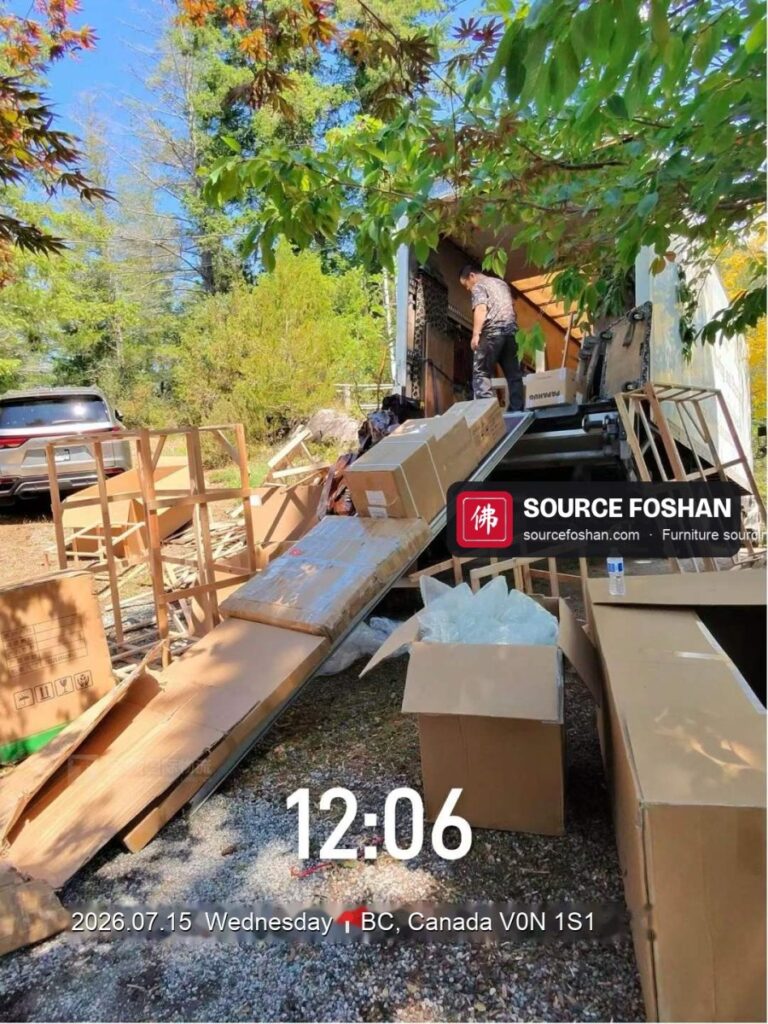
Other people’s shipments, not ours. In September 2026 we read 216 first-hand Chinese-language shipping notes and 872 comment threads from buyers who moved furniture out of China to nine markets, and cleared their photographs for publication. They are the least flattering and most useful pictures on this site: crates on strangers’ drives, cartons in hallways, and the packing that decided whether any of it survived. Our own delivery photographs are in the case notes below.
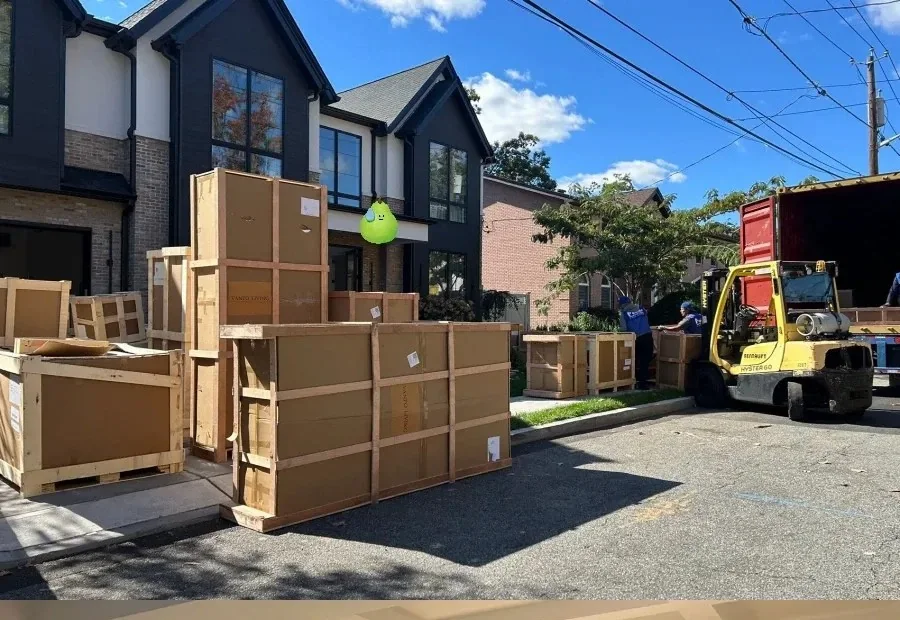
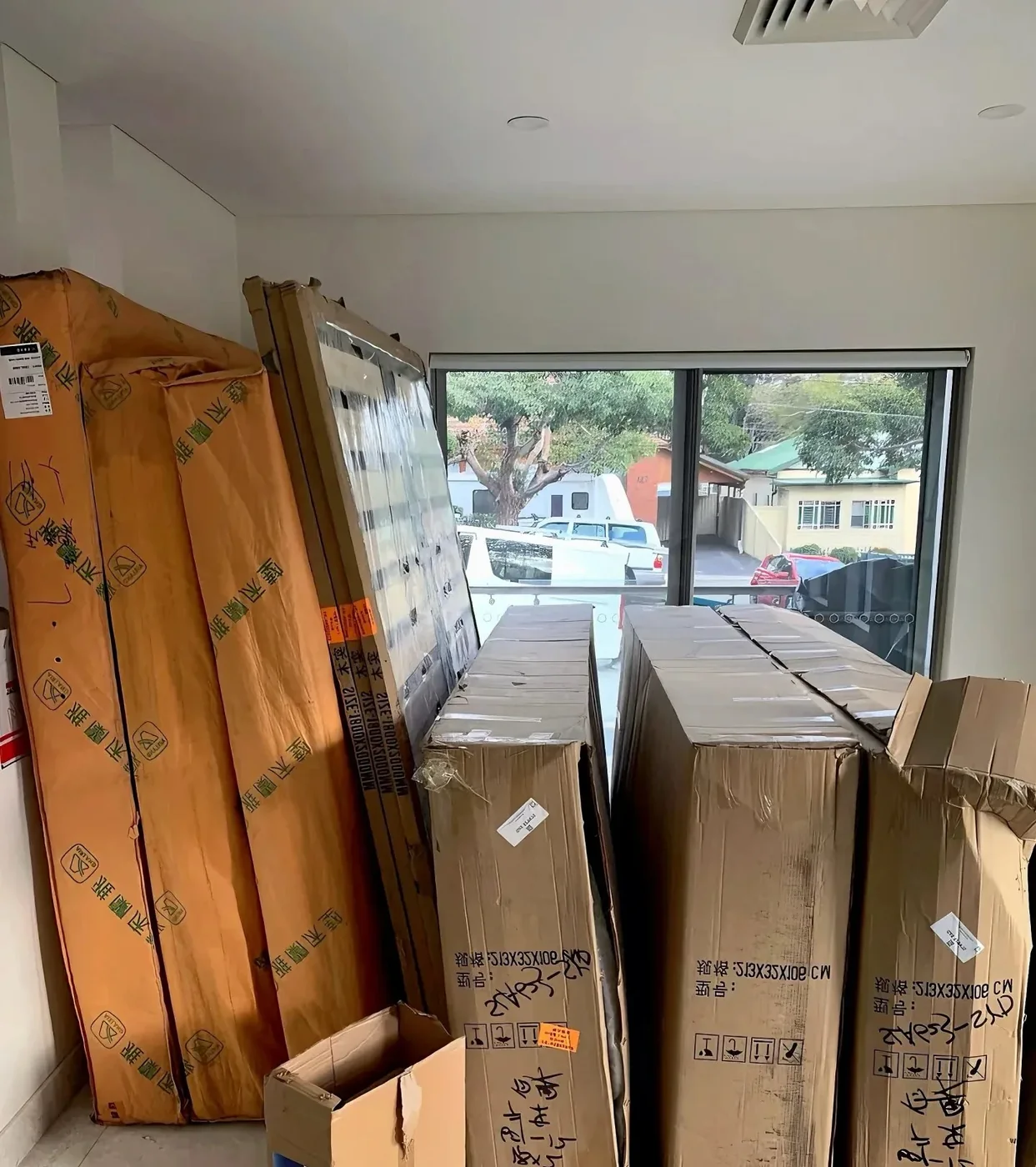
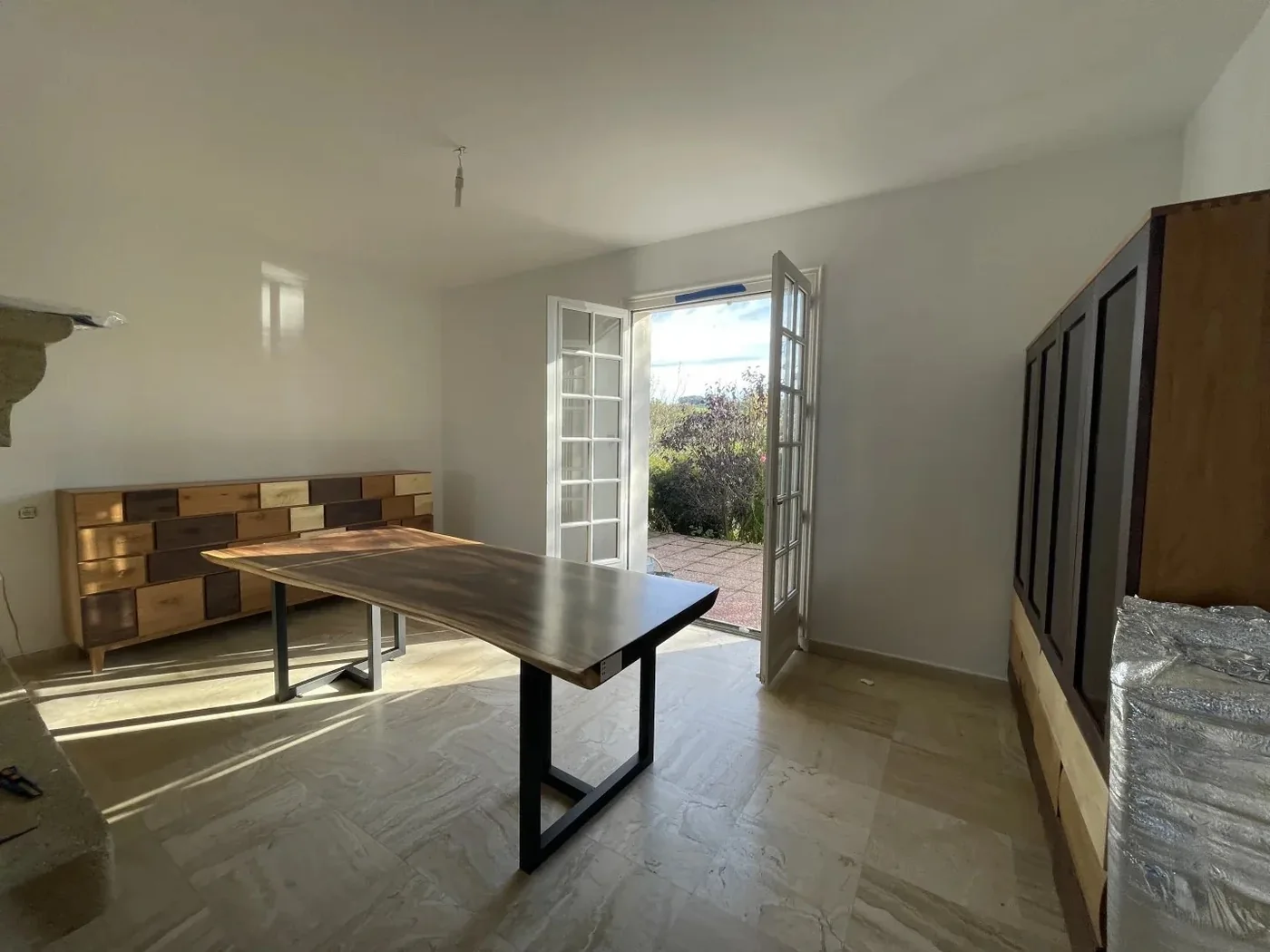
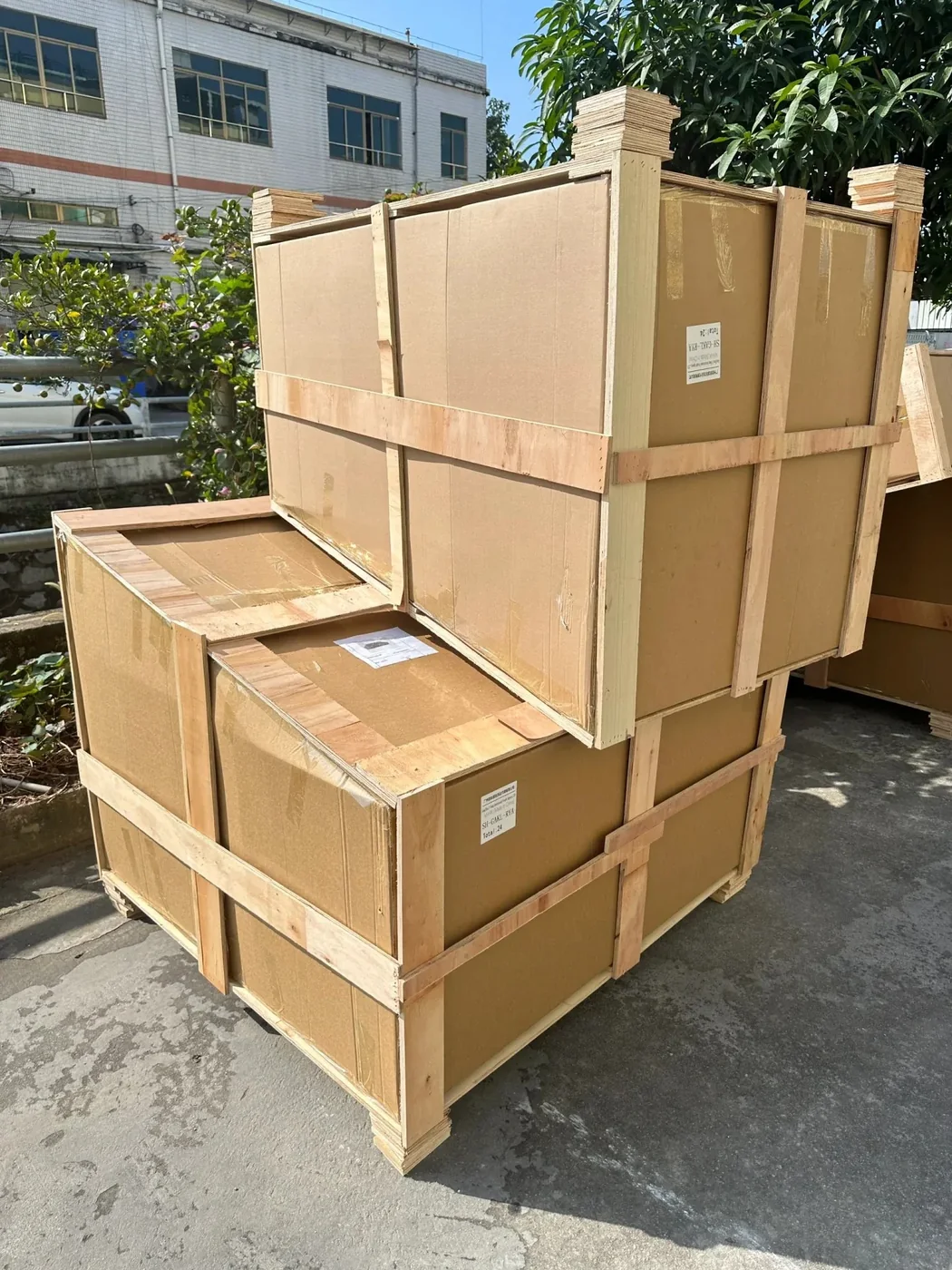
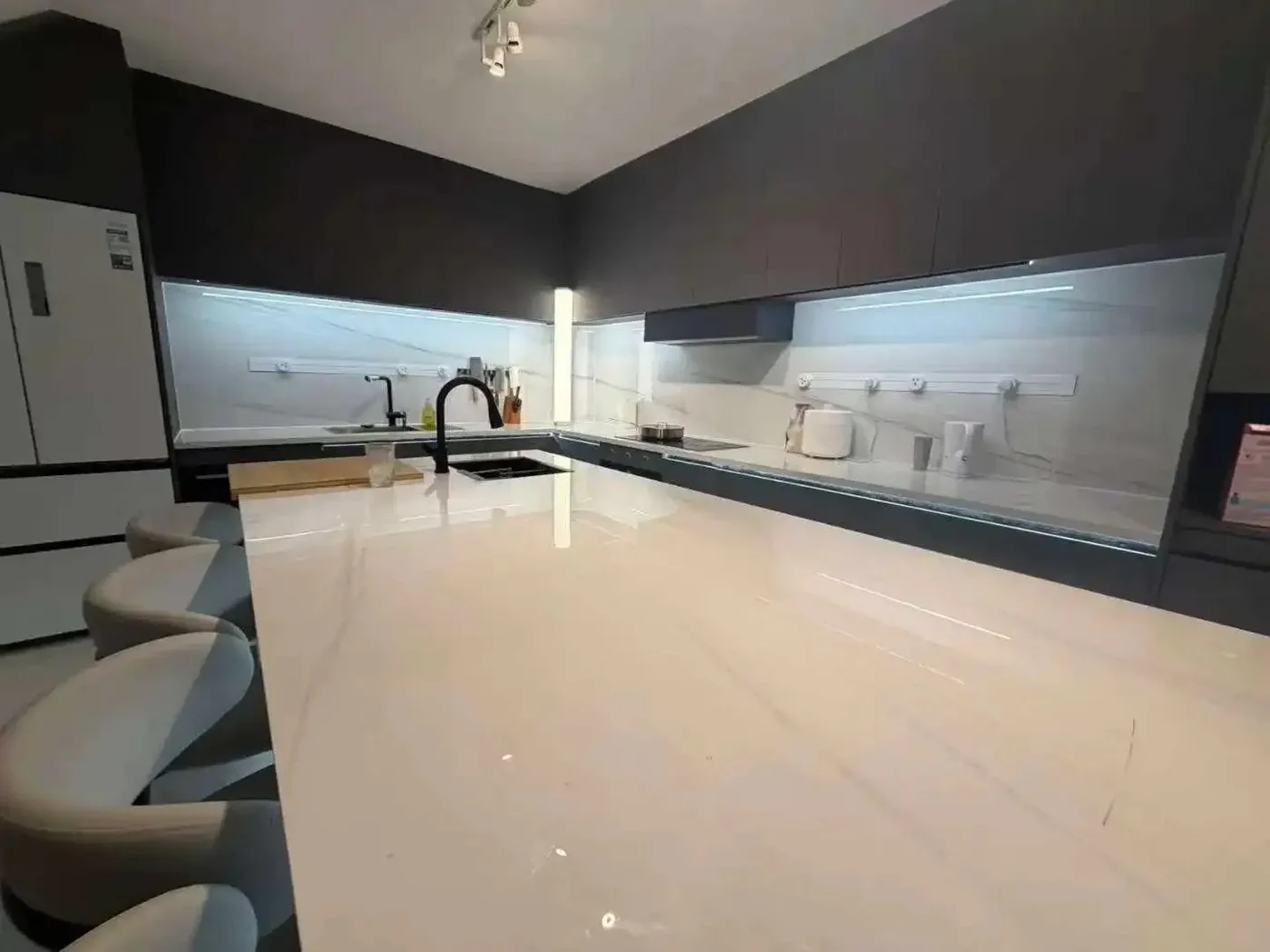
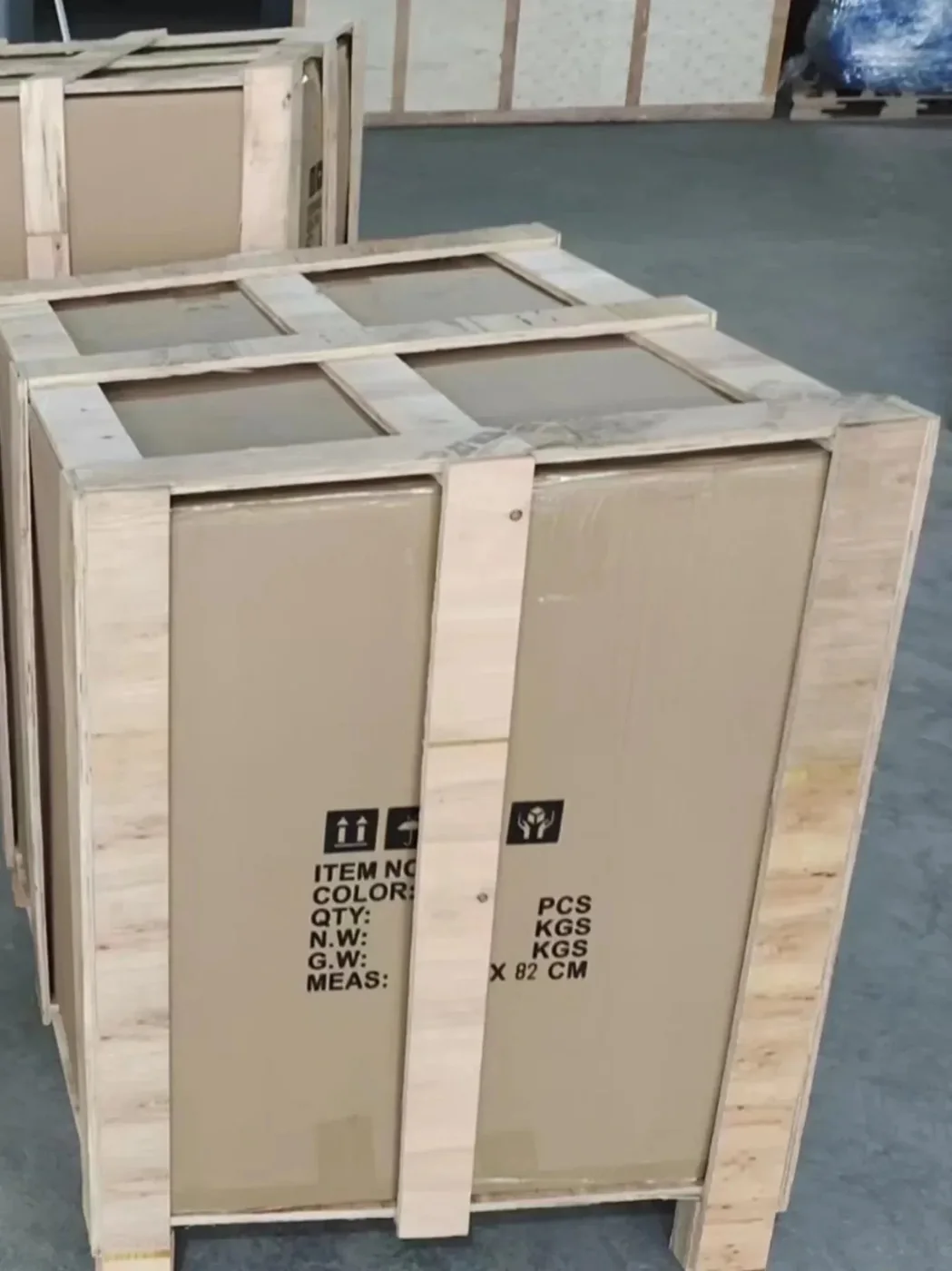
Published with the rights holder’s permission. Faces, house numbers, vehicle plates and third-party company marks have been cropped or redacted; nothing else in these frames has been altered. Each destination guide carries the photographs and the field notes for its own route.
Send your list and your destination
Quantities, rooms or a rough list are enough. You get compared factory options, packed volume and a shipping route within one business day.
الحقول المُحددة مطلوبة.
No spam, no obligation. Replies come from the sourcing team in Foshan, usually within one business day.