Fournisseurs
Subcontracted upholstery: who controls materials and rework
Define who controls materials, sewing, inspection and rework when upholstery is subcontracted, using a traceable specification and written responsibilities.
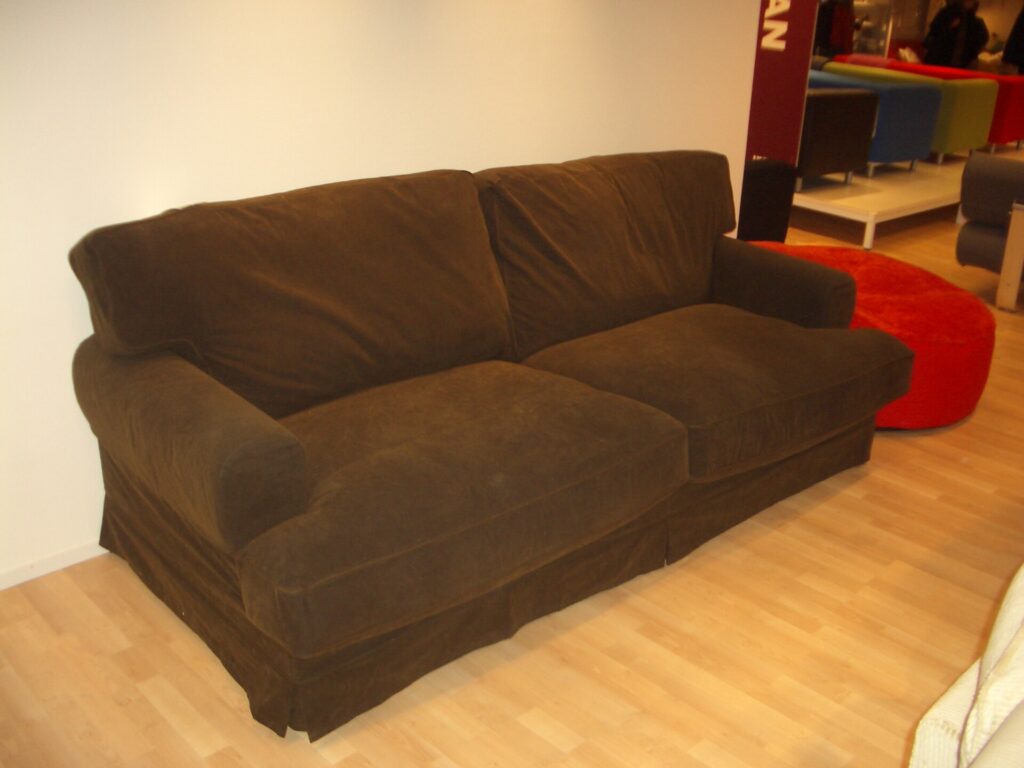
The short answer: outsourcing cover cutting or sewing can be a normal way to make upholstered furniture, but the buyer needs one named party responsible for the approved material, the handoff to the specialist, acceptance of the returned work and correction of defects. Identify who buys and owns the material at each stage, who controls the cutting pattern and sample revision, who may approve a substitute, who inspects the returned covers, and who pays for and schedules rework under the proposed agreement. The buyer’s seller should not leave these questions to a casual conversation between workshops after a problem appears.
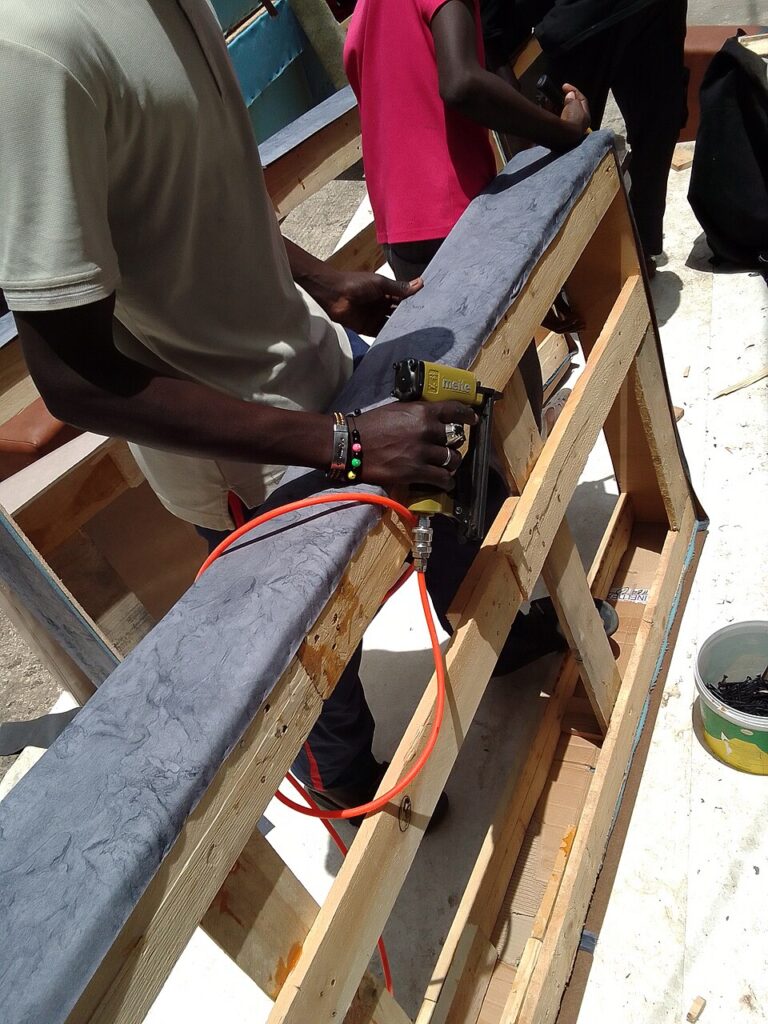
A first-person Xiaohongshu account of a Longjiang furniture visit reports seeing sofas in a small workshop and being offered a change of leather on a model. This is the visitor’s observation and offer as reported, not evidence about that workshop’s material source or who would perform the change. It gives the buyer the right next question: once a covering is selected, which party is accountable for the actual material and the finished result? The eight credited photographs below are unrelated illustrations, not photographs of the cited visit or a Source Foshan order.

Fix the approved version before materials move
A buyer may approve the look and feel of a showroom sofa yet leave the production material vaguely described as “same leather” or “matching fabric.” That is insufficient when two businesses share the work. Record the item drawing and revision, approved covering code and color, supplier or allowed equivalent rule, sample reference, panel orientation or pattern instructions where relevant, stitching details, trims and visible acceptance points. Retain a controlled sample or clear comparison reference for both the assembler and sewing specialist. If the upholstery is made to fit an updated frame, the frame and cover revisions must move together.
Name the unit of control. Is it one bespoke sofa, a set of modular units, or a lot of 100 chairs? A specialist may cut multiple covers from one roll and return them in batches. The order record should let the assembler connect received covers to the material lot, cut-ticket group and finished furniture units. This is not a demand for the buyer to manage every needle and thread; it is the minimum route back to the approved specification when a mismatch is discovered.
Les published Longjiang sofa and upholstery guide provides context for evaluating this product family. It does not tell you how a particular maker and specialist divide responsibilities. Ask the supplier to draw the route for your item rather than assume every process is under one roof.

Make material custody explicit
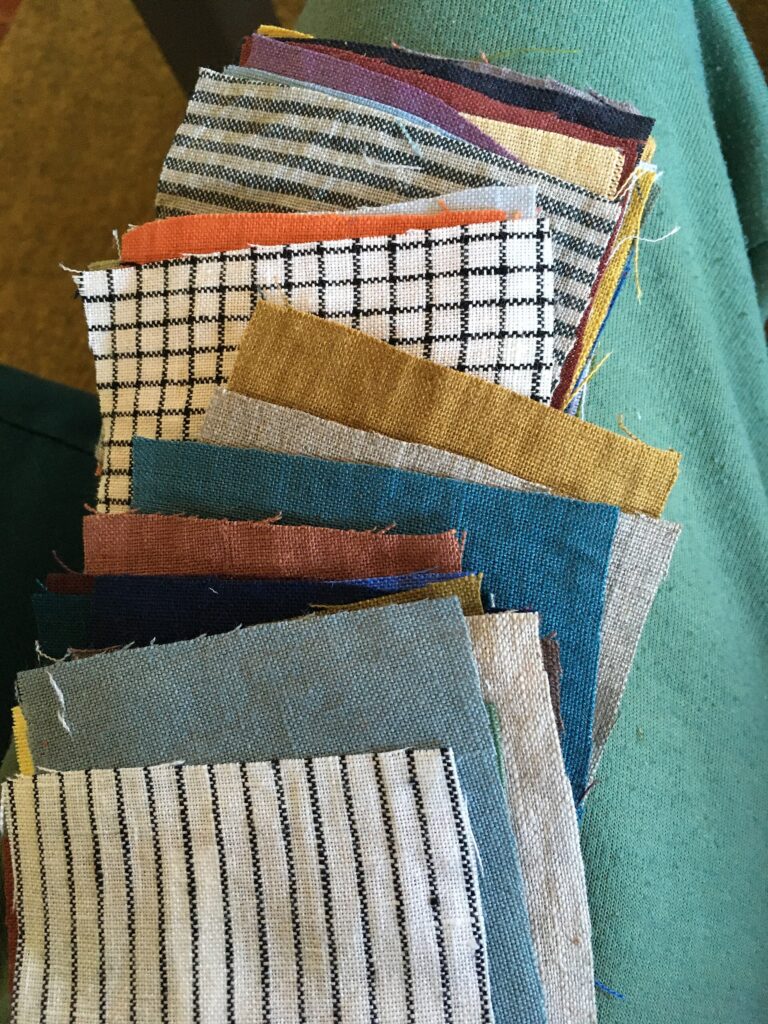
Use a one-page matrix for the exact production lot. One column names the action, one names the party physically holding the material, and one names the party that approves or records the step. The following is a buyer worksheet, not a description of a real supplier’s procedure:
| Transfert | Record the buyer should ask for | Decision owner to name |
|---|---|---|
| Material purchased or supplied | Supplier, code, color, quantity, lot or batch reference. | Who confirms it matches the approved sample? |
| Material issued for cutting | Roll or hide ID, cut-ticket quantity, expected yield, date and recipient. | Who may release cutting? |
| Covers returned from sewing | Returned quantity, identifiers, visible defects and receipt date. | Who accepts or quarantines them? |
| Covers fitted to frames | Item or batch reference and fit/appearance check. | Who approves final upholstery? |
| Scraps, surplus and rejected material | Count, disposition and custody. | Who authorizes use, return or disposal? |
Do not assume that paying for material gives the buyer practical control over it. The relevant commercial arrangement must state who owns and holds stock, who insures or replaces loss if that matters, and what records the buyer can request. These are transaction-specific terms for the parties to agree and review, not a legal conclusion from a photo of rolls in a storeroom.
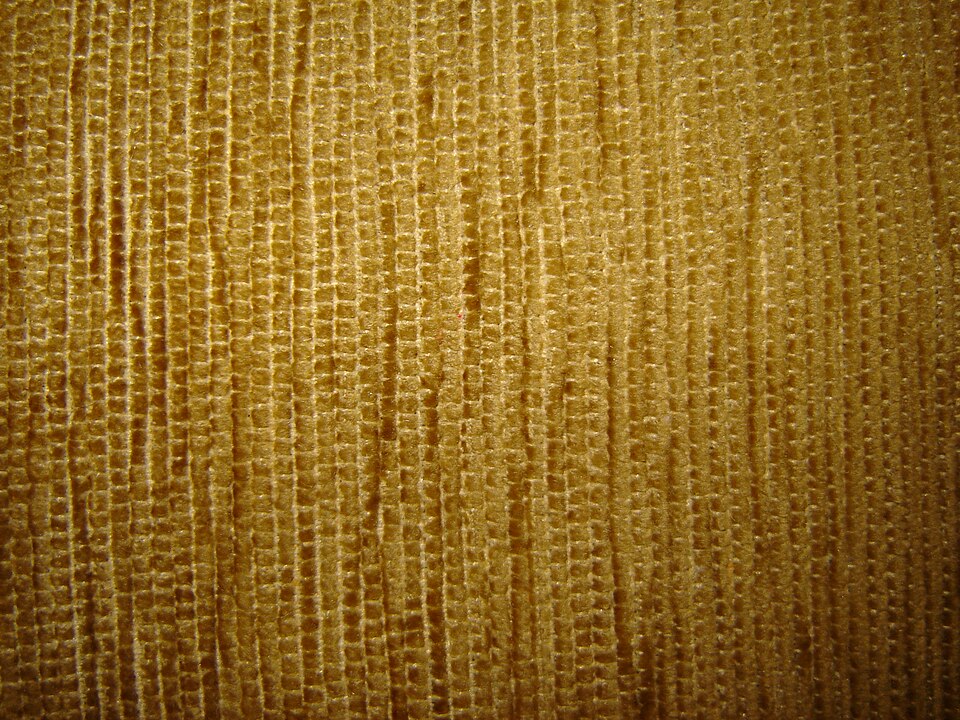
A textile close-up can show weave or surface, but cannot by itself establish the roll identifier, color consistency across a lot, or suitability for the agreed destination. Request the approved reference beside the actual incoming material, with enough context to identify both. If a material is substituted, a new appearance check may be necessary; any formal performance or regulatory claim requires its own applicable primary requirement and evidence.

Put a stop rule before cutting and sewing
The highest-cost moment to discover a mismatch is after covers are cut, sewn and fitted. Agree on a short stop rule: if the material code, shade, quantity, pattern, frame revision or delivery date no longer matches the approved packet, the specialist pauses the affected batch and tells the assembler; the assembler tells the buyer’s named approver before substituting or recutting. A “similar” fabric does not become approved because the original roll ran short.
For a printed or directional covering, record whether panels must align across seats, arms and backs. For a plain covering, record the visible shade or texture reference and what range the buyer accepts. Avoid inventing a universal numerical tolerance; the appropriate visual and technical criteria depend on the product and agreement. Ask who checks the first cut panel and first sewn cover before the remainder of the lot proceeds. The buyer can then compare early evidence with the approved sample and catch a systematic problem while rework is still limited.
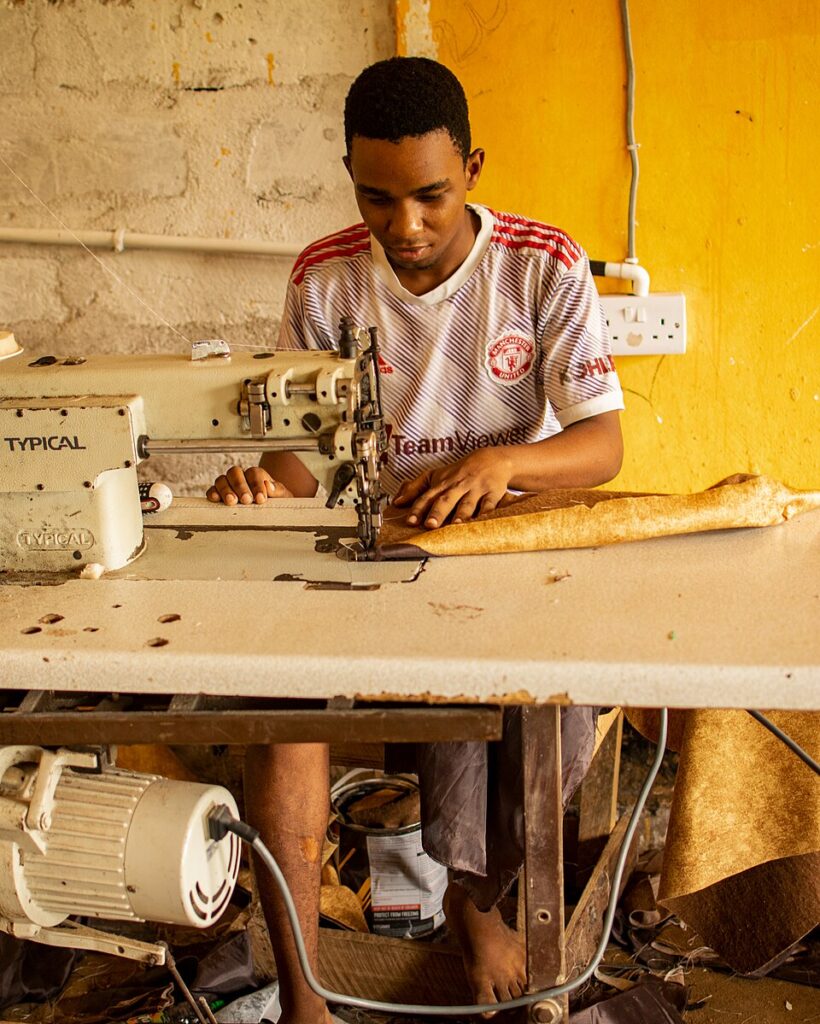
The sewing specialist may be capable and independent. That does not change the buyer’s need for one coherent seller response. The published factory-verification guide helps with broader supplier and site questions; here the essential distinction is between who performs work et who controls the promised output and exceptions for this order.

Inspect what returns to the assembler
A returned cover is not finished furniture. At receipt, count it against the cut ticket, confirm identifiers, look for visible marks, seam defects and dimensional mismatch, and separate suspect pieces from usable ones. Then fit an agreed sample to the correct frame revision before accepting the full batch. Record the result with dates and item IDs. If only a handful of pieces are checked, state the sample size and how those pieces were chosen. A pass on one cover is not a pass on every cover.
The assembler should also check whether the specialist returned enough matching material for repairs or replacement panels when the order requires them. If a repair uses a new dye lot or altered texture, the buyer may prefer a replacement cover or revised approval. The method should be agreed while the original material is available, not improvised after the goods are already packed.
A visit to the final assembler can show frames and fitting, but it might miss cutting and sewing done elsewhere. An order-specific process map should therefore record the subcontracted site and the receiving control without pretending a factory tour saw all stages. If the specialist’s identity is commercially sensitive, ask for the operational evidence and access rights necessary to verify the lot while respecting agreed confidentiality.

Keep material claims separate from a photo of equipment
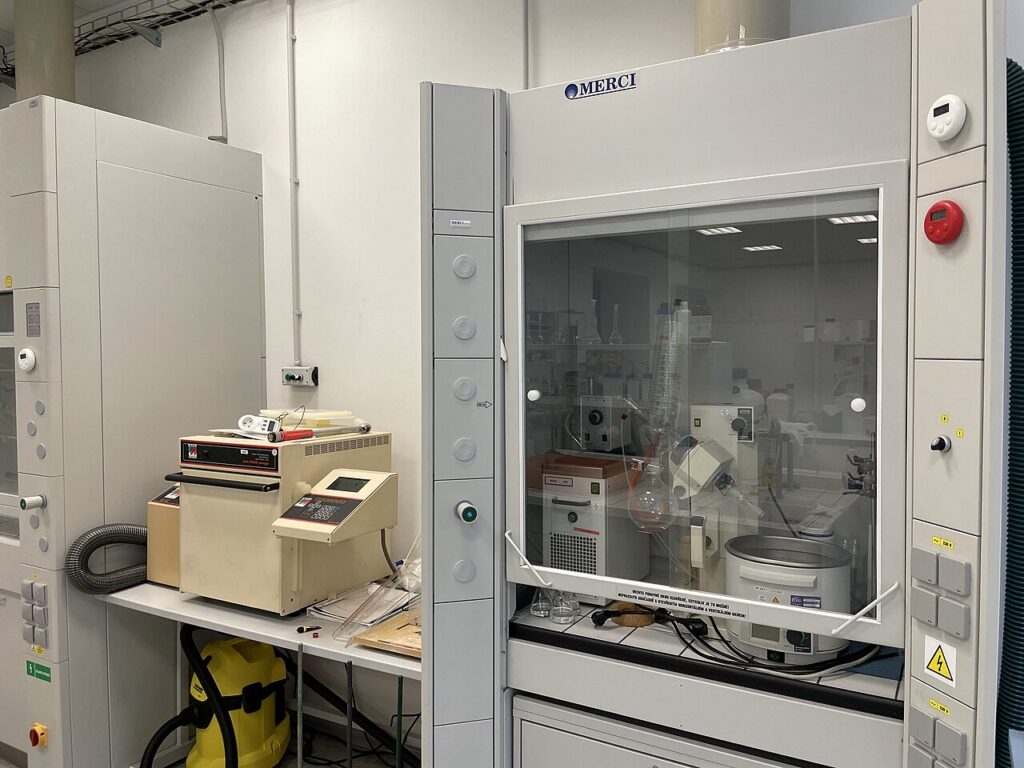
A supplier may show a laboratory device, test chart or confident statement about a fabric. A machine photograph proves no particular result for the buyer’s lot. If a performance claim matters to the order, request the actual report, method, sample or lot identity, date and issuing party. Check that its scope matches the material actually issued to the specialist. If the destination requires a legal or product-standard determination, use the applicable primary authority and qualified review; this article does not certify any material.
Even without a formal standard, the buyer can define visible acceptance criteria and an inspection protocol for the order. State which differences are acceptable, which trigger repair or remake, and which require the buyer’s written decision. A defect that is barely visible on a loose cover may become prominent once stretched over a frame. Check at both handoffs where that risk matters.

Route rework by cause and decision, not by blame
Create a defect ticket for each affected batch or repeated issue. Record the order and item IDs, approved revision, material lot, observed defect, first detection point, quantity affected, photos with context, containment action, proposed fix, decision owner and date. The team can then distinguish at least three kinds of question: Was the material supplied incorrectly? Was a correct material cut or sewn incorrectly? Did a correctly sewn cover fail because the frame or assembly changed? A single word such as “quality” does not tell the parties what to correct.
Rework choices include local repair, remake from retained material, new material purchase, replacement of the whole upholstered unit, or buyer acceptance of a documented variation. The agreement should say who may choose among them, what evidence is needed for approval, who bears agreed cost and delay, and how a repaired item is reinspected. Do not promise the buyer a free remake by assumption; cost allocation depends on the contract and cause. The operational control is to prevent a rejected piece from returning to the accepted pile without a new inspection and traceable disposition.
Imagine a fictional order of 60 chairs. Thirty covers return from an outside sewing workshop; six appear a different shade from the approved reference. The assembler says the textile supplier changed lots, while the sewing shop says the roll was issued by the assembler. The buyer should hold the six and any unverified matching pieces, request the roll and cut-ticket references, compare the approved sample to both lots, and ask for a written proposal before the remaining 30 covers are cut. The example is invented; it illustrates why custody and stop rules matter more than an immediate argument about fault.


Close the loop before shipment
Before a batch is packed, reconcile material issued, covers returned, covers accepted, covers reworked or remade, and finished units released. The counts should tie to the order quantity; any variance needs a reason. Ask the seller to identify the final approver for appearance and fit and to retain the approved change history. If the buyer has an inspection right, the visit or remote check should include the previously defective characteristics, not only new random areas.
The buyer’s release decision can be accept, accept under a named condition, ou hold. A condition might be a replacement sample, signed material substitution, a completed rework check or a revised ship date. Put that condition in writing and attach it to the purchase packet. An unsigned chat promise is too easy to lose when the specialist and assembler are separate organizations.
Your next action is to send the seller the five-handoff custody matrix and ask for the actual parties, material codes, first-cover approval point and rework decision owner for the proposed order. If those names and records are still unknown, resolve them before cutting production material.


Photo credits and limits
These eight genuine photographs are unrelated illustrations from eight distinct Wikimedia Commons pages. Each caption links the photographer and licence. None depicts Source Foshan staff, the cited buyer, a verified Foshan subcontractor or the fictional order. The photo ledger records original pages, rights, article use, media IDs and file hashes.