الموردون
Workshop photographs versus factory audit evidence
A workshop photograph can show that a visible item, process or place existed when that image was made , if its origin is credible.
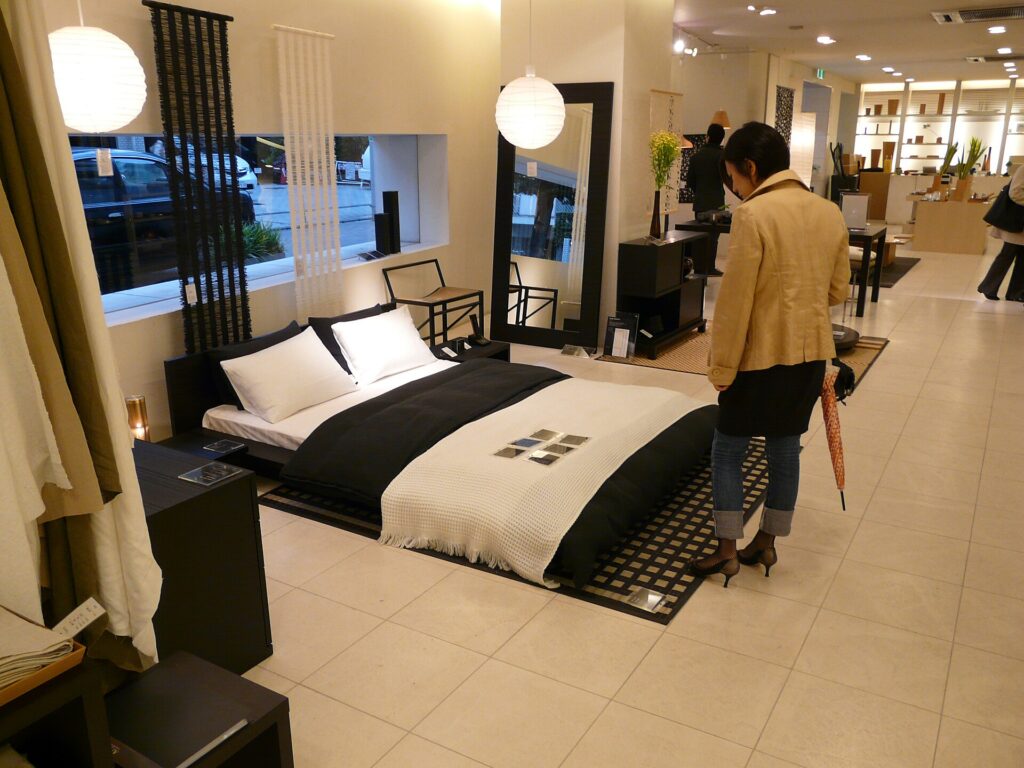
The short answer: a workshop photograph can show that a visible item, process or place existed when that image was made, if its origin is credible. It cannot alone establish the site’s identity, current operation, production capacity, the material inside a finished sofa, or compliance of your order. A useful factory audit is a defined investigation: it states the buyer’s question, the exact product and site, who observed what and when, which dated records were examined, how samples were selected, and what remained unresolved. Use images to choose questions; use traceable observation and records to make a purchase decision.
This distinction matters when the buyer cannot travel. A first-person Xiaohongshu account from a New Zealand furniture buyer describes filtering out polished showroom-only posts, asking for detail photographs, real-product video and live video contact. That is the author’s reported screening method, not proof that a seller willing to show video is reliable. A seller can demonstrate one attractive sample while the buyer’s production lot remains unexamined. The eight credited photographs here are unrelated illustrations; none is evidence from a Source Foshan audit.

Give each image one bounded claim
Write a single sentence under every received photo: “This image appears to show .” Then add a second sentence: “It does not establish .” For example, a photo of a CNC machine may show machine presence. It does not establish ownership, calibration, the operator’s skill or throughput for your SKU. A neatly stacked carton may show packed goods. It does not establish their contents, acceptance status or destination. This two-sentence exercise prevents an image from silently carrying several unrelated promises.
إنّ published factory-verification guide is useful for wider identity and site checks. For visual evidence, begin with the object in view and the source of the file. Ask whether the image is a manufacturer catalogue, seller’s own camera file, client-submitted image or stock photo. If the source cannot be identified, treat it as an illustration until the supplier can connect it to a site and product. A watermark or brand sign in the frame may help formulate a question but does not authenticate the location or ownership.
A photograph can be genuine yet stale or irrelevant. A factory might have moved, changed equipment, or used that process only for a different product. Keep the original file if available, the sender, when it was supplied, any claimed capture date, the site claimed and the exact statement it was offered to support. Metadata can be missing or altered; it is a clue to compare, not a standalone certificate of authenticity.

Request a repeatable visual packet
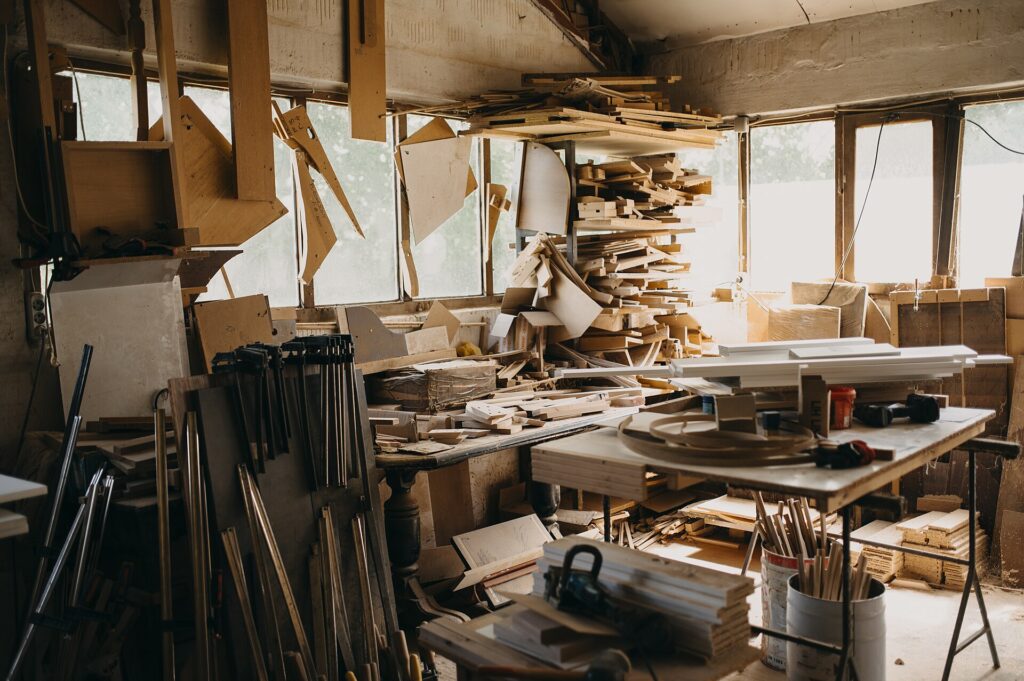
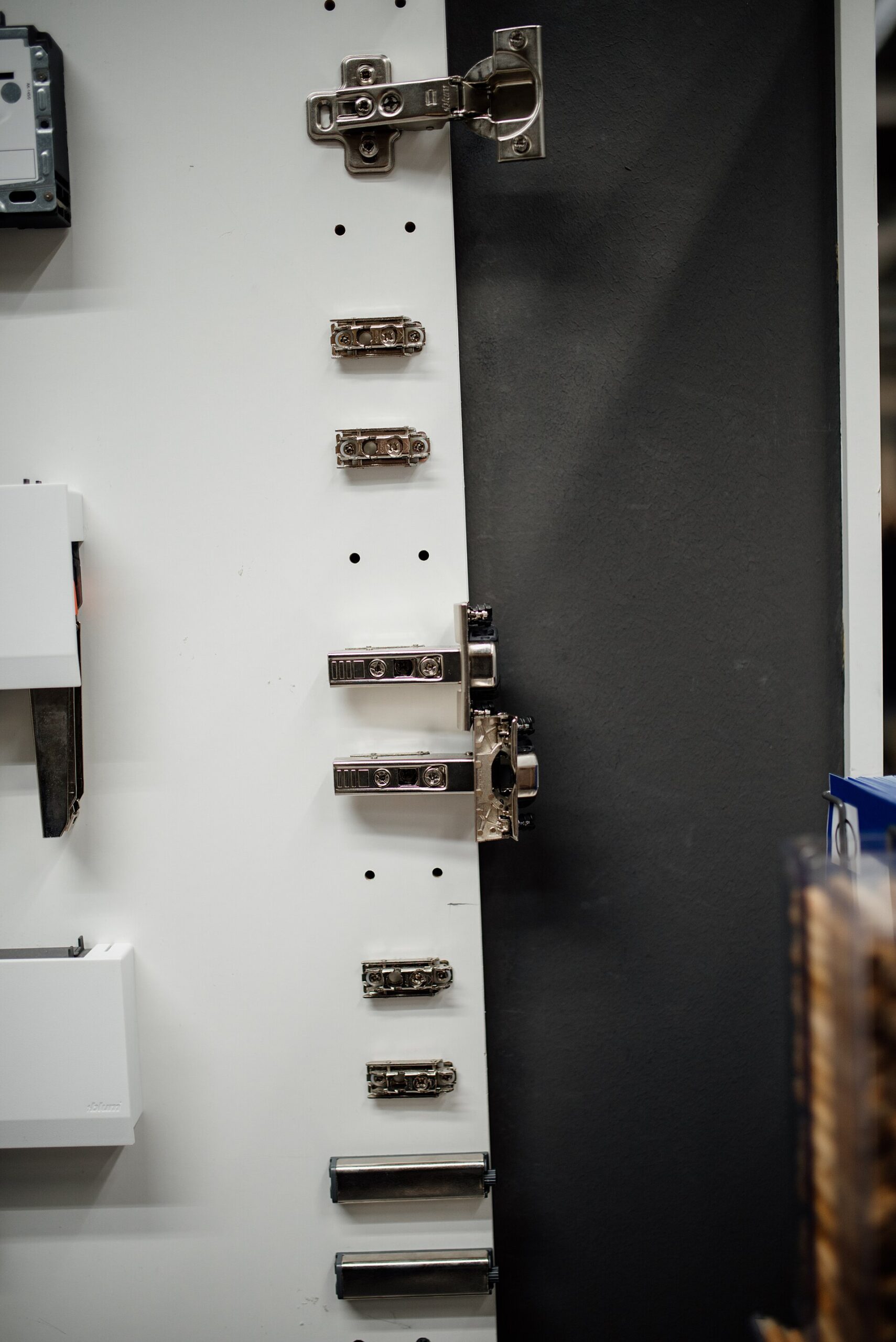
A good request is precise enough that different suppliers can answer it comparably. Name the item, drawing revision and question. For a cabinet, ask for a whole-item view, a detail of the approved hinge model and marking, a measurement against a specified datum, a view of the internal panel edge, and an image of the carton label connected to the same sample or lot. For an upholstered chair, substitute the critical frame, cover, stitching and packing details. Ask for a short continuous video when the relationship among parts matters. A live call can help the buyer direct the camera to an unplanned detail, but it still cannot prove unseen processes or every unit in a batch.
Request enough context in each frame to identify the object. A close-up of a hinge without the cabinet and order reference can be a photograph of any hinge. Conversely, a wide workshop view may show the location but hide the component you care about. Pair an overview with a detail and a readable identifier, taken in the same documented session where practical. Ask the supplier to state if the image is of a showroom sample, preproduction sample, current production batch or finished stock; those have different evidentiary value.
Do not demand that a supplier expose another customer’s confidential records. Mask unrelated buyer names and prices while retaining dates, product family, item IDs, quantities and acceptance dispositions needed for the specific claim. If even a redacted link between the image and your order is unavailable, mark the claim unverified rather than inventing a link.

Use an evidence ladder instead of a pass/fail photo score
| المستوى | What the buyer has | Appropriate conclusion |
|---|---|---|
| 1 — presentation | Catalogue, showroom or social-media image with no order identity. | Style or question prompt only. |
| 2 — attributable current visual | Supplier-supplied image or video with stated site, date, item and sender. | A visual observation to corroborate. |
| 3 — linked process record | Visual tied to drawing revision, job card, material receipt, inspection or dispatch record. | Evidence about a defined unit or batch, subject to record integrity. |
| 4 — scoped independent observation | Named reviewer visits or remotely witnesses a defined site/process, selects samples and records exceptions. | Stronger evidence for the stated scope and date, not a guarantee of future lots. |
The ladder is a buyer’s internal decision tool, not a certification scheme. A high level for one claim does not raise every other claim. A witnessed dimension check can support a dimension statement, but it says nothing about foam density inside another product. A supplier may progress from level 1 to level 3 by providing a few well-linked records without commissioning a full audit. For a costly or schedule-critical order, the buyer may choose level 4 for selected risks. Write the chosen threshold before reviewing the images so a persuasive photo does not move the goalposts.
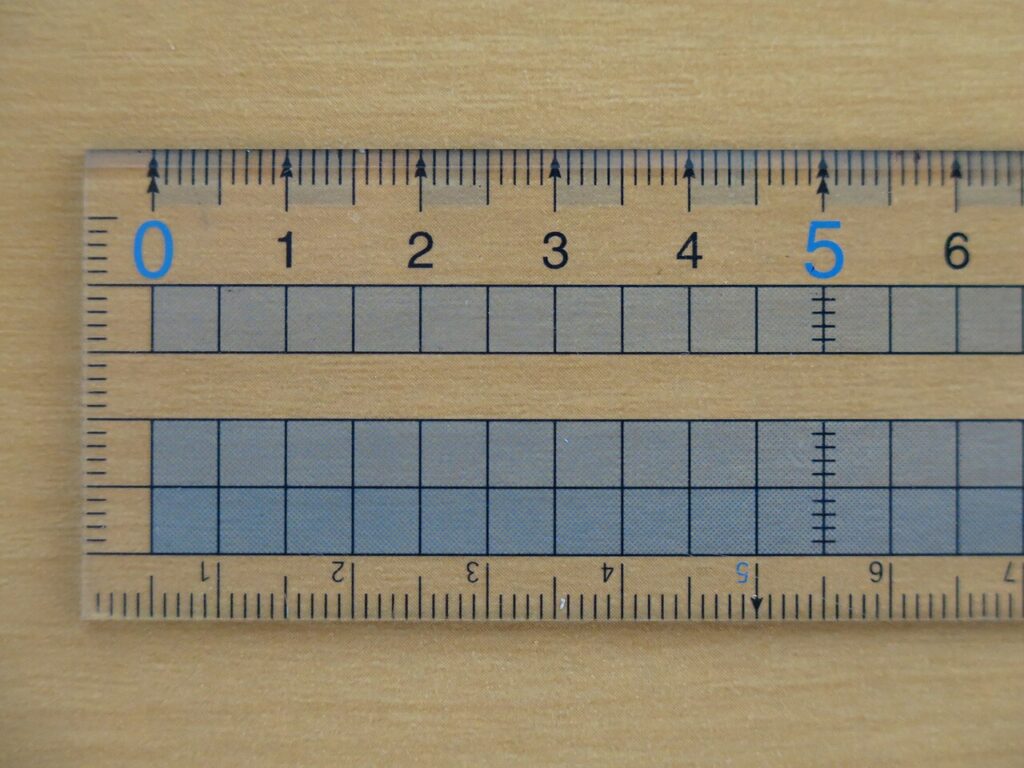
A dimension picture needs an identifiable datum and scale. If the seller measures from a decorative curve while the drawing specifies an internal opening, the image may be clear but answer the wrong question. Record the measurement point, instrument and tolerances agreed for the item. A buyer should not derive manufacturing precision from a ruler casually placed next to a product.

Define the audit question before paying for an audit
“Factory audit” is sometimes used loosely for a site tour, video call, document review, social-compliance assessment, product inspection or capacity study. Before commissioning one, specify the site, date or window, item or product family, purchase-order relevance, questions, access rights, sampling method, evidence to retain and report format. Decide who chooses the samples. A reviewer led only to the supplier’s best showroom piece may document that piece accurately while never seeing the production risk.
Possible questions include: Is this the site that performs the named process? Does its record system connect incoming material to current jobs? Are inspection results retained and exceptions dispositioned? Is the proposed lot at the stated stage? Each requires different observations and records. If the buyer needs to know output capacity, ask for a separate product-specific capacity scope and dated production records. If the buyer needs ownership or legal-party checks, photographs of machinery will not resolve those either.
The audit report should distinguish observed, supplied by the factory, independently corroborated and not assessed. It should also state where access was refused or samples were too small. Avoid a single “passed audit” label unless the report defines exactly which requirements passed and on what evidence. A site may be suitable for one product family and untested for another.
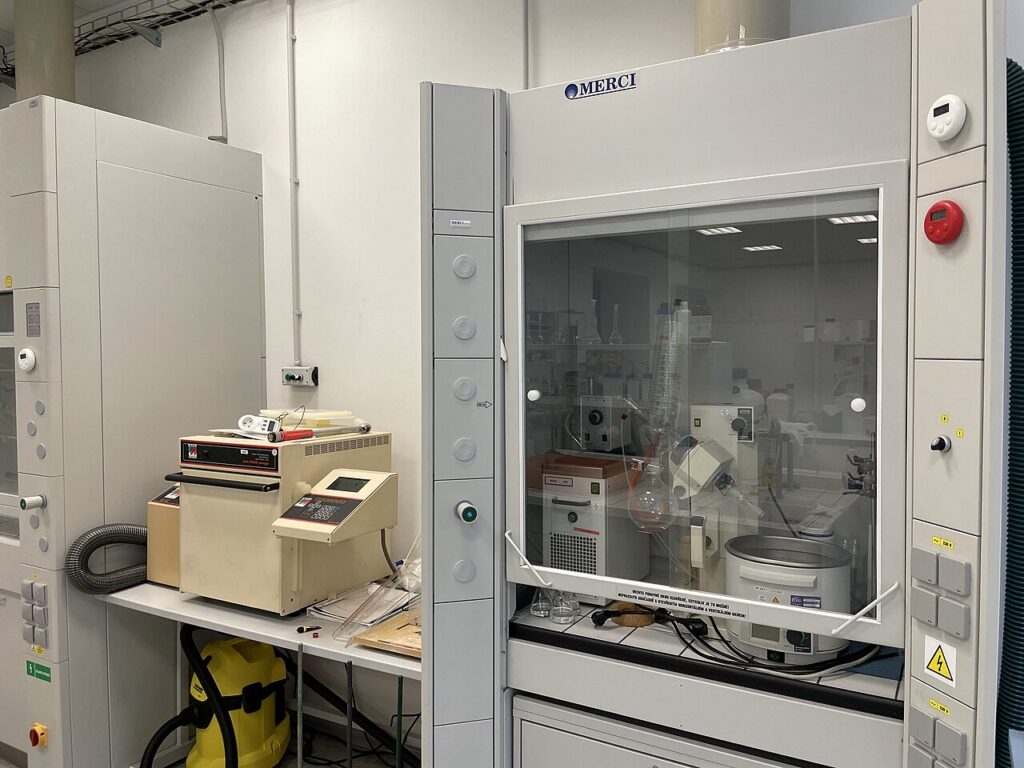
A test machine photograph is a common example. It shows equipment, perhaps in a laboratory. It does not prove that the specific textile lot was tested, under which method, with what result, or whether the report belongs to this supplier. Ask for the actual report and traceable lot or sample link. If a product-standard or legal compliance conclusion is needed for a destination market, review the original applicable requirement and test evidence with a qualified specialist; this article makes no such compliance claim.

Keep an exception sheet, not a gallery of attractive files
For each purchase-critical claim, record: claim owner, requested evidence, received image or record, date and origin, what it actually supports, gap, responsible reviewer and release decision. A compact sheet might contain these entries:
| Supplier statement | Visual offered | Remaining question | Next evidence |
|---|---|---|---|
| “This is our current workshop.” | Wide interior photo. | Which site and date? Does it make this item? | Site identity, live guided view and current job reference. |
| “We use the approved hinge.” | Close-up of a hinge. | Which model and which lot? | Approved model code, incoming receipt and installed-unit sample. |
| “The order is finished.” | Stacked cartons. | Accepted or still awaiting inspection? | Final acceptance and packing list tied to the order. |
Keep rejected or superseded files in the audit packet with their status, rather than deleting them. They explain why a claim changed. Record the supplier’s response to each exception and the buyer’s resolution. When evidence is late, mark the decision “hold pending evidence” instead of treating silence as consent.
A buyer’s team may assign different reviewers: sourcing for party and site context, quality for product and process observations, logistics for packing and dispatch, finance for payment gates. Put the claims in one packet so the same image is not interpreted differently across chat threads. The دليل مُصنّعي الأثاث في فوشان supplies regional context; it is not a substitute for this order’s evidence packet.

Match warehouse images to status and time
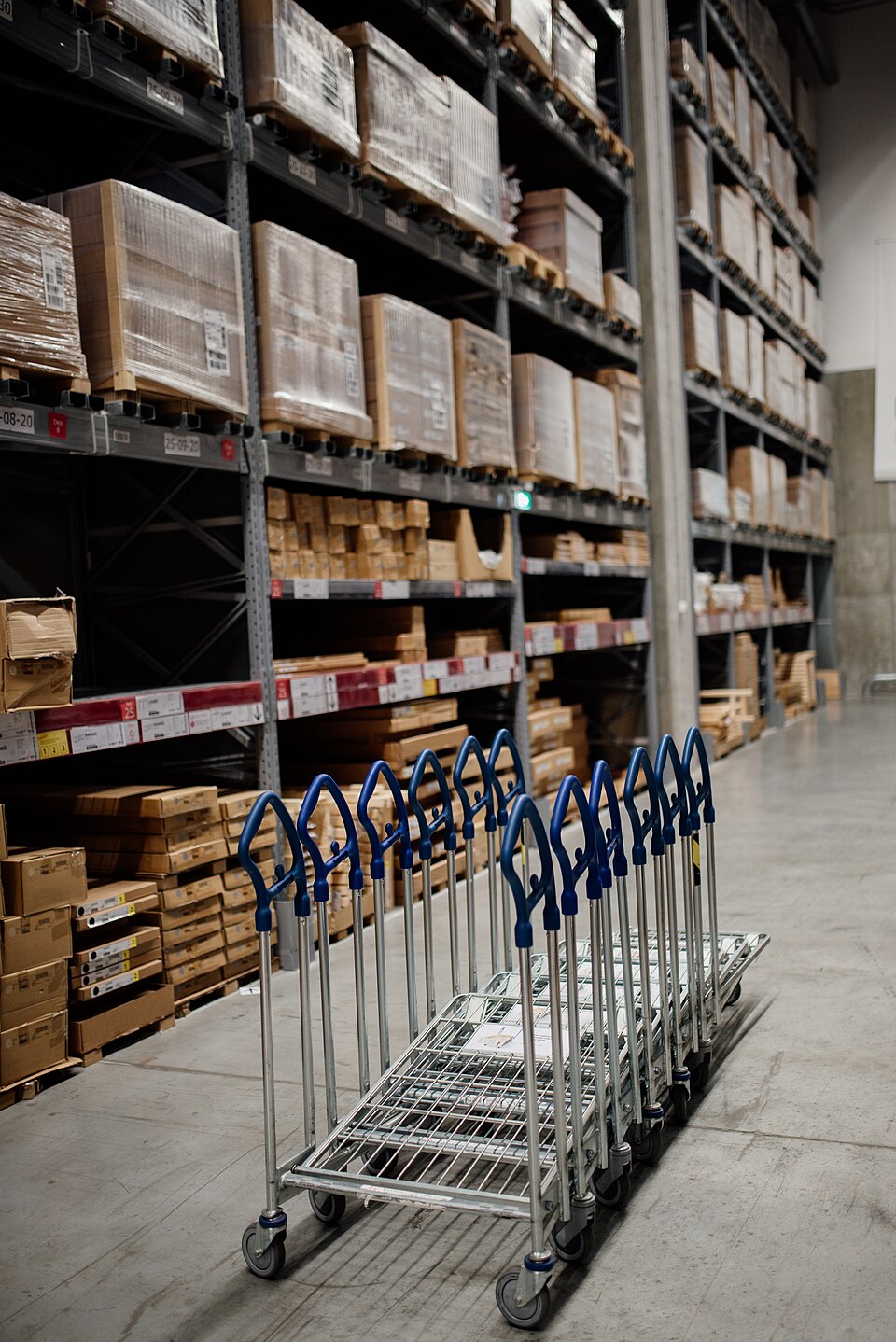
Images of finished goods are persuasive because boxes look like progress. Ask whether they show raw materials, work in process, rejected goods, accepted units, another buyer’s stock, or goods ready to load. An item label, order reference and dated packing or inspection record can connect the image to a batch. Without that link, do not infer the quantity available for your shipment. A factory may honestly share a current warehouse picture that has no bearing on the buyer’s order.
If the supplier sends repeated progress photos over time, compare identifiers and backgrounds. The same attractive sample photographed from new angles is not a sequence of production milestones. Ask for the specific unit count accepted at each point and the document that records it. If a live remote view is used, request a directed view of the relevant batch labels and process state, while acknowledging that the camera still covers only what it was shown.

Release only the claim that was actually supported
Before a deposit, sample approval or shipment release, mark each critical statement supported for this scope, conditionally supported, or unresolved. State the reason and the next gate. A visually confirmed sample may justify progressing to a controlled production trial, while leaving capacity and whole-batch quality unresolved. A scoped independent check may support a specific batch’s inspection status while leaving future deliveries open. Avoid converting one positive visual observation into a blanket supplier endorsement.
Your next action is to send a two-page visual evidence request: one page identifies the product, revision, site and five targeted photo or video views; the other lists the records that must connect those views to the order. If the supplier cannot or will not provide them, decide whether an independent scoped visit is proportionate. Keep the resulting decision and exceptions beside the contract and specification, not buried in a photo album.


Photo credits and limits
All eight photographs are licensed, unrelated illustrations from eight distinct Wikimedia Commons source pages. Each caption links its photographer and licence. None is a Source Foshan workshop, an audit finding, the cited buyer’s goods or proof of a supplier claim. The photo ledger retains source pages, licences, article purpose, media IDs and file hashes.