ملاحظات ميدانية
Market showroom claims that need written evidence
Write down any showroom statement that could change the product, price, delivery or risk, then ask for a dated document tied to the exact item and seller .
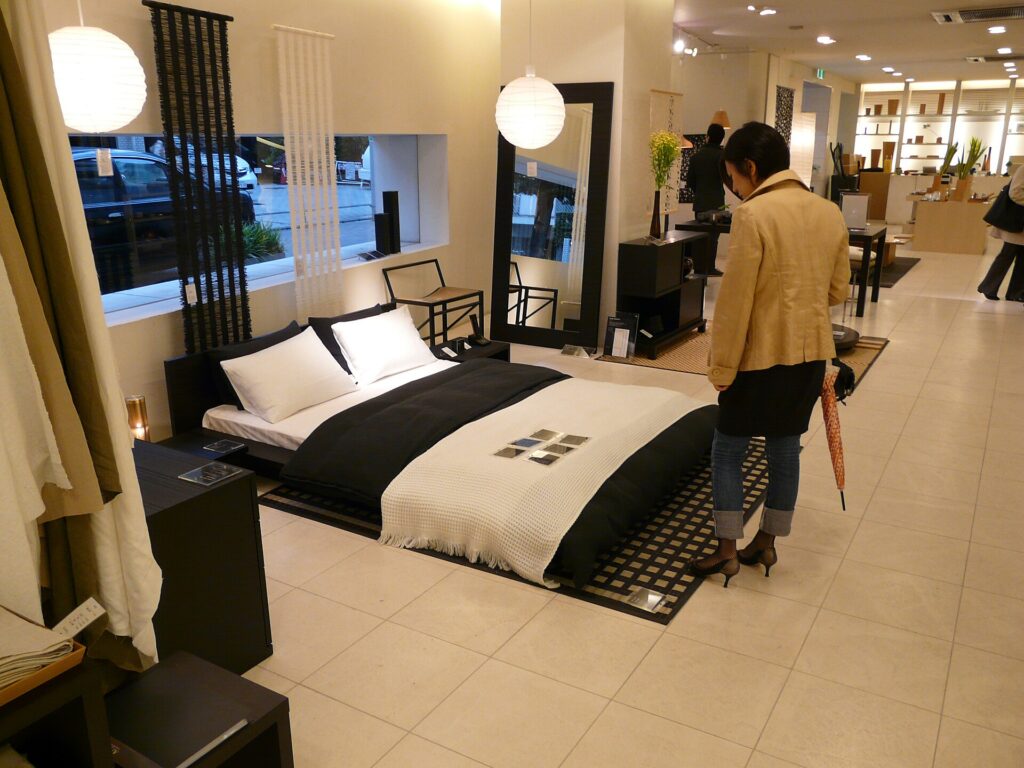
The short answer: write down any showroom statement that could change the product, price, delivery or risk, then ask for a dated document tied to the exact item and seller. A sample on the floor proves only what you can observe about that sample. A salesperson’s description is a claim. A supplier specification is a written declaration. A test report, inspection record or company record may provide stronger support, but only when its issuer, scope, date and item match the proposed order. Hold the affected purchase line when an important claim cannot be reconciled.
إنّ دليل سوق الأثاث في Foshan covers where and how to inspect market offerings. This guide addresses a narrower moment: you have found a promising item, and someone says it is solid wood, factory made, tested, ready in four weeks or delivered to your door. Which of those words can safely enter the order? The eight licensed photos below are unrelated illustrations. They do not document a Source Foshan visit, Foshan seller, cited buyer or verified shipment.

Capture the claim before it changes shape
Create one row per assertion while still at the showroom. Give it an ID, such as C-014, and record the speaker, trading company or booth name, date, language, item/model, exact words and the buyer decision it affects. Save the photo of the item tag and the original chat or card separately. If the statement was spoken, send a neutral recap: “For model S23 in fabric F08, did you mean the seat cushion uses this foam grade?” Ask the seller to confirm or correct it. Your own recap is not seller-issued evidence until the seller responds.
Record a scope column too. A display sofa may have premium upholstery while the quoted variant uses a standard fabric. A cabinet door may be solid timber while its carcass is panel. “This one” might refer to the sample, the catalogue family or the exact line in the quotation. Write the physical sample reference, product code and variant code beside the claim. If those identifiers do not match, keep the row open. Photographs help identify a physical detail; they do not establish concealed construction or future production consistency.
A first-person Xiaohongshu account of a Foshan furniture buying trip says the buyer could judge visible workmanship, seating feel and fabric feel but could not independently check concealed springs, foam density or frame wood once covered. That is a useful boundary between observation and assertion. The post is one self-reported experience, not independent proof about any named seller or construction. Its positive and negative merchant impressions, timeline and product comparisons are not adopted here. The register below is our editorial buyer method, not a method attributed to that author.
Use three evidence levels, then decide which level the claim needs
Do not assign a single “verified” badge to every document. Mark each row as observed, seller declared, externally corroborated أو unresolved. Observation might be a measured height or a hinge visible on the display. A seller declaration might be a dated specification on the seller’s letterhead. External corroboration might be a company registration record, a properly scoped laboratory report from its issuer or a buyer-commissioned inspection of the actual lot. Each answers a different question. A registration record can establish an entity’s registered details; it does not prove that entity made the displayed sofa. A certificate for one product family does not automatically cover every finish and variant.
Set the required level by consequence. A decorative color name may be resolved by an approved swatch and supplier confirmation. A concealed frame material needs a component schedule and a later production check. A safety or regulatory assertion needs the actual requirement for the destination market, the relevant test method and a report whose scope covers the exact item; ask a competent product-compliance adviser where necessary. Do not infer conformity from a showroom sign, a logo or an unscoped PDF. If the statement affects payment, import eligibility or a costly replacement, stop the relevant purchase line until a responsible reviewer has assessed the evidence.


Six claim classes and the document to request
| Claim class | What a showroom might say | Minimum attributable record before approval | Further check when consequence is high |
|---|---|---|---|
| Seller and maker identity | “We are the factory” | Legal selling entity on quote and invoice; stated maker and production address for this order | Compare registration, payment beneficiary, purchase contract and actual production site; use the دليلنا للتحقق من المصانع |
| المادة والبناء | “Solid wood” or “premium leather” | Component-by-component material schedule, codes, approved sample and what is excluded | Section view, controlled sample or production inspection; compare substrate definitions in the solid wood, veneer and MDF guide |
| Hardware and dimensions | “Imported hinges” or “same size as display” | Brand, model, quantity, position and named dimension datums for the order variant | Traceable packaging or procurement record and measurement on the approved production sample |
| Testing and compliance | “Certified” or “export standard” | Report or certificate number, issuer, date, named product/variant, tested properties and intended market | Confirm authenticity and scope with issuer or qualified reviewer; check current destination requirements from primary authorities |
| Capacity and timing | “Ready in four weeks” | Written schedule with start event, sample approval, production, packing and handover milestones | Evidence of allocated capacity and dated progress records; add a hold point if a critical date slips |
| Price, packing and delivery | “All included” or “to your door” | Versioned line quotation with quantity, currency, packing, delivery point, exclusions and responsible contracting party | Compare purchase order and freight scope; verify route-specific costs before deposit |
This table is a request list, not a claim that every seller must use a specific form. A buyer can combine fields in one properly versioned quotation or technical schedule. The important point is that each material promise has an accountable issuer, exact item scope and a place in the purchase document.
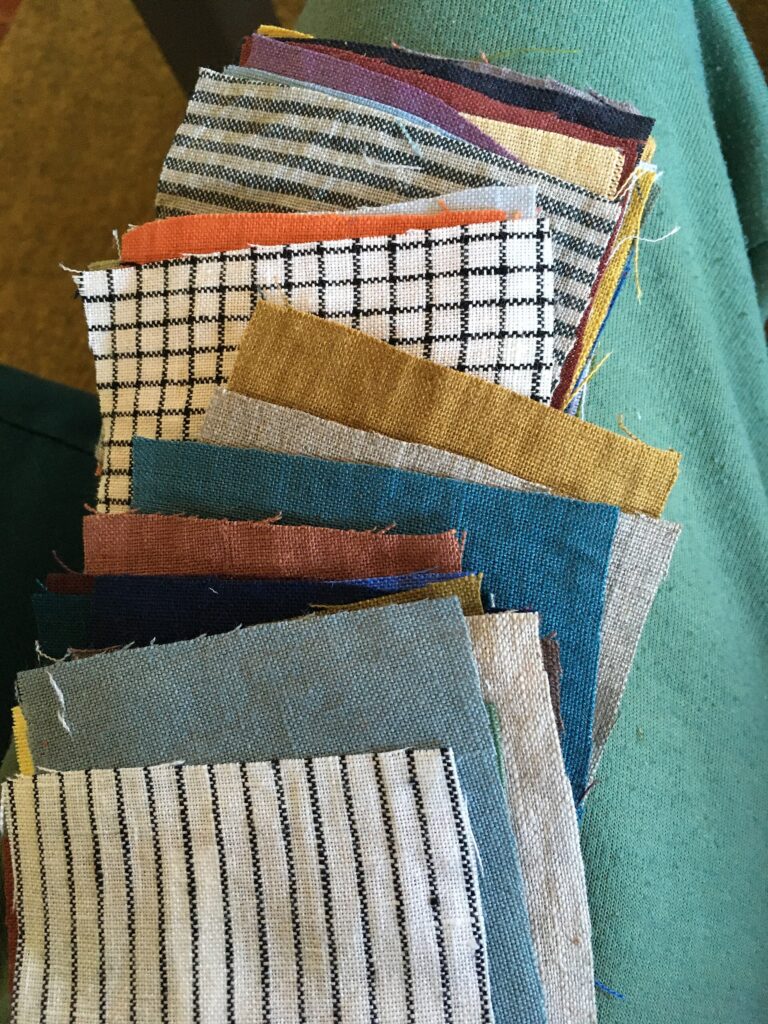

Make the physical sample and written specification meet
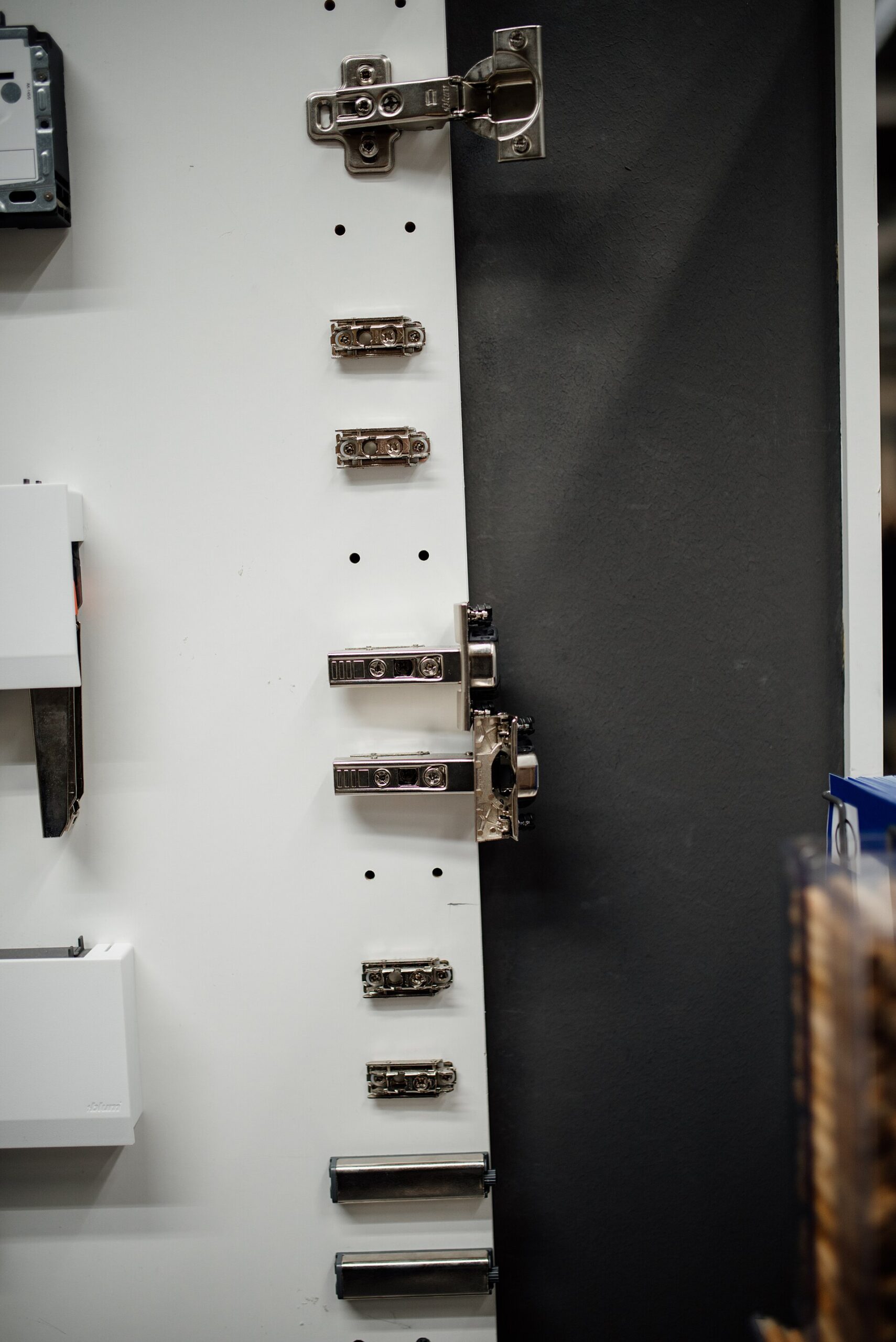
Ask for an item-level “claim packet”: one photograph of the display’s identifying tag, an annotated photograph of the relevant feature, the approved swatch or finish code, the seller’s component schedule and the quote revision. Mark the packet with the same item ID as your claim register. If the salesperson points to a hinge board on a wall, ask whether the quoted cabinet actually uses that model and in how many positions. If the claim is a wood species, ask which components use it and how the remaining panels are built. Avoid the shortcut “looks like solid wood”; finish, veneer and substrate can be hard to distinguish from the showroom side alone.
The written record should also state what is not represented. “Leather sofa” could describe all upholstery or only contact surfaces. “Solid wood table” could refer to the top, legs or both. “Imported hardware” does not identify country, brand or component. A good clarification is narrow: “Is the drawer runner in quotation line 4 the same manufacturer and exact model as the runner photographed on sample S23?” A generic catalogue brochure is weak evidence unless it connects that answer to the exact orderable variant.

Measure claims need the same care. State whether width is overall, seat or packed width; whether height includes an adjustable foot; and whether a quoted cabinet size refers to drawing nominal dimensions or finished exterior dimensions. Put units, tolerances if agreed, and measurement method into the revision. A ruler beside a sample can reveal a discrepancy, but it does not by itself set the production tolerance. If an opening, lift or doorway is close to the product dimension, require a drawing and buyer approval before manufacturing.

Treat impressive surroundings as context, not proof
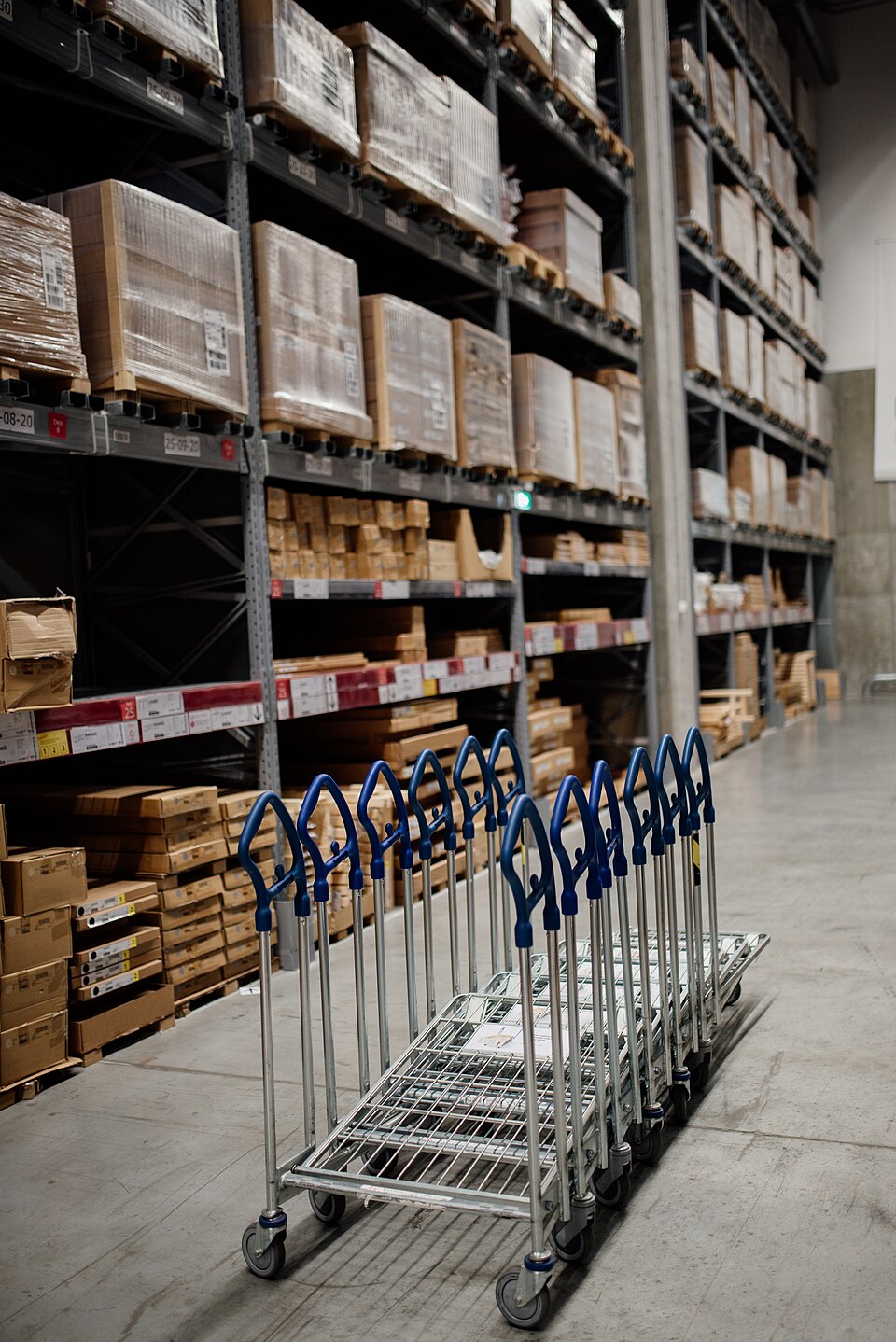
A large warehouse, busy machines, showroom awards and factory tour can all be useful observations. None independently proves who owns the site, which company contracts with you, whether your order is made there or whether the quoted lead time is realistic. Ask the seller to map the selling entity, producer, exporter and payment recipient. If they differ, obtain a written explanation of each role before paying. The published factory-verification article explains additional checks; a market visit alone is not a substitute.
For timing, ask what starts the clock: deposit receipt, drawing approval, material arrival or production release. Separate manufacturing time from export packing and handover. Request milestones and the person who will report progress. A statement that “we ship every week” says little about a custom batch unless the factory confirms capacity for your item and date. Evidence at quote stage may be a schedule rather than a guarantee of future performance; monitor against that schedule and retain the revision trail.

A fictional example: one chair, three unsupported claims
Suppose a buyer selects fictional chair C24-F2, quantity 24. At the booth, a salesperson says its seat is “full leather,” the hinges on a nearby cabinet display are “German,” and the chairs can arrive at the buyer’s warehouse in six weeks. The written quotation says only “C24 chair, brown, 24 pcs, RMB 1,180 each; delivery included.” All names and figures in this example are invented for instruction. The unit-price subtotal is RMB 28,320, but the price line does not define upholstery, hardware relevance, delivery point or start date. The hinge claim may not apply to the chair at all.
The buyer creates C-014 for upholstery, C-015 for hardware and C-016 for delivery. The seller’s reply says the leather claim covers only seat contact areas and supplies swatch code L7; the buyer adds a component schedule and approves or rejects that variant. The hinge row is closed as not applicable, rather than repeated as a chair feature. The seller revises delivery to a named local consolidation warehouse, six weeks after approved sample and deposit, and separately quotes export freight. The buyer can now compare a real scope. If the seller does not confirm L7 or the delivery point, those rows remain held. A polished brochure or the sample’s appearance cannot fill the blanks.


Close each row with a traceable decision
Give every claim one of four dispositions: accepted as scoped, accepted with a verification hold, rejected or replaced، أو unresolved. Record evidence file, date, revision, reviewer and next action. “Accepted with a hold” means the written specification may be adequate to quote, while the actual production lot still needs checking before final payment or handover. Use the published furniture inspection report sample to plan how later evidence will be captured; a pre-order declaration and a lot inspection are different records.
Do a simple contradiction pass before approving the purchase order. Does the brand or entity on the brochure match the invoice issuer? Does the material schedule match the selected swatch? Does the test report cover the quoted model and destination? Do delivery dates start at the same event in quote and contract? Are packing and freight included at the same endpoint? Send a numbered discrepancy list, request one revised response and keep the superseded version. Do not merge unconfirmed chat replies into a seller document or imply the seller approved a buyer-edited PDF.
The next practical step is to choose one high-value item from your current showroom shortlist and fill six fields: exact claim, item variant, consequence, supporting file, unresolved question and disposition. Ask the seller to confirm the three most consequential rows in a dated quote or schedule. Release only the rows whose evidence and scope match the purchase decision; move the rest to an explicit hold list.
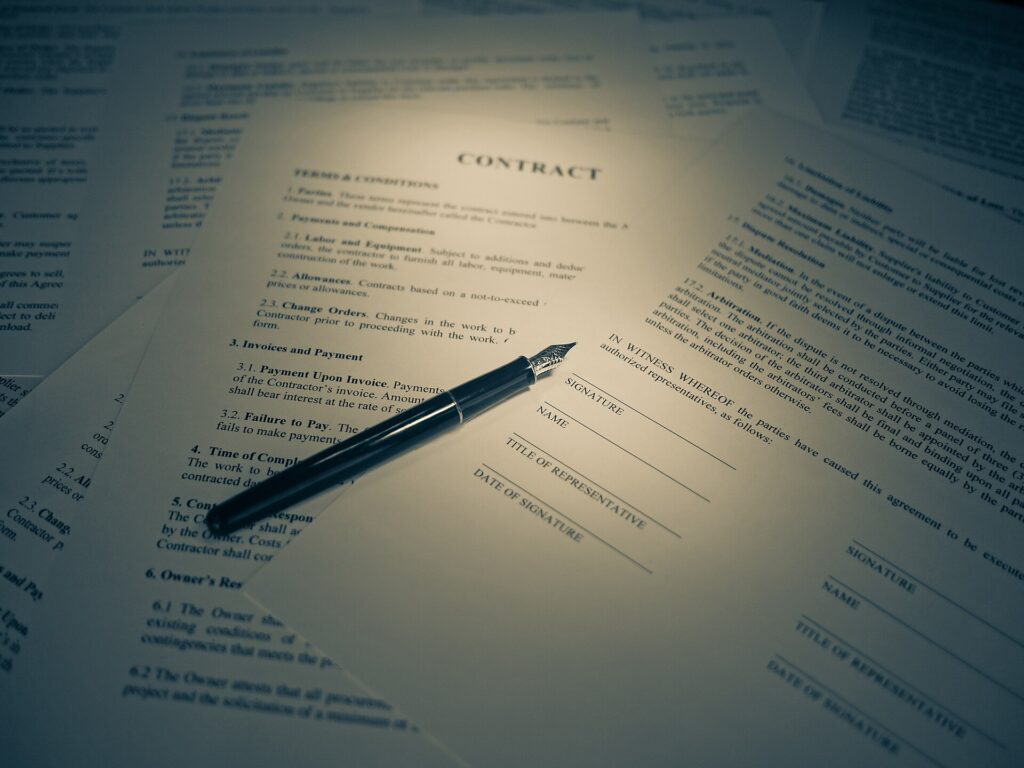

Photo credits and limits
Each caption links the photographer, original Wikimedia Commons file page and licence. These eight real stock photographs illustrate claim capture, identity, materials, hardware, dimensions, capacity, price and signoff. They are unrelated to Source Foshan projects, Foshan factories, the Xiaohongshu buyer, the fictional chair and any verified seller. Replace provisional images with appropriately permission-cleared item and document photographs before publication where available.