الموردون
How to read a Chinese furniture factory business licence
Read a Chinese furniture factory business licence for legal identity and registration details, then separate those facts from unverified production claims.
The short answer: read a Chinese business licence as an identity record, not a factory certificate. Transcribe the registered Chinese name (名称) و unified social credit code (统一社会信用代码) first. Search those exact identifiers in the official enterprise information system, compare the current record with the image you received, and then compare the registered entity with the company named on your quote and proposed contract. A matching, current record establishes a useful identity baseline. It does not, by itself, establish who made a sofa, whether a workshop is owned by the registrant, whether a salesperson can bind it, or whether a bank account belongs to it.
If the proposed transaction involves several names, use the separate guide to verifying a Chinese furniture factory for the broader supplier check. This article stays with the narrower question: what can a buyer actually read from the licence? The eight credited photographs here are unrelated illustrations, not pictures of any Chinese business licence or Source Foshan supplier.

Start with the exact Chinese record, not the English trading name
Ask the seller for a legible, complete image of the current licence, including the entire face and any QR code. Save the file you received, the sender, date and the context in which it was supplied. Do not rewrite the Chinese company name into an English approximation and then search only the translation. Transliteration, marketing brands and exporter names can all differ from the registered name. Copy the characters and the 18-character unified social credit code exactly; one similar-looking character can change the search target.
The State Administration for Market Regulation’s implementation rules on market-entity registration describe the main information on a business licence: name, responsible person or legal representative as applicable, entity type, registered capital, domicile, business scope, registration authority, establishment date and unified social credit code. They also give electronic and paper licences the same legal effect. Read the document according to the entity type and the current record, because format and displayed details can vary. A photographed paper certificate is a copy for your screening, not live evidence that nothing has changed since it was issued.
Make a two-column worksheet. In the left column, copy each field as shown in Chinese, including punctuation and suffixes such as 有限公司. In the right column, record your English interpretation and an unresolved-question flag. Preserve the original image alongside the worksheet. If the licence is blurred, cropped or altered so a field cannot be read, request a better version instead of guessing.


Read the fields in the order that helps a buying decision
| Licence field | Buyer reading | What it cannot establish alone |
|---|---|---|
| 统一社会信用代码 — unified social credit code | Exact registry search key; copy every character. | That the sender controls the company or this order. |
| 名称 — registered name | Legal name to compare with quotation and contract. | That a brand, showroom sign or English trade name is the same entity. |
| 类型 — entity type | Whether the record describes, for example, a limited company or another market entity. | Ownership of another company or workshop. |
| 法定代表人 or applicable responsible-person field | Person named in that registration role. | That the individual chatting with you may sign, change bank details or bind the company. |
| 注册资本 — registered capital | The capital figure and unit appearing in registration. | Cash on hand, assets, credit quality or performance capacity. |
| 住所 — registered domicile | Official registered address to compare with other records. | The actual production, inspection or warehouse address. |
| 经营范围 — business scope | Registered activities as displayed or accessible in the current record. | Which specific product is made in-house, or whether separately regulated activities have their required approvals. |
| 登记机关 / 成立日期 — authority / establishment date | Who registered the entity and when its record began. | Continuous operation at one plant or an unbroken trading history. |
Do not infer invalidity merely because an older checklist expected an expiry date on the face of the certificate. A Guangzhou market-regulator FAQ on licence fields explains that its current format does not print an operating term and may abbreviate business-scope display. That is a local explanation of format, not proof that every licence nationwide is laid out identically. Use the current official registry entry to resolve format questions.
A product label is especially easy to overread. A first-person Xiaohongshu account from a Foshan furniture buyer describes noticing a different brand on a sofa label and asking a salesperson. That observation is a prompt to compare names; the seller’s explanation of the relationship is not independent proof. A brand, licence holder and contracting seller can be three different names. Record the proposed relationship and ask for documents connecting the entities in this transaction.

Run an independent, current-record check
Search the exact name or unified social credit code in the official National Enterprise Credit Information Publicity System. The SAMR notice on access to the system describes its public query role and account-access conditions. Where access is interrupted or a result cannot be opened, record the limitation rather than mark the entity verified. Ask the supplier to supply the current public record or use a qualified local reviewer; do not silently substitute a commercial directory snippet for the authoritative record.
Compare the current registry result with the supplied licence image, field by field. Give particular attention to name, code, status, legal representative, domicile, business scope and recent changes. Save the query date, search term and screenshot or case note. A matching historical image can still be stale after a change or cancellation. The SAMR implementation rules address the return of old paper licences after changes or cancellation and public handling of invalid licences. This is why the live record matters more than the image timestamp.
Do not turn registry presence into a claim that the firm is safe to pay. A registry can identify an entity while leaving ownership, product specifications, purchase authority, financial performance and dispute risk open. The دليل مُصنّعي الأثاث في فوشان is useful for placing that entity within the broader sourcing landscape, but it does not authenticate a particular licence image.

Compare four transaction documents, not just two names
Make four rows: current registry entry; seller’s quote; purchase contract; payment instructions. Copy the full legal name, code where present, address and role from each. Put “not supplied” rather than filling blanks with assumptions. If a manufacturing site or exporter appears under another name, add separate rows and request a written relationship and responsibility statement. A mismatch can have a legitimate explanation, but the explanation must be attributable to the relevant parties and reflected in the purchase documentation.
For example, imagine a purely fictional sofa order. The licence says Foshan North Pine Furniture Co., Ltd. with code EXAMPLE-ONLY. The English quotation says “Pine Living,” the draft contract names Foshan North Pine Trading Co., Ltd., and the bank message names a third company. The licence may be genuine yet still fail to identify the contracting seller. Do not resolve this by picking whichever name looks closest. Ask for the trading company’s own registration record, a written explanation of the brand and maker relationships, and revised transaction documents that say which entity owes delivery and receives payment. Do not use the fictional names or placeholder code as a search result.
For a quoted factory address, compare the claimed site with the registered domicile, but do not assume that a difference is fraud. A lawful firm can register at an office and make or store goods elsewhere. The unanswered question is whether the proposed maker and site are the ones assigned to your order. A site visit, dated production evidence or independent inspection can address operational facts that the licence does not.

Treat registered capital and business scope as bounded clues
Registered capital is commonly mistaken for cash available to refund a buyer or replace a rejected container. It is a registered figure, not a bank statement. Do not rank suppliers by that number alone or convert it into a guarantee of financial strength. If payment risk is material, negotiate contract, inspection and payment controls appropriate to the transaction, with professional review where needed.
Likewise, a broad furniture-related business scope is not a photograph of production equipment. A workshop’s capability depends on its people, processes, materials, equipment and quality system for the specified item. A narrow or unclear scope deserves a question, especially if the promised activity appears to require separate approvals. Do not make a legal conclusion from a translated phrase; ask a qualified reviewer to check the current registered wording and any activity-specific licences required for the destination and transaction.
إنّ Longjiang sofa and upholstery guide explains why a buyer may encounter many seller, maker and sourcing roles in one furniture district. Use it to plan operational questions, while keeping your licence worksheet tied to the exact entity in your proposed contract.


Use an exception gate before approving the supplier
A simple approval sheet prevents a visually convincing certificate from becoming an unexamined green light. Give each issue an owner, evidence request and decision:
- Unreadable or incomplete licence: request a full-resolution copy and pause the identity check.
- No matching current registry result: verify the search characters and code, then escalate for an independent local review; do not mark the record confirmed.
- Name or code differs between image and current record: request a current licence and documented change history before relying on the older copy.
- Quote or contract uses another entity: obtain that entity’s current record and a written statement of who sells and who makes the goods.
- Payment beneficiary differs from seller: stop the payment workflow until the contractual basis and bank instructions are independently confirmed through a trusted channel.
- Factory address differs from domicile: record both addresses and verify the claimed production site separately.
- Scope or approvals are unclear for the activity: seek a qualified, transaction-specific check.
Use three possible outcomes: identity matched; identity matched with named open operational questions; or identity unresolved. “Matched with open questions” is not permission to send a deposit. It means that a particular registry identity was found while other decision gates remain. Write the evidence date beside every outcome, since a registration record can change.
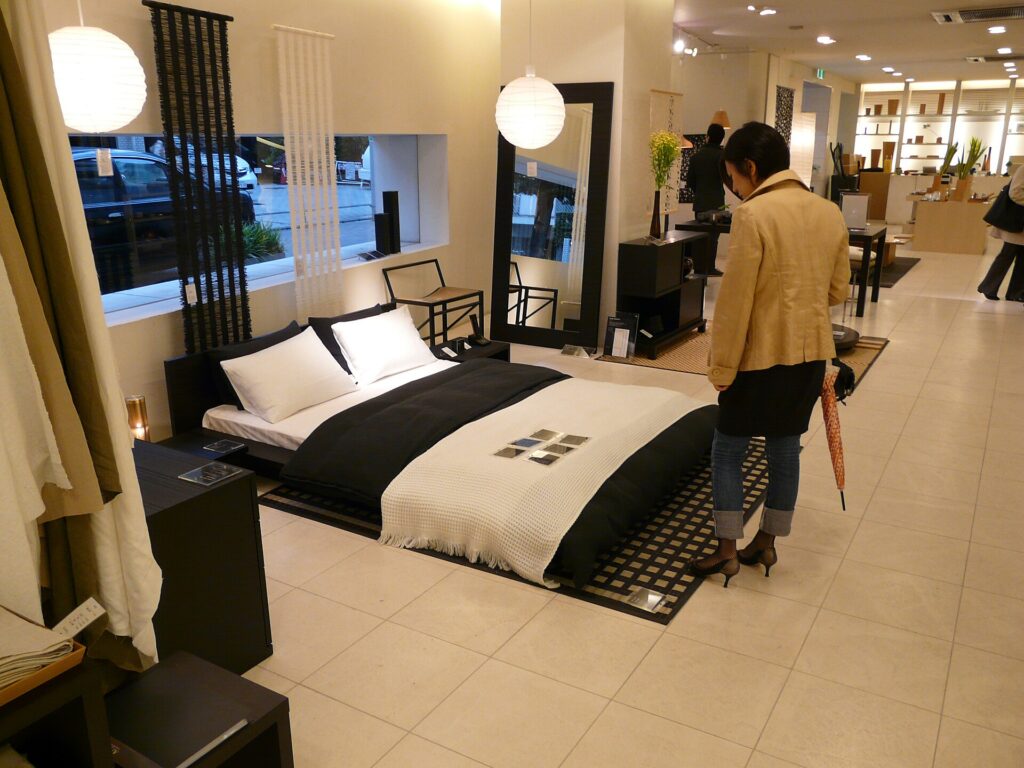

A useful handoff to the buyer’s team
Give the sourcing, quality, finance and legal reviewers one shared packet: original licence image, Chinese field transcription, current registry result with query date, quote, draft contract, proposed bank instructions, site address and an exception log. Ask each reviewer to comment only on the fact their evidence can establish. The buyer’s team can then decide whether to request more documents, inspect the site, revise the contract or decline the transaction. Keep the packet with the order record so a later change of payee or seller is visible rather than lost in messaging apps.
The next action is concrete: request the complete licence, copy the exact Chinese name and unified social credit code, query the current official record, and reconcile it with the proposed contract before treating the seller’s identity as established. The licence starts the check; it does not finish the purchase decision.

Photo credits and limits
All eight photographs are unrelated, licensed illustrations from distinct Wikimedia Commons source pages. Each caption links its photographer and licence. They do not depict a Source Foshan project, a Foshan factory, the cited buyer, a licence under review or the fictional example. The photo ledger records source pages, usage purpose, media IDs and file hashes.