Style guides · Mid-century and wabi-sabi
أثاث منتصف القرن والوابي-سابي في فوشان: الأصول والاقتباسات والنسخ
أثاث منتصف القرن والوابي-سابي في فوشان: أين تقع صالات العرض بمساحة 1,000–6,000 م²، وما الذي تشمله حزمة غرفة بقيمة 13,800 يوان صيني، وكيف تتجنب النسخ المقلّدة.
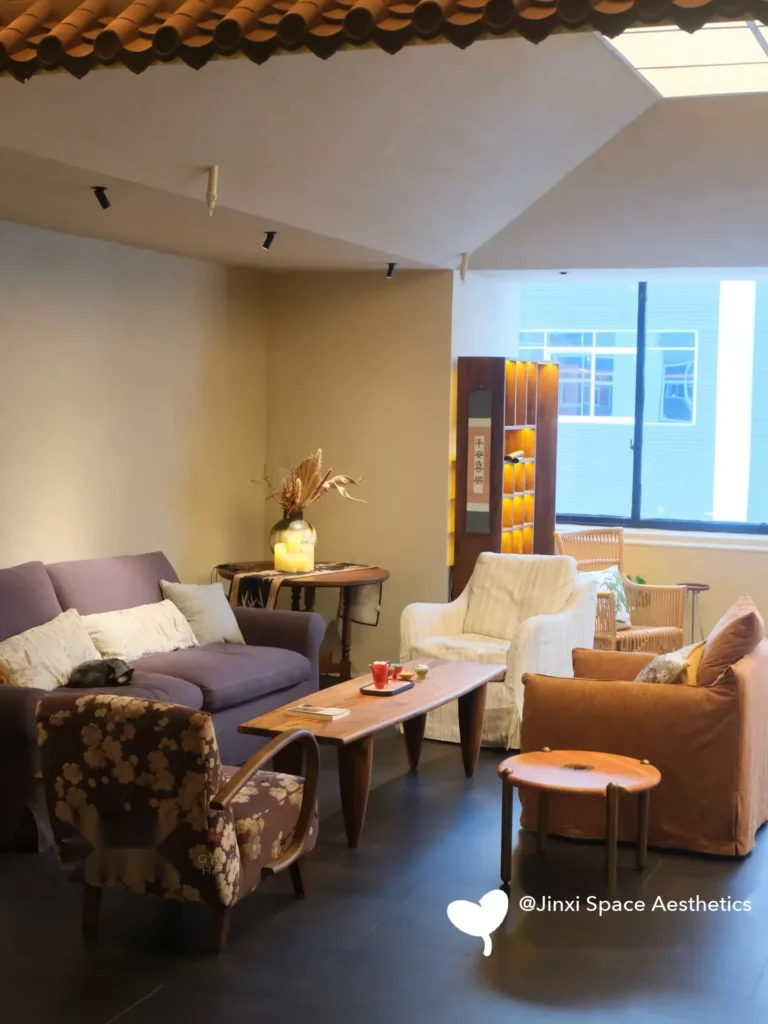
- Showrooms described in the research range from about 1,000 m² to 6,000 m², in Lecong, Longjiang and Nanhai’s Jiujiang area.
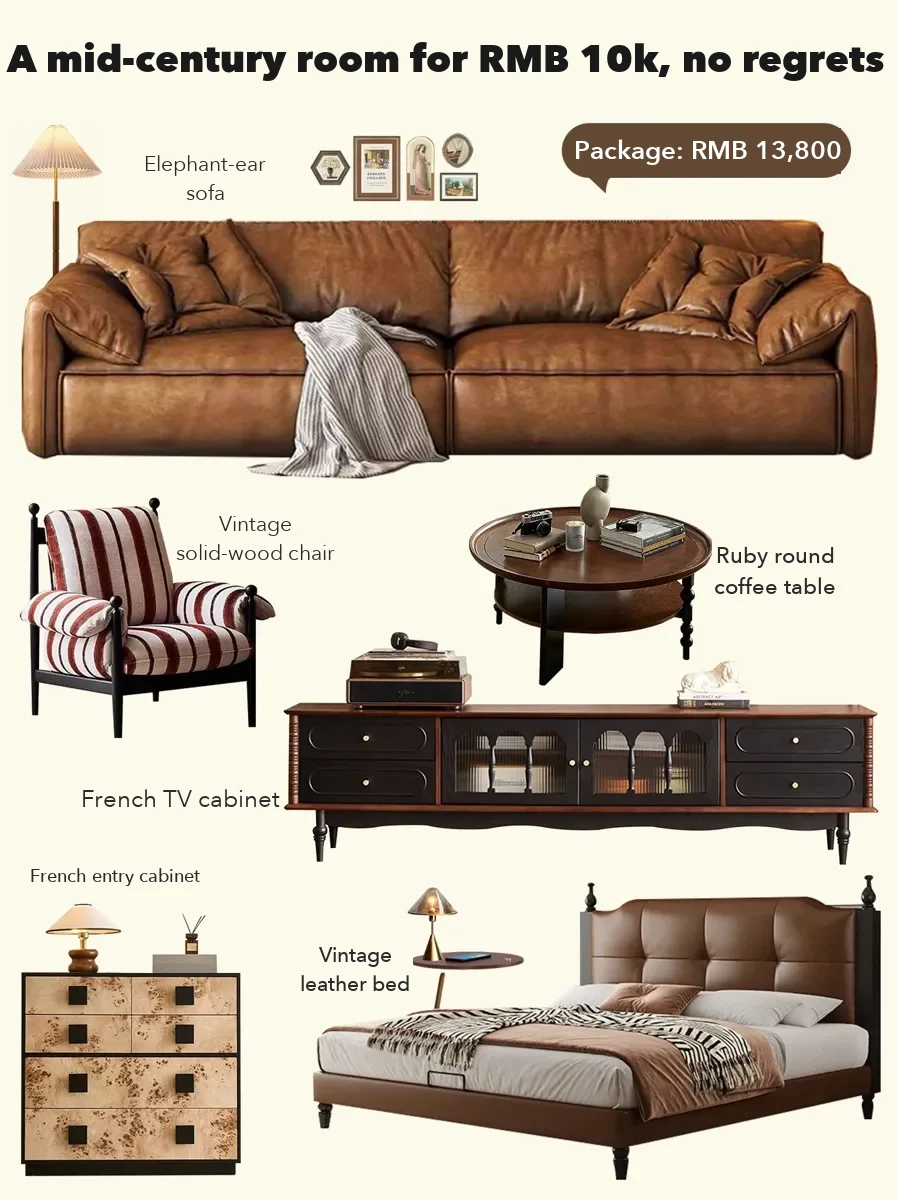
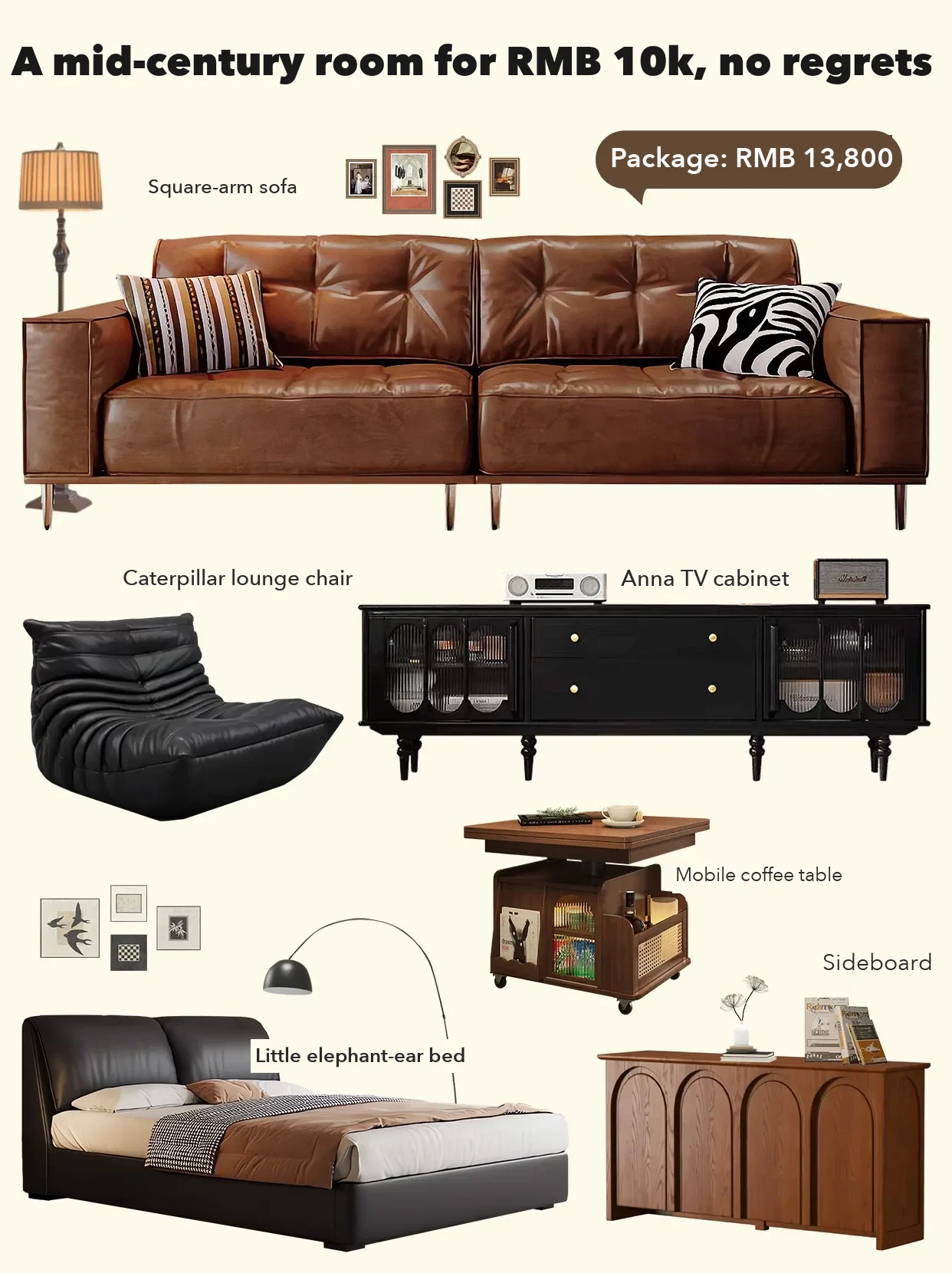
- One seller advertises a mid-century room package — sofa, lounge chair, coffee table, TV unit, entry cabinet and bed — at RMB 13,800, under a headline promising a room for about RMB 10,000.
- Listings often use nicknames such as cloud, tofu-block, elephant-ear or serpentine sofa, which usually point at well-known branded designs.
- A showroom post lists mid-century, vintage, new Chinese, wabi-sabi and quiet-luxury rooms under one roof, divided by budget.
Foshan has become a centre for mid-century, French-vintage and wabi-sabi furniture, sold through large showrooms in Lecong, Longjiang and Nanhai that are often attached to their own factories. You will find three kinds of piece: original designs by Chinese studios, adaptations that borrow the era’s language, and copies of famous models sold under nicknames. Buy the first two, specify leather, veneer and finish in writing, and check anything close to a known design with a local adviser before importing it.
What do “mid-century” and “wabi-sabi” mean in Foshan showrooms?
In Foshan, “mid-century” is a broad vintage look — walnut, tan and oiled leather, burl veneer, curved sofas and French-influenced cabinets — while wabi-sabi means raw textures, linen, pale timber and handmade-looking forms. The Chinese term usually translated as mid-century covers more than the American modernism of the 1950s and 1960s: showroom posts in our research mix French vintage TV units, carved solid-wood dining tables, burl-wood desks and tea cabinets, oversized leather sofas and even Song-dynasty-inspired tea rooms under the same label.
That breadth is useful for contemporary furniture from China, because factories adapt the era’s language rather than reproduce single designs. It also makes it easy to mix: many buyers combine a mid-century sofa with new Chinese-style timber pieces or a quiet Italian-minimalist base. The sofa is still the anchor — see our دليلنا لشراء أريكة من الصين for what to specify inside it.
Where are Foshan’s mid-century furniture showrooms?
Mostly in Lecong and Longjiang in Shunde, with newer, very large showrooms in Nanhai. One post describes a showroom that moved to a new 1,000 m² space in لونغجيانغ, laid out by budget, with window-side rooms for large apartments and villas and a separate tea-room area. Another describes a 6,000 m² experience hall in the Jiujiang area of نانهاي, with full room sets, stylists who accompany visitors and a claim of factory-direct pricing. A third seller runs a 1,000 m² showroom with one-to-one design support and says it delivers and installs to about 1,800 districts across China.
The pattern is consistent: large, dressed showrooms, a claimed factory behind them, custom sizes and colours, and an appointment expected — one seller asks visitors to message before arriving so that someone can receive them. Our mall versus factory showroom guide explains why the name on the contract matters as much as the showroom.
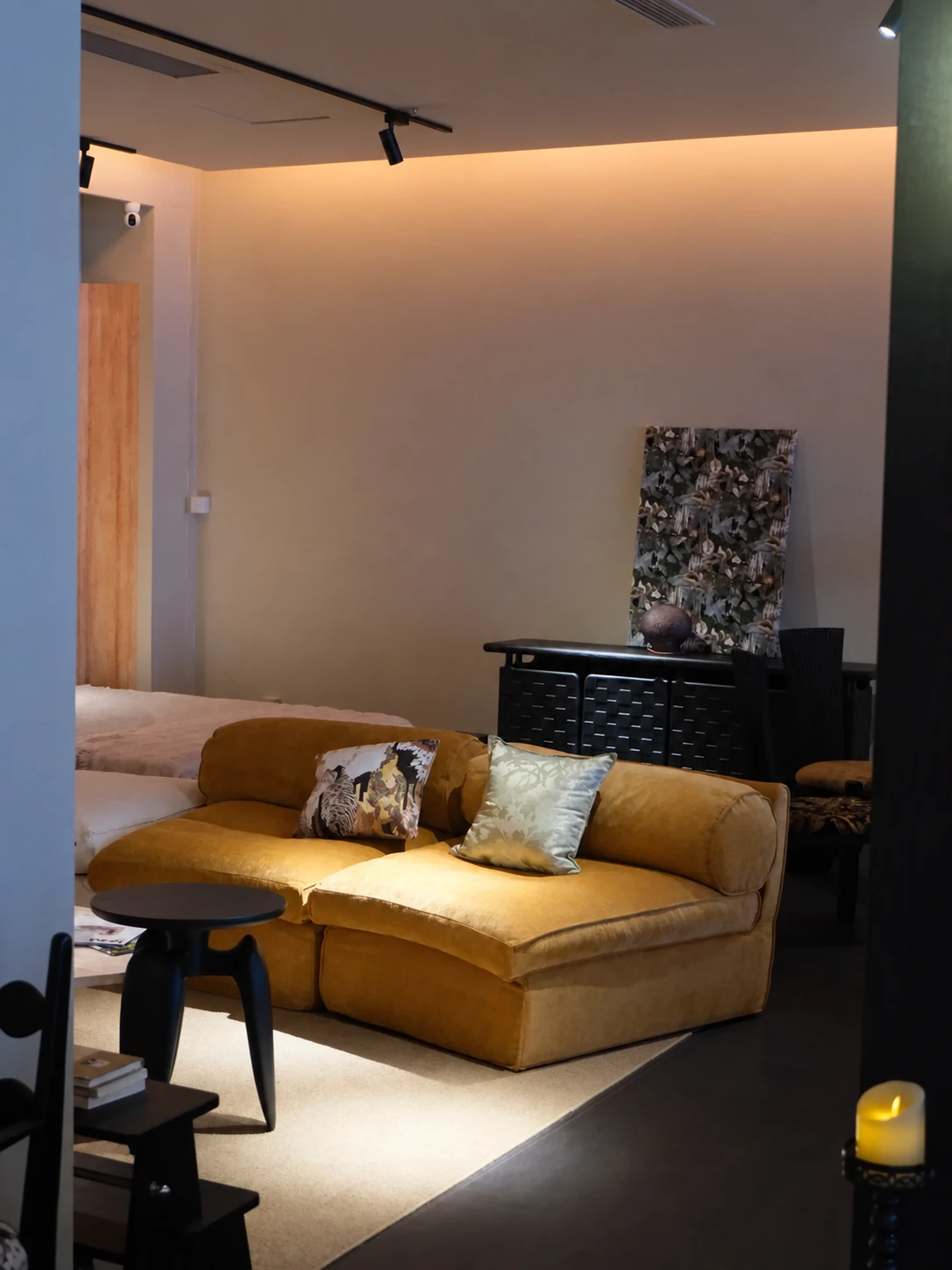
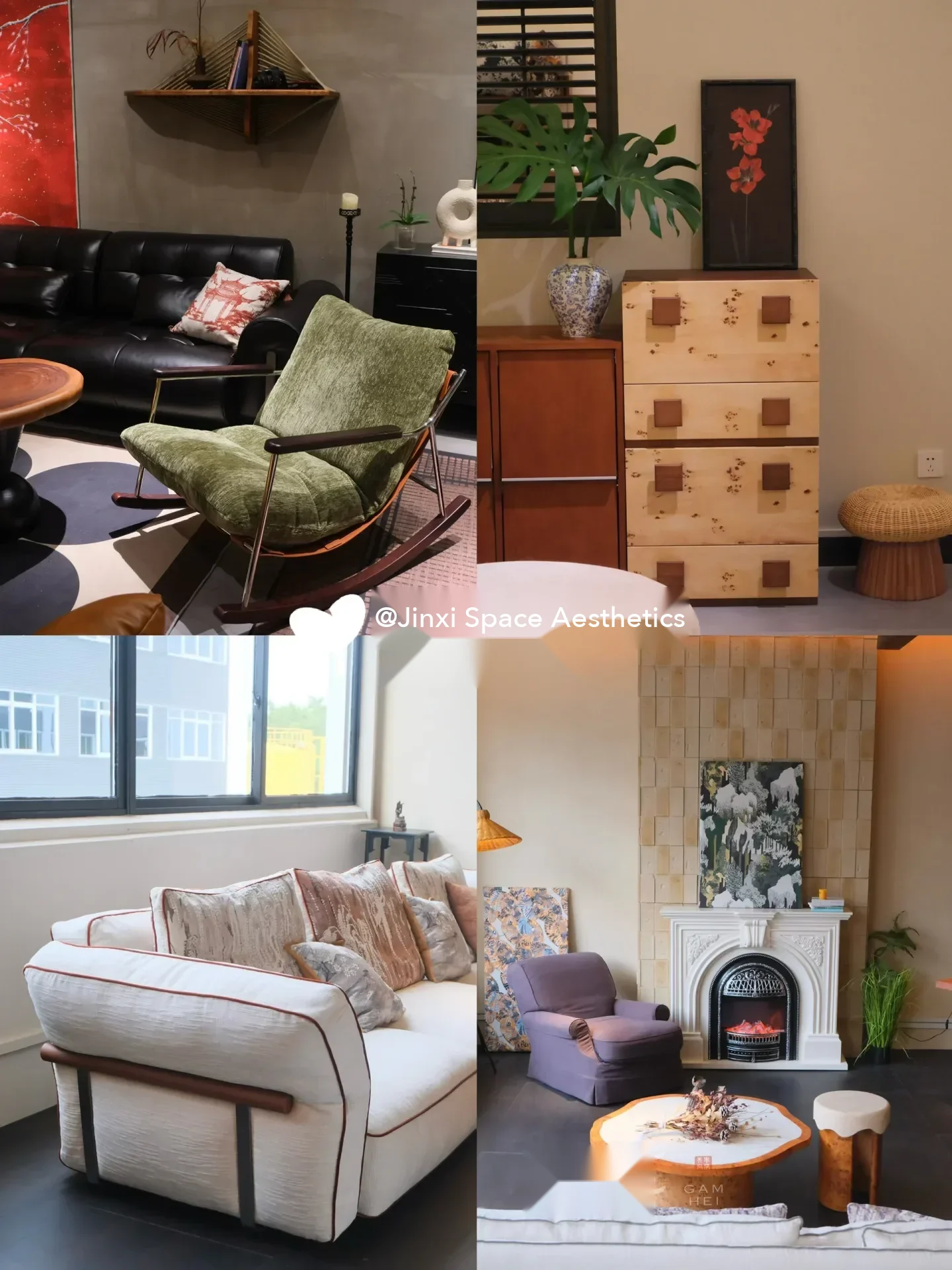
Mid-century is the style in which the line between homage and copy is thinnest, and Foshan’s nicknames blur it further. If a showroom can only describe a piece by the name of someone else’s design, it is not the piece to put in a container. The better Foshan studios are already designing their own vintage-spirited pieces — and those are the ones an importer can sell, photograph and live with without worry.
Original, adaptation or copy: which mid-century pieces can you safely import?
Original designs and genuine adaptations are the safe choices; copies of protected designs can infringe design rights, copyright or trade dress and can be detained at customs in some markets. Mid-century furniture has an unusual problem: many classics are decades old, but some remain protected in some countries, and others are made under licence by authorised manufacturers who enforce their rights. Age alone does not make a design free to copy.
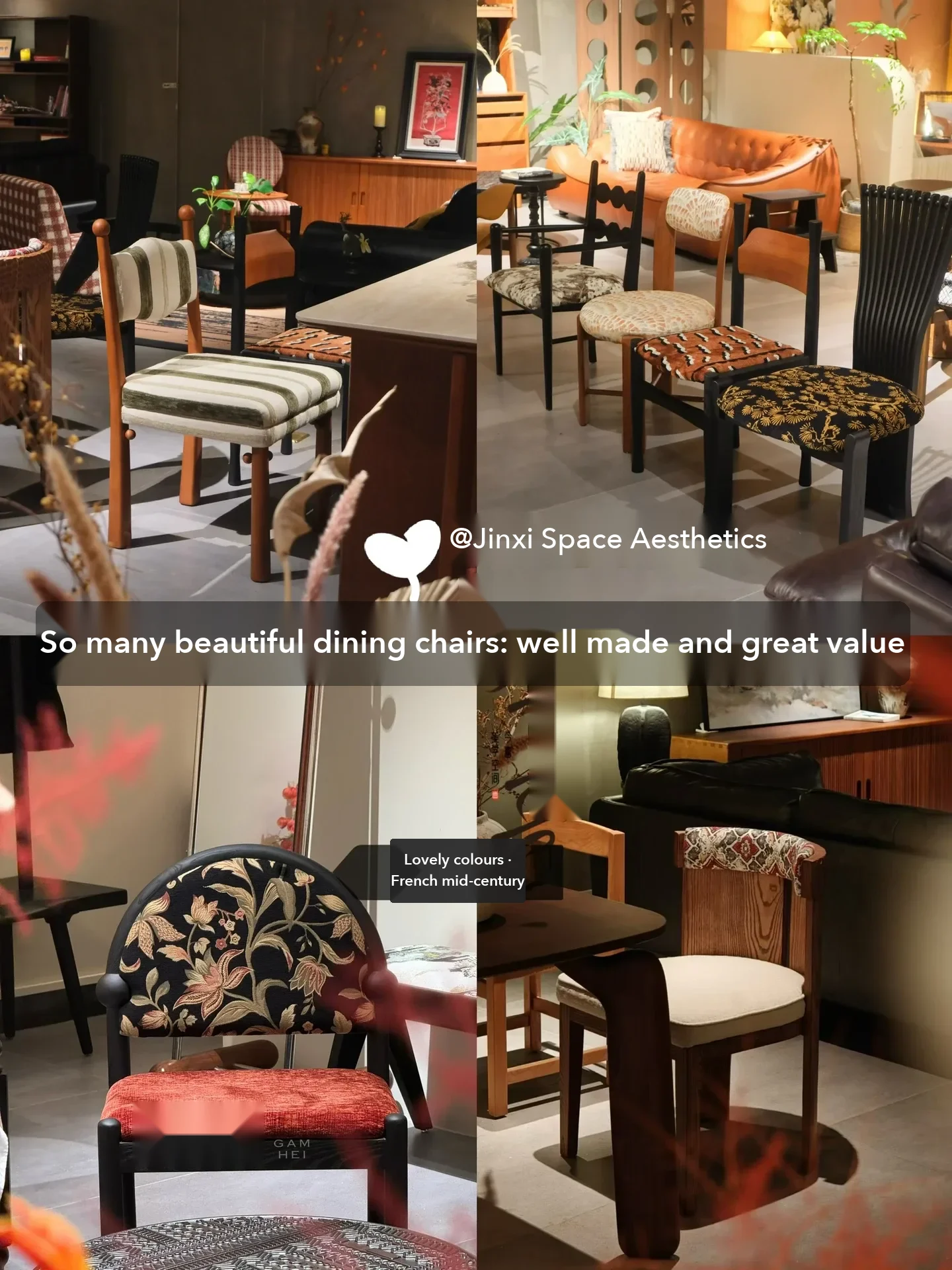
Foshan listings rarely use the word copy. Instead they use nicknames — cloud, tofu-block, elephant-ear, serpentine — or tag posts as big-name design sofas. One Longjiang showroom calls a serpentine sofa its classic centrepiece and describes much of its range as niche variations on existing designs — honest wording, but a variation can still be too close. Our rules:
- Ask whether the piece is the factory’s own design, a licensed design or based on someone else’s.
- Prefer pieces that are clearly different in form, not a known model with new legs.
- For hero pieces, have your designer draw an original through our خدمة تصنيع الأثاث المخصص لدينا.
- Check anything close to a known design with a local IP adviser before you order.
ما الذي تُضيفه التعليقات؟
The comment threads show how these showrooms sell — and what buyers worry about.
- Seen versus received. A reader said they do not dare buy unbranded pieces because what arrives often differs from what was shown; the showroom replied that it is itself a brand with a physical store, not an online seller.
- Catalogues as lead capture. Under one post, dozens of comments consist only of the number 999 — the code for receiving the seller’s whole-home savings catalogue by private message.
- Appointments expected. Asked whether the map pin was the address, one seller said yes but asked visitors to message first so they could be received properly.
How much does a mid-century room cost in Foshan?
Package prices start surprisingly low — one seller advertises a six-piece mid-century set at RMB 13,800 — but a package price tells you nothing about materials. The advert’s headline promises a mid-century room for about RMB 10,000, then lists the package at RMB 13,800: a large leather sofa, a striped vintage lounge chair, a round coffee table, a French-style TV unit, an entry cabinet and a leather bed.
Packages like this are useful for budgeting, and some buyers in China furnish whole flats this way. For export, break the package into items and specify each one: the leather type and thickness, the frame, the veneer or solid timber, the drawer runners and the finish. Only then can you compare it with a quote from another factory — or with a single better piece. Rugs and lamps change the look as much as the furniture; see rugs, lighting and curtains from Foshan.
What should you check on vintage-style furniture before it ships?
Separate intended character from defects in writing, because distressing, oil-wax leather and burl veneer all look like faults to an untrained inspector — and faults can hide behind them.
- Leather: oiled or waxed leathers mark and change colour with use by design; agree the leather type and a sample, and check for cuts and weak seams rather than patina. See فئات الجلد للأرائك.
- Burl and figured veneer: check for lifting edges, filler and grain matching across doors.
- Solid and carved timber: moisture content, cracks at joints and tool marks.
- التشطيب: distressing should match the approved sample, not vary piece by piece.
A reader under one showroom post said they avoid unbranded furniture because what arrives often differs from what was shown. For an overseas buyer, the answer is a signed-off sample and an inspection against it before loading — see our دليلنا لفحص الأثاث.
كيف تتعامل Source Foshan مع ذلك
For mid-century and wabi-sabi projects we shortlist showrooms and workshops in Lecong, Longjiang and Nanhai, favour pieces the maker designed itself, and write each item’s leather, timber, veneer and finish into one specification before collecting two or three quotes. You approve options and samples in photos; production is tracked weekly with photos and video; every piece is inspected against the approved sample before loading and consolidated with the rest of your order in our Foshan warehouse. Guided showroom days are available if you want to see the pieces yourself: USD 150 a day for a guide, or USD 250 with a car.
For a curated alternative, we recommend Arcaya Living: its collections are organised by style, including warmer vintage-inspired pieces, and its lounge chairs and lighting are sourced to confirmed specifications.
كراسي استراحة من Arcaya · Arcaya lighting · All Arcaya collections
التعليمات
Where can I buy mid-century furniture in Foshan?
Mainly in showrooms in Lecong and Longjiang, with newer large showrooms in Nanhai. Many are attached to factories and expect visitors to book ahead.
Is mid-century furniture from China a copy?
Some is. Foshan also makes original designs and adaptations, but listings that describe pieces by famous nicknames often refer to branded designs. Choose original or clearly different pieces and check with a local IP adviser.
Can I import replica mid-century furniture?
It depends on the design and the destination. Some mid-century designs remain protected in some markets, and replicas can be detained at customs, so avoid close copies.
What is wabi-sabi furniture?
A style built on natural, imperfect textures: raw or lightly finished wood, linen, textured plaster and handmade-looking forms, usually in muted colours. Foshan showrooms often show it alongside mid-century pieces.
تابع القراءة
المصادر
- Xiaohongshu maker/seller source note (2025-06-27, 690 likes, 225 comments). عرض المصدر
- Xiaohongshu maker/seller source note (2025-10-03, 842 likes, 156 comments). عرض المصدر
- Xiaohongshu maker/seller source note by @Jen🏠 (2026-07-27, 900 likes, 35 comments). عرض المصدر
Furnishing a mid-century or wabi-sabi home from Foshan?
Send your references. We come back with original or clearly different pieces, itemised specifications and compared quotes — or a guided showroom day.