- Your packed volume is genuinely small — under about 10 m³.
- The timetable can absorb 36–48 days, which is the realistic LCL transit on this lane.
- The goods are robust: LCL cargo here is handled more times than on a short lane.
- You have compared it against a 20 ft honestly. On this route the container often wins earlier than buyers expect.
Destination guide · South Africa
Shipping Furniture From China to South Africa
Furniture shipped from Foshan reaches Cape Town or Durban in 22–30 days port to port in a full container. There is no free trade agreement with China, so duty runs by tariff heading and reaches about 20% on seating, and VAT is 15% charged on the customs value plus a 10% upliftment plus duty. LCL into South Africa is the slowest and dearest of any route we run — around USD 188 per cubic metre and 36–48 days — so the container threshold falls to roughly 10 m³. Source Foshan, a sourcing agent based in Foshan, China, consolidates the order, inspects it, crates it and works the clearance documents with your agent.
Page reviewed by the Source Foshan sourcing team in Foshan · freight and duty figures are dated and sourced at the foot of the page.
At a glance
Five numbers to carry into the first conversation.
22–30 daysShenzhen to Durban or Cape Town, port to port, full container
USD 3,375–4,12540 ft ocean freight, September 2026 — the cheapest 40 ft of our five routes
Up to 20%Customs duty by tariff heading; no FTA with China
15% + 10%VAT on the customs value plus a 10% upliftment plus duty
10 m³A lower container threshold than elsewhere, because LCL here is slow and dear
Before it sails
What leaves Foshan, whatever the destination.
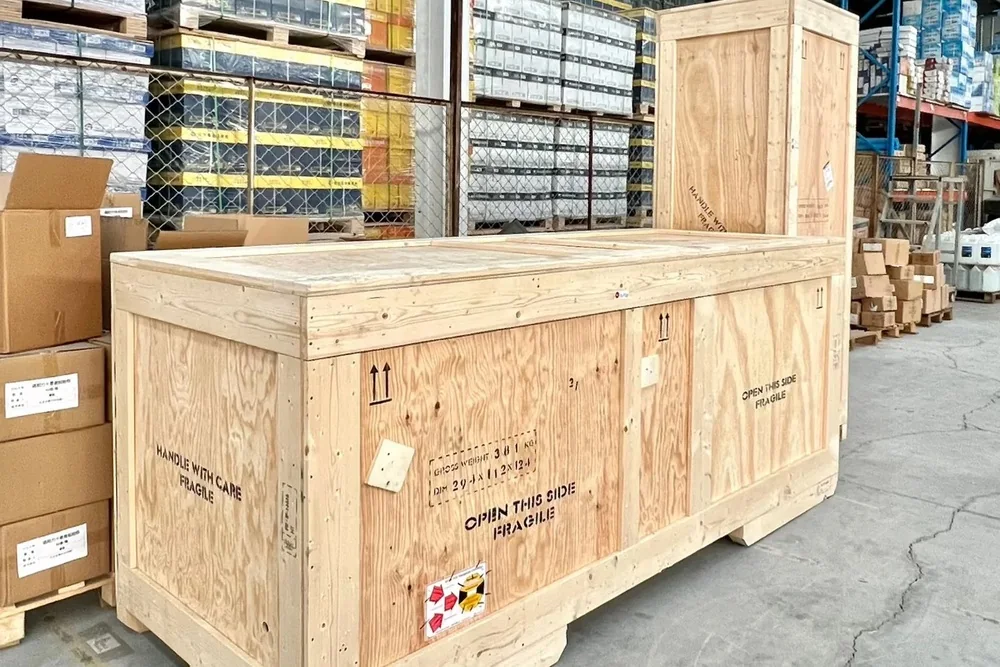
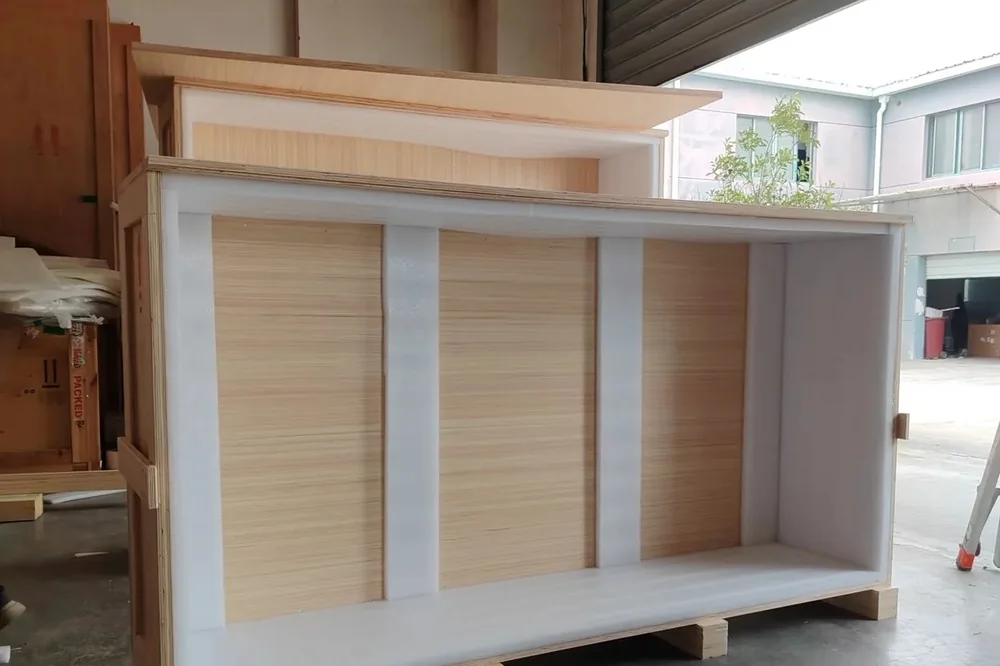
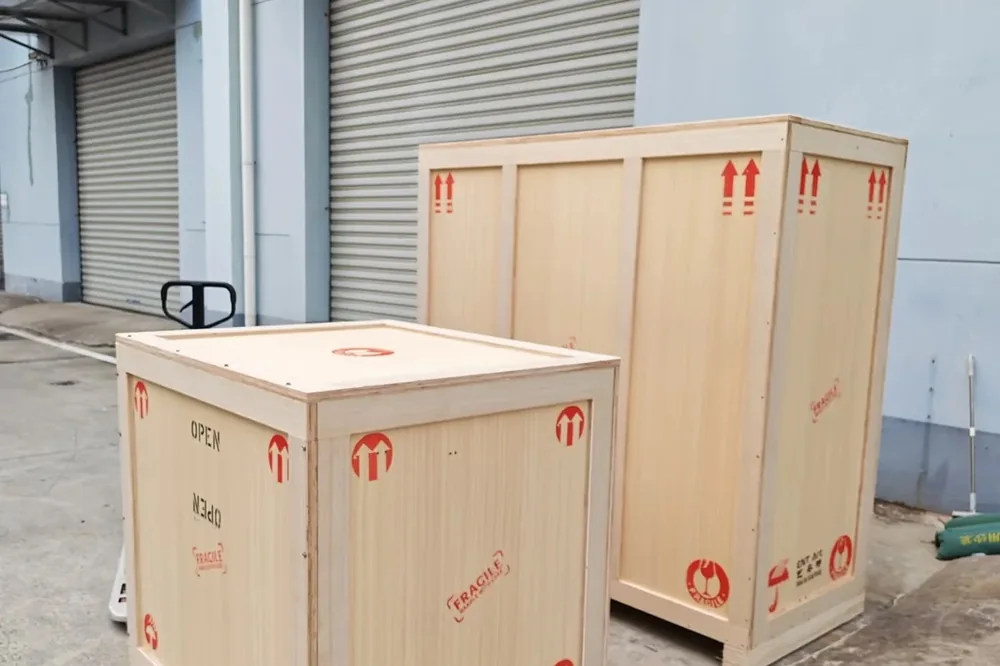
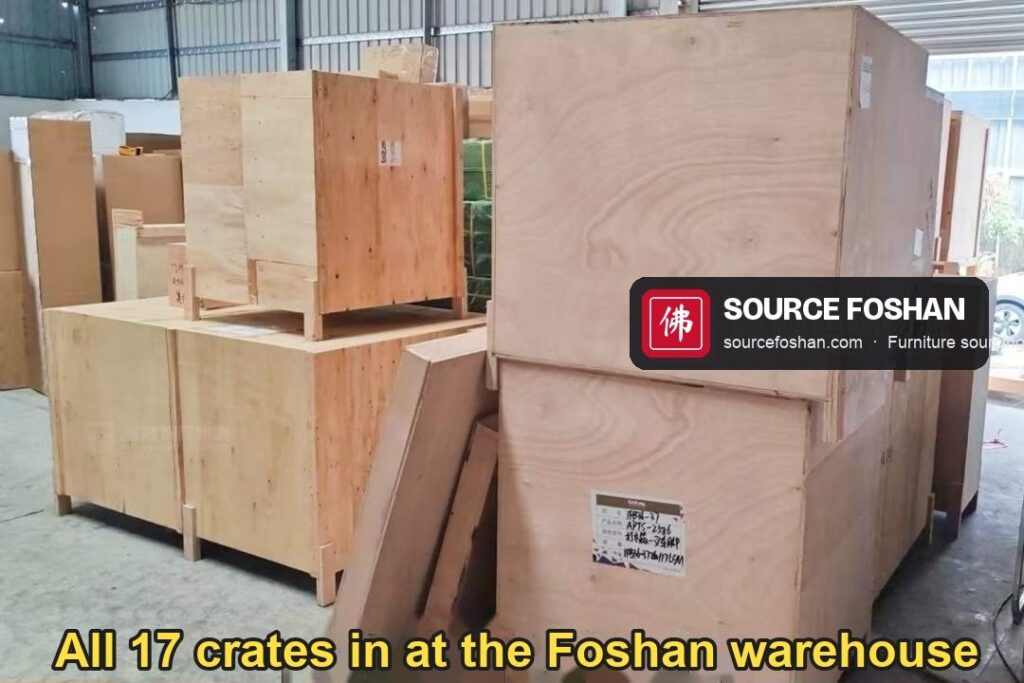
The same three steps stand behind every container we send to South Africa. These are our own warehouse photographs, not stock images.
01 · The one decision
A full container or an LCL consignment?
South Africa is the one route where we usually advise the container earlier. LCL runs around USD 188 per cubic metre and 36–48 days — five times the per-cubic-metre rate of the Australian route and up to three weeks slower.
- Your packed volume is above roughly 10 m³ — lower than the 15 m³ threshold that applies elsewhere.
- A 20 ft loads 28–33 m³ of crated furniture; at USD 2,903–3,548 it is often cheaper than 15 m³ of LCL.
- You are furnishing a whole house or a guesthouse: 45–70 m³, which is a 40 ft high-cube.
- The schedule matters: a container is 22–30 days against 36–48 for LCL.
LCL territory
under 10 m³
One 20 ft container
30 m³ loaded
One 40 ft high-cube
68 m³ loaded
A three-seat sofa carton is 1.6–2.2 m³; four stacked dining chairs 0.6–0.9 m³; a knock-down wardrobe 0.5–0.8 m³. Send the list and we return the packed volume per line.
Durban is the larger and generally more reliable container port; Cape Town suits Western Cape addresses but has a history of weather and congestion delays. Where the delivery address allows either, we usually route through Durban and truck it.
02
What does it cost to ship furniture to South Africa?
Every line that appears between the ex-works price and the furniture standing in the room. Ranges, not promises.
- Goods, ex-works Foshan USD 32,000
- Export packing and consolidationAbout USD 30 per m³ USD 1,950
- Ocean freight, 40 ft HCMid-point of the September 2026 band USD 3,750
- Marine insuranceAbout 0.5% of goods plus freight USD 179
- Customs dutyAbout 20% on seating; no FTA with China USD 6,400
- VAT (15%)Charged on the customs value plus a 10% upliftment plus duty USD 6,802
- Delivery, unload and assemblyIndicative; access decides it USD 1,500
One basket, priced into all eleven destinations, so the bars are comparable. The duty and tax block is what actually changes — as a share of the goods value, South Africa at 41.3%, against 9.2% into Singapore and 50.0% into the United States.
| Line | Indicative | Notes |
|---|---|---|
| Ocean freight, 20 ft | USD 2,903–3,548 | Shenzhen to Durban or Cape Town |
| Ocean freight, 40 ft HC | USD 3,375–4,125 | Unusually close to the 20 ft rate, which pushes buyers to the bigger box |
| LCL ocean freight | About USD 188 per m³ | Five times the Australian rate; the main reason the container threshold is lower here |
| Export packing and consolidation | About USD 30 per m³ | Re-crating, bracing, labelling, packing list |
| Marine insurance | About 0.5% of insured value | On goods plus freight |
| Customs duty | 0–20% by tariff heading | Around 20% on seating under 9401; other headings vary. No FTA with China — confirm the heading before you order |
| VAT | 15% on customs value + 10% + duty | The 10% upliftment applies because China is outside SACU |
| Clearing agent | From about ZAR 250 per entry | Plus disbursements; a local clearing agent is effectively compulsory |
| Delivery, unload and assembly | Quoted per address | Durban and Cape Town are short runs; Johannesburg is an inland haul |
Indicative landed cost, Foshan to a South African address, September 2026. Ocean freight moves monthly — confirm at booking, and confirm the tariff heading with your clearing agent.
03 · Use this on us too
The fourteen lines a door-to-door quotation has to show.
Nearly every bad shipping story on this route starts with a quotation that was shorter than this list. Paste it into your next enquiry and ask for a price against each line. A forwarder who will not break the price out is quoting you a number, not a service.
- Inland move, factory to warehousePer supplier, or stated as waived. Buyers are caught by this line more than any other.
- Warehouse receipt and check-inCounted against the packing list, photographed, with the free storage days and the daily rate afterwards.
- Re-packing and cratingWhich items get closed crates, which get open frames, which stay in cartons — and the price for each.
- Timber treatment and the IPPC markTreatment, marking and the certificate, priced separately from the crate.
- Measured packed volume, line by lineThe m³ you are billed for, with the measurements it came from.
- Export declaration and certificate of originIncluding who files it and what it costs if the certificate is issued late.
- Ocean freight, with the surcharges namedBase rate plus each surcharge spelled out, and how long the rate is held.
- Marine insuranceThe premium, the deductible, and what the fragile-goods exclusion actually excludes.
- Destination terminal and deconsolidationTerminal handling, deconsolidation, and the free days before storage starts.
- Customs entryWho is importer of record, what value is declared, and whether duty and tax are inside the price or outside it.
- DeliveryVehicle size, kerbside or room of choice, stairs and lifts, waiting time, and the radius the price covers.
- Assembly and packaging removalBoth, or neither, but in writing. A container leaves roughly a tonne of crate and carton behind.
- Importer code and clearing agentRegistered and appointed before the container sails.
- Conformity certificationWhether any HS code on the list needs a certificate, confirmed with the standards authority.
Send us the same list. We answer it line by line, in writing, before you pay anything.
04
How long does it take, week by week?
From the deposit to the last crate leaving your drive. The sea leg is the part nobody can compress.
- Foshan Consolidation warehouse, all suppliers
- Yantian / Nansha Load port, Shenzhen or Guangzhou day 0
- Singapore / Port Klang Transhipment on most services day 5
- Indian Ocean Direct crossing to the Cape day 14
- Durban Larger, more reliable port day 24
- Cape Town Western Cape; congestion risk day 27
Durban handles the most volume and is usually the more dependable call; Cape Town suits Western Cape addresses but has a record of weather and congestion delays. Where the delivery address allows either, we route through Durban and truck it.
- Week 0Collected and coded
Pieces from each factory collected at one Foshan warehouse and re-crated. Tariff headings are confirmed with your clearing agent now, because duty here is real money rather than a formality.
- Week 6–10Inspection and loading
Every item photographed against the spec; the balance falls due after you approve the report. Crating is heavier on this lane: it is a long voyage with more handling.
- Week 10–14At sea
22–30 days Shenzhen to Durban or Cape Town. Tracking shared weekly.
- Week 14–16Customs clearance
Your clearing agent lodges the entry; duty by heading and VAT on the uplifted value are settled. Cape Town can add days in congestion.
- Week 16–17Delivery and carry-in
Delivery booked to the address, crates opened, pieces carried in and assembled, packaging taken away the same day.
05
Duty, tax and clearance into South Africa
South Africa is the only destination in this set with no trade agreement with China, and the only one where the VAT base is uplifted. Both belong in the budget from the first quotation.
There is no free trade agreement between China and South Africa, so the ordinary rate applies. Seating under 9401 attracts roughly 20%; other furniture headings vary. The heading, not the description, decides it — get it confirmed by your clearing agent before a deposit is paid.
SARS calculates import VAT as the customs value plus 10% of that value, plus any non-rebated duty, times 15%. The 10% upliftment applies because China sits outside the Southern African Customs Union. A VAT-registered business claims the VAT back; the duty is a real cost either way.
You need an importer's code and a local clearing agent to lodge the entry. We are not a clearing agent: we supply the codes, the packed volume per line and the documents early enough to be checked before the container is booked.
Durban is the larger port and generally the more reliable for time-sensitive cargo. Cape Town suits Western Cape addresses but has a record of weather and congestion delays. Where either works, we usually route through Durban.
06
Clearance is not delivery. What happens at the door.
Clearance in South Africa can be the long pole. What happens after it is the part we control, and it is scoped before the ship sails.
Cape Town congestion can add days that no delivery crew can recover. Where the address allows either port, that choice is made at booking.
Estate access, security controls and narrow driveways decide the vehicle and the crew. We ask for photographs of the approach.
Crates are opened outside, pieces carried in, beds and tables assembled and positioned by room against the packing list.
Timber, cardboard and wrap leave with the crew the same day rather than filling the site.
07 · Rule watch
The conformity certificate you were told to get: suspended.
In the first half of 2026 a lot of trade posts, forwarder marketing and Chinese-language shipping notes told buyers that from 20 September 2026 furniture from China would need a Certificate of Conformity issued before export or it would not clear South African customs. That programme was suspended three months before that date and the suspension is still in force. Some commercial certification websites have not updated their pages.
As of today there is no pre-export Certificate of Conformity requirement in force for furniture shipped from China to South Africa. Imports clear under the existing framework: SARS customs, an appointed clearing agent, and the NRCS compulsory specifications that already applied to the product categories they cover. Nothing about this changes the two things that actually hold South African furniture shipments — a missing importer registration and an entry that does not match the goods.
-
Notified in Government Gazette 54374
The Department of Trade, Industry and Competition notified a Pre-export Verification of Conformity programme under the Standards Act. Phase 1 was aimed at imports from China, covering product categories that sit outside the NRCS compulsory specifications. SABS was named as the administering body.
-
Voluntary transition opens
A six-month transition in which a Certificate of Conformity was encouraged but not required for clearance.
-
Suspended with immediate effect
SABS and the dtic suspended the programme after formal comments through the WTO Technical Barriers to Trade process and consultation with industry and the Chinese embassy. Implementation, operational readiness, exporter onboarding, inspections and certification were all put on hold pending further consultation.
-
The mandatory date that did not arrive
This is the date still quoted in trade posts, in forwarder marketing and on at least one commercial certifier’s website. It did not take effect. If someone quotes you a certification fee on the strength of it, ask them to point at a current notice.
We check this before every South African booking rather than once a year, because a suspension is not a repeal — the consultation is open and the programme can be re-notified with a new date. Send us your HS codes and we confirm the position that applies on your sailing, against SABS, the NRCS and the dtic. If it is ever reinstated, a certificate has to be obtained in China before export, which makes it a sourcing decision and not a clearance one.
08 · What arrival looks like
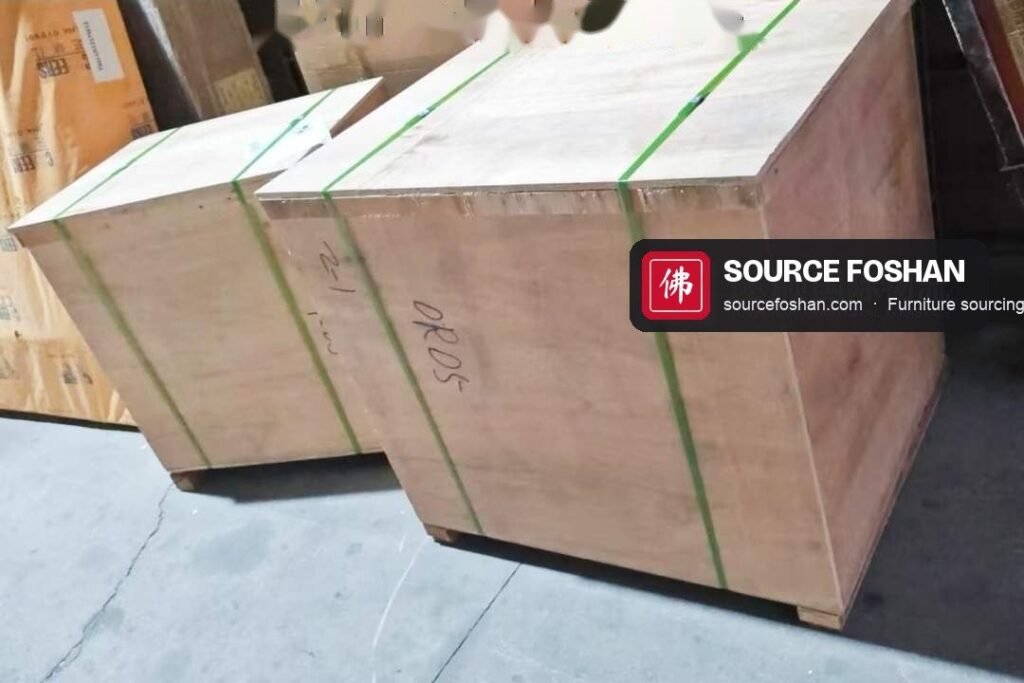
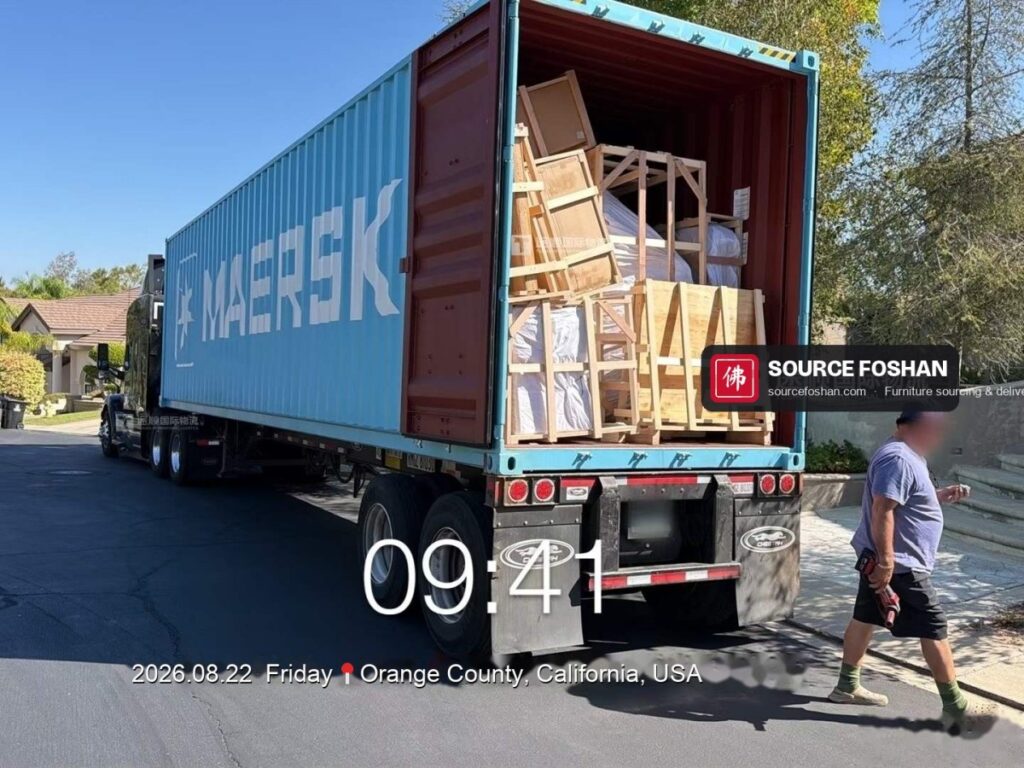
Photographs from the research file.
Other people’s shipments, not ours. In September 2026 we read 14 first-hand Chinese-language shipping notes and their comment threads from buyers who moved furniture from China to South Africa, and cleared their photographs for publication. They show what the process actually looks like at the kerb and in the room. Our own delivery photographs are further down, under case notes.
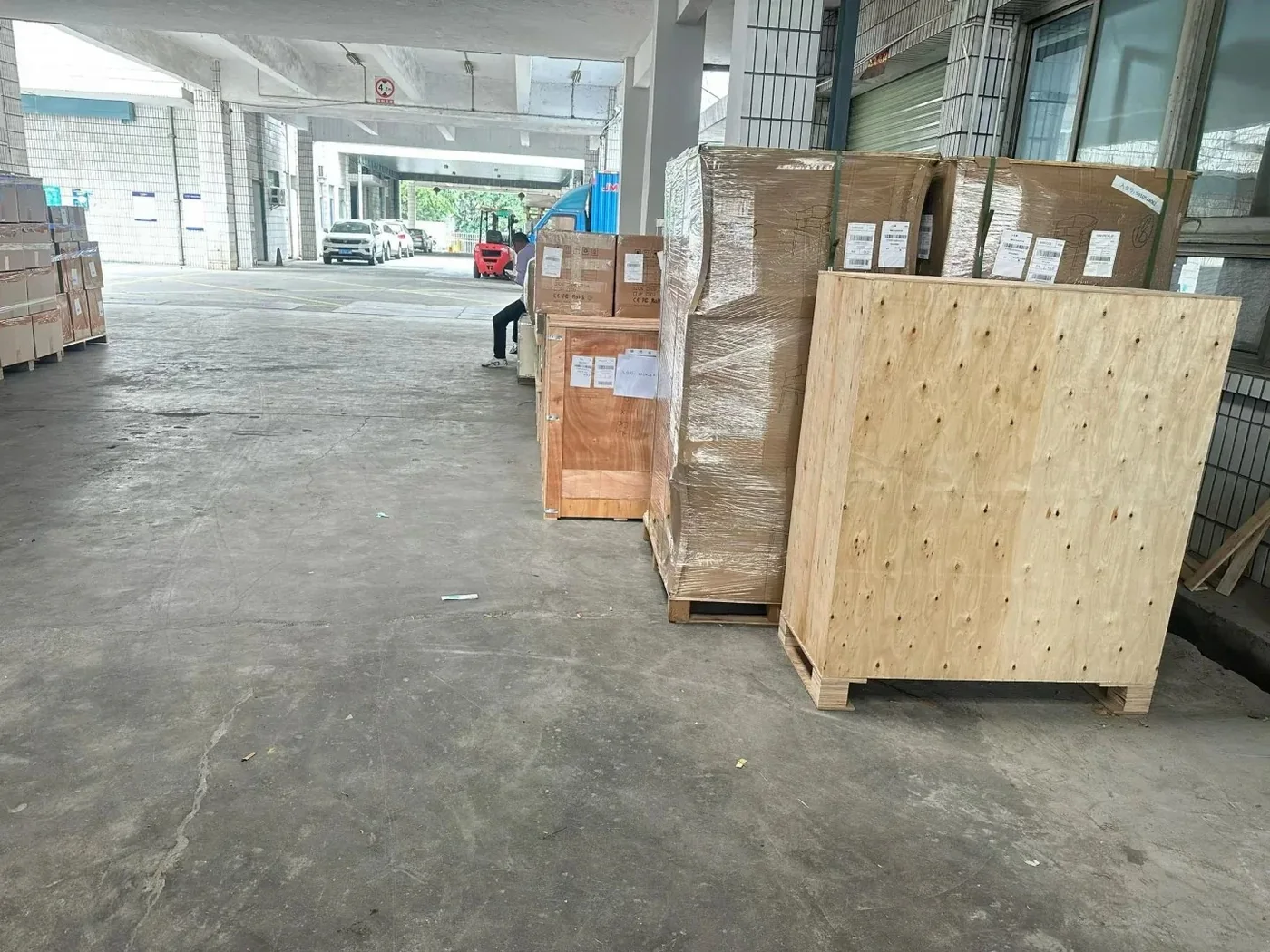
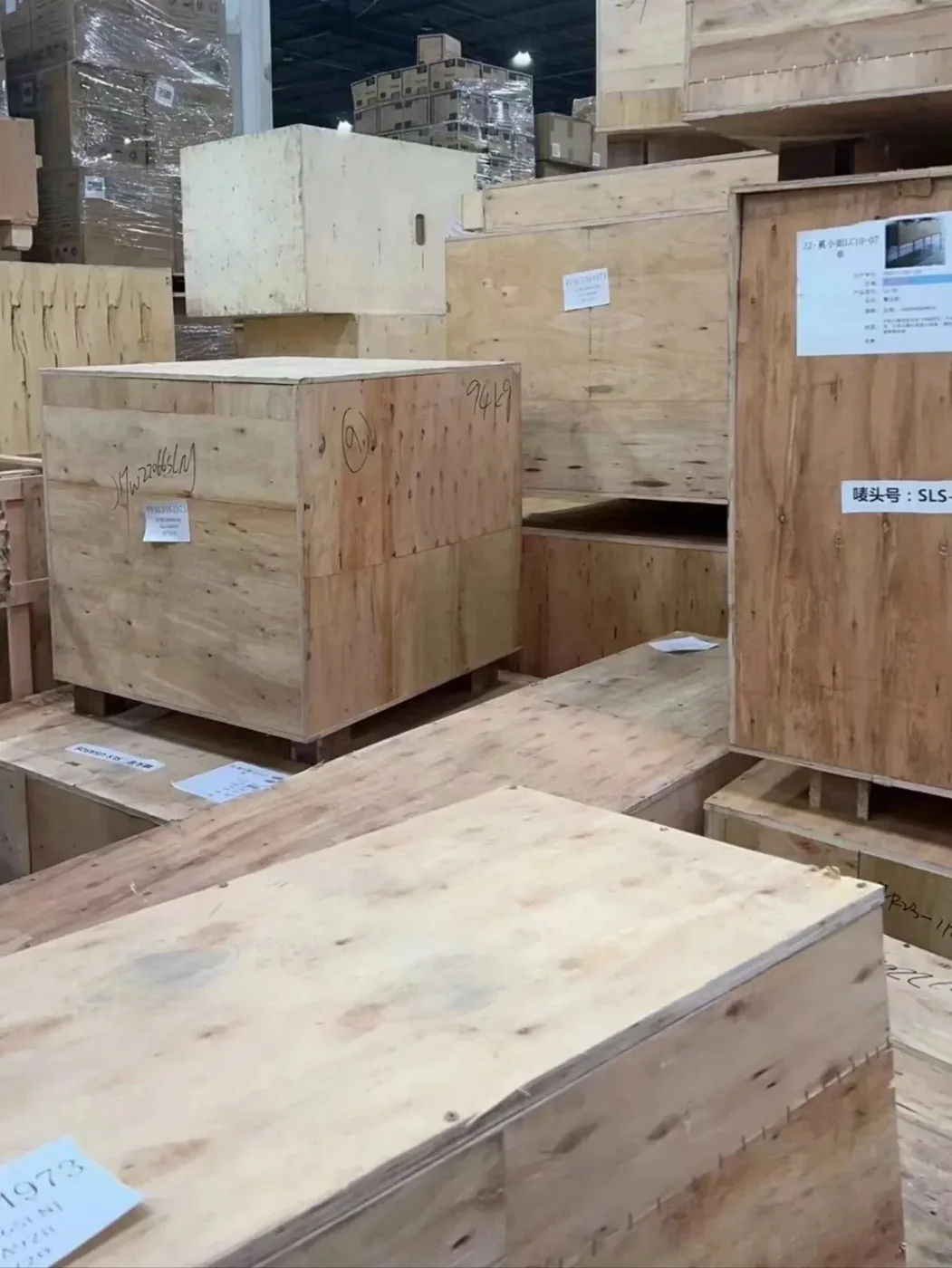
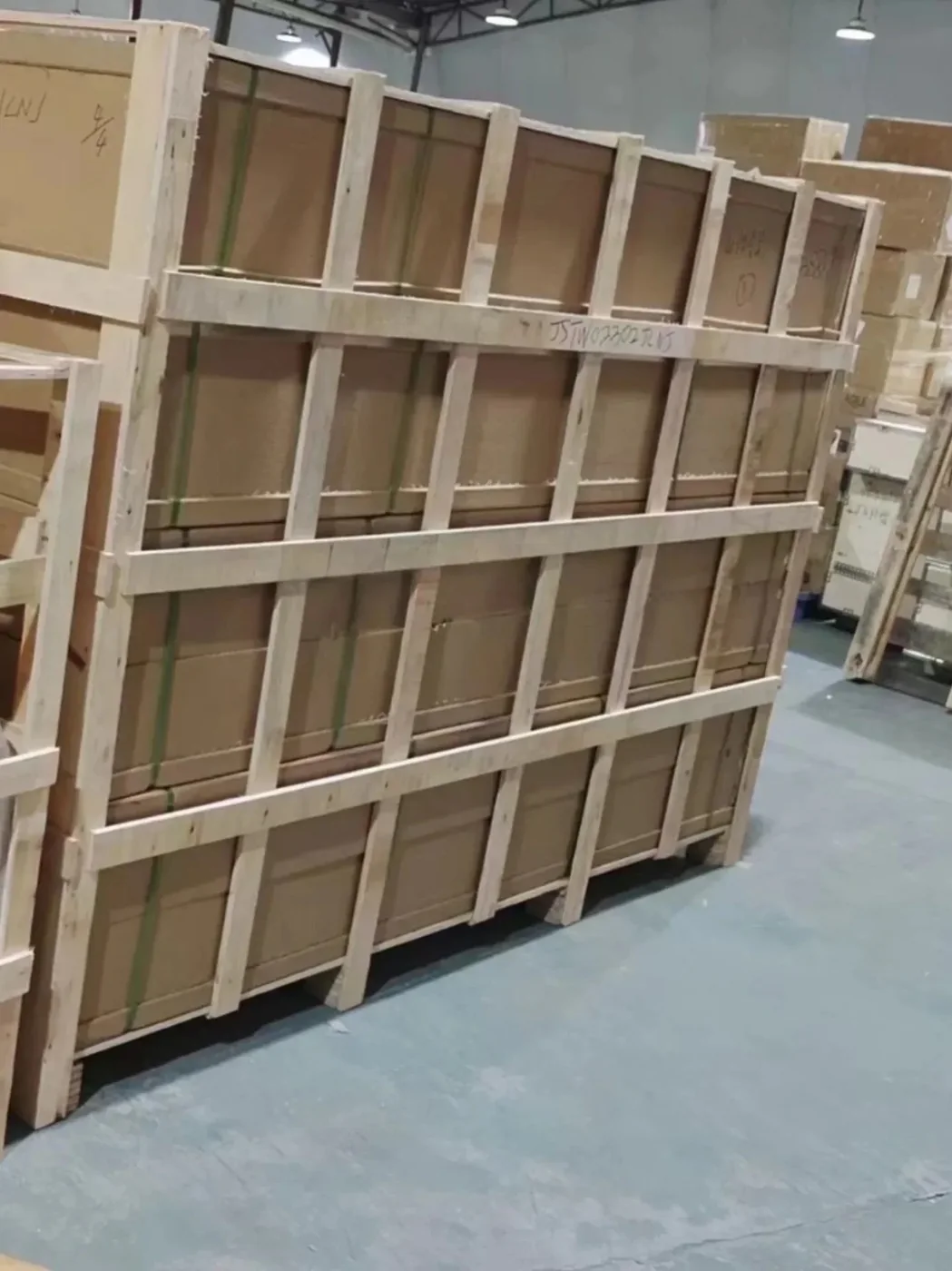
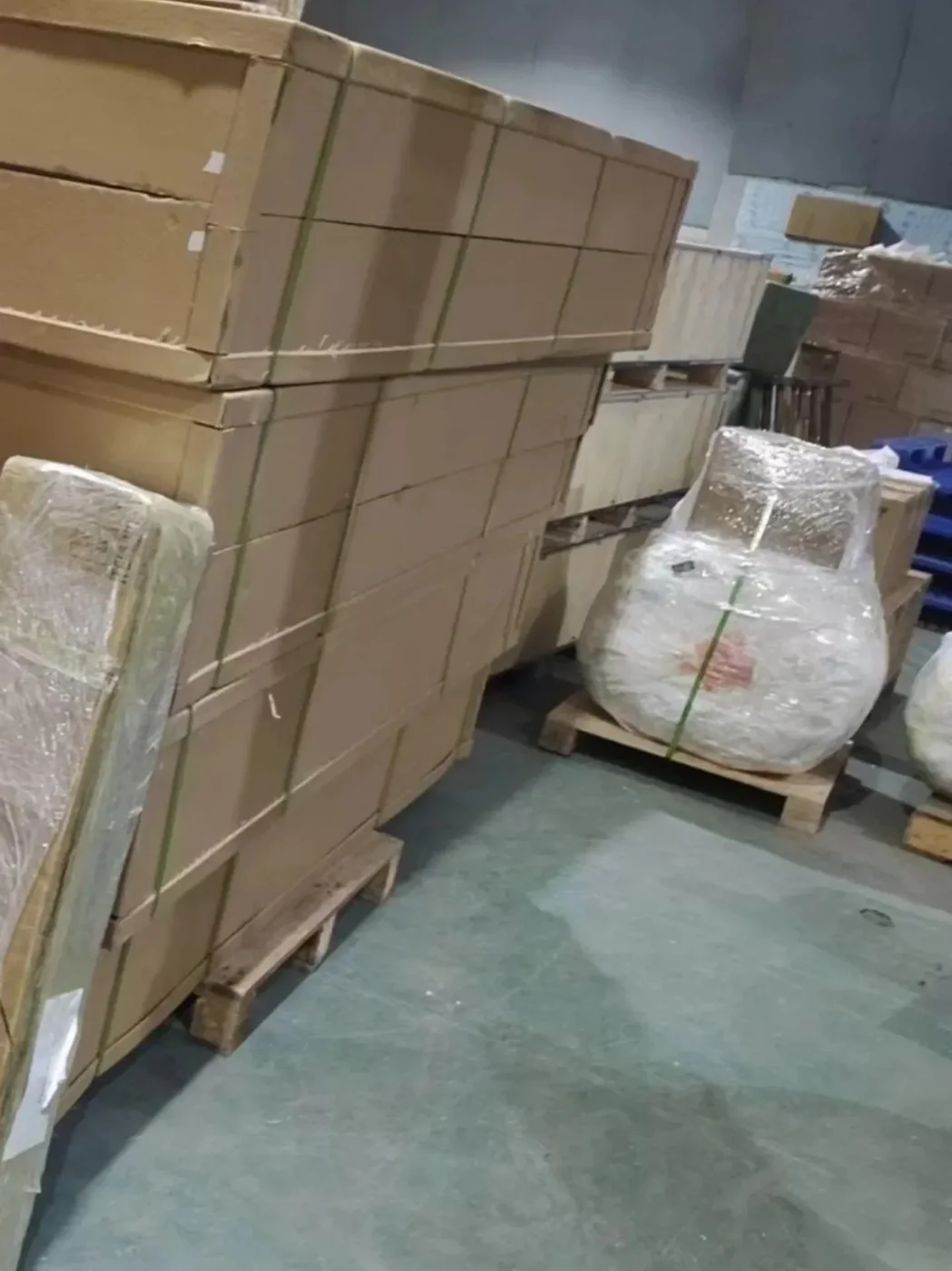
Published with the rights holder’s permission. Faces, house numbers, vehicle plates and third-party company marks have been cropped or redacted; nothing else in these frames has been altered.
09 · Field notes
What goes wrong, in the words of people who have already done it
Compiled in September 2026 from 14 first-hand Chinese-language shipping notes on the China–South Africa route and their comment threads, cross-read against our own files. Poster experience, forwarder marketing and our practice are kept apart: the left column is what buyers reported happening, the right column is what we do about it. Every rate, duty and border rule stays with the authorities listed at the foot of this page.
-
The trap
No SARS importer registration and no clearing agent appointed before booking.
What we doBoth are arranged before the container sails. This is the single most common reason a South African consignment sits.
-
The trap
A landed-cost estimate that stops at the freight.
What we doDuty by tariff heading plus uplifted VAT is the largest single block on this route — larger than the freight. Model it before you commit.
-
The trap
Paying for a conformity certificate that is not required.
What we doThe pre-export Certificate of Conformity programme for goods from China was suspended on 25 June 2026 and is still suspended — see the rule watch above. Trade posts and some certifiers still quote the 20 September 2026 mandatory date. We check the live position against SABS and the NRCS before every booking, in both directions: so you do not pay for a certificate you do not need, and so you are not caught out if it is re-notified.
-
The trap
Replica designer pieces shipped under the original's name.
What we doWe will not source them for export. Branded replicas are seized, and the seizure is the cheap outcome.
-
The trap
Port congestion treated as an exception.
What we doChoose the port deliberately and build buffer. Durban delays are a planning input, not bad luck.
-
The trap
Mis-description or under-valuation on the entry.
What we doAccurate invoices, accurate HS codes. South African entries are checked and a correction costs more than the duty saved.
10 · The honest version
When a South African import is not worth it
No free trade agreement, real duty, an uplifted VAT base and the slowest LCL on the site. This is the route where we say no most often.
- An order that is mostly seating. Roughly 20% duty on 9401 headings, on top of a VAT base uplifted by 10%, is the heaviest fiscal load of any destination here. Check the headings before the deposit.
- Anything under about 10 m³. LCL runs around USD 188 per cubic metre and 36–48 days — five times the Australian rate and up to three weeks slower. Small orders rarely survive that.
- A fixed date through Cape Town. Weather and congestion at Cape Town have a record of adding days no delivery crew can recover. Where the address allows it, we route through Durban.
- No local clearing agent lined up. An importer’s code and an agent are effectively compulsory. Without one arranged in advance the container sits accruing storage.
Where South Africa works is whole-home and guesthouse volume in a container of your own, routed through Durban, with the headings confirmed before anything is ordered.
FAQ
Shipping furniture to South Africa, answered.
How long does furniture take from China to South Africa?
Twenty-two to thirty days port to port in a full container from Shenzhen to Durban or Cape Town. LCL is much slower on this lane — thirty-six to forty-eight days once consolidation and deconsolidation are counted. Add two to four weeks of production and consolidation before the sailing and two to three weeks for clearance and delivery. Door to door, a container order runs about sixteen to seventeen weeks from deposit.
What import duty and VAT apply to furniture from China to South Africa?
There is no free trade agreement between China and South Africa, so ordinary customs duty applies: roughly 20% on seating under heading 9401, with other furniture headings varying. VAT is 15%, but the base is uplifted — SARS charges it on the customs value plus 10% of that value plus any non-rebated duty, because China sits outside the Southern African Customs Union. Confirm the exact heading with your clearing agent before you pay a deposit.
Should I ship LCL or a full container to South Africa?
The container wins earlier here than on any other route we run. LCL into South Africa costs around USD 188 per cubic metre and takes thirty-six to forty-eight days, against USD 2,903–3,548 and twenty-two to thirty days for a whole 20 ft container. That puts the crossover at roughly 10 m³ rather than the 15 m³ that applies elsewhere — and the container is three weeks faster.
Cape Town or Durban?
Durban is the larger container port and generally the more reliable for cargo with a date attached. Cape Town is the natural choice for Western Cape addresses but has a record of weather and congestion delays that no delivery crew can recover. Where the delivery address allows either, we usually route through Durban and truck it.
Do you handle customs clearance in South Africa?
No. You need an importer's code and a local clearing agent to lodge the entry, and we will not pretend to be one. What we do is supply the tariff headings, the packed volume per line and the documents early enough for your agent to check them before the container is booked — which on a route with real duty exposure is worth more than a clearance service.
Can I clear without a SARS importer code?
No. A registered importer and an appointed clearing agent are both needed before the container sails, and arranging them after arrival is the most common reason a South African consignment sits at the port accruing storage. We confirm both at booking. SARS is the authority on registration and on which category of importer you fall into.
Does furniture from China need a conformity certificate before export to South Africa?
Not at the moment. The Pre-export Verification of Conformity programme notified in Government Gazette 54374 on 20 March 2026 — the one that would have required a Certificate of Conformity issued in China from 20 September 2026 — was suspended with immediate effect on 25 June 2026 by SABS and the dtic, after comments through the WTO Technical Barriers to Trade process. Imports clear under the existing framework, including the NRCS compulsory specifications that already applied to the categories they cover. A suspension is not a repeal, the consultation is open, and we re-check the position with SABS and the NRCS before every booking rather than relying on a forwarder’s summary or a trade post.
Why is South Africa so much more expensive on tax than the other lanes?
Because duty on most furniture headings is substantial and VAT is charged on top of goods, duty, freight and insurance. On the worked example on this page, duty and tax together come to over 40% of the ex-works value — more than the ocean freight. Any landed-cost estimate for South Africa that stops at the freight is wrong by a wide margin. Model both before you commit to the order.
Send your list and your South Africa address
Quantities, rooms or a rough list are enough. You get compared factory options, the packed volume, the container call and a landed estimate within one business day.
Fields marked are required.
No spam, no obligation. Replies come from the sourcing team in Foshan, usually within one business day.
Sources & further reading
Where these figures come from.
- Sino Shipping — Freight from China to South Africa — FCL and LCL rate ranges and port-to-port transit times to Durban and Cape Town, September 2026
- South African Revenue Service — Duties and taxes for importers — Customs duty, the 10% upliftment and the import VAT calculation
- SARS — Customs tariff — Ordinary customs duty rates by tariff heading
- SABS — Pre-export Verification of Conformity programme — The administering body. Carries the public notice on the PVoC programme and its status.
- NRCS — National Regulator for Compulsory Specifications — The compulsory specifications that apply regardless of the PVoC programme.
Ocean freight is a spot market and moves monthly; duty and tax rules change without notice. Treat every figure here as a starting point and confirm it at booking with your broker.