Lieferanten
Production capacity claims: what a factory visit can verify
A factory visit can show that people, materials and equipment were present and doing particular work at a particular time.
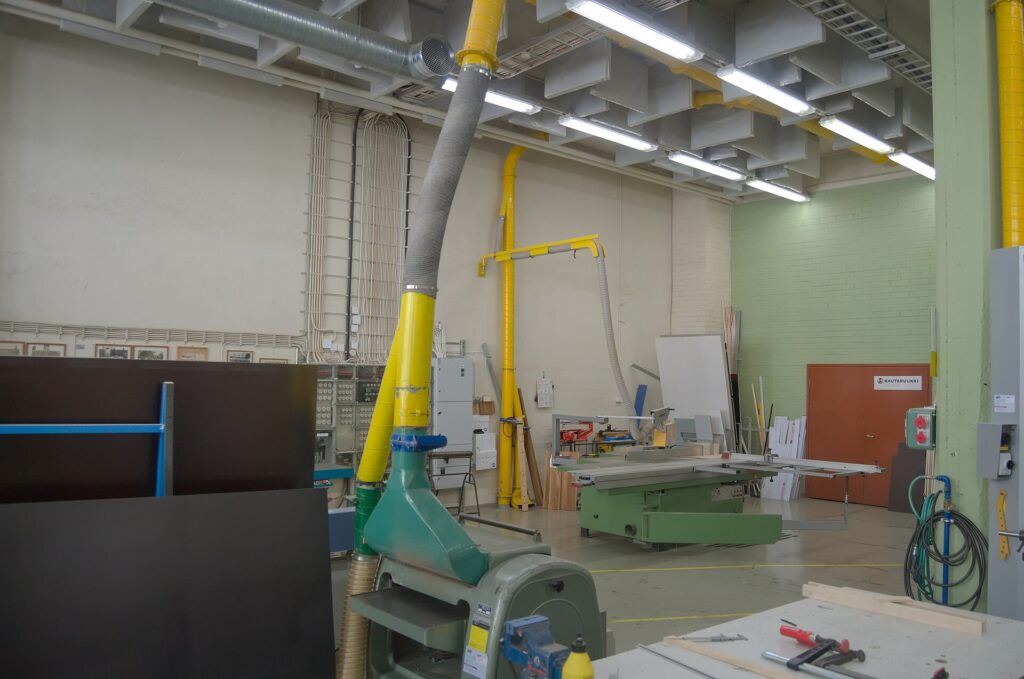
The short answer: a factory visit can show that people, materials and equipment were present and doing particular work at a particular time. It cannot prove that the factory can deliver your specified quantity, variant mix and quality level by your required date. Test a capacity claim by walking the route for the exact product family, identifying its slowest step, comparing recent completed-and-accepted output with the promised rate, and checking how much of the future slot is already committed. Record what you saw separately from what management said and what dated records support.
A polished tour is useful, but it is a snapshot. The published factory-verification guide covers the wider identity and site questions. This article asks a narrower question: if a supplier promises, for example, 400 upholstered chairs in six weeks, what evidence would make that promise plausible? The eight credited photographs are unrelated illustrations, not evidence from a Source Foshan audit or any supplier discussed here.

Translate the sales claim into one testable order
“Capacity: 10,000 pieces per month” has little decision value until the unit and mix are defined. A dining chair, sectional sofa and custom cabinet consume different processes and time. Even two chairs may require different fabric, frame, finish, hardware or packaging routes. Write the claim in this form: product and approved specification + quantity + acceptable yield + available production window + named delivery milestone. Confirm whether the stated rate means starts, finished units, inspection-passed units, or units packed for dispatch. Those counts are not interchangeable.
For the tour, select one representative item that matches the order you intend to place. Ask the supplier to mark its route from material receipt through cutting, machining, frame work, finishing, upholstery or assembly as applicable, inspection, packing and dispatch. Record which steps happen at the visited site and which are outsourced. An impressive machine that never touches your product is irrelevant to its schedule.
A first-person Xiaohongshu account of a Foshan furniture buying trip is useful precisely because its author describes visiting many factories, judging visible workmanship and orderliness, and admitting they could not assess hidden frame materials or spring details. Those are the author’s observations and limits, not independently verified findings about the named merchants. The same distinction applies to capacity: seeing orderly activity is useful evidence of an operating process, but it cannot reveal all commitments or future acceptance yield.

Follow the bottleneck, not the tour route
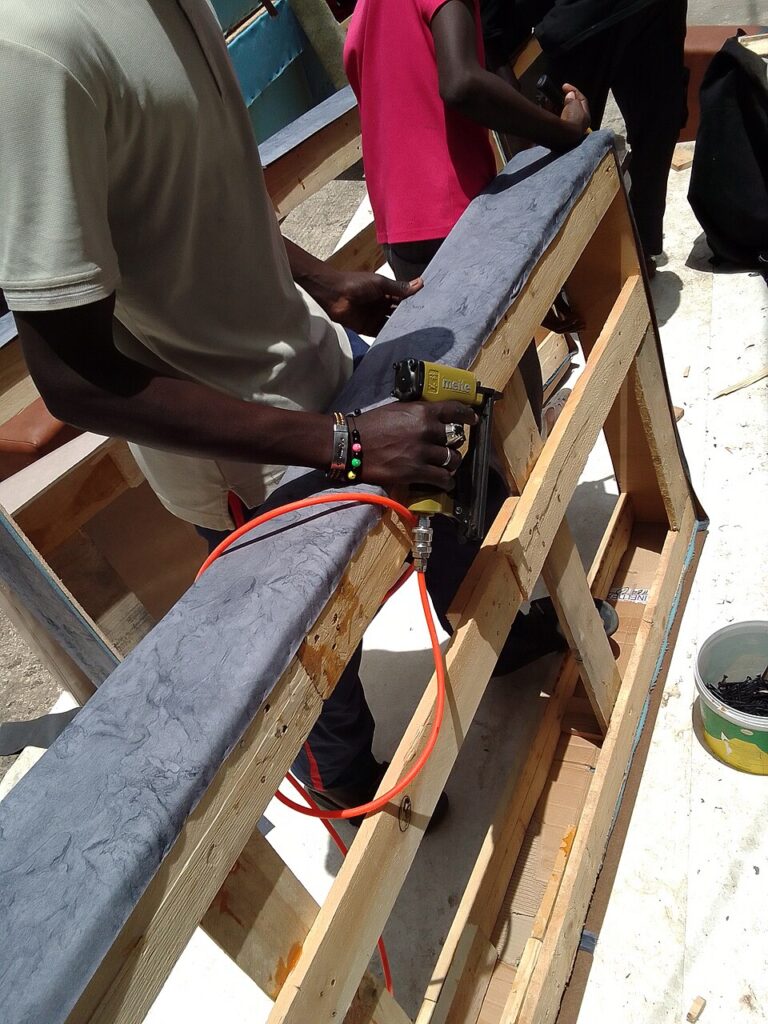
Ask a production lead to walk the actual route in sequence. At each stage, note the equipment or bench count, crew present, shift pattern, typical batch size, setup or changeover, work waiting before the stage, and work waiting after it. Ask which stage currently limits accepted output for the specified product family. Then ask what changes when your variant, color or material changes. A machine’s nameplate speed, a worker’s fastest cycle and a floor full of unfinished goods are all poor substitutes for accepted daily output.
For upholstered furniture, frame fabrication, foam preparation, cover sewing, upholstery, final inspection and packaging can have different constraints. A full frame area does not create more sewing hours. An empty station may reflect a scheduled shift, missing material or an outsourced process; do not assign a cause by sight alone. Take the supplier’s explanation as a hypothesis, then seek dated production and staffing records that could confirm it. If confidential customer names must be masked, agree on a redacted form that retains dates, product family, unit counts, defects and dispatch status.
Photographing a station may help document the process with the supplier’s permission, but a photo cannot establish a monthly rate. Better evidence is a time-bounded comparison: for the same or genuinely similar item, how many units entered the bottleneck, passed inspection and shipped in the last several completed periods? If the supplier will not share any traceable output information, the claim remains unverified. That is an evidence status, not an accusation.


Build a capacity bridge from accepted output to free slots
Use three numbers for the relevant production window: demonstrated accepted output, already committed output, and the proposed order’s accepted units. All three need the same product family and time unit. The apparent headroom is demonstrated accepted output minus committed output. Then adjust for documented changeovers, holidays, maintenance, material availability and any evidence-backed extra shifts. Do not count a new shift until staffing, supervision and quality checks for that shift are credible.
| Record to request | Warum es wichtig ist | Question if absent |
|---|---|---|
| Recent completed production and acceptance counts for comparable items | Shows an actual rate and loss after rework or rejection. | Is the sales number a theoretical start rate? |
| Current work-in-process by stage and due date | Shows queues before the bottleneck. | Will a long queue consume the proposed slot? |
| Firm order schedule, with other clients anonymized if needed | Shows existing commitments in the same window. | Is the capacity already sold? |
| Material and subcontractor readiness for your specification | Shows whether the line can start on time. | Is the quoted lead time measured before materials arrive? |
| Packing and dispatch history | Shows the gap between completion and shipment. | Does “finished” mean ready to load? |
Consider an illustrative, invented chair line. The supplier claims 250 chairs per week. Its dated logs show an average of 220 chairs passing final inspection per week over four relevant weeks. Existing confirmed orders consume 150 accepted chairs a week for the next four weeks. On those assumptions, apparent headroom is 70 accepted chairs a week, or 280 in four weeks before any extra setup or disruption. A proposed 300-chair order does not fit merely because the sales claim says 250. Ask for a documented new shift, an extended window or a revised order quantity; do not silently turn 220 into 250. These numbers are teaching examples, not observed performance of a real factory.
If the supplier manufactures sofas and cabinets as well as chairs, do not pool them into “pieces” without a credible conversion. Hours at the bottleneck may be a better common unit, but a conversion needs actual observed or recorded run times for each variant. Where the evidence is thin, preserve a range and uncertainty rather than publish a false precision.

Separate activity, completion and dispatch
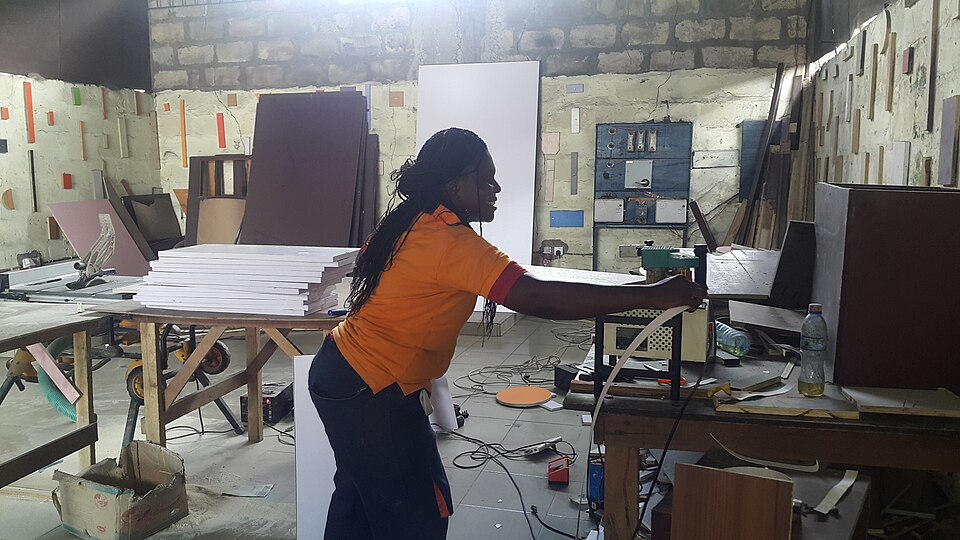
A busy floor has at least three distinct streams: work entering the process, goods accepted after inspection, and goods dispatched. Compare them for the same dates and product family. If starts rise while accepted output stays flat, work in process or defects may be accumulating. If accepted output rises but dispatch lags, packing, documentation, consolidation or carrier availability may be limiting the delivery promise. Ask for an explanation tied to dated records, not a general assurance.
During a visit, select a small sample of production travelers or job cards with the supplier’s agreement. Follow each from order reference to current stage, specification revision, inspection disposition and promised date. This is a process-trace exercise, not a statistical audit. One correct card does not prove that every card is correct. One inconsistent card, however, is a useful reason to widen the sample or pause an approval.
The buyer should also distinguish a showroom sample from regular production. A sample may receive exceptional attention or be made in a different sequence. Match the route and revision of the sample you approved to the route planned for the lot. The Leitfaden zu Foshans Möbelherstellern explains the wider supplier landscape; the scheduling decision still depends on the exact maker and process for your item.

What a warehouse can and cannot tell you
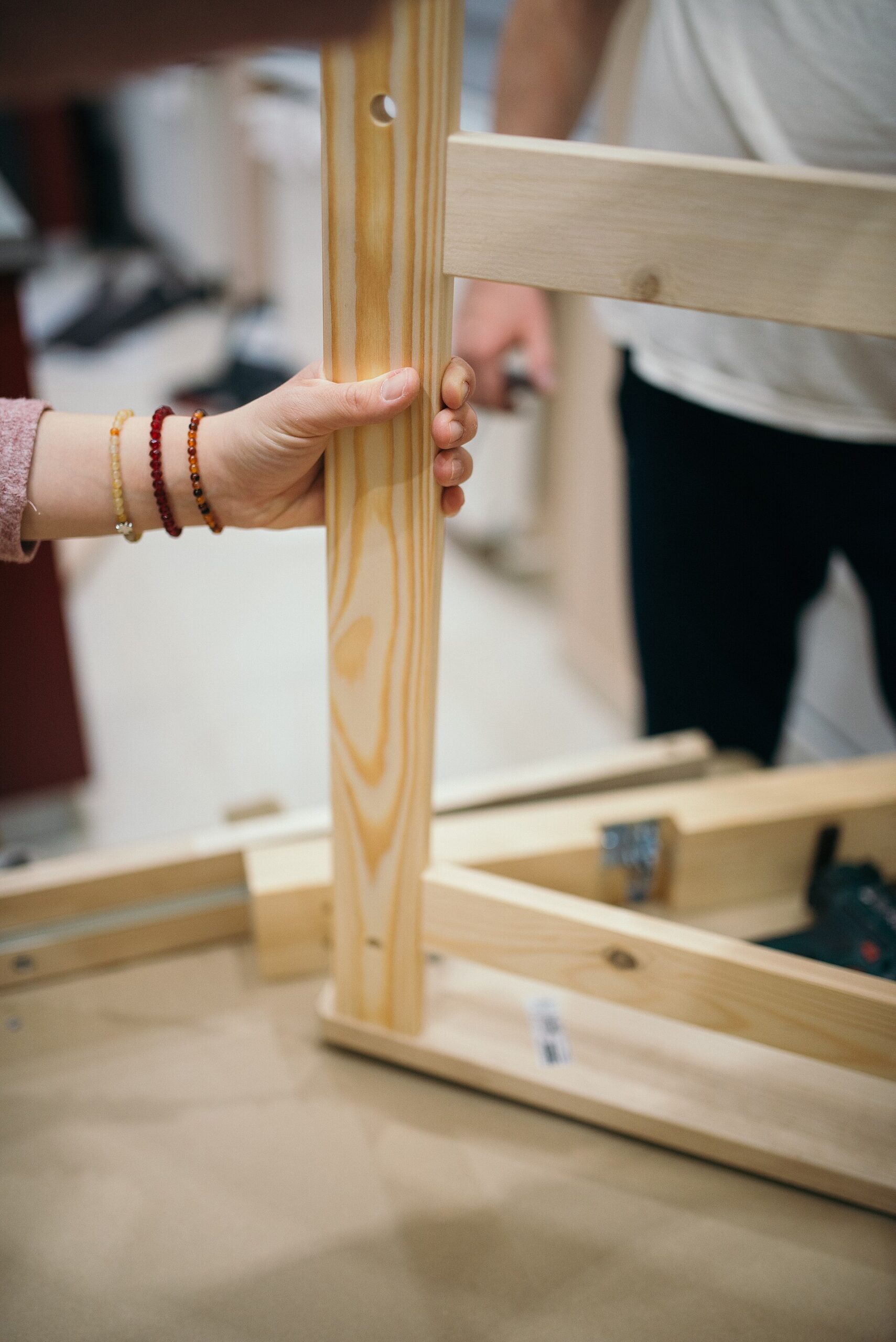
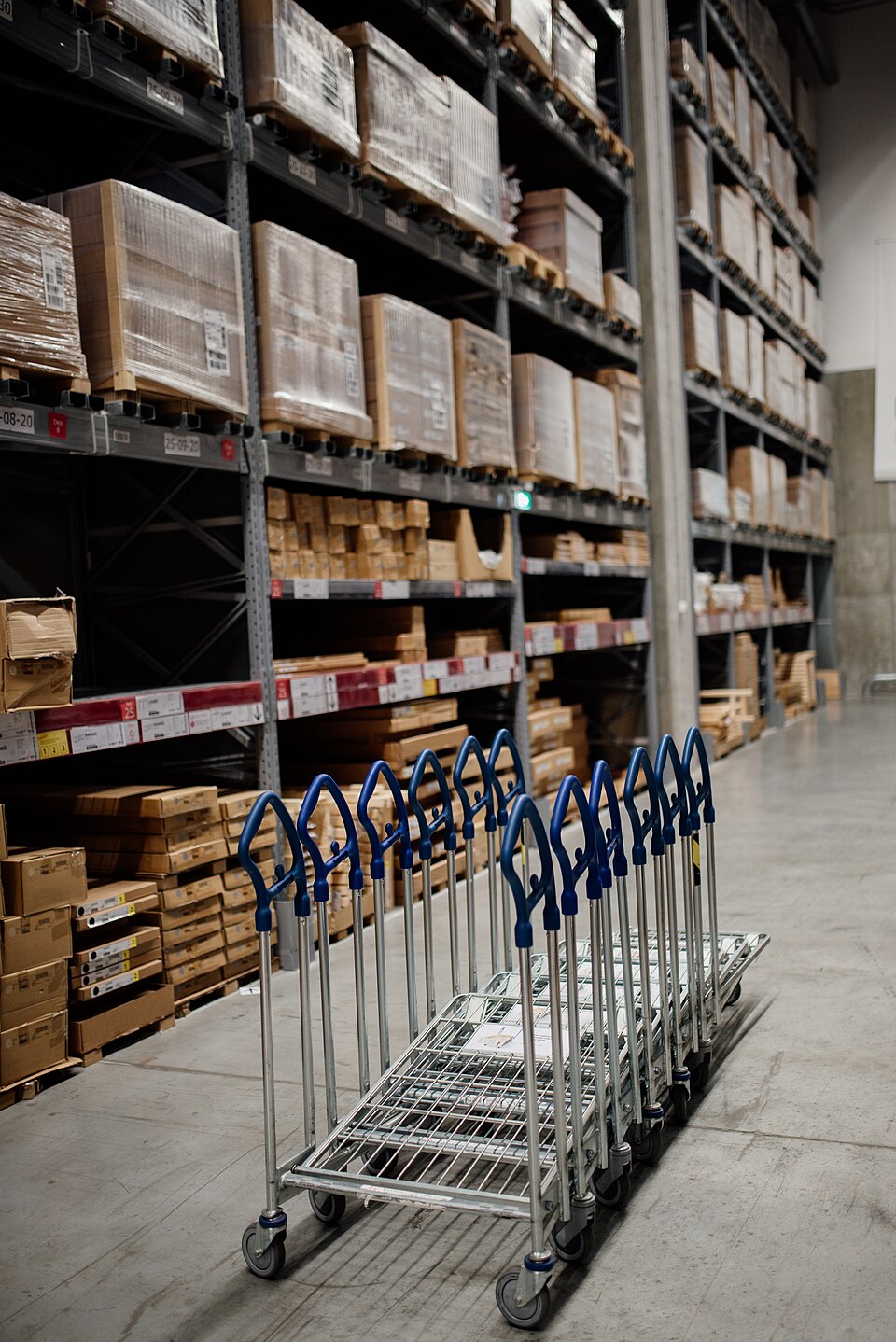
Count categories, not just boxes. Materials awaiting issue, unfinished goods awaiting rework, accepted finished goods for another client, and packed goods ready for dispatch all occupy space but mean different things for capacity. Ask the supplier to identify how each category is tagged and traced to an order. A warehouse full of cartons can signal productive output, slow dispatch, inventory held for customers, or a bottleneck; a single tour cannot distinguish these explanations without dated movement records.
For an outsourced step, ask who controls the schedule, how incoming quality is checked, and whether the subcontractor has a committed slot for this order. A visited assembler may be entirely capable of final assembly but depend on external finishing, metal fabrication or upholstery. That does not disqualify the supplier; it changes the evidence needed to support the delivery date. The Longjiang sofa and upholstery guide provides product-context questions for upholstery sourcing without certifying any particular maker’s capacity.

Turn the visit into a dated evidence register
Before leaving, make a short register with four columns: claim, observation, supporting record, unresolved gap. For example, “two upholstery shifts” is a claim; seeing workers on one afternoon is an observation; shift rosters and accepted output by date are records; whether the second shift covers your product is the gap. Note who supplied each record and the period it covers. Keep documents with commercial details redacted where necessary, but retain enough structure to check dates and arithmetic.
Avoid asking only for a total monthly number. Request the last four to eight comparable production periods, the current order-book load in the proposed window, and a schedule for your item with the bottleneck and inspection points visible. If the supplier can demonstrate only a small sample, label the assessment provisional. If a buyer is placing a high-value or time-critical order, commission an independent, scoped production-capacity review and define the decision it must support. A visit by itself remains a snapshot.

Release the order only against a specific schedule
The approval decision should state one of three outcomes: capacity supported for this specified order and window; plausible but dependent on named evidence or changes; or unsupported. “Supported” means the assumptions have been written down, not that delays are impossible. For the middle outcome, specify exactly what must happen before deposit or production release: confirmed materials, an accepted pilot lot, a reserved subcontractor slot, a revised quantity, or a later delivery window. If the claim is unsupported, request a revised proposal or source an alternative maker.
Write the agreed production plan into the commercial documents: approved specification and revision, quantity by variant, production and inspection milestones, who supplies each material, change control, the responsible legal seller, and the evidence required before the next payment. Track accepted units, not just reported starts, during execution. When a milestone slips, update the capacity bridge using current records rather than recycling the pre-order sales number.
Your next action is to send a one-page capacity request before the visit: identify the exact product and quantity, ask for the recent accepted-output window, current commitments and route, and reserve time with the production lead rather than only the sales host. The answer you need is an evidenced slot for your order, not a memorable tour.
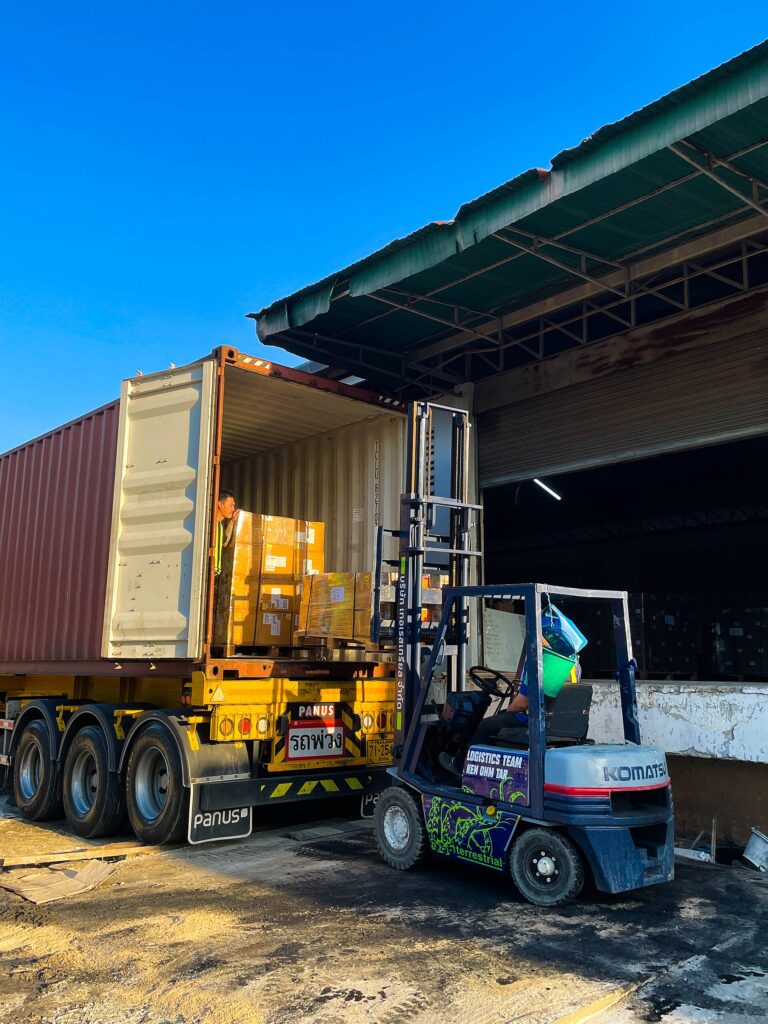

Photo credits and limits
The eight photographs are unrelated licensed illustrations from eight distinct Wikimedia Commons source pages. Each caption links the photographer and licence. None documents Source Foshan staff, a Foshan supplier, the cited buyer’s visit or a verified production-capacity claim. The photo ledger records source pages, licences, media IDs, file hashes and their article purposes.