Заметки с места событий
How to shortlist Lecong stores before a buying trip
Shortlist Lecong furniture stores by product fit, sample availability, seller identity and appointment evidence, with a fictional visit-time budget.
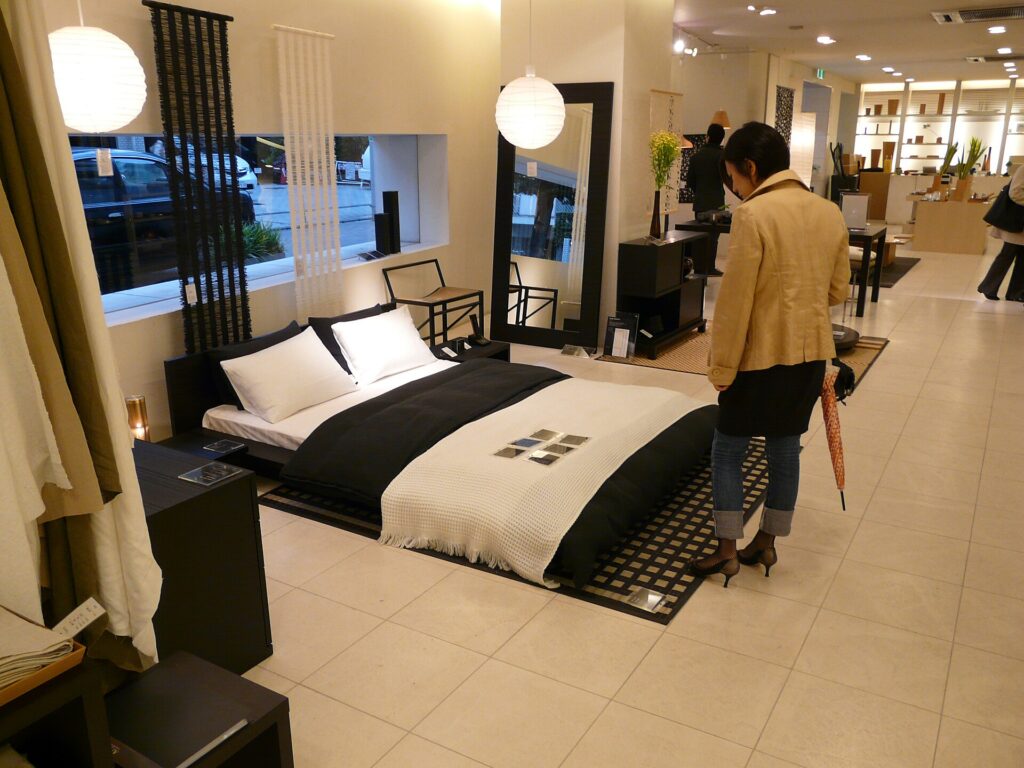
The short answer: build a longlist from product fit, not social-media popularity; ask each store for its exact address, orderable model, sample availability and seller identity; then reserve visit time for the candidates with a reason to inspect in person. Keep a few alternates. A short reply time, a glamorous showroom photograph or a claimed factory relationship is a lead, not evidence that the store can supply the required variant. Your final route should reflect item priorities and travel constraints, not the number of shops you can name.
путеводителе по мебельному рынку Foshan provides the broader market orientation, and the published Lecong furniture market map helps place districts and buildings. This article begins before either route becomes useful: it converts a messy store list into a visit decision. The eight licensed photographs below are unrelated illustrations, not documentation of a Source Foshan buying trip, any Lecong store or the Xiaohongshu author’s visit.

Start with the purchase, not the mall directory
Write down the items that justify travel. For each category, record intended quantity, room or project use, hard dimensions, likely material, target appearance, acceptable substitutions and any decision deadline. Split the list into must inspect, useful to compare и can review remotely. A sofa with uncertain seating comfort may warrant time on a floor sample; a simple side table with complete drawings might not. If you are buying for export, note packing and consolidation questions too, but do not assume a retail floor can resolve them.
Set a category coverage rule before collecting stores. For example, one buyer might need at least two distinct sofa candidates and one dining-chair source to compare before choosing a supplier. This is a planning rule, not a magic minimum. Its purpose is to stop an itinerary that contains five attractive decor stops and no relevant dining-chair appointment. Place product evidence in the same sheet as the store name. A generic “we sell everything” response is too broad to earn a scarce visit slot until a representative names relevant models or shows a credible current catalogue.
A first-person Xiaohongshu account of a two-day Foshan furniture purchase describes gathering candidate names before travel, messaging seller accounts for addresses, brochures and possible showroom/factory visits, and arranging the eventual route around locations. The author also reports that a pre-trip conversation they initially found unpromising preceded a substantial purchase after the visit. That contrast is useful: remote responsiveness helps schedule, but it should not alone decide product fit. This is one self-reported trip; brand evaluations, prices, factory descriptions, transport timing and purchasing outcomes are not independently verified or generalized here.
Use a store qualification sheet with evidence columns
Make one row per physical visit candidate, not per brand handle. One company may show different categories at separate sites; two social accounts may point to the same showroom. Capture the trading name, contact, precise destination, floor or unit, proposed appointment, relevant item family, model codes, sample status and legal seller name if available. Store the original message or document URL beside each value. Mark each field as confirmed by seller, visible only in a post, inferred by buyer or unknown. This prevents a polished social post from being mistaken for an appointment or stock confirmation.
Use five gates, in order:
- Category fit: Does the store have an orderable item in a required category, with a model or product line you can identify?
- Variant fit: Is the required size, finish, upholstery or configuration plausibly available, and what can actually be inspected on the visit date?
- Visit feasibility: Is the exact address, unit and contact confirmed, with an appointment or reliable opening confirmation for that day?
- Commercial handoff: Who will issue the written quotation and later take an order? Can the seller describe whether it supplies, makes or resells the item without collapsing those roles?
- Evidence value: What unanswered question can an in-person visit resolve better than a catalogue, video call or sample shipment?
A candidate can remain on the longlist while a field is unknown. It should not become a fixed stop if the unknown would waste the trip. A vague address is a route risk. A missing model code is a comparison risk. A price withheld until a physical visit may be acceptable for custom work, but the buyer should know that pricing remains unresolved and allocate decision time accordingly.

Ask for one inspectable item, not a wall of catalogues
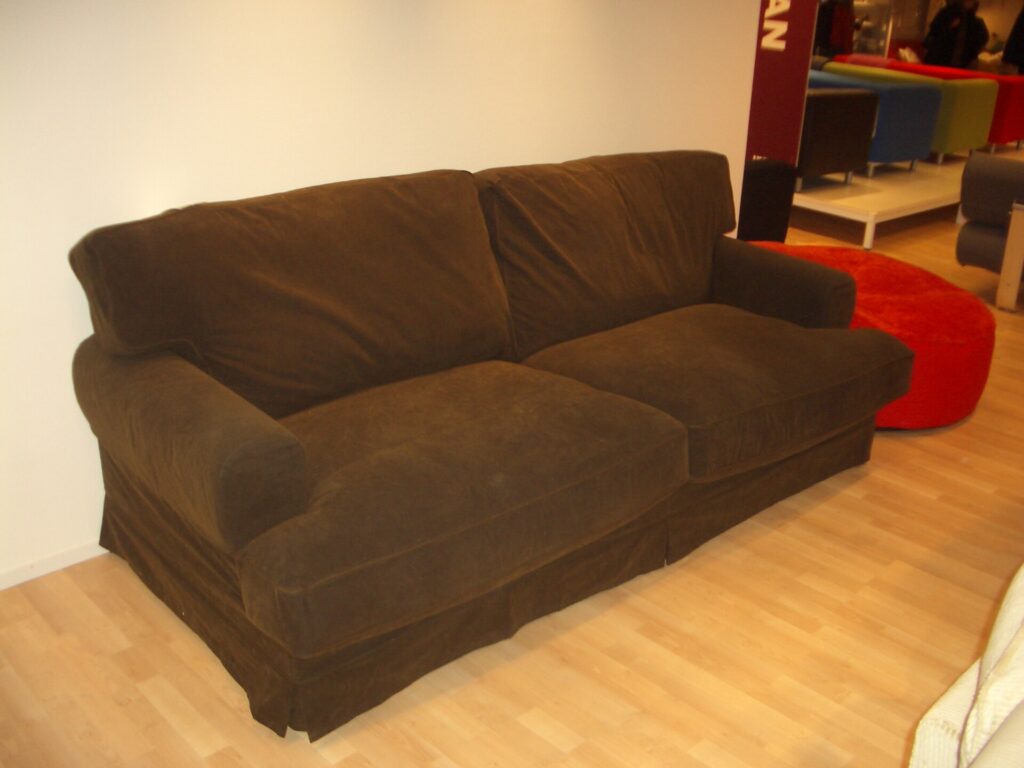
Send a compact brief for each high-priority category: intended use, dimensions, target style, material requirement, quantity and visit dates. Ask the store to identify one to three models it recommends, say which are on display, and flag which parts of the display differ from the proposed order. A giant catalogue with no location or variant link costs the buyer time but does not qualify a visit. The answer should allow a specific question such as, “Will model A42 in fabric F09 be available for a seating test on Tuesday, or is only A42 in a different fabric on the floor?”
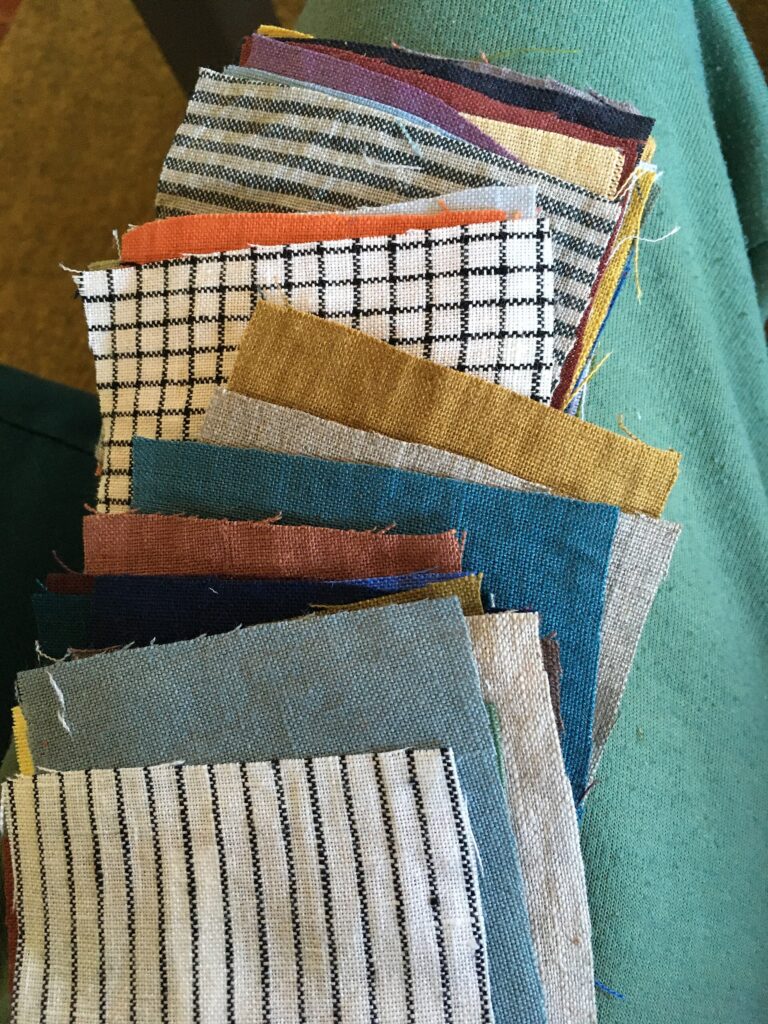
For a finish-sensitive item, request a swatch code and ask whether it can be seen under ordinary light. For a custom table, ask for an existing comparable sample and a drawing of the proposed size. For a sofa, identify seat height/depth range, module configuration and whether the displayed cushion construction matches the quoted variant. The aim is not to verify every claim remotely; it is to know what the trip can test. The Louvre furniture mall guide can be one location reference, but a famous destination should earn a visit for a specific product or comparison purpose.

Score the visit by information gain
Avoid a single opaque “best store” score. Give each candidate three separate marks: purchase fit, visit information gain, и appointment confidence. Use a simple 0–2 scale, with a sentence explaining each mark. A 2 in purchase fit means a named product appears to meet your hard requirements; 1 means it may fit but the critical variant is unconfirmed; 0 means it does not match. Information gain is 2 when a physical test can resolve a high-consequence question, such as seating comfort or finish quality; 0 when the same decision can be made remotely. Appointment confidence is 2 for a confirmed day, time, exact unit and contact; 0 for only an unverified social-media location.
Do not blindly total the numbers. A store with no relevant product does not become useful because it replies quickly and sits near lunch. Conversely, a strong product candidate with a weak appointment can stay as a reserve while you try to confirm the sample. Add a hard constraint column for accessibility, opening window, buyer language support, budget ceiling or floor access if relevant. Confirm these with the venue or seller rather than relying on old screenshots. A buyer with a wheelchair, large sample case or a tightly timed meeting needs that information before arrival.

Estimate whether the visit is worth the time
Make the opportunity cost explicit. Suppose a fictional buyer has six hours available in Lecong after transport and meals. They need two sofa comparisons and one dining-table option. Assume 55 minutes inside each priority store, 20 minutes for each transfer and a 45-minute buffer for overruns. Three stops require 3 × 55 + 2 × 20 + 45 = 250 minutes, or 4 hours 10 minutes, leaving 1 hour 50 minutes for a reserve stop or deeper review. This is arithmetic for illustration, not an observed Lecong travel time. Replace every input with actual opening, address and traffic data before booking.
Budget also matters at the category level. A store that can only show a luxury finish far beyond the buyer’s approved range may still be worth 20 minutes as a quality benchmark, but should not displace two orderable comparisons. State that purpose in the sheet. Likewise, a supplier that offers an apparently low item price but cannot define export packing, consolidation handoff or variant pricing may deserve a clarification call before a trip slot. Do not treat any posted starting price as an offer for your exact specification.


Separate a store lead from a usable appointment
When a candidate passes the product test, send a short confirmation message 24–48 hours before the intended visit, adjusted for local hours. Include visitor names and language, day and time, exact showroom unit, model and variant, whether the sample will be on display, who will meet you, approximate meeting length, photo policy and whether a factory visit is actually possible. A storefront address and a factory address may differ substantially. Ask for both only if both have a genuine purpose. Do not represent a possible factory tour as confirmed merely because a salesperson mentioned it in chat.
Keep two reserve stores, one near the same product category and one near the same geographic cluster. A reserve should also have a verified contact and address; a random social post is not a fallback. If a priority sample is absent on the day, use the buffer for another qualified candidate or spend the time collecting a drawing and written quote. The путеводитель по рынку Lecong helps sequence confirmed sites after selection; route convenience is a second-stage filter.

Keep changing claims out of the visit plan
Seller names, floors, opening hours, sample displays and product ranges can change. Put a last-confirmed date beside each. If a seller cannot tell you whether the target model is on the floor, label the appointment as exploratory. If a pre-trip catalogue shows one finish and a later chat says another, preserve both and ask which variant you will see. Do not replace a saved answer silently. This small revision discipline protects the trip from a common failure: arriving with a comparison question that nobody on site can answer.
The shortlist is an allocation tool, not a verdict about store quality. A slow chat response might reflect a busy salesperson; a fast response might reflect a marketing team rather than technical knowledge. The firsthand buyer account above itself describes an initially weak remote impression followed by a better in-person fit. Use response clarity to identify what must be checked, and leave a limited reserve path for promising products. Avoid repeating another buyer’s brand ranking as your own supplier validation.

Approve a one-page visit list
Before booking travel, make a one-page list with the three to five priority appointments your time genuinely supports. For each, show item/category purpose, one inspectable model, address and unit, contact, confirmed time, the decision question and a fallback. Give the buyer or project owner a chance to approve category coverage and budget use. If the list cannot answer “What decision will this stop change?”, downgrade it to a reserve or remove it. A short, evidenced itinerary is more useful than a long list of famous halls.
At the end of each visit, update the same row: sample seen or absent, actual model/variant, observations versus seller declarations, photos allowed, quote promised and follow-up owner. The pre-trip sheet then becomes a post-trip evidence trail instead of a discarded itinerary. The next action today is to send your brief to five plausible stores, request an exact inspectable model and unit from each, and select the three whose visits can resolve your highest-risk purchase questions. Keep the other two as qualified alternates.

Photo credits and limits
Each caption links its photographer, original Wikimedia Commons page and licence. The eight genuine, unrelated photos illustrate candidate listing, product fit, material variant, dimensions, time/budget, evidence register, travel feasibility and approval. They are not Lecong store photos, Source Foshan project photos, the Xiaohongshu buyer’s trip or proof of any appointment. Replace these provisional images with permission-cleared location and product photography before publication when available.