Заметки с места событий
Foshan showroom appointments: questions to send before you travel
Prepare a Foshan showroom appointment with eight questions on samples, location, technical contacts and export scope, plus a written confirmation card.
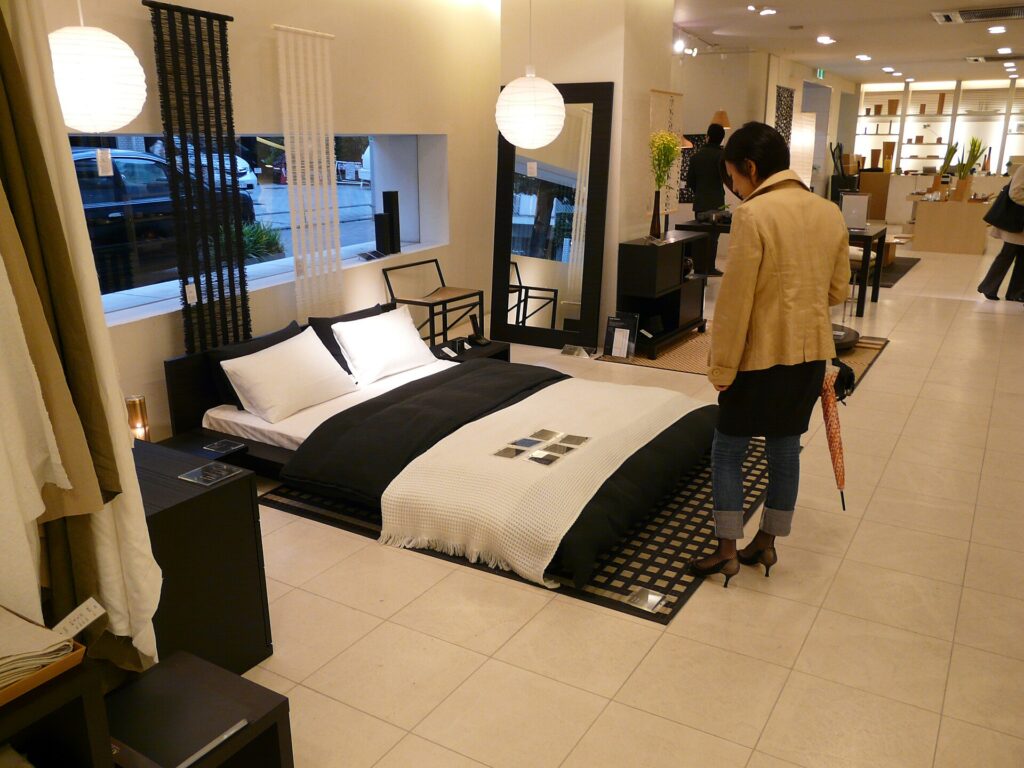
The short answer: send each Foshan showroom a one-page buyer brief and ask for a named contact, exact meeting entrance, relevant display models, material options and permission to inspect or photograph them before you commit a slot. Ask separately whether a factory visit is possible. A friendly “welcome to visit” reply is useful, but it is not yet a confirmed appointment. Reserve travel time for suppliers who can answer the questions that affect your purchase decision.
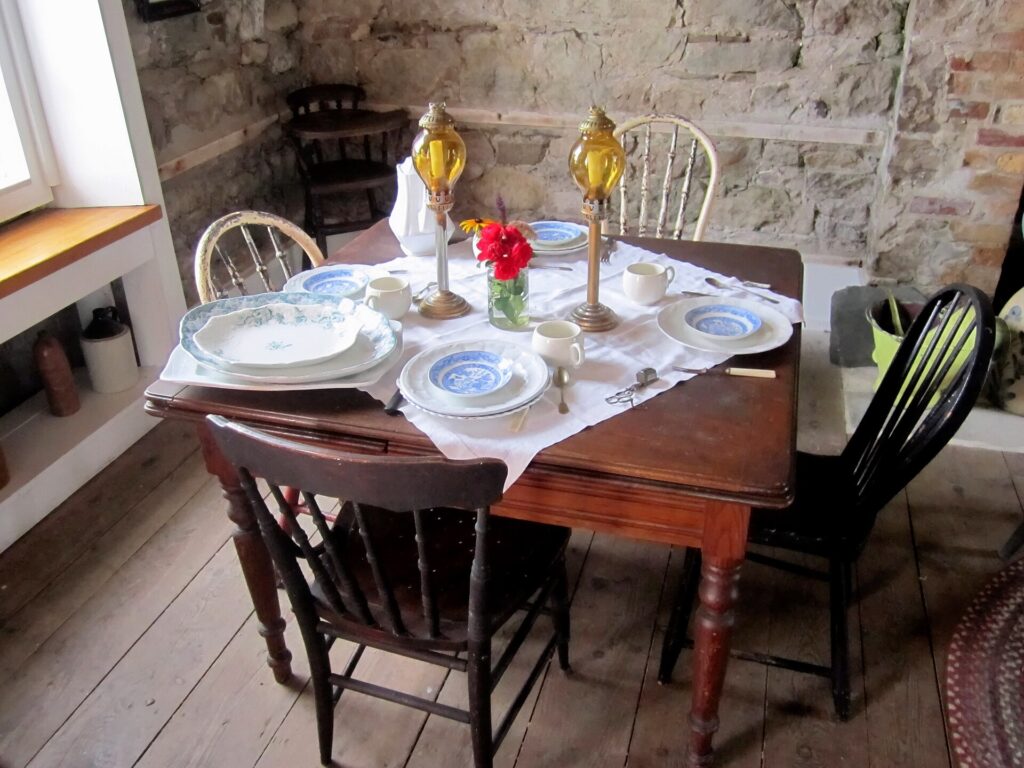
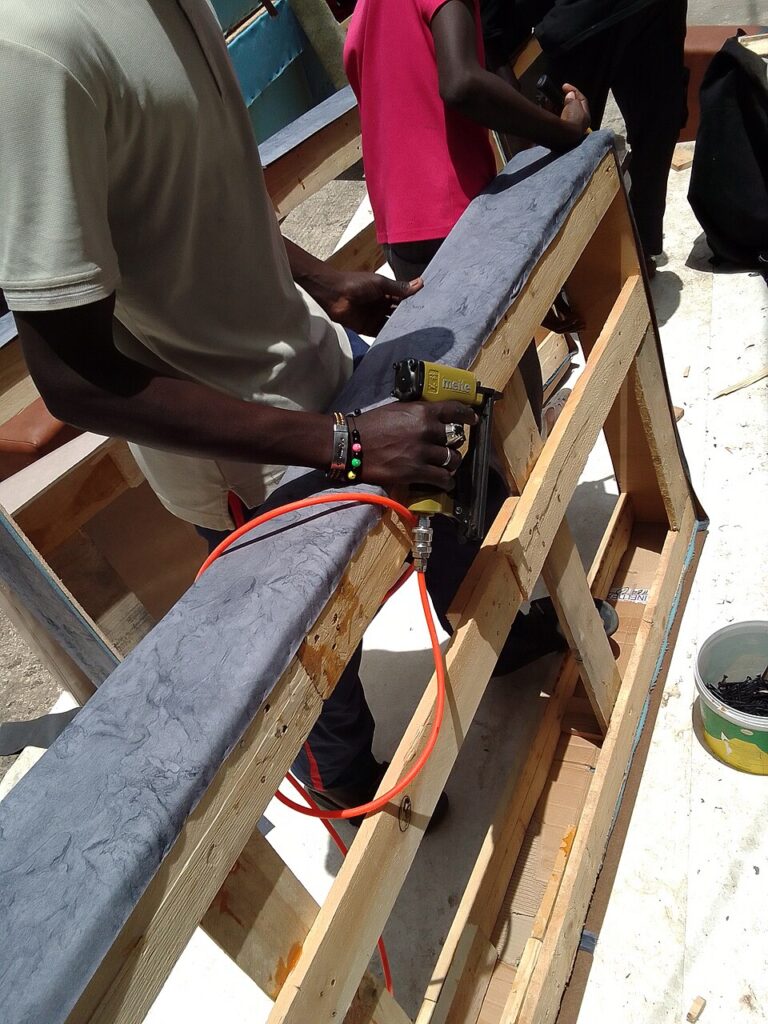
This is a qualification workflow for an overseas buyer with limited time in Foshan or Lecong. The путеводителе по мебельному рынку Foshan helps you choose market areas; a visit itinerary helps you sequence travel. Neither can tell you whether a particular showroom has the sofa, table or cabinet specification you need on display and available to discuss on your date. You have to establish that directly. The photographs below are genuine but unrelated illustrations from Wikimedia Commons. They are not Source Foshan site visits or evidence about a named supplier.
.jpg)
Start with a decision, not a shopping list
Before sending appointment messages, write one sentence describing what the meeting must decide. For example: “Can this supplier make eight lounge sofas to our approved footprint and upholstery specification, document the construction, and quote a defined export delivery scope?” That question is stronger than “Do you have sofas?” It sets the threshold for a useful visit. A residential buyer may instead need to decide whether a dining table fits a measured lift and room. A hotel buyer may need to confirm a repeatable room-type variant.
Attach a brief with the destination country, intended quantity, target room or item code, approximate dimensional envelope, material or finish target, indicative order window and a maximum working budget if you are comfortable revealing it. Keep the brief versioned—Room B / brief v2 / 12 October—so supplier replies can be matched to the same requirements. Omit passport scans, payment details, private floor plans and full addresses until you have a legitimate reason and a trusted recipient. A sketch with measurements usually suffices to screen the meeting.
Give candidates a preliminary code such as LC-A, LC-B и LJ-C. This prevents contacts with similar trading names from merging in your notes. Your first message should be concise enough to answer on a phone, with the detailed brief attached. A supplier who cannot answer every question immediately can still qualify by naming an owner and date for the missing information.
.jpg)
The eight questions to send
Send the same eight-part request to each candidate. Adapt the product-specific questions, but keep the structure so replies are comparable.
| Вопрос | What a usable reply should identify | Why it affects the visit |
|---|---|---|
| 1. Where exactly should we meet? | Mall or building, booth or floor, entrance, map pin, and named contact with a working channel | A market name alone can refer to a very large area or multiple locations. |
| 2. Which relevant items will be there? | Current model or sample IDs, photos, size and finish of the displayed version | A catalogue image does not prove the requested variant is available to inspect. |
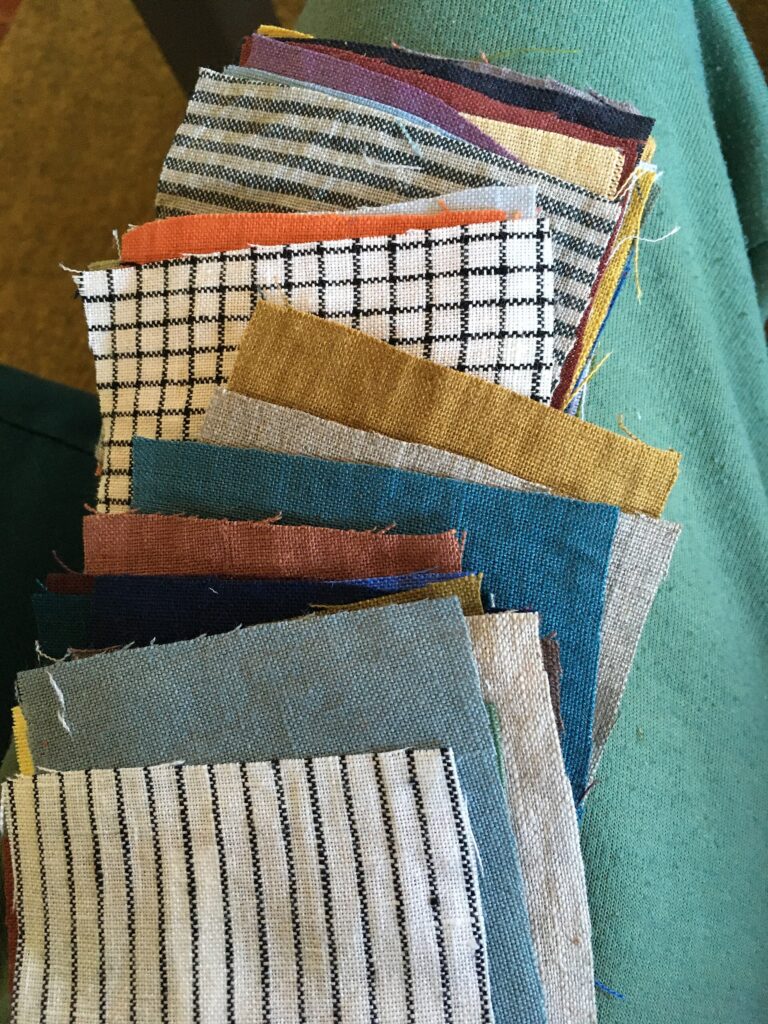
| 3. Which options can be shown? | Physical swatches, frame/foam or hardware samples, finish boards, and any lead time to arrange them | The decision may depend on material identity rather than appearance alone. |
| 4. Who can answer technical questions? | Sales contact and, if different, product or production contact; language/translation plan | A meeting can stall if all specification questions are deferred. |
| 5. What examination is allowed? | Whether sitting/testing, measuring, opening components or photographing labels is permitted | The buyer should plan evidence collection within the host’s rules. |
| 6. Is a factory visit separate? | Actual production address, whether visitors are accepted, who authorises access, and realistic time allowance | A showroom appointment does not confer factory access. |
| 7. What paperwork can follow? | Whether a model-specific specification, quotation, sample reference and seller identity can be sent after the visit | A verbal offer alone cannot support remote approval. |
| 8. Can we reconfirm the slot? | Date and local time, duration, contact number, backup contact and confirmation deadline | Travel disruption or a changed display should be caught before arrival. |
Ask for the displayed version explicitly. A salesperson may correctly say that a model can be made in another size or fabric, while the exact variant is not on the floor. That can still be a useful meeting, but it changes what you can physically verify. Mark it “shown sample with proposed alteration,” not “target variant inspected.” If no relevant item will be present, a video review or written sample plan may save a journey.

Separate showroom, warehouse and factory claims
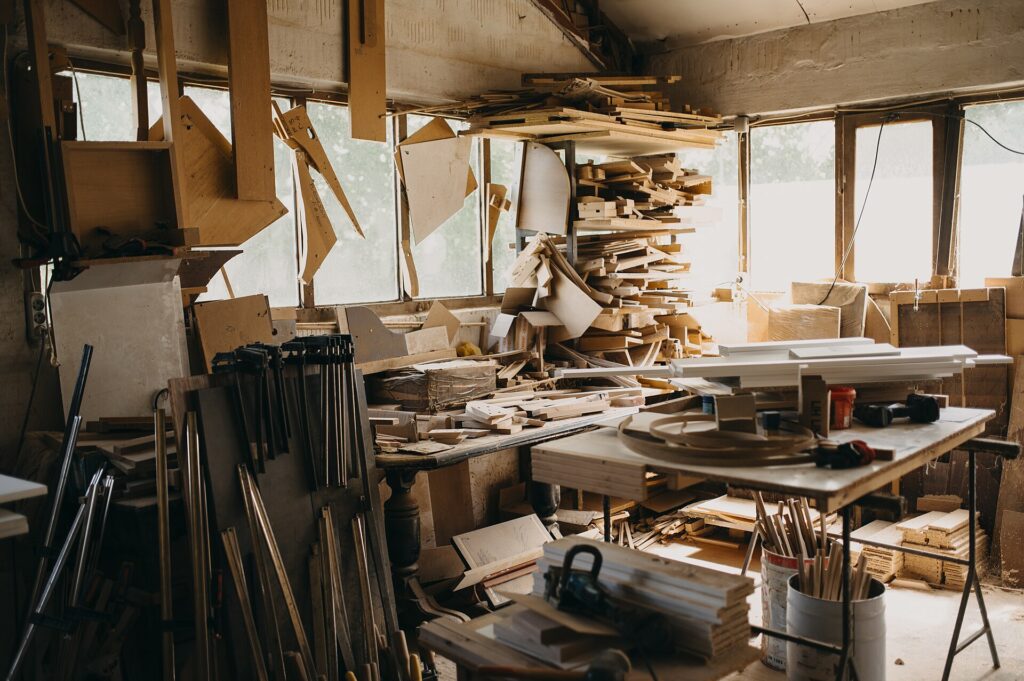
A showroom demonstrates a product or style. A warehouse may hold finished goods. A factory may make only some of the line or may be operated by another entity. Do not assume one visit covers all three. Ask the host which site you are booking and why that site answers your decision question. If production capability matters, ask for the legal name and address of the entity that would take the order and whether a production visit is available. Treat a declined visit as an information gap for your decision, not automatic proof of wrongdoing.
The itinerary should show separate travel blocks for separate sites. Ask whether the factory contact knows the proposed visit date, what areas visitors may see, whether protective equipment is required, and what photography rules apply. Do not promise an unannounced “audit” in a polite showroom appointment. If the buyer needs a formal inspection, arrange its scope and access with the contracting party. The sofa factory-versus-mall price guide discusses a different question: how price and responsibility differ between channels. Here the question is whether the meeting itself yields the evidence you need.

Turn vague answers into a reply gate
Classify each candidate’s response as confirmed, conditional или unready. Confirmed means a named person, precise location and date, relevant sample identity, permitted review activities and a written follow-up route. Conditional means the meeting might work if a specific open question is answered by a stated deadline. Unready means the seller cannot identify the visit location or suitable sample, has no contact who owns the appointment, or has changed the product scope without acknowledging it.
This is a scheduling rule, not a supplier-quality score. A small workshop may send a short but precise answer and earn a slot. A polished sales deck may leave the critical sample identity unresolved. Do not rank a supplier on response speed alone; time-zone differences, holidays and a complex custom request can explain a delay. Compare the completeness and traceability of answers. For a conditional slot, write exactly what must be supplied before travel—“photo of displayed model code and swatch reference by Tuesday,” for example—rather than sending a general reminder.
Use a finite time budget. If there are four candidate showrooms and only two meaningful meetings fit in a day, pick the two whose displayed items and technical contacts answer the highest-value uncertainties. Hold one flexible slot for follow-up or a changed route. Avoid filling every hour with introductions that leave no time to measure, inspect and record. An appointment that ends with a specification gap should create a follow-up action, not an immediate deposit decision.
.jpg)
Send enough destination context to avoid a wasted demonstration
The showroom does not need your full import dossier to show a dining set. It does need constraints that could make the demonstration irrelevant. Share the lift, door and stair limits if the item is large; the intended room footprint; any essential modular orientation; and whether assembly on site is expected. Say when a measurement is provisional. Ask the salesperson to identify the largest packed component, not just the assembled outside dimensions, if access is likely to be a gate. Measurements supplied before the trip guide questions; they do not replace a final site survey or product drawing.
For fabrics and finishes, send a reference such as a finish-board code or material description and ask what physical comparison will be available. A colour name alone is often too loose to make a decision. Ask whether the seller can send photos of the actual swatch reference before the visit and show that swatch beside the relevant model. If the requested option is made only after an order, plan a sample approval step instead of implying that the showroom visit approved a production material.
The same distinction applies to performance or standards. If your destination project has a specific requirement, state its exact jurisdiction and project specification, then request a product-specific document for later review. A showroom salesperson’s statement that an item is “export grade” is not a test report or destination-market compliance finding. Do not treat the meeting as a legal or technical certification event.

Bring a small evidence kit and a finish target
Prepare a phone folder for each appointment: brief revision, candidate code, model images, measurement sketch, required swatch or finish target, quotation questions and permission-to-photograph notes. Save offline copies when possible. Bring a tape measure and power bank if permitted by the host; record the measurement and what it refers to. A photo of a table beside a ruler is less useful if you cannot later identify whether the reading was the tabletop, packed carton or aisle clearance.
For custom wood, stone or fabric work, show a physical reference when practical or a calibrated, clearly labelled target document when it is not. Ask which options are standard, which require a new sample, and whether the sample can be retained or documented for production. If the seller says “we can match it,” record the statement as a proposed process, not an approved finish. After the meeting, request a dated sample ID and approval route. This keeps the showroom demonstration from silently becoming a production signoff.


Use a confirmation card 24–48 hours before the meeting
The exact timing is a planning choice, not a guarantee that every showroom works the same way. Send a short reconfirmation near departure or the evening before a local visit. The card should contain: buyer code / brief revision / local date and time / exact map pin and entrance / host name and phone / displayed sample IDs / swatches or documents to prepare / photo and measurement permission / factory visit, if separately confirmed / planned duration / backup channel. Ask the host to correct any field that changed. Save the reply and the map pin in the same folder.
A genuine first-person Xiaohongshu buyer account describes screening brand contacts, requesting showroom and factory addresses, product information and preliminary terms before arranging a short Foshan trip. Its account of particular shops, price and service is anecdotal and not a verified recommendation; the useful lesson is the sequence of questions before buying travel. The buyer’s own constraints should determine whether the same sequence fits. See the original first-person note for context, and verify every appointment with the current host.
After each meeting, mark each pre-travel question as answered, contradicted or still open. Record the displayed model code, date, person who answered, material references and who will issue the written quote. If the showroom has changed its display or the intended contact is absent, the card shows what changed and lets you use a backup slot. Your next action is to send a concise follow-up asking for the exact missing documents and a revised written offer against your brief. That creates an auditable bridge from an inspiring visit to a purchase decision.

Photo credits and limits
The eight linked photograph captions identify their photographers, original Wikimedia Commons file pages and licences. They illustrate planning questions only. None depicts this buyer’s appointment, a verified Foshan showroom, a Source Foshan project or an inspected supplier. Obtain host permission before making your own visit photographs and keep those separately labelled with the date, place and model identity.