Поставщики
Factory sampling fees and ownership of approved samples
Before paying a Foshan furniture factory for a sample, define what the fee buys, which physical and digital outputs will exist, who holds and may use them.
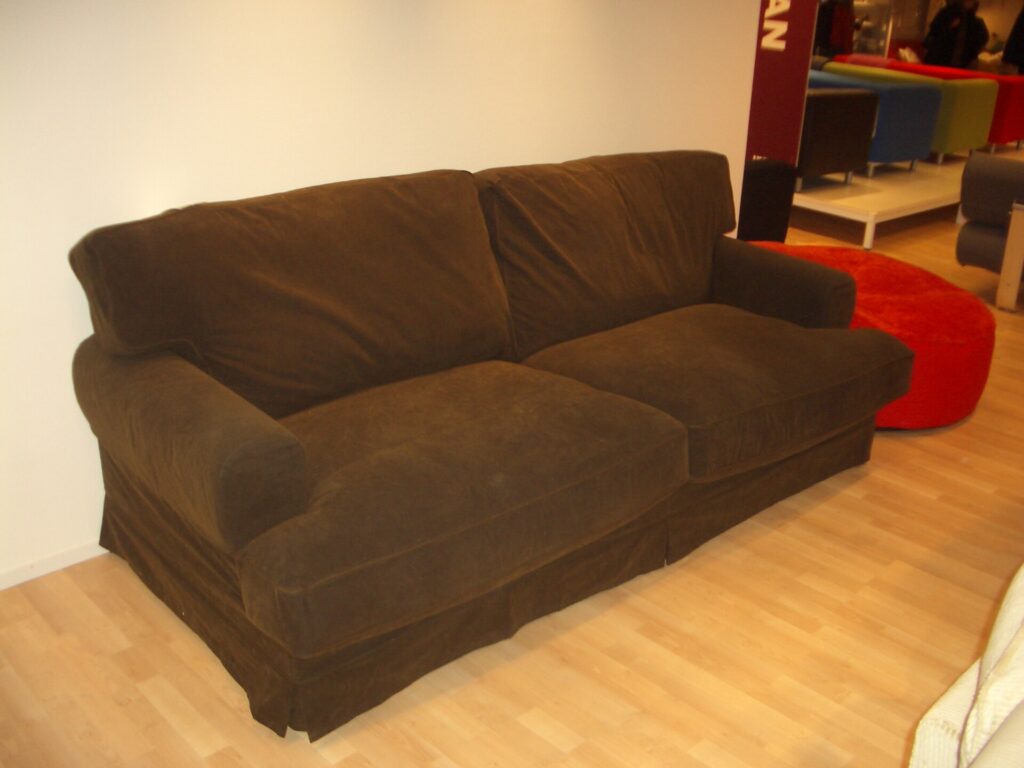
Before paying a Foshan furniture factory for a sample, define what the fee buys, which physical and digital outputs will exist, who holds and may use them, and what happens if the sample is rejected or the production order never follows. Put those points in a short sampling order separate from any later bulk purchase. An approved sample is a controlled reference only if both sides can identify its revision, location and production role. Paying a sample fee alone does not answer those questions.
This guide addresses a narrow pre-production decision. The published Foshan furniture manufacturer guide covers wider supplier selection. Here the buyer needs to avoid a common gap: a prototype may be paid for and liked, while neither party has agreed who owns the object, drawings, fixtures or changes behind it. Those are commercial terms to negotiate, not rights that this article assumes arise automatically in every place.
A first-person Xiaohongshu furniture buyer account reports expecting a delivered piece to match a showroom object and then noticing differences after the object was replaced. It is a domestic retail complaint, not a verified account of a Foshan export factory or a legal finding. Its narrow lesson for a sampling order is to say whether a displayed object is the exact deliverable, a nonbinding inspiration or a controlled production reference, and to require notice before a replacement or material change. The merchant allegations and remedy claims in the note are not adopted as facts here.

Define the sample deliverable first
Ask the maker to describe the sample in one sentence before discussing price. A style mock-up may show silhouette while using substitute materials. An engineering prototype may focus on joinery or movement and leave the finish incomplete. A pre-production sample should represent a version that production can repeat, subject to the agreed inspection and process controls. These objects have different costs and evidentiary value. Calling all three “a sample” creates a dispute before the first cut.
Build a deliverables schedule with separate lines for the physical unit, loose material and finish swatches, component list, drawings or CAD files, revision history, photographs, test or inspection records if commissioned, packaging trial, and any tooling or jig made specifically for the item. State which outputs the buyer receives as copies, which stay with the factory, which can be retained by a nominated inspector, and when they are due. If a component or finish cannot be finalized at this stage, mark it open rather than suggesting the prototype demonstrates the final product.
A sample’s identity needs more than a photograph. Use a buyer ID, item description, drawing revision, date, visible sample label, material codes and responsible signatories. Photograph the whole object and the critical details beside that ID. Record any exception such as temporary fabric or alternative hinge. If the factory later uses an approved reference, both sides should be able to say which object and which exceptions were approved.

Ask for an itemized sampling quote
A sampling fee may cover pattern or design time, material purchase, one-off workshop labor, setup, bought-in parts, finishing, packaging and courier transport. Ask the supplier to itemize its offer enough that a revision or cancelled project can be priced without guesswork. You do not need an audited cost account for a small prototype, but “sample fee: one amount, everything included” hides whether a second finish, extra part or overseas delivery was assumed.
Use four buckets: one-time preparation, consumed prototype materials and labor, reusable assets such as jigs or molds, and transport or third-party work. Add the number of included design rounds and physical remakes. If the buyer supplies fabric, hardware or drawings, record receipt, unused balance, damage rule and return method. If a supplier proposes deducting some fee from the future order, ask for the exact credit amount, triggering order quantity, validity period and invoice treatment in the commercial offer. Treat the credit as a conditional offer until written, not as a guaranteed saving.
A deposit for a future bulk order is a different transaction from a sample fee. Keep the payment purpose clear. The sampling order should say whether a rejected prototype triggers a no-charge correction against an agreed specification, a paid design change, or a fresh sample request. The answer depends on the actual agreement and cause; no universal refund or remake right is asserted here. The published factory-verification guide can help establish the contracting party before money or materials change hands.

Separate a defect correction from a buyer revision
A useful sampling order distinguishes the maker’s failure to meet a fixed brief from the buyer changing the brief after seeing it. If the drawing specified an overall width and the prototype misses it, the first question is whether it is outside the agreed measurement and tolerance. If the sample matches the brief but the buyer now wants wider arms, that is a new instruction. Both situations may require work, but they need different approval and cost routes.
Give every change a number. Record the starting revision, requested change, reason, affected drawings and materials, proposed fee, schedule effect, and whether a replacement physical sample is required. The buyer’s named approver should accept the proposal before work starts. If a change is small enough to approve by document and photograph, state why a new object is unnecessary. If it alters a critical dimension, joinery, surface or packaging, request a new physical reference or explicitly accept the risk of proceeding without one.
The following is a buyer worksheet, not a description of a real factory’s terms:
| Event | Evidence to retain | Commercial question | Next gate |
|---|---|---|---|
| Initial sample request | Controlled brief and quotation | What is included and when payable? | Authorize one named revision |
| Factory misses a fixed criterion | Measurements/photos against that brief | Who funds correction under the agreed terms? | Recheck affected attribute |
| Buyer asks for a new feature | Numbered change request | Fee, credit and schedule effect? | Approve before making it |
| Material becomes unavailable | Old/new codes and physical references | Who pays for alternative sampling? | Buyer accepts or rejects substitution |
| Sample is accepted | Identity sheet and exception list | Who keeps the object and records? | Separate production release |
| Project stops | Inventory and handover record | What is paid, returned or destroyed? | Close custody account |

Negotiate ownership as several separate questions
Do not put only “buyer owns sample” on a purchase order and assume it covers everything. Ask four specific questions. First, who has title to the physical prototype after payment or acceptance? Second, who may physically hold it, move it, photograph it or submit it to an inspector? Third, what rights, if any, does the buyer receive to drawings, patterns, CAD files or new design work supplied by either side? Fourth, who owns or can use a jig, mold or other reusable production asset paid for in the sample charge? These may have different answers.
A buyer may want a retained master at the factory to compare first production units. Another may want the prototype shipped to its design team and a duplicate reference retained at the maker. A third may nominate an independent inspector to seal and hold the reference. Each can work if the location, labeling, access, insurance or damage handling where relevant, return date and replacement procedure are written down. The phrase “we will keep the sample safe” is less useful than a custody record with a named person and location.
Design files deserve their own clause. The buyer may supply original drawings and restrict their use to this project. A supplier may contribute existing know-how or standard components. A newly paid design or tooling output may require an expressly negotiated licence or transfer. The governing contract and law determine actual enforceable rights; this article recommends recording the intended arrangement and obtaining qualified review where the value or IP risk warrants it. It does not assert that payment alone transfers copyright, design rights or tooling title.


Price the stop case before the buyer pays
The difficult case is often not a successful sample. It is a buyer who pays, reviews two revisions and decides not to place production. Ask what the factory may charge for completed work; what paid-for physical items, unused buyer materials and agreed digital deliverables will be returned; whether a credit toward future production expires; and how shipping is arranged. If a tool remains at the workshop, specify access, storage period and retrieval or destruction method. Avoid a promise that a buyer can reclaim something that the written agreement did not identify.
Consider an entirely fictional side table prototype. The initial sample quote is 1,200 currency units: 250 for drawing preparation, 700 for one physical unit, 150 for two finish panels and 100 for domestic delivery. The buyer then requests a new leg profile quoted at 360 and separately authorizes it. A future-order credit of 500 applies only if the buyer orders at least 100 tables within a stated window. If the buyer stops after the revised sample, the ledger shows 1,560 authorized work and no earned bulk-order credit. The example is illustrative arithmetic, not a Foshan market price or a legal entitlement. The actual charges and return obligations must match the signed terms.
It helps to build a one-page “exit inventory” at the start: prototype 1, replacement panels 2, buyer fabric 3 meters, controlled drawing Rev 02, supplier process notes if agreed, and jig J-1. Update it after every revision. That gives both parties something concrete to reconcile if the project stops. A payment receipt alone does not list the things that can be collected or reused.

Connect sample acceptance to the actual maker
After the buyer accepts a sample, do not assume bulk production is automatically released. The accepted object and drawing revision must reach the people who will buy materials, cut components, assemble, finish and inspect the goods. Ask for a handoff record: master-sample ID and location, the approved attribute list, accepted exceptions, current bill of materials, the first-unit check, a substitution approval contact and the production release date. If a stage is subcontracted, name how its output is checked against the reference. This is a control request, not a claim about how any particular factory operates.
The factory may retain the approved master for the order and send the buyer a photo or duplicate. If the master is modified later, label the new revision, record who approved it and preserve evidence of the earlier state. A repaired sample can otherwise become an unreliable reference. For a soft furnishing, note the exact swatch and covering direction; for a casegood, note finish panel, edge and hardware. General beauty shots do not document hidden changes.

Use a conditional approval sentence
A sound sample approval can say: “Buyer accepts sample ID S-03, drawing Rev 04, finish F-2 and fabric W-18 for appearance and listed dimensions, except the unresolved hinge endurance question. This acceptance does not authorize mass production until the revised component evidence and first-unit plan are approved.” Adapt the language to the actual order and legal review. It makes the approved attributes, remaining issue and next decision visible. If all issues are closed, say so explicitly and still record the production release as a separate event.
Before sending payment, ask the supplier for a sampling order that lists deliverables, included rounds, fee buckets, change pricing, custody, physical and file rights, stop-case handling, sample identity and the later production gate. Sign or otherwise record the agreed version with the actual contracting party. That one page is more useful than arguing over “ownership” only after the sample is finished.


Photo credits and limits
The eight real photographs are unrelated illustrations from eight different Wikimedia Commons original pages. Each draft caption links the photographer, original page and licence; the photo ledger records purpose and file hash. None depicts Source Foshan work, a verified factory, the cited buyer, or an approved sample for an actual order.