Заметки с места событий
Buying samples at a Foshan furniture mall without losing the production spec
Give a Foshan showroom sample an identity, receipt and custody record, then link its approved features to drawings and materials for the production order.
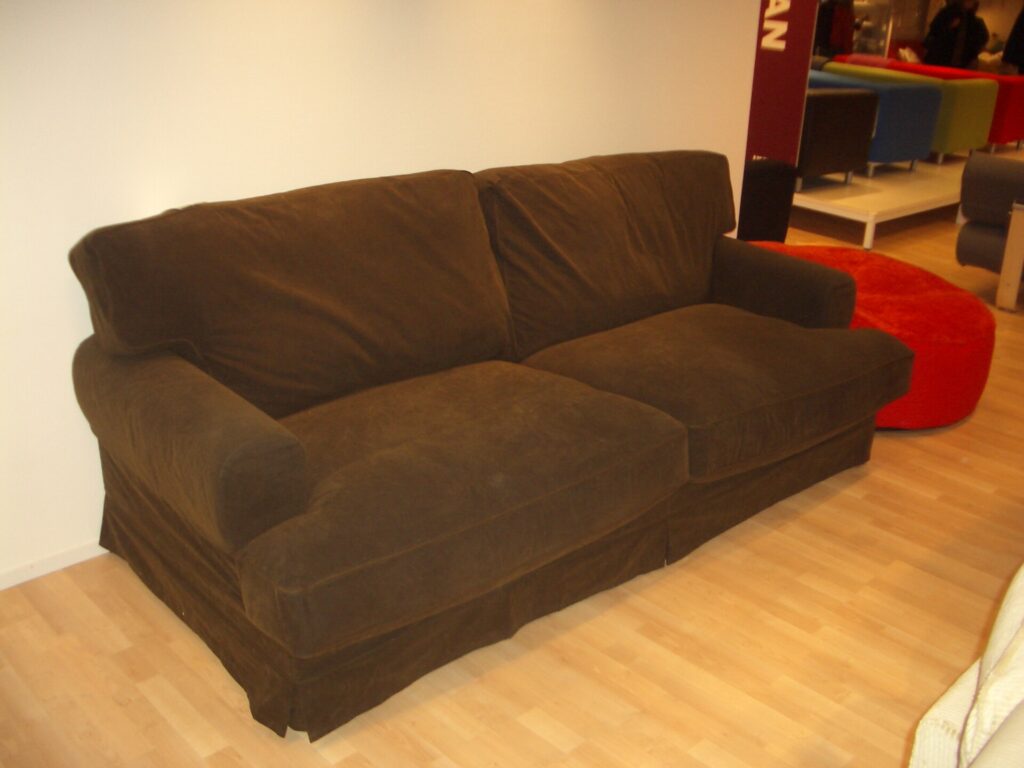
The short answer: you can buy a Foshan mall display item or small finish sample to help make a later production decision, but the purchase itself does not specify what a supplier must reproduce. Before the object leaves the showroom, give it a unique sample ID, record exactly which features are reference features, photograph permitted labels and dimensions, identify the seller and maker if known, and obtain a written receipt. Then connect that sample ID to a dated specification, drawings, materials, tolerances and approval conditions in the later order. If any feature cannot be established, mark it unknown rather than silently treating the display piece as a “golden sample.”
Foshan mall-versus-factory showroom guide explains why the displaying seller and producing entity may differ. This article starts with a different decision: a buyer likes a physical chair, sofa or finish enough to take a sample away. What survives that handoff? A sample can preserve appearance, feel or proportion. It cannot, by itself, tell a new maker the hidden frame, internal material, batch variation, production tolerance or packaging promise. The eight genuine photos here are unrelated Wikimedia Commons illustrations, not objects bought by Source Foshan or records of a client order.
.jpg)
Decide whether to buy the object at all
Ask why the physical object is needed. If the decision is only about colour, a labelled swatch or finish board may be more portable and more precise than a whole chair. If it is about seat feel, a complete chair or cushion may be necessary, but the specimen could have been used on the floor and may not represent a fresh production unit. If it is about construction, a showroom display may conceal the important parts. Request a cutaway, bill of materials or construction drawing rather than inferring the answer from a seat test. If the supplier cannot describe the intended production version, buying the display piece may create confidence without control.
Classify the object before paying: visual reference, functional trial, material master candidate, или production approval candidate. A visual reference helps communicate a silhouette; it is not a performance sample. A functional trial can show comfort under the conditions tested, but not durability across a lot. A material master candidate is a labelled piece of an identified fabric, leather, wood finish or hardware variant, pending an approved match range. A production approval candidate requires a defined maker, current production route, controlled parts and a written acceptance basis. Most retail showroom purchases begin in one of the first three categories.
Ask whether the display item is sold as-is, whether a fresh unit is available, and what exactly the receipt covers. Make no assumption about warranty, return rights, ownership of designs or permission to replicate: those are transaction and jurisdiction questions for the written terms. Record any alteration, repair or wear that makes the item a poor master. A deep discount on a worn floor sample may be worthwhile for aesthetic exploration but unsuitable as the sole quality benchmark for a later batch.
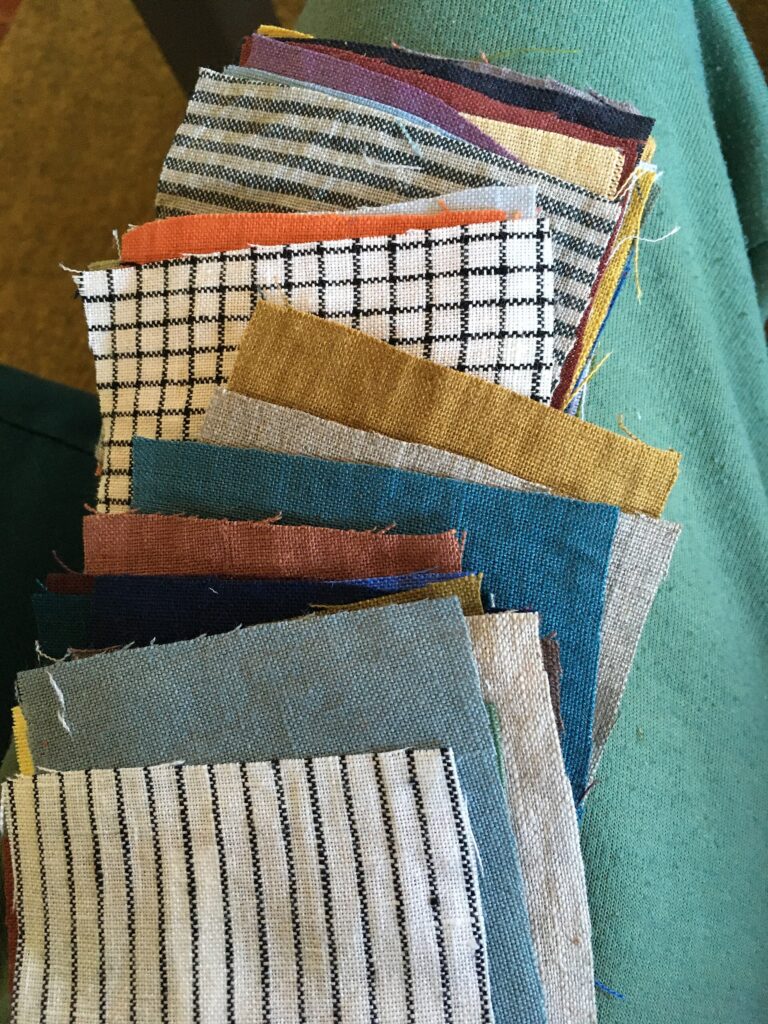

Give the sample a passport before it leaves
Make a one-page sample passport in your own files. It should travel with the object and its image set, even if the seller supplies a separate invoice. Write the following fields in plain language:
| Passport field | Minimum entry | Почему это важно |
|---|---|---|
| Buyer sample ID | LC-04 / chair 02 / version A |
Distinguishes this object from a similar display elsewhere. |
| Источник | Mall, exact booth or showroom, seller contact, receipt issuer and date | Shows who supplied this particular specimen. |
| Seller’s identity | Model code, displayed variant and any serial or batch mark | Connects the photo to the seller’s product description. |
| Reference purpose | Seat feel, colour, stitching, dimensions or another named feature | Prevents the object from being treated as an all-feature master. |
| Known differences | Floor wear, substituted upholstery, custom finish, missing feet or repairs | Keeps an imperfect specimen from becoming an accidental target. |
| Evidence files | Permitted front/back/detail photos, labelled swatches, sketch and measurement units | Lets a remote approver reconstruct what was inspected. |
| Custody | Who holds it now, packaging, next transfer, condition at handoff | Helps resolve later “which sample?” confusion. |
| Next decision | Required drawing, material code, maker confirmation and approval owner | Makes the later production gate explicit. |
The sample passport is an operational record, not proof that the seller legally owns the design or that a different factory can make an identical item. Ask before photographing restricted areas or copying proprietary drawings. If you buy a material swatch rather than a full object, keep the source label with it and photograph the label next to the physical piece. A loose “beige fabric” square without supplier, composition, finish or lot information may be useful for moodboarding but weak as a production control.
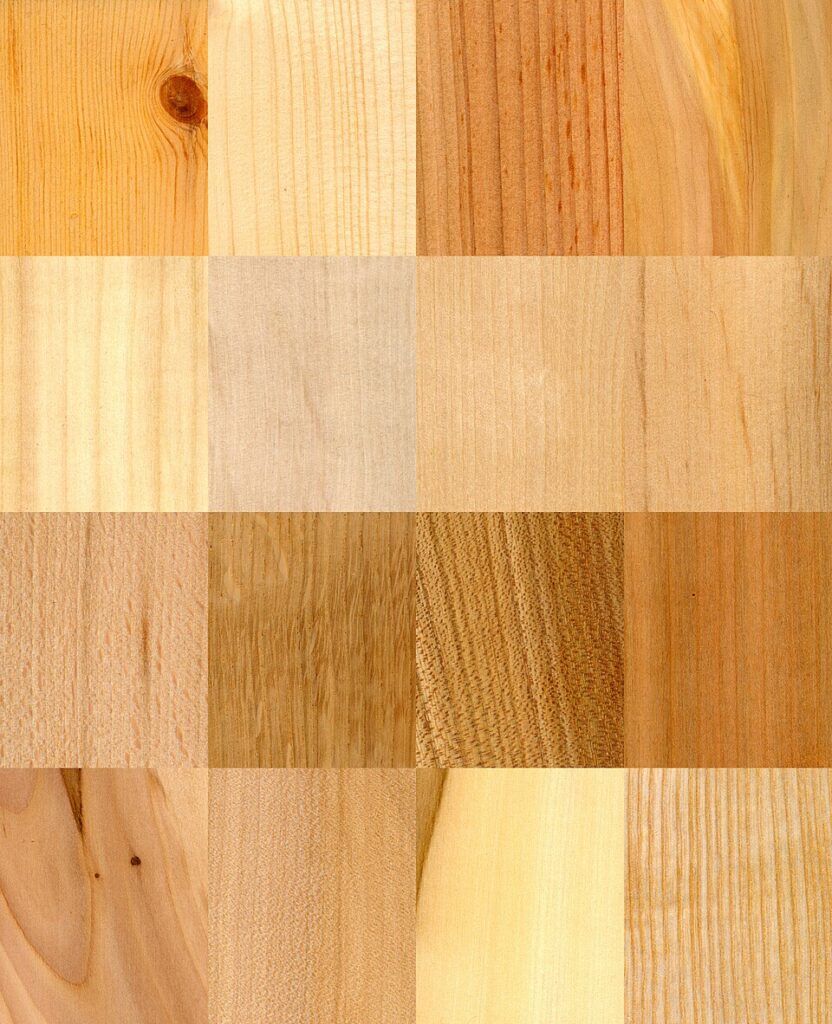

Translate what you saw into testable attributes
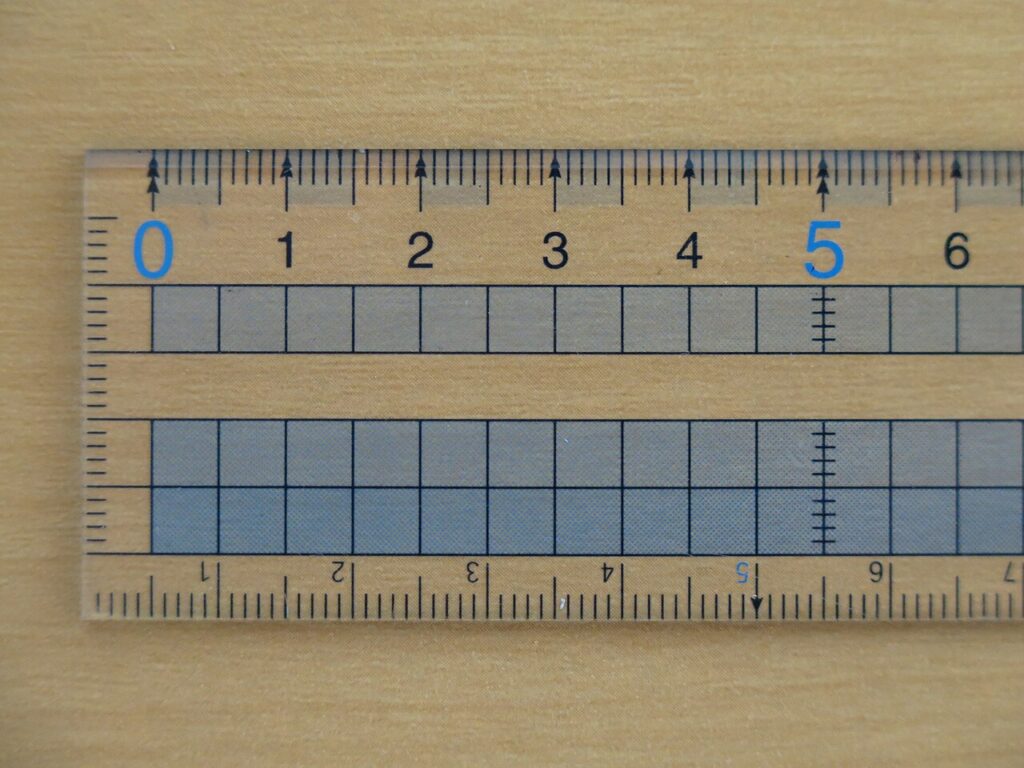
Separate observable attributes from those that need documents or later testing. You can measure outside width, seat height, table overhang and visible seam location if the host permits. Record the tool and exact measurement points. You can compare a swatch under the lighting available, but that does not establish fibre composition, colour consistency or how it will look at the destination. A showroom sofa may feel firm today, but foam density and internal layer construction require a product-specific specification or evidence, not an inference from one sitting.
Use a four-state matrix beside every material attribute: sampled and measured, documented but not sampled, proposed for production, или unverified. Suppose a table’s visible edge profile was photographed and measured: state one. The supplier sends a drawing of hidden base fixings: state two until checked. A new timber finish is proposed after the trip: state three. The coating system is never identified: state four. Do not translate all four into “approved.” Ask the maker to identify any planned deviation from the physical object before producing the order.
custom-furniture drawings and sign-offs guide explains the wider approval chain. For the mall sample, the narrow task is to bind each valued feature to an item ID, a drawing or material code, an evidence state and an approving person. If a feature matters to the purchase but cannot be documented, keep it as a release condition. Do not invent a tolerance from a photograph; agree the measurement method and range with the producing party.

Separate the seller’s receipt from the production commitment
The receipt should identify what you bought, who sold it, its price and the condition and included components. It may say “display chair” or “fabric sample.” That establishes a transaction record, but it may not identify the party that will make a later batch. Ask who is expected to manufacture the repeat order and whether that entity accepts the sample passport as an input. If the showroom is a reseller, ask how the maker will receive the approved reference and who resolves discrepancies. Record the handoff in writing.
Create a simple custody line: buyer obtains sample → buyer photographs/labels it → named custodian stores it → producing party acknowledges receipt or receives controlled reference files → approver confirms version. For every transfer, record date, condition, packaging, sender, receiver and sample ID. If the object must remain overseas, agree on a photo and measurement packet plus a duplicate material master if possible. Shipping an expensive floor item back and forth can consume time without resolving the hidden construction question.
Keep the physical sample, the quotation and the later purchase order as three separate records. A generic quotation may describe a model family rather than the display variant. A later order may call for a different size, finish or seat configuration. The buyer should write a variant bridge: “Display object ID A had fabric F1; production order uses fabric F2 approved by swatch S2; frame and geometry remain per drawing D3.” If the frame is not known, the bridge must say “frame pending maker confirmation,” not “same as showroom.”

Use a bounded approval statement
An approval note should say exactly what the buyer accepts and what remains open. For example: “Buyer accepts sample LC-04 / chair 02 / version A as the visual reference for outside silhouette and seam layout, excluding worn cushion feel, current fabric and undocumented frame. Production fabric shall match approved swatch S2; dimensions shall follow signed drawing D3. Production may proceed only after a maker-specific pre-production sample or documented alternative is approved.” This is an illustrative control statement, not a universal legal clause.
If the item is a one-off retail purchase with no planned repeat order, a lighter record may be enough: receipt, item photos, measurements and destination delivery details. If the item will become a 24-unit restaurant chair order, a production release needs more. Do not ask a remote approver to sign a photo collage that does not identify the variant or exclusions. A signature has operational value only when it points to the same version the maker will build.
A Xiaohongshu homeowner note about incoming custom cabinet panels recommends comparing their colour with a small material sample or photograph before installation. Its recommended panel thicknesses, brand views and emissions inference are not adopted here. The useful timing recommendation is to compare at receipt, before installation, rather than relying only on a showroom impression. See the original note for personal context. For an overseas furniture order, plan a comparable receipt or pre-shipment check against the controlled sample and specification.

A fictional 24-chair handoff
Imagine a buyer purchases one display dining chair for a planned 24-chair project. The physical chair carries no visible model code; the shop writes a code on the receipt after the sale. The buyer measures outside width and seat height, photographs seam placement and receives a labelled fabric swatch. The seller says a different workshop will produce the bulk order. These details are invented to show the method, not a claim about an actual Foshan shop.
The passport records: sample 1, display seller S, receipt R, fabric F, width/height measured, seam observed, frame unverified, producer pending. The later maker proposes a different timber leg and a replacement fabric. Those are two version changes, not proof that the original sample was “approved.” The buyer issues drawing D1 for geometry and swatch S2 for fabric, requests a documented leg sample, and holds bulk release until the maker acknowledges the controlled packet. The bought display chair remains an appearance and feel reference; the written package becomes the production specification.
If the first bulk chair differs, compare it to the approved drawing and swatch, not to an unaudited memory of the showroom. Retain the display chair or a high-quality labelled reference photograph in a known location. If damage occurs in transport, photograph the condition and note which features are no longer reliable references. The point of the passport is to make disagreement visible early, before a 24-unit mismatch becomes a costly reconstruction of conversations.

Recheck at production and receipt
The control chain should have at least two comparison moments after the mall: a maker’s pre-production or first-article check, and a receiving or pre-shipment check against the approved version. The appropriate inspection method depends on the product and contract. The sample is one reference among drawings, component lists and acceptance criteria. A glossy showroom object cannot replace a product-specific test report where a destination project needs one, and the article makes no assertion that a particular report is legally required.
At each check, label a finding matches, approved deviation, unapproved deviation, или cannot verify. Capture the item and reference IDs in the photo frame or report. If production differs from the sample in a harmless way, obtain a written buyer decision before accepting it as the new reference. If the deviation changes function, size, material identity or delivery fit, document the impact and ask for correction or a formal variation. Do not let a new product photo overwrite the original sample passport.
Your next action at the mall is therefore modest: buy a sample only if it answers a real decision, leave with an identified object and receipt, and write the sample passport while the seller and labels are still in front of you. Your next action after the trip is to turn that passport into a maker-acknowledged production packet. Only then can the physical object guide a repeat order without silently substituting a showroom impression for a specification.
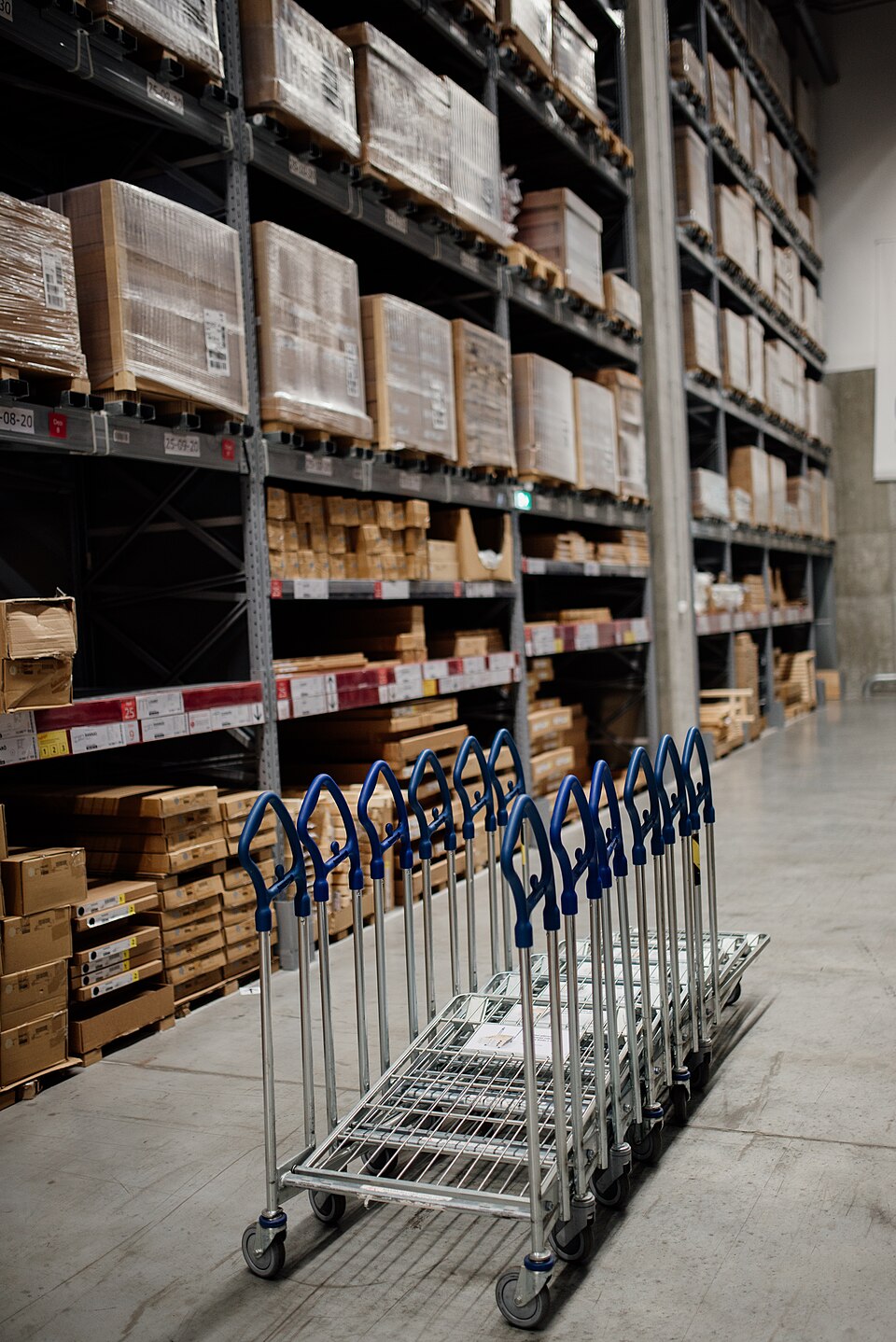

Photo credits and limits
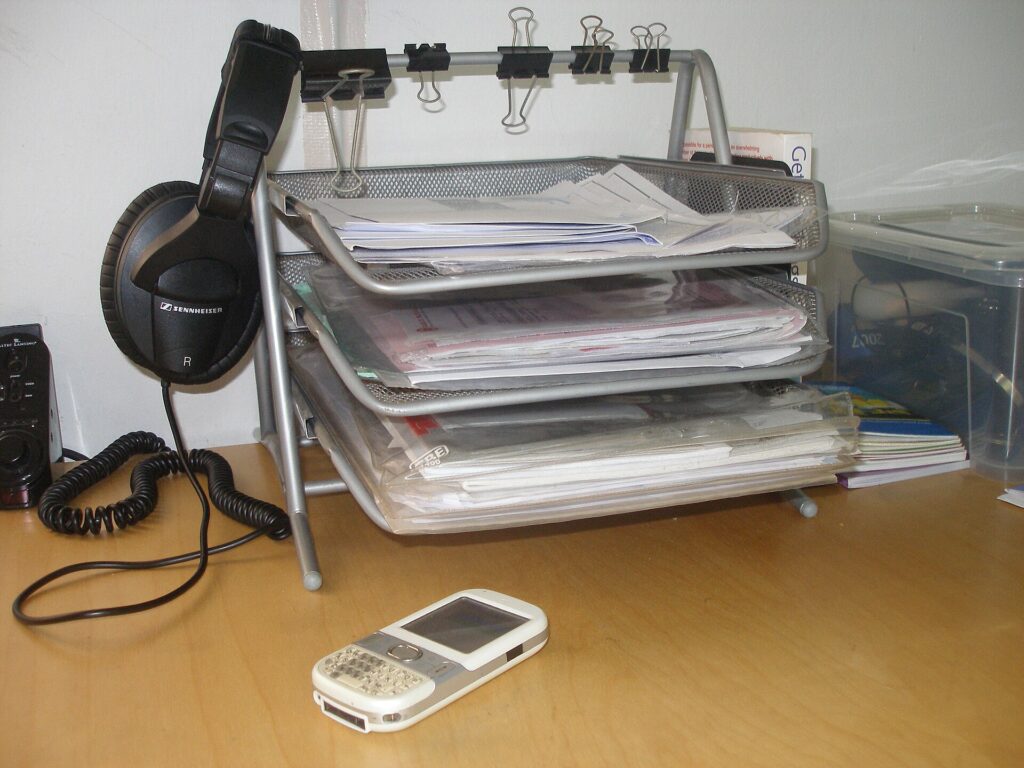
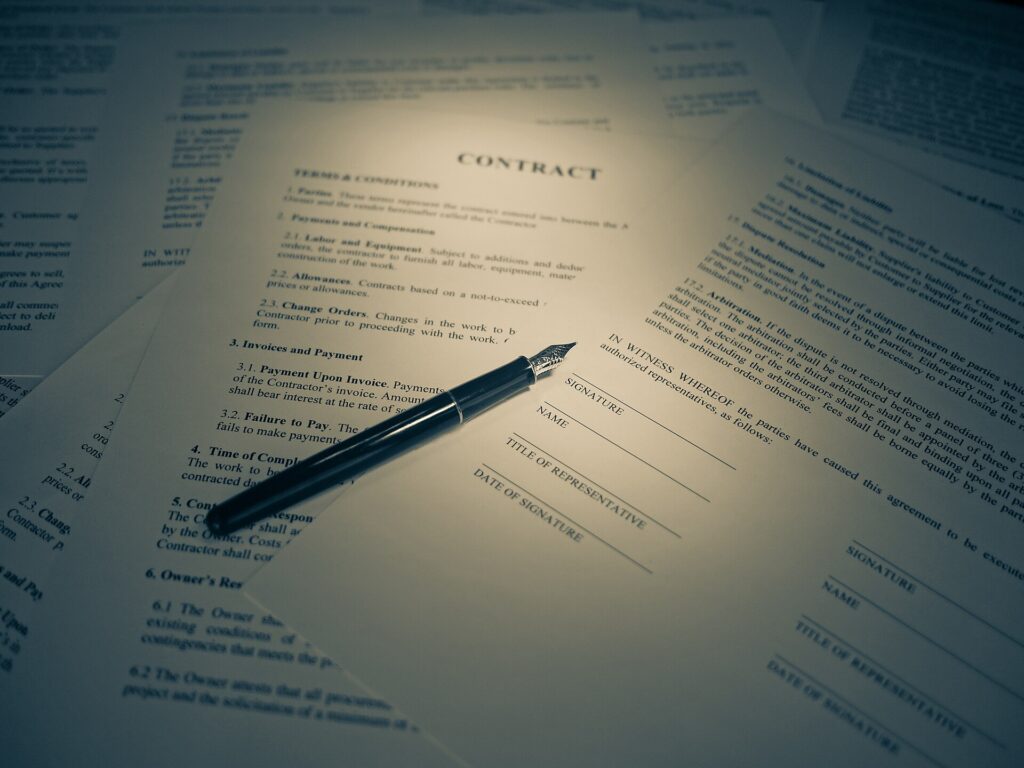
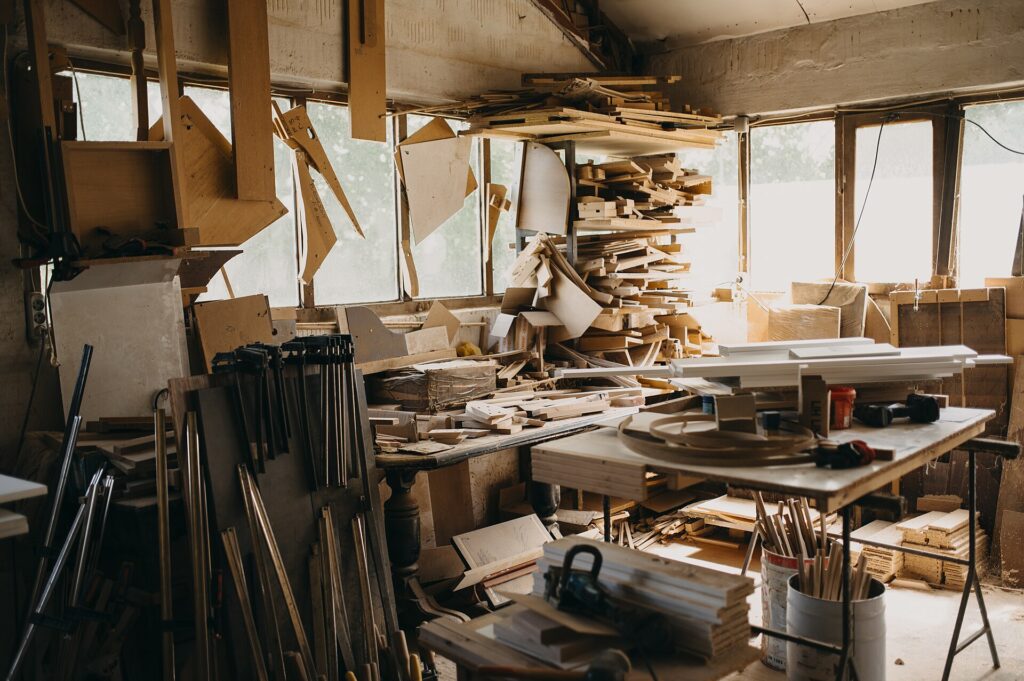
Each linked caption identifies the photographer, original Wikimedia Commons file page and licence. The sofa, swatches, samples, ruler, papers, workshop and warehouse are unrelated illustrations. None depicts an actual Foshan mall purchase, a Source Foshan sample, a verified factory or a client shipment. Replace them with permissioned, correctly labelled project photography before any public claim about a specific purchase.