Заметки с места событий
Accessibility and walking distances in the Lecong furniture markets
Plan a Lecong furniture market visit around verified entrances, lifts, rest stops and walking limits, with venue questions and a shorter fallback route.
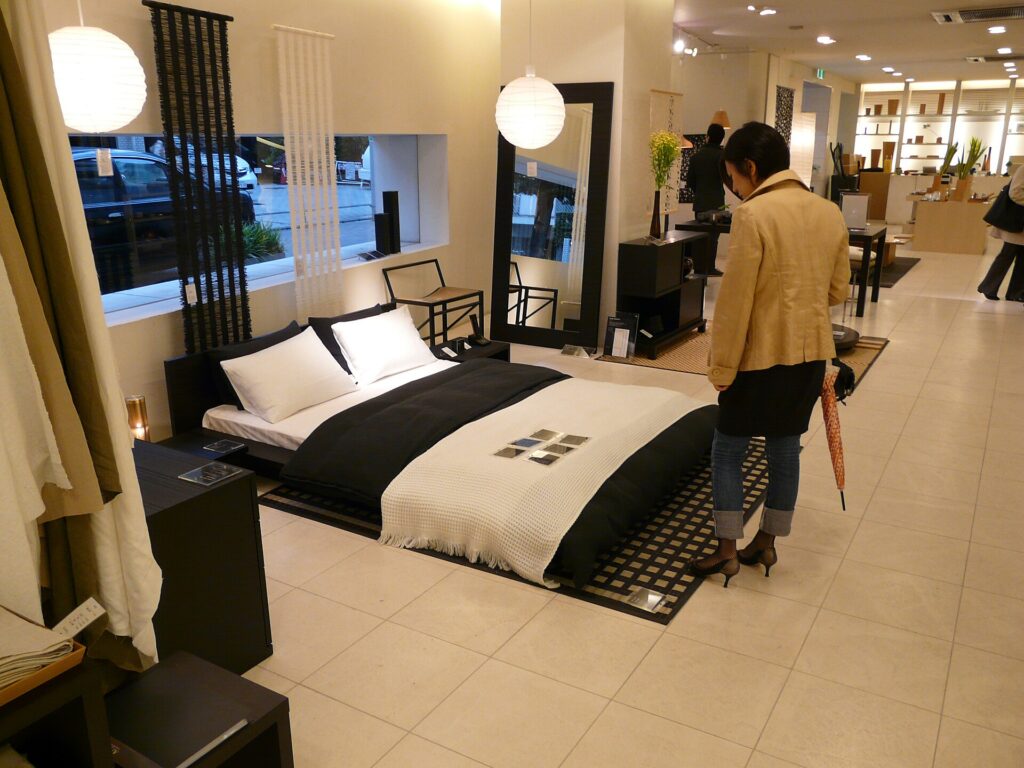
The short answer: do not judge a Lecong furniture-market day by the number of showrooms on a map. Build a route around the visitor’s actual walking and access needs. For every intended venue, confirm the exact entrance, step-free path if needed, lift or ramp availability for the intended floors, place to sit, accessible transport drop-off and a realistic route back out. Add time for waiting, product testing and cross-building travel. Get current answers directly from each venue and keep a shorter fallback route. A building name or online map cannot certify that a particular door and floor will work on the day.
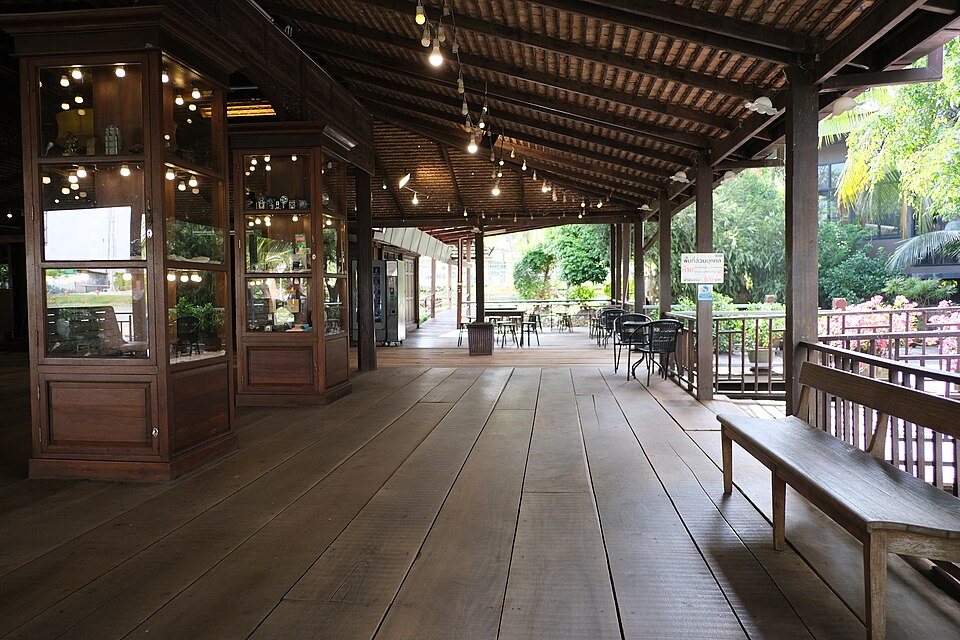
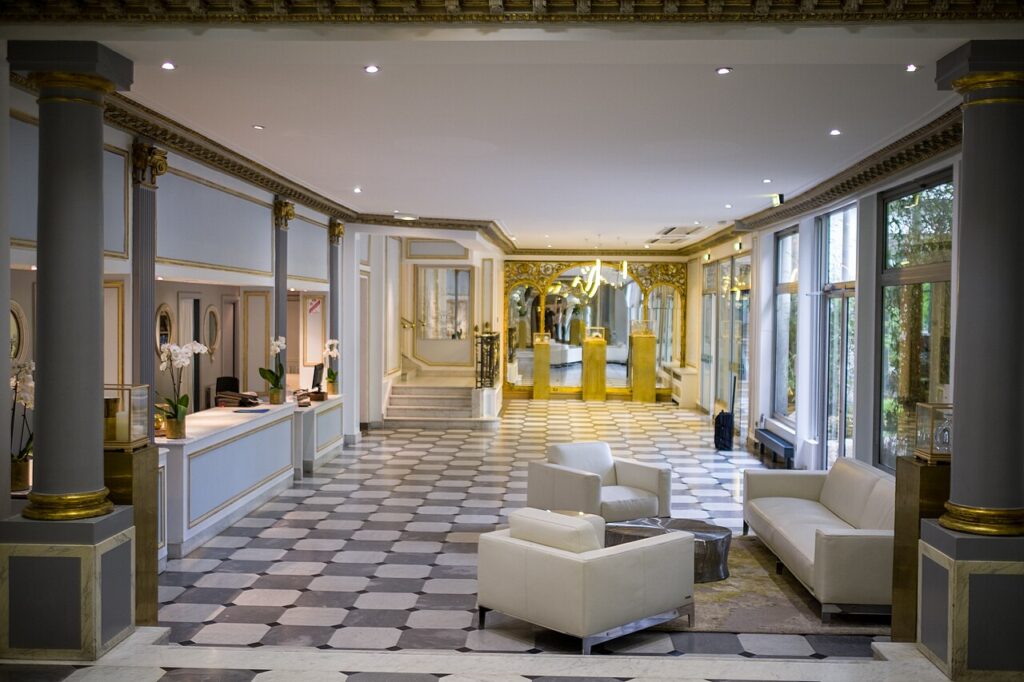
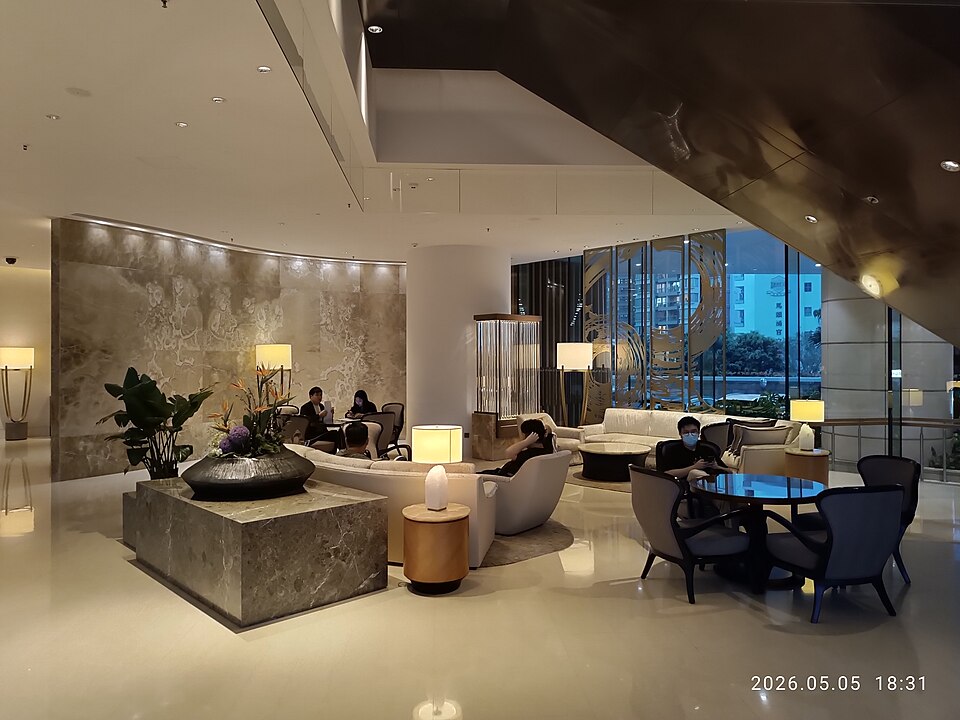
путеводителе по мебельному рынку Foshan gives broader orientation; its venue names can be starting points for contact, not a live accessibility audit. The mall-versus-factory showroom guide discusses different buying environments. This article focuses on the route a person must actually travel within and between those environments. All eight real licensed photos are unrelated illustrations. None shows a verified Lecong path, Source Foshan escort or customer’s mobility experience.

Define the access requirement before asking a venue
“Accessible” is too vague to plan a specific trip. Write what the visitor needs in operational terms: maximum comfortable walking per segment, whether steps are possible, mobility aid dimensions if relevant, need for a seated pause, preferred pickup arrangement and any assistance required at doors. The visitor sets these limits; a guide should not infer them from age or disability. Ask permission before sharing sensitive personal information with a venue. A seller often needs only the functional request: “We require a step-free route from drop-off to your third-floor showroom and a place to sit every 20 minutes.”
Separate essential from preferred. A step-free entrance may be an absolute requirement for one visitor; a shorter walk may be preferred but not essential for another. Do not use an assumed walking speed as a diagnosis or an accessibility standard. If the visitor does not know the limit, plan an easy first loop, collect feedback and shorten later stops. For larger teams, identify whether one person may wait comfortably while another fetches a seller or sample. The route should permit participation in the buying decision, not simply physical entry to a building.
Record the exact venue name, building, floor, booth and contact. Large shopping areas can have more than one entrance; a statement that “the mall has a lift” may be useless if the buyer arrives at a door separated from it by steps or a long corridor. Ask for the practical route from the chosen drop-off to the actual seller. If a factory showroom is added, verify its access separately rather than carrying over answers from a mall.

Use a venue verification card, not a generic accessibility label
For each stop, keep one card with fields for date checked, person who answered, drop-off point, exact entrance, door and threshold, route to floor, lift or ramp details, rest option, toilet access if required, estimated internal route и backup contact. Mark each answer confirmed by venue, reported by third party, observed on arrival или unknown. A venue answer can become outdated; reconfirm shortly before travel if a lift, entrance or appointment is essential.
The call or message can be brief: “Our visit is for showroom X on floor Y. One visitor needs a step-free route. Which entrance should the driver use? Is the path from that entrance to the booth step-free throughout? Is there a visitor lift operating during our appointment? Can you send a current photo or marked plan of the entrance and lift? Where can the visitor sit, and whom should we call if the route changes?” This asks for checkable facts, not an unbounded assurance that a building is compliant.
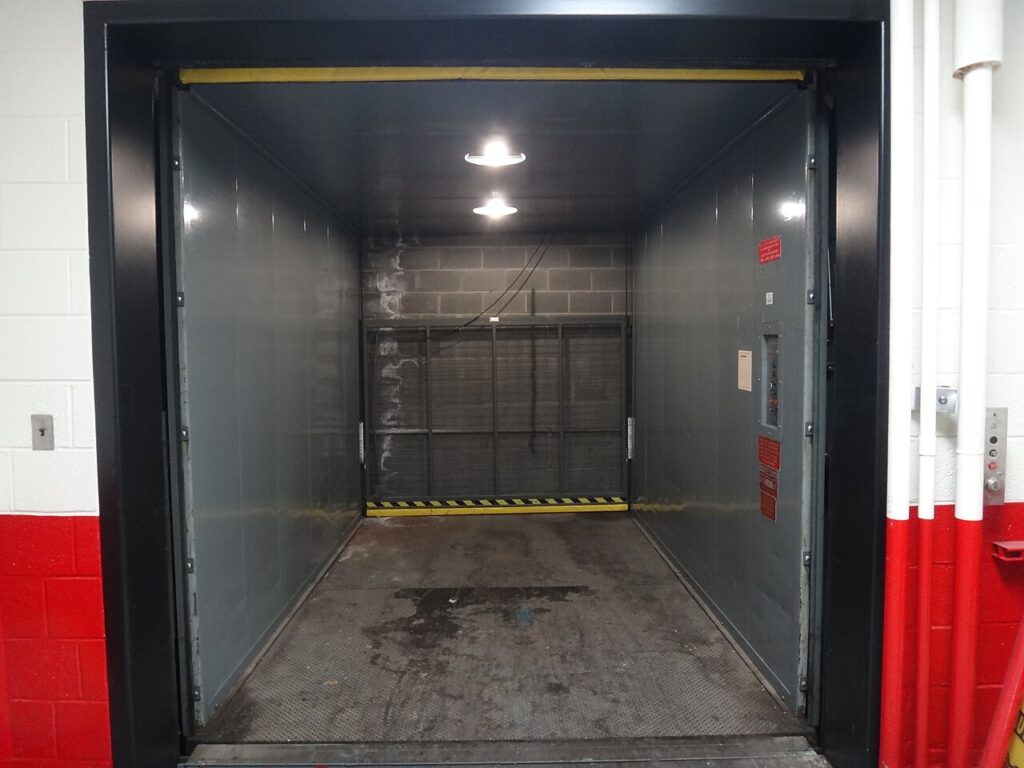
Do not infer a clear doorway width or wheelchair turning space from a marketing photo. If equipment dimensions matter, give the venue the dimensions and ask for measured clearance at the narrowest point, with the person’s consent. An installation lift for furniture is not necessarily a visitor lift. Likewise, a staircase photo or ramp icon may not reveal whether the route is open, staffed or convenient during the visit. Get a named contact who can guide the party from its real arrival point.

Budget walking load as segments
A Xiaohongshu market guide describes several Lecong market stops and advises buyers to focus on needed items rather than exhausting themselves browsing everything. The original account is useful as a planning reminder that a tightly packed itinerary can impose a real physical load. Its claims about market scale, particular shops, floor categories, quality, prices and payment terms are unverified and are not used to describe current conditions. A general market guide is not a basis for setting this buyer’s capacity.
Build a route budget by segment: vehicle drop-off to first entrance; entrance to booth; movement while inspecting furniture; booth to rest point; exit to pickup; and transfer to the next venue. Include vertical movement and waiting separately. A map’s shortest outside distance is often only a small part of this sum. Add a time buffer for queues, wrong entrances, a salesperson bringing a sample and the buyer sitting long enough to test furniture. Decide an upper limit for the day with the visitor before travel, then spend only part of it in the morning so that the return route remains feasible.
For a fictional planning exercise, suppose a buyer sets a voluntary target of no more than 1.8 kilometres of comfortable movement in the first half-day. A proposed route uses 250 metres from pickup to the first booth, 450 metres while inspecting displays, 300 metres to the next entrance, 500 metres inside the second building and 250 metres back to pickup: 1.75 kilometres before any detour. These invented distances are not Lecong measurements and the 1.8-kilometre target is not medical advice. The calculation exposes how little reserve the route has. A simpler plan might keep only the first appointment, arrange a nearer pickup and let a colleague collect information from the second venue.

Choose fewer, higher-value stops
Rank visits by the buying question each stop can resolve. If the buyer must test one sofa type, a confirmed accessible stop with several relevant models is more valuable than three distant stores with uncertain entrances. Ask sellers what models are physically on display before committing to a cross-town transfer. If a chosen model is on an inaccessible upper floor, ask whether it can be shown at an accessible level, whether an equivalent model is available elsewhere, or whether the seller can supply detailed measurements and a later sample. Do not claim a substitute chair or video proves comfort; record the resulting evidence limit.
Group appointments around confirmed access routes and realistic transfer points. Avoid assuming that nearby pins on a map mean short pedestrian travel: road crossings, construction, weather exposure or a different building entrance can change the path. Arrange a named driver pickup location rather than “outside the mall.” Confirm where the vehicle may stop and how the buyer gets there. If a route is uncertain, use a call with the venue, a current marked plan or an on-site escort before the visitor commits to it.
sourcing report comparison guide can help a colleague capture product information from a stop the main visitor cannot reach. The report must separate firsthand tests from proxy observations, seller claims and documents. A remote buyer should be able to see why a model is shortlisted even when the primary visitor did not sit on it. Do not let physical-access constraints silently turn into lower evidence quality.

Design rest, food and communication into the route
Put a seated pause after a demanding segment, not only after the entire day. Confirm whether the venue has a suitable place to sit; do not rely on a stock photograph of a lobby or an online review from years ago. Check whether a person can stay seated while a colleague walks to a booth and brings back the model details. If a visit involves a long wait for a salesperson, ask where the party can wait without blocking a passage. Carry water or arrange a meal break as the visitor prefers. These are practical planning steps, not assertions about a venue’s facilities.
Prepare a concise evidence request for each showroom so time on one’s feet is spent on decisions. Give the salesperson item codes, required dimensions and the exact questions to answer. Ask to see only the relevant models first. Capture permitted photos and written specifications at a table or seat when possible. If the visitor’s energy declines, prioritise the one decision that requires personal testing and let the team collect secondary catalogues, quotes or finish codes later.
Agree on a communication protocol: venue contact, driver, local colleague and remote decision-maker should share the same building/entrance name and current stop number. Put the route card in an accessible format for the traveller, not only in one person’s phone. If the visit is interrupted, each person should know the pickup point and next action. A confusing exit after a long day can matter as much as an efficient first arrival.

Keep a fallback for a failed access check
On the day, the entrance may be closed, the lift unavailable or the named contact absent. Do not pressure the visitor to accept a route outside their stated limit. Call the venue contact and ask for a specific alternative. If none is confirmed, use the fallback: shift to a ground-level appointment, have a colleague document the upper-floor items, move the conversation to a seated meeting point or reschedule. Record what the buyer did and did not personally inspect. A lost appointment is preferable to claiming a visit or product test that never happened.
After each stop, update the route card with the actual arrival door, approximate time and energy cost, observed barriers and whether the next stop still fits the visitor’s limit. Keep the assessment with the traveller, not a guide’s assumption. If the remaining load is too high, remove a stop. The article’s suggested budgets are planning methods; they cannot establish a safe exertion level for any individual.
An access problem may also prevent a supplier demonstration. Ask for equivalent evidence to be delivered later: measured drawings, close-up material photos, a live demonstration of the exact model or a shipment of an approved sample. Label what each method cannot show. A video does not let the buyer assess seat feel; a sample of fabric does not verify the future sofa’s construction. Accessibility planning and procurement evidence must be managed together.

A practical pre-trip release check
Before confirming the itinerary, check five items: the visitor’s functional requirements are recorded; each essential stop has a dated, named venue reply about the exact route; drop-off and pickup points are explicit; the walking-load estimate includes internal movement and a return reserve; and a shorter fallback plan exists. Mark unresolved essentials as hold. Mark nonessential uncertainties with an owner and deadline. A seller who cannot answer should not be treated as evidence that the route works.
At the end of the visit, keep the route notes alongside the product evidence, especially if the buyer may return for a sample or inspection. The same verified entrance and contact may save effort later, but reconfirm current conditions. The next action is to send the venue question script to the two most valuable stops and build the first half-day around the answers. Let the traveller choose the acceptable physical load, then use the market trip to answer buying questions within that limit.

Photo credits and limits
Each linked caption credits the photographer, original Wikimedia Commons file page and licence. The eight unrelated photographs illustrate a showroom, doors, lift, stairs, walkway, reception, lobby and records. They do not document accessibility, walking distances, opening status or assistance at any Lecong venue. Confirm those facts with the specific venue for the actual travel date.