Leveranciers
How to compare two Foshan furniture factories with one specification
Two factory offers can be compared only after both suppliers respond to the same controlled product specification , quantity and commercial scope.
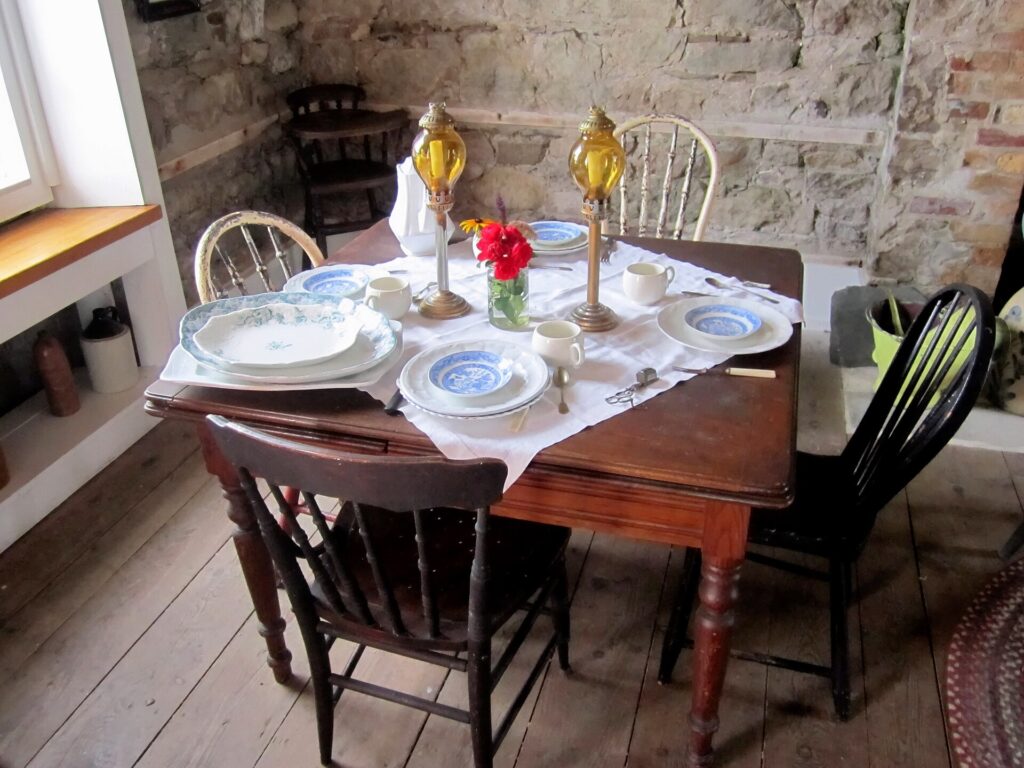
Two factory offers can be compared only after both suppliers respond to the same controlled product specification, quantity and commercial scope. Start with one issue-numbered packet. Require each supplier to mark every departure from it, then compare the remaining price, lead time, evidence and execution risk. A lower quotation for a different fabric, hidden hardware, packing method or delivery point is a different proposal. It should not win a like-for-like comparison.
This guide is for a buyer who has already narrowed a product family and wants to choose between two plausible makers. It does not rank actual Foshan factories. The published Foshan furniture manufacturer guide covers broader sourcing context; the method below focuses on a controlled two-candidate decision for one order.
A first-person Xiaohongshu furniture-shopping account describes seeing apparently similar furniture online at prices several times apart and travelling to Foshan because the shopper did not have enough information to judge. That is a useful buyer question, not evidence that any particular factory charges or delivers differently. The practical response is to expose differences in the proposed product and order scope before treating prices as comparable. The account also contains merchant endorsements, travel times and numerical prices; none are used here to verify a supplier or set a benchmark.

Freeze the object before asking for two prices
Give both candidates one product identifier, drawing revision and intended use. A useful request packet contains the overall and critical dimensions, construction drawings or reference sample, visible finishes, material and component codes, functional requirements, quantity by variant, packaging expectation, destination, desired dates and the evidence needed before mass production. If a requirement is not yet known, label it open and ask both factories to quote the same assumption. Do not let one candidate quietly choose a premium assumption while the other chooses a cheaper one.
Use a header such as CH-27 dining chair / specification Rev 03 / 240 units / quotation due 18 October. Attach the same eight documents to each email and retain the sent versions. Name the one buyer contact who can issue a new revision. When a supplier asks a clarifying question, answer both in the same numbered addendum. An informal answer in one chat thread can create two different specifications while the spreadsheet still appears to show one.
For product detail, divide the packet into fixed attributes en approved options. Fixed means a quote must comply or flag an exception. An option is an expressly priced alternative that the buyer may choose later. A photo of a look-alike item is useful for appearance discussion but cannot replace a dimensioned drawing, material code or approved sample. If the buyer has no reference sample yet, request a proposed sample and keep the final material and construction decision open.

Make every specification response legible
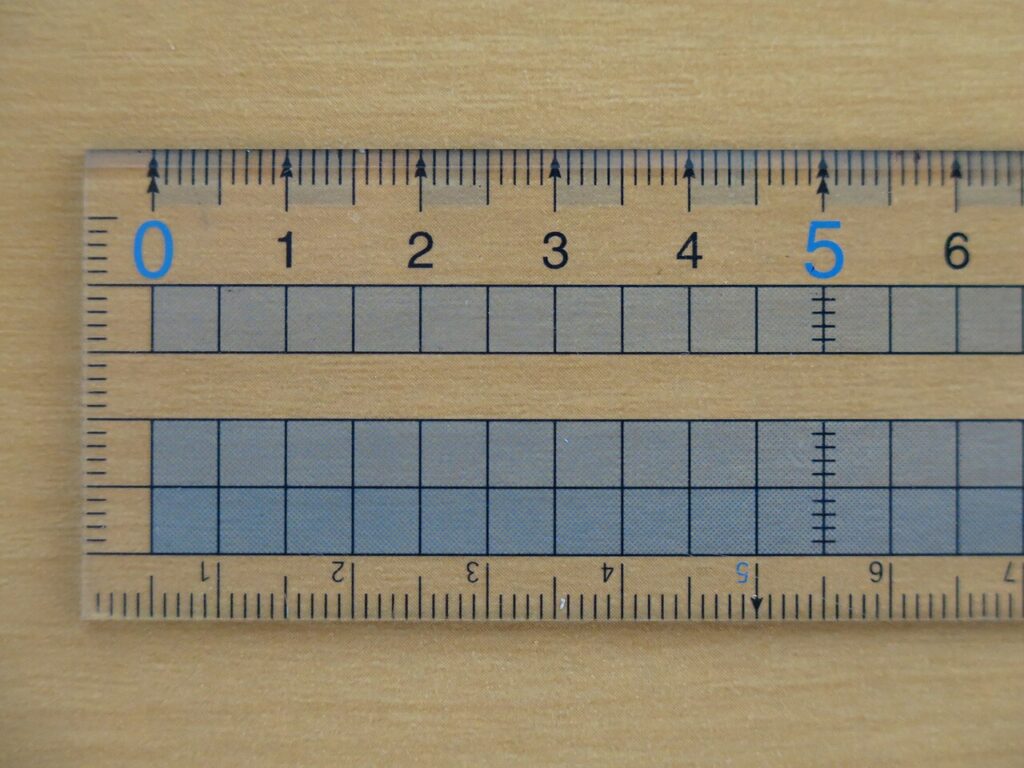
Ask each factory to return a short compliance schedule. Its rows should mirror the packet, not the supplier’s sales brochure. For each requirement the answer is complies, alternative proposed, cannot confirm yetof does not comply. Require a linked drawing, code, sample or record where the response claims compliance. This is a buyer-created comparison method, not a product standard or a factory certification.
| Common specification row | Factory A response | Factory B response | Buyer disposition |
|---|---|---|---|
| Item and drawing revision | Same revision or stated exception | Same revision or stated exception | Compare only the agreed revision |
| Dimensions and measurement points | Values and proposed tolerance | Values and proposed tolerance | Resolve critical fit differences |
| Frame and visible finish | Named materials and codes | Named materials and codes | Require samples where words are ambiguous |
| Upholstery or surface | Code, color, supplier and substitution rule | Same fields | Approve one reference or quote alternatives separately |
| Hardware and moving parts | Component model or performance requirement | Same fields | Identify who approves a change |
| Packaging and quantity | Units per carton, protection, labels and spare parts | Same fields | Bring scope to one baseline |
| Productie en inspectie | Milestones and records offered | Milestones and records offered | Test whether evidence is order-specific |
| Commercial scope | Currency, taxes if applicable, delivery point and exclusions | Same fields | Normalize before price ranking |
This table is a worksheet to complete, not evidence that either factory has made those commitments. Leave unknown cells visible. A vague “same as sample” answer should remain open until the sample is identified, retained and linked to a revision. A factory can make a reasonable alternative proposal; keep its price in a separate column until both suppliers have priced the same base specification.

Compare a sample protocol, not two showroom impressions
Give each candidate the same sample goal: a unit made to the controlled specification, with a list of permitted sample-stage substitutions. Ask who funds the sample, who keeps it, what it represents, when revisions can be requested and how approval changes the production drawings. Put review dimensions, visible finish, comfort or function checks, packaging trial and photographic evidence on one form. Record defects against the same criteria for both candidates.
If Factory A shows a current showroom chair while Factory B sends a new prototype, those are different kinds of evidence. The showroom chair can show style and perhaps workmanship of that object. The prototype can show whether the maker followed the buyer’s particular packet. Neither proves the quality of a future 240-unit lot. A fair comparison uses the same required sample gate and records precisely what each sample does and does not represent.
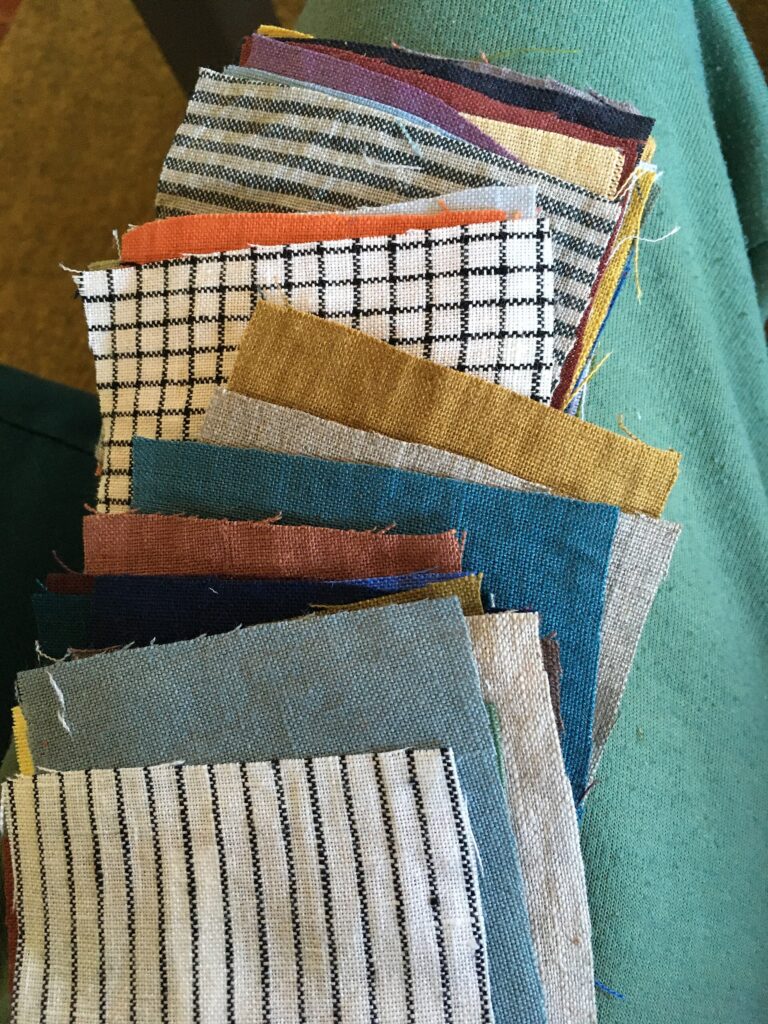
For an upholstered product, retain the approved swatch, cut direction and color reference. For a cabinet or table, retain the finish reference and identify the hidden component or joinery questions that matter. The published factory-verification guide explains broader site checks; for this two-factory decision, tie each visit or remote evidence request to the specific product revision, not to a general impression of the building.

Ask both factories for the same execution evidence
Once a supplier has accepted the specification, compare its proposed path from sample approval to accepted goods. Request the intended production site or sites, principal operations, expected subcontracted stages, critical material suppliers if disclosure is available, in-process checks, final inspection point and rework route. The answer can be proportional to the order. It does not have to disclose every trade secret, but it must make responsibility for the promised output clear.
Separate claimed capability from order-specific evidence. A workshop photograph shows equipment at one moment; it does not establish spare capacity for your delivery window. A prior inspection report may show that a different product was checked. A current plan that names milestones, sample signoff, material arrival, production start, first-article check and shipment-ready inspection is more directly useful for this choice. Record the evidence date and whether the buyer may verify it.
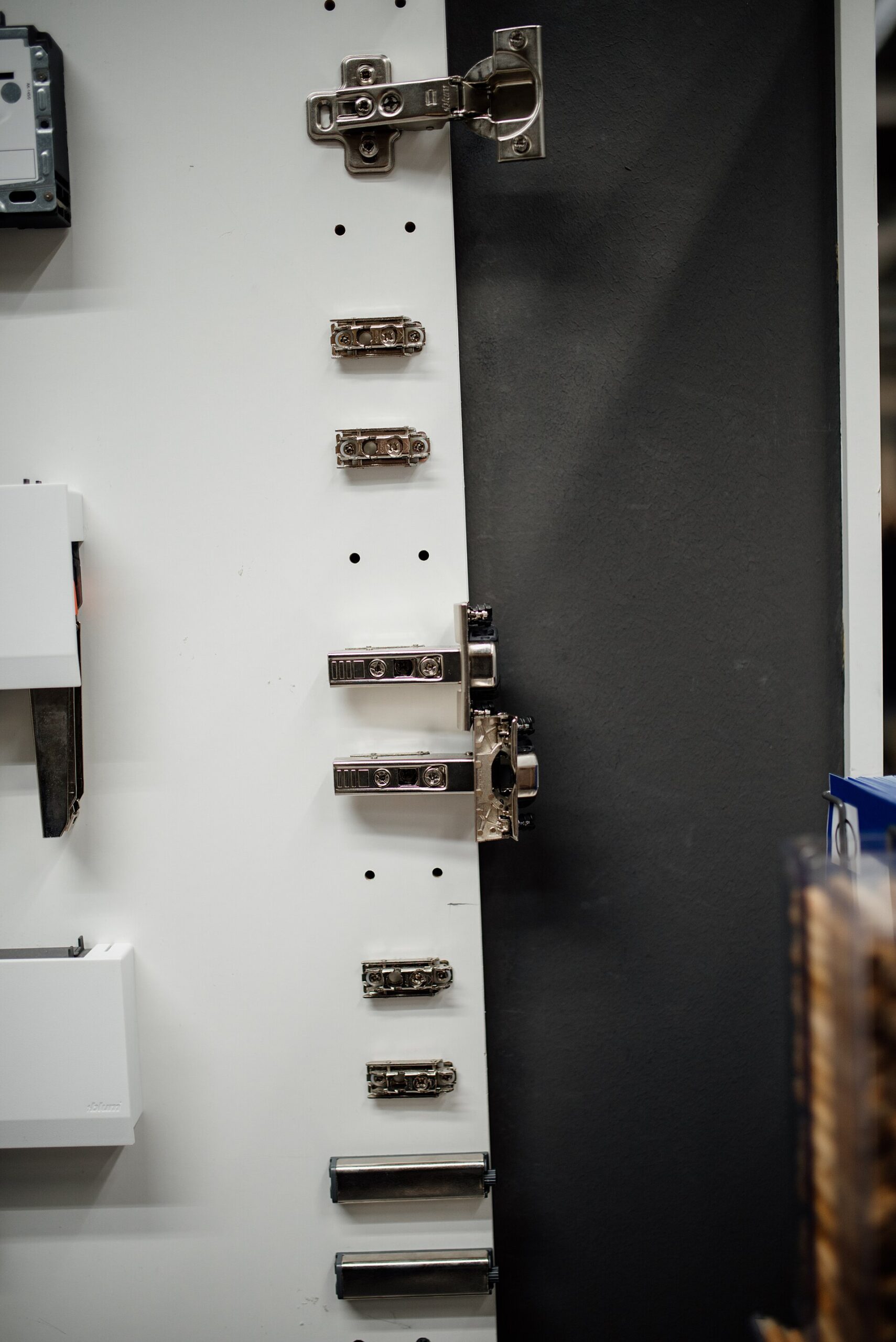
Compare who controls substitutions and rework. If one factory intends to send upholstery, metal parts or finishing outside its own building, the buyer needs the responsible seller, acceptance points and change route. This does not disqualify subcontracting. It exposes whether an exception can be contained before the lot is finished. Do not convert an unsupported “we do everything ourselves” line into a scored advantage.


Normalize the quote to one delivery boundary
Copy each offer into a buyer-owned scope ledger. Keep the original quotation alongside it; do not edit the supplier’s document to make it look equivalent. The ledger should identify quantity and variant mix, included sample cost, tooling if any, packaging, labeling, spares, inspection, domestic movement, delivery point, currency, payment milestones and exclusions. If a supplier uses a trade term, record the exact named place and clarify included services. The article makes no claim about a particular destination’s tax or import treatment.
Imagine a fictional order for 240 identical chairs. Factory A quotes 310 currency units per chair including export cartons, while Factory B quotes 287 but excludes cartons at 18 and a required finish adjustment at 11 per chair. On this invented scope, B’s comparable unit amount is 287 + 18 + 11 = 316; A’s is 310. A separate one-time sample fee, freight boundary or inspection allowance may change the total again. These are arithmetic teaching numbers, not Foshan prices. Ask both factories to confirm the adjusted scope in writing rather than ordering from the buyer’s reconstruction alone.
A cheaper normalized total still may be the better choice. Price is one input after specification, evidence and delivery risk are understood. Conversely, a polished sample and attractive tour do not justify paying more if the supplier cannot state a production commitment. Mark every non-priced exception with an owner and due date; unresolved scope should not disappear into a weighted score.

Use red-line gates before weighted scoring
Make a decision sheet with two stages. First, each candidate must pass the few conditions the buyer cannot trade away: it can supply the fixed design or a specifically approved variation; it identifies the contracting seller and responsible production route; it agrees to the sample and change controls; it gives a written, sufficiently bounded commercial offer; and its proposed timing is feasible for the project. A failure is a hold, even if a price column looks attractive.
Second, compare the qualifying candidates on factors that can reasonably be weighed: normalized total, schedule confidence, sample fidelity, clarity of material and component evidence, inspection access, response to open questions and rework plan. Use a simple evidence scale: 0 = unanswered, 1 = assertion, 2 = dated document or sample, 3 = order-specific evidence independently checked. The scale measures support for a claim, not inherent product quality. State the buyer’s priorities before opening final prices, and keep comments beside every score. Otherwise the scoring exercise may rationalize an early preference.
For example, A may have the lower normalized quote but still have an unresolved material substitution. B may have a stronger sample while its shipment date lacks a production plan. Neither condition is solved by averaging. Mark the affected criterion hold and request the missing answer. A shortlist can end with “neither yet” or “split the decision into sample and production gates”; procurement does not require a winner on the day quotations arrive.


Close the decision with a signed exception ledger
Before choosing, issue one final question list to each factory. It should cite the specification revision, quote version, sample ID and each unresolved difference. State the response deadline and who on the buyer side may accept an exception. Then record one of three decisions: select for sample, select for a conditional production orderof hold/reject. Do not call a conditional selection an unconditional approval.
A decision record should be readable months later. Include the product and quantity, both candidate names and legal sellers, evidence reviewed, normalized totals and assumptions, red-line results, unresolved issues, owner and date, approved sample or drawing references, and the next gate. If the buyer changes the product after selection, reopen only the affected comparison rows and ask both candidates to reprice when the change could alter the outcome. Keep the old versions for traceability.
Send your two candidate factories the same Rev 03 packet and compliance schedule now. Ask them to return marked exceptions and a quote against the same packaging and delivery boundary. Until those answers exist, the comparison is a list of two proposals, not a defensible supplier choice.


Photo credits and limits
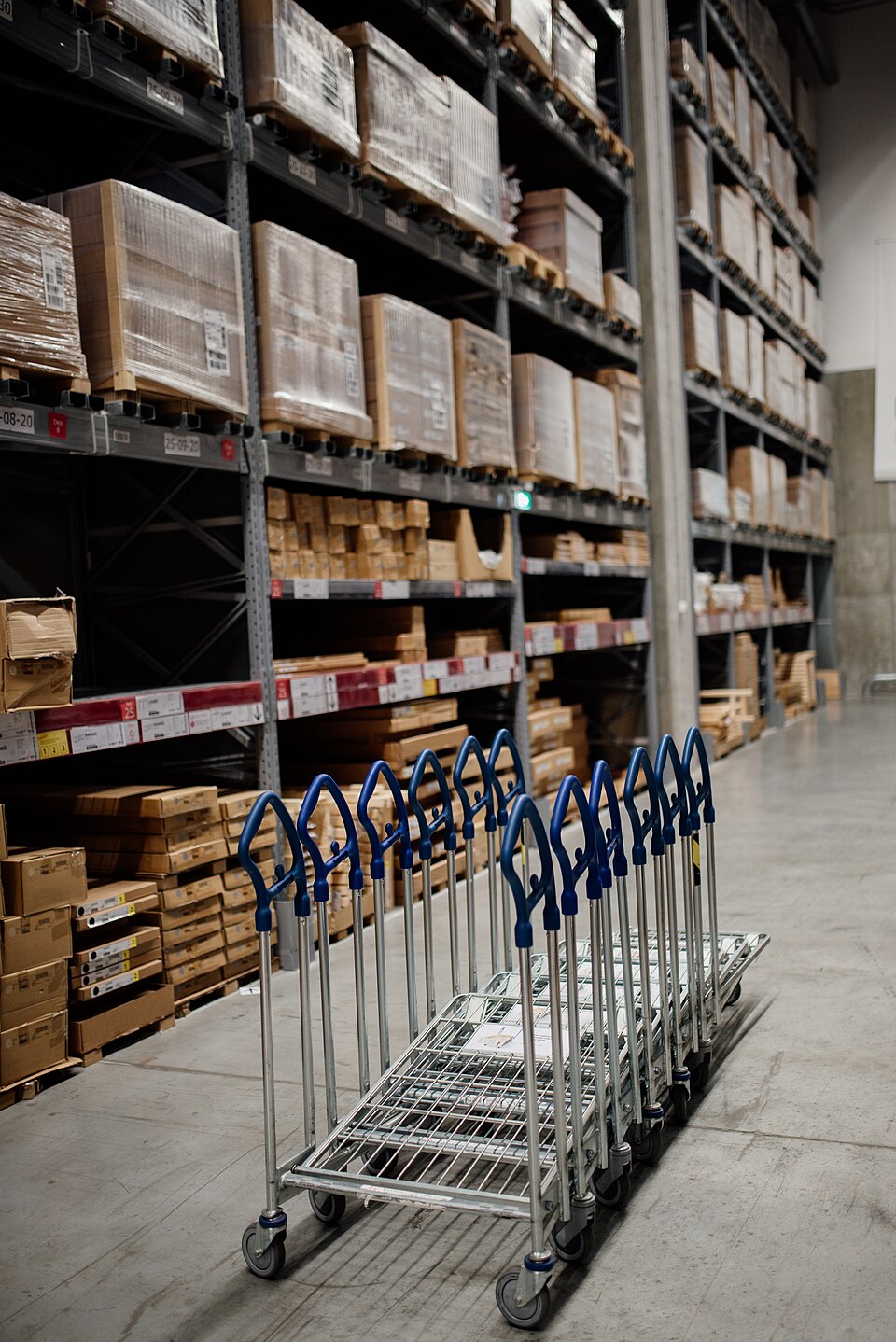
The eight genuine photographs are unrelated illustrations from eight distinct Wikimedia Commons original pages. Each caption in the draft links its photographer, source page and licence; the photo ledger also records its purpose and file hash. None depicts a Source Foshan project, either hypothetical factory, the Xiaohongshu shopper or a verified production order.