Notas de campo
A two-person buying team in Foshan: roles and decision log
Assign buyer and evidence roles for a Foshan furniture trip, reconcile model and quote details at each stop, and keep one versioned log for remote approval.
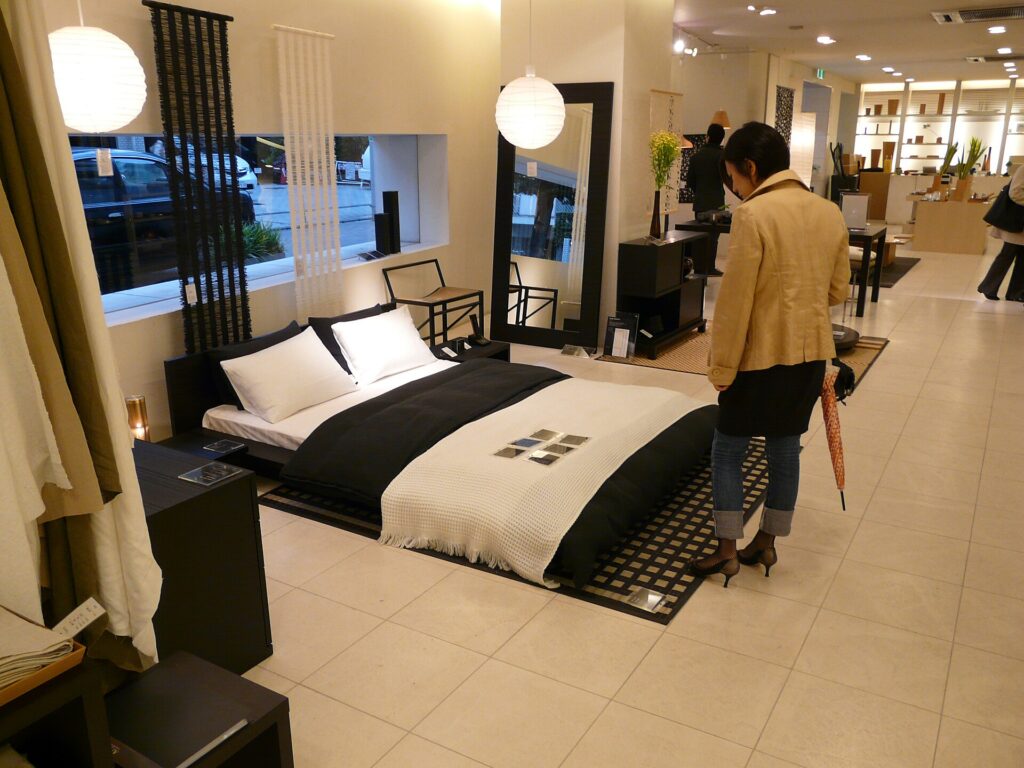
The short answer: give a two-person Foshan buying team different tasks but one decision record. The buyer lead tests fit, function and priority against the brief; the evidence lead captures the exact model, dimensions, materials, seller statements and documents. Both reconcile notes before leaving each showroom. Only the named decision authority can approve a specification or commercial commitment. This avoids the common outcome in which one person remembers a comfortable sofa and the other has photos of an unrelated model or quote.
Los guía de mercados de mobiliario de Foshan gives broad context for a visit, while the mall-versus-factory showroom guide helps the team understand different sales settings. This guide is about the team’s conduct inside a stop. All eight real licensed photos are unrelated illustrations, not a Source Foshan staff visit, a verified supplier or a customer transaction.

Agree the authority before dividing the work
Name three roles even if only two people travel: buyer lead, evidence lead y decision authority. The decision authority may be one of the travellers or a remote owner. Write which person may shortlist a candidate, request a quote, approve a sample, accept a substitution and authorise a deposit. These are different actions. A shopper can say “Please quote this variant” without agreeing to buy it. A salesperson’s “reserved for you” should not silently become a buyer commitment.
Give both travellers the same version of the product brief: room or project code, target item, dimensions, required materials, hard constraints, quantity, destination and agreed price scope. Mark which requirements are fixed and which are preferences. If the brief changes during the day, issue a revised version rather than letting each person work from a different phone message. A good two-person team may notice more details than one person, but only if both are examining the same candidate.
Assign the buyer lead to direct physical testing: seat feel for intended users, functionality, visual fit and trade-offs. Assign the evidence lead to keep a running model-and-claim record: shop name and contact, display code, measurements, photo sequence, material codes, seller statements, written documents and unanswered questions. Switch roles briefly at the end of a visit so each can challenge what the other may have missed. Neither role makes the person a construction expert; hidden features still require appropriate documents or inspection.

Open each stop with one shared identifier
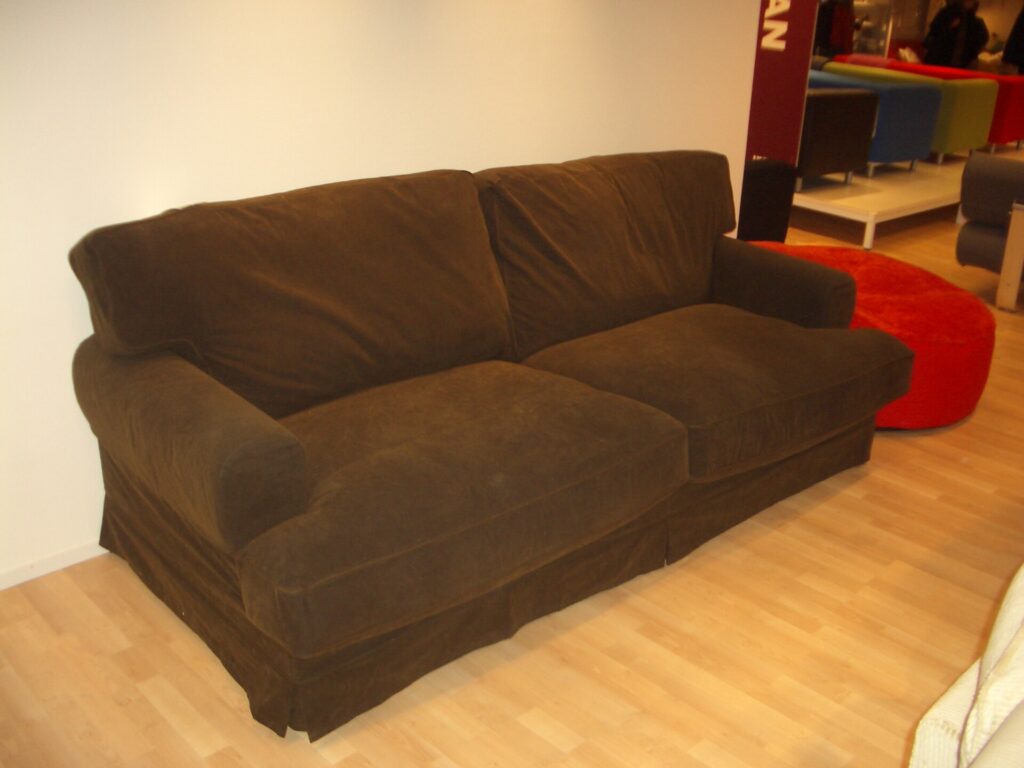
Before looking at products, make a stop ID such as FS-D1-03. Record the building, booth, contact and time. Attach every photo, voice note, measurement and quote request to that stop ID. If the team splits for ten minutes, both people should still know which item IDs belong to that seller. A model can look similar in adjacent showrooms; an unlabeled photo is not an orderable product.
For each candidate, create an item code such as FS-D1-03/S02. Ask the salesperson to identify the displayed model and any difference between it and a production variant. The buyer lead can test S02 while the evidence lead photographs the permitted label and takes measurements. If the salesperson moves the team to another floor or offers a different configuration, create S03 rather than silently editing S02. This costs a few seconds and protects the later quote comparison.
A first-person Xiaohongshu account by two furniture visitors describes becoming absorbed in looking at products during a Foshan/Longjiang stop and realising that they had not taken enough general showroom photos, mostly photographing items they liked. The original account is a narrow reminder that two people can still miss context without an assigned evidence task. It does not verify the featured shop, prices, product quality, brand relationships or logistics claims in the post; those claims are excluded here. The team’s stop and item codes are an editorial method, not a claim that these visitors used them.

Use a six-field stop record
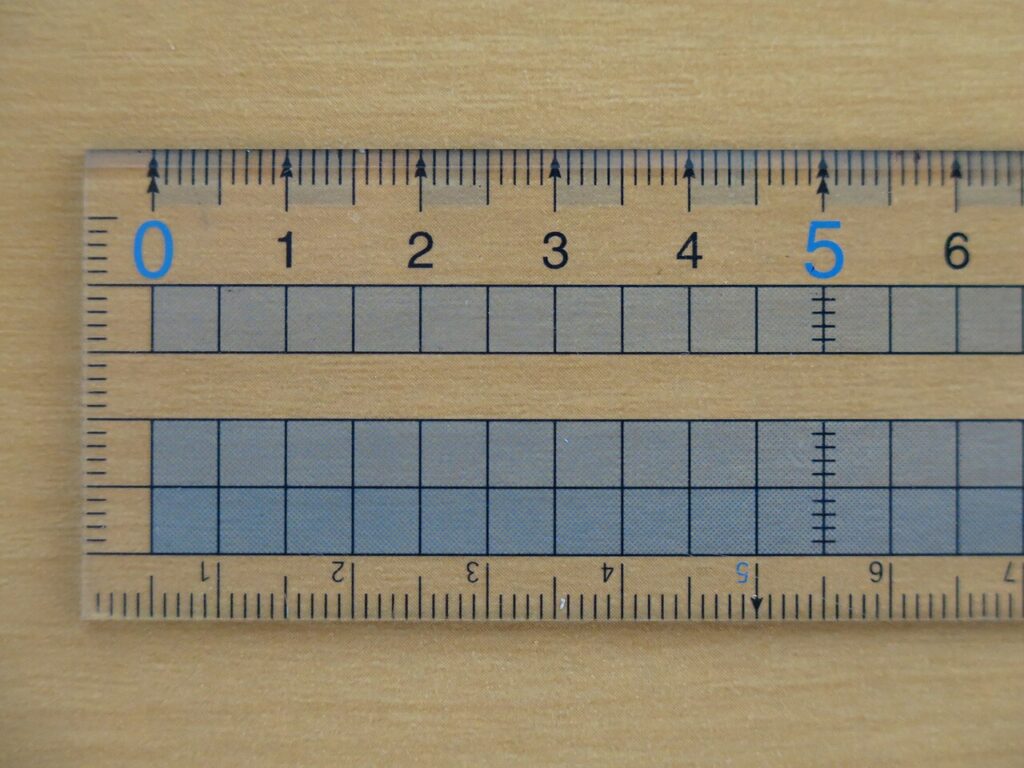
The stop record should be short enough to complete before moving on. Use six fields: item identity, buyer observation, seller statement, document received, open question y next owner/date. The evidence lead writes, and the buyer lead confirms the observation. For instance, “S02 seat felt supportive to tester A” is a subjective observation. “Frame is hardwood” is a seller statement unless a model-specific specification or inspection supports it. “Fabric card F2 supplied” is a document or physical reference if the team actually received and labelled the card.
Take photos in a fixed sequence where permitted: venue/booth marker, whole item, model or label, dimensions, material reference and any issue detail. State when photography is not allowed and use a written model reference instead. The sequence makes it easier to reconstruct the visit later. A photo can capture appearance, but it does not prove that a future batch will have the same internal construction or finish. Ask for the exact production specification for that question.
Do not let the buyer lead and evidence lead collect separate quotes for vaguely similar items. Before requesting a formal offer, one of them reads back the candidate ID, dimensions, material and quantity to the seller, while the other checks the record. If the seller proposes an alternative, label it separately. The sourcing report comparison guide becomes useful when written offers share a clear scope; it cannot repair a confused identity chain after the team leaves.


Reconcile before the door, not at the hotel
Reserve a five-minute pause before leaving each showroom. The buyer lead says whether the item is shortlist, hold o reject, with one reason. The evidence lead reads back the item code, dimensions, selected finish, price status, seller contact and open questions. Both confirm that the photos and received documents correspond to the same item. If they disagree, mark the fact as unresolved and ask the seller while the display is still in front of them. This is a checkpoint, not a forced consensus on taste.
Use the pause to identify one next action. A hold might need a dimension drawing; another might need a sample or a written explanation of a material. Give it an owner and due date. Avoid the vague note “follow up with supplier.” If the team is moving to another venue, send only a concise status to the decision authority: stop and item ID, current candidate status, one decisive observation, one outstanding issue and whether any commercial commitment was made. A remote approver should not have to infer those facts from a gallery of sofa photos.
If the buyer lead and evidence lead have different impressions, retain both. One may value comfort while the other notices a measurable room-fit risk. Weight those points against the agreed brief after the factual record is complete. Do not average a hard failure away. The team may decide to revisit the item or ask for a revised variant rather than crown a winner before sufficient evidence arrives.

A fictional disagreement that the log can resolve
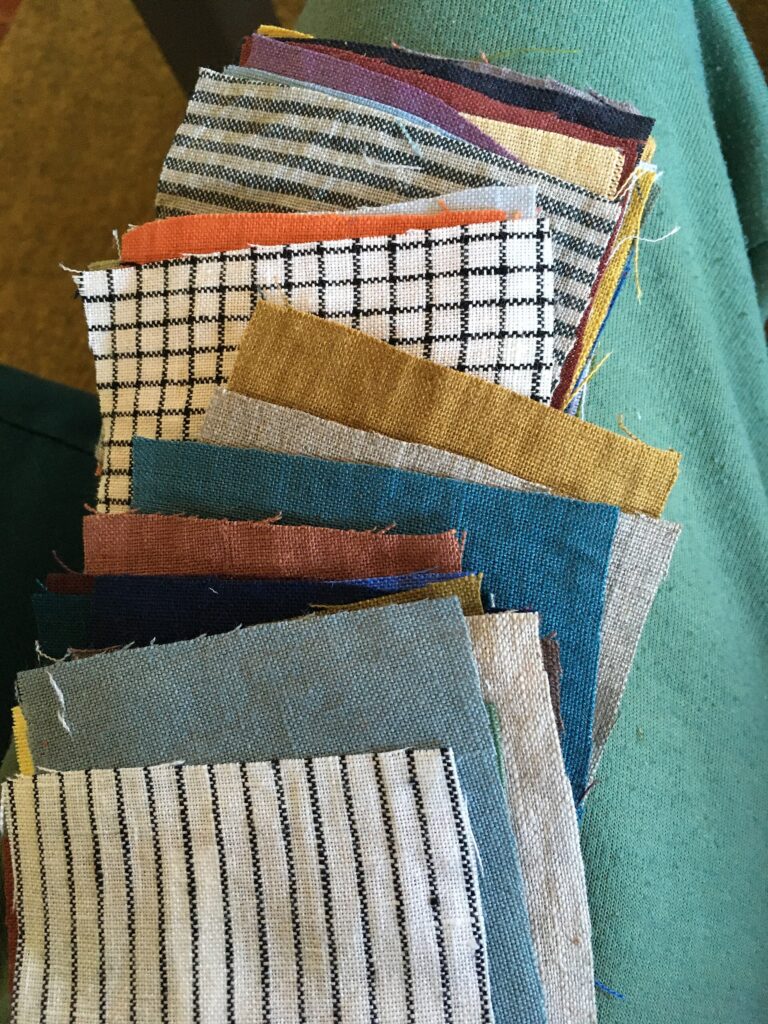
Imagine two colleagues visit FS-D1-03 to source eight dining chairs for a hospitality project. The buyer lead tests displayed chair C1 and likes its seat. The evidence lead receives a quote labelled C2 with a different upholstery grade and a unit price of RMB 1,450. All codes, quantities and prices in this example are invented teaching figures, not observed Foshan terms. If the team later tells the owner that “the comfortable chair costs 1,450,” it has merged evidence from two variants and created a false decision.
The stop record should say: C1 observed: preferred seat, width measured; C2 document: RMB 1,450 quote, upholstery grade G2; open: whether C1 can be ordered with G2 and whether the quoted structure matches the tested display. The buyer lead can keep C1 on the shortlist, and the evidence lead can request a revised attributable quote for C1’s exact or approved substitute configuration. Neither person releases an order until the model and material bridge is answered. If the seller cannot make the proposed variant, the team compares a different candidate explicitly.
The example also shows why a single owner for each question matters. The evidence lead may request the quote revision, while the buyer lead rechecks seat comfort if a change in cushions or upholstery could affect it. The decision authority then approves a named version. A short log is more useful than two long but inconsistent recollections.

Keep commercial and evidence questions separate
The evidence lead may record a spoken price, but should label it as spoken and identify what product and service scope the seller meant. Ask for a dated written offer with seller identity, exact item, quantity, currency, packing, delivery point, validity and exclusions. The buyer lead checks whether the offered version still meets the use case. Neither should treat a lower number as evidence of a better product. A price comparison is valid only after model, material and service scope are aligned.
Assign a separate owner to payment-identity verification. If invoice issuer or beneficiary differs from the seller named in the approved offer, stop the payment step and verify the change through an independent agreed channel. This is an operational control, not a claim about a particular vendor. The two travellers can gather documents, but a remote finance or procurement approver may still control release. Put that authority in the log before the first showroom visit.
The team should also identify what a later inspection needs to test. A showroom sample is evidence about a displayed object, not the future batch. If a hidden construction detail, exact finish or packaging method is important, request model-specific documents or an agreed production check. The buyer lead defines the acceptance question; the evidence lead obtains a document or inspection opportunity. This keeps the two roles complementary instead of redundant.


End the day with one versioned decision log
At day’s end, merge the stop records into a single dated log. For each candidate, show status, brief revision, observed fit, seller claims, documents, open issue, owner, next date y decision authority. Link the labelled photos and documents. If the team changed the brief, note who authorised the revision and which earlier candidates must be rechecked. Do not replace the old record with a polished summary that hides disagreements or unanswered questions.
Give the remote owner a short recommendation with limits: “Shortlist C1 for comfort and fit, pending material and quote alignment”; “reject C3 because of immutable width”; “request a sample from C4 before release.” A recommendation is useful even when it is not a final purchase. Make explicit whether anyone promised a deposit, reserved stock, accepted a production substitution or authorised a drawing. If the answer is no, record no order released so a seller does not infer approval from enthusiastic visit notes.
The next action is to write the one-page brief, assign buyer lead and evidence lead, and agree the decision authority before the team arrives in Foshan. At the first stop, test the six-field record and five-minute reconciliation. Once that rhythm works, two people can cover more useful ground while leaving a cleaner, auditable basis for the eventual order.


Photo credits and limits
Each linked caption identifies the photographer, original Wikimedia Commons page and licence. The eight unrelated photos illustrate a showroom, sofa, ruler, historical label, material swatches, records, calculator and signed document. They do not show the two fictional buyers, a Source Foshan visit, a real client, any specific Foshan seller or an actual purchase.