Buying Guides
One Sofa, Three Prices: Why the Same Foshan Sofa Costs ¥4,500, ¥6,800 or ¥12,800
A Hangzhou interiors firm published the factory-gate price, the spread across Foshan factories and the mall price of one sofa it buys every month — and where every yuan of the difference goes. Translated, checked against our own orders, and extended for overseas buyers.
In short
- 01
The same three-seat-plus-chaise fabric sofa carries three prices in Foshan: about ¥4,500–9,000 ex-factory depending on the factory, ¥6,800 for a mid-to-upper spec from a well-run one, and ¥12,800 on the floor of a brand showroom in a mall.
- 02
The ¥6,000 between factory and mall is rent, sales commission, brand and dealer margin, and local delivery — not better foam or leather.
- 03
The ¥4,500 between the cheapest and dearest factory is four things: the pattern the frame is built from, the grade of hide and foam behind the same label, the wage bracket of the people sewing and upholstering it, and the kind of building the work happens in.
- 04
Buying from a Foshan factory is worth it when the gap is large, the order is not urgent, the source is traceable and the volume covers the fixed costs — roughly USD 8,000–10,000 or 15 m³ for an overseas container order.
- 05
Source Foshan’s job is to show you which of the ten prices you are being quoted, and why, before you pay a deposit.
“Same sofa” is the most expensive phrase in furniture buying. A Hangzhou interiors firm that sources most of its projects from Foshan recently published a candid price breakdown of one sofa it buys regularly — the factory gate price, the spread across Foshan’s other factories, and the mall price — and where every yuan of the difference goes. We have translated the numbers, checked them against what we see on our own orders, and added the part that matters to a buyer outside China: how to tell which of the ten prices you are looking at. Source Foshan is a sourcing agent based in Foshan, China; the three prices below are ones we were quoted for the same model.
Source: a price breakdown published in September 2026 by an interior-design firm based in Hangzhou that sources furniture from Foshan for its projects. Figures are theirs, in RMB, for one three-seat + chaise fabric sofa, “indicative, actual price may vary”. Commentary and overseas comparisons are ours. USD at ¥7.1.
The sofa is an ordinary one: three seats plus a chaise, fabric cover, the kind that sits in half the living rooms in the Pearl River Delta. Here is what it costs at three points on the same road.
Two gaps, two different explanations. The gap between the factory and the mall is about where you buy. The gap between one factory and another is about what you are actually buying. Most buying mistakes in Foshan come from treating the second gap as if it were the first.
The firm’s own breakdown of the mall mark-up on this sofa. Every line is a cost of selling, not a cost of making.
| Mall rent & fit-out | ≈ ¥1,800 | Foshan’s landmark malls charge some of the highest floor rents in China; the marble and spotlights are in the price. |
|---|---|---|
| Sales commission & running costs | ≈ ¥1,200 | Showroom staff are paid on the ticket; daily operations of a retail floor. |
| Brand premium & dealer margins | ≈ ¥2,200 | The brand’s margin plus one or two layers of distributor — the largest single line. |
| Warehousing, city delivery, carry-up | ≈ ¥800 | Local logistics inside the mall’s own price. |
| What the ¥6,800 already contains | materials + labour + a fair factory profit | The factory price is not a loss leader; a good factory earns on it. |
| For an overseas buyer the mall layer is replaced by your own: export packing, freight, duty and delivery — typically 40–90% on top of ex-works for a full container. The difference is that those costs are yours to see and control; the mall’s are not. | ||
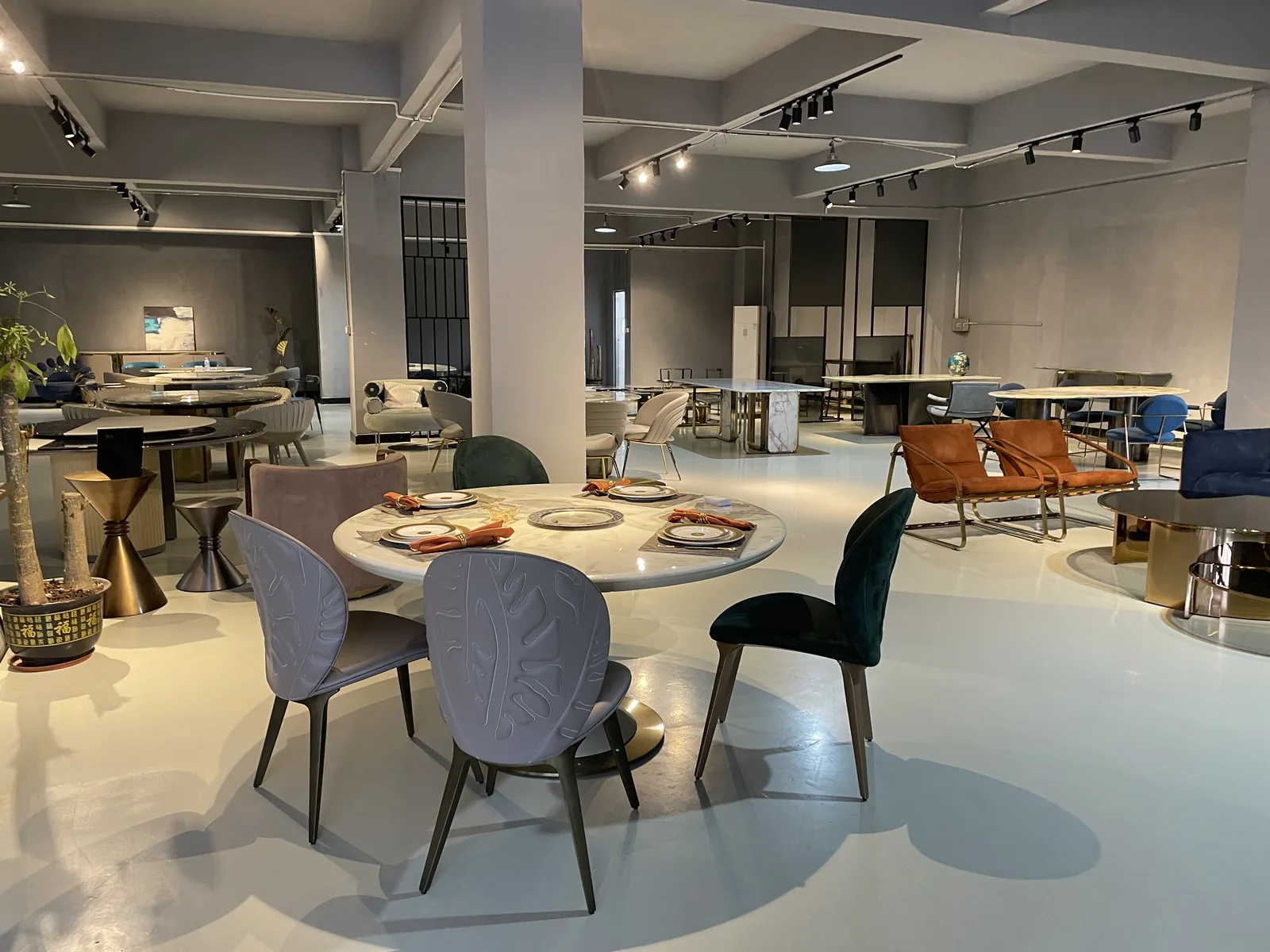
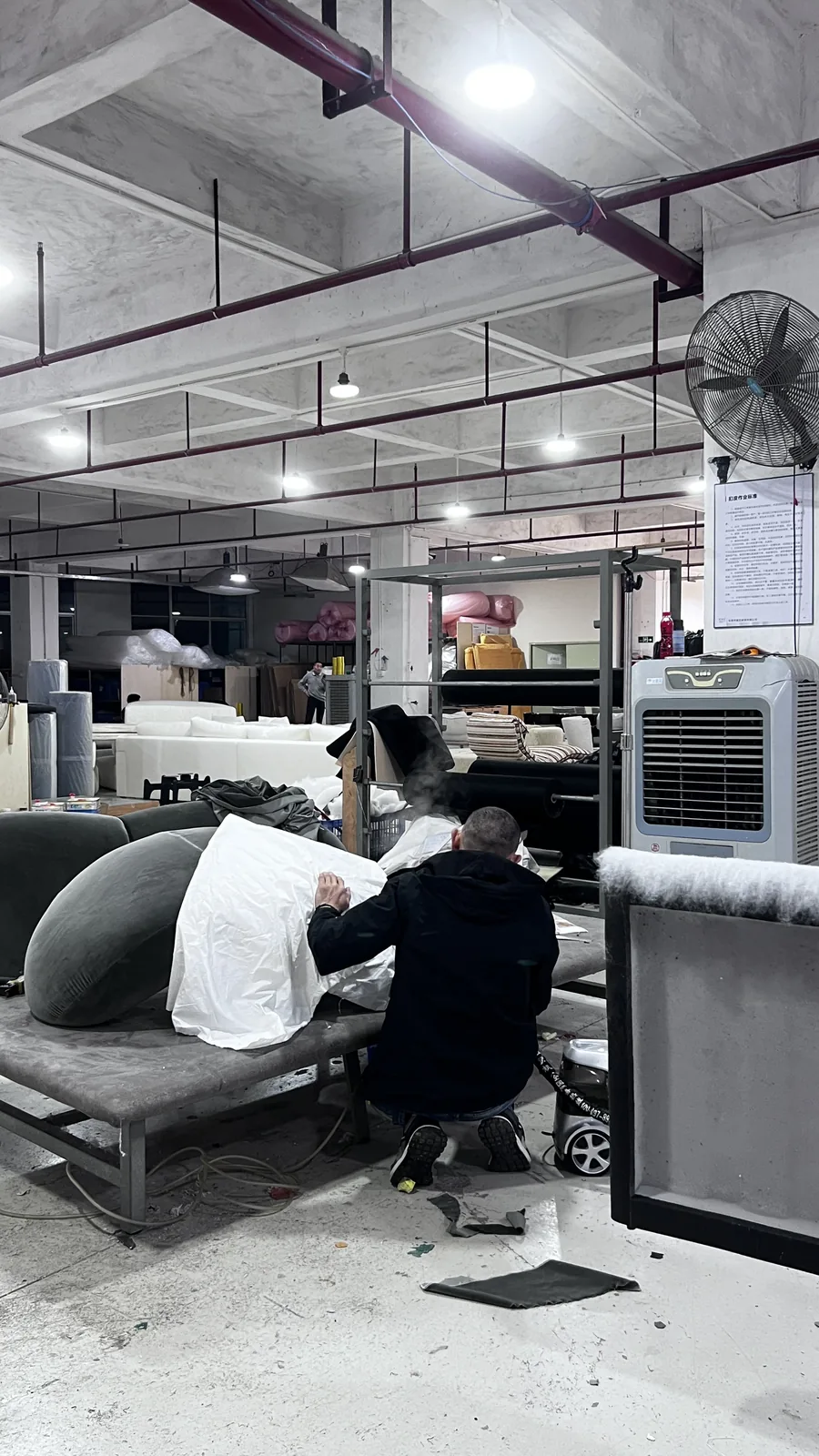
Foshan has more than twenty thousand furniture workshops and factories. Ask ten of them for “a three-seat fabric sofa with chaise” and you will get ten prices spread across a factor of two. That is not random pricing; it is four things that differ underneath the same product name. The Hangzhou firm listed them from the inside; we see the same four on every inspection.
- 1 · The pattern the frame is cut from
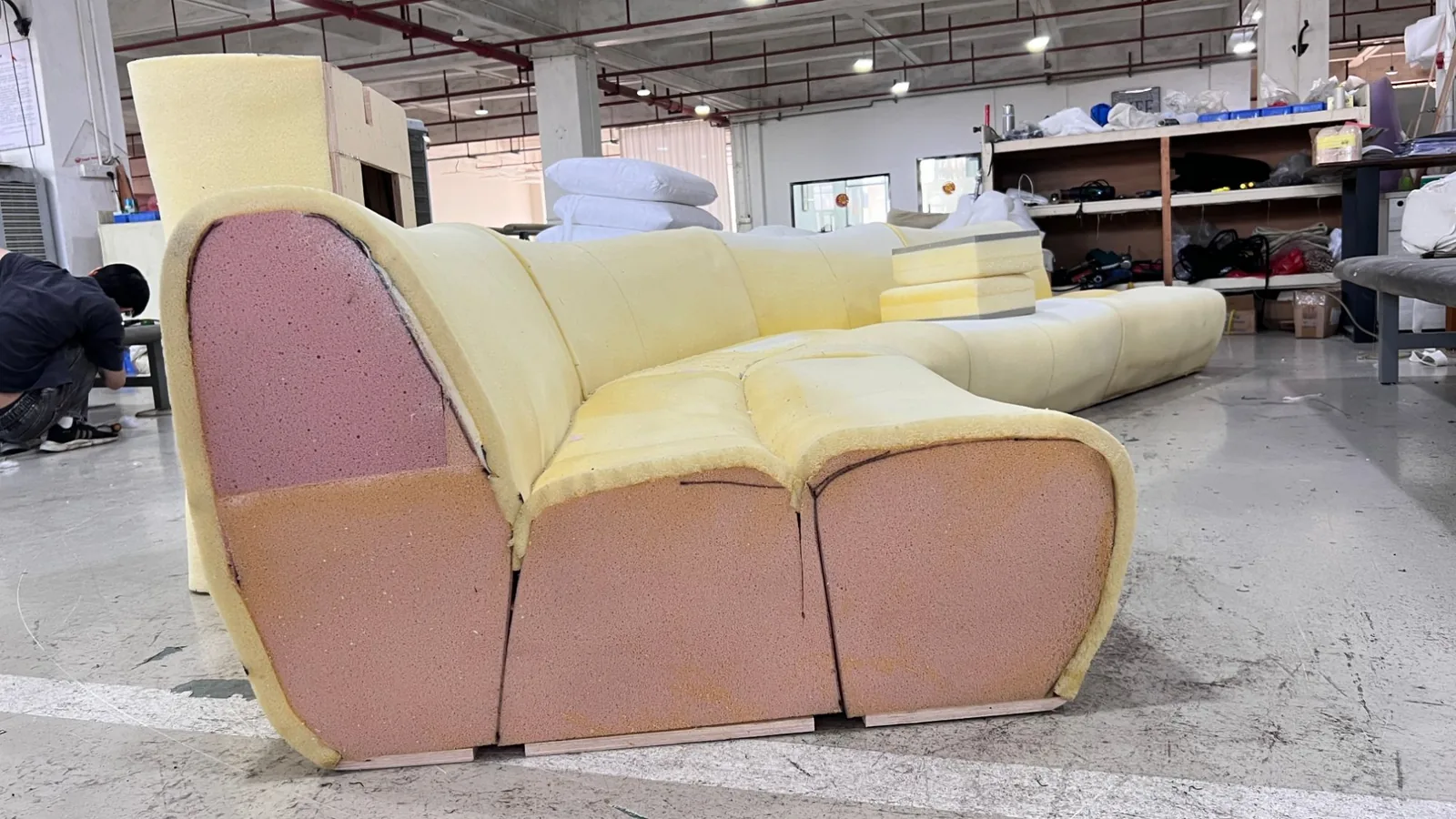
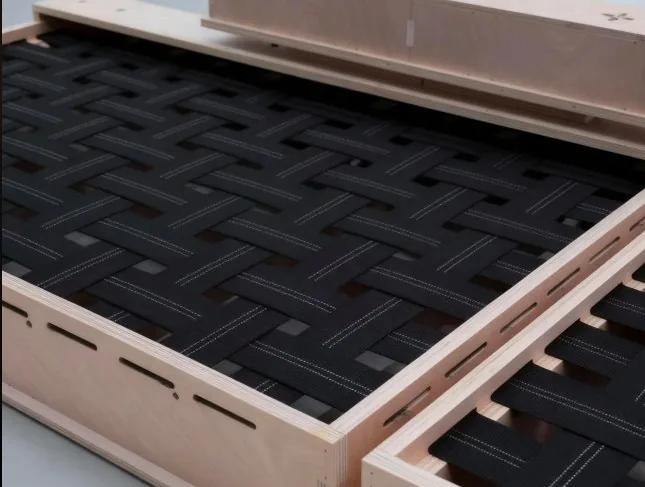
A cheap workshop buys a ready-made template and runs it. A serious factory buys the original piece, takes it apart repeatedly, settles its own pattern and tools up for it. The seat support you feel at minute three comes from this step, and it costs money before a single sofa is sold.
- 2 · The grade behind the same label
“Genuine leather” spans ordinary hides and good ones at more than ¥10 per square foot apart. Two foams both stamped 45D differ in price by brand and origin. You cannot see any of it once the cover is on — but it is in the price, or it is not.
- 3 · Who is holding the staple gun
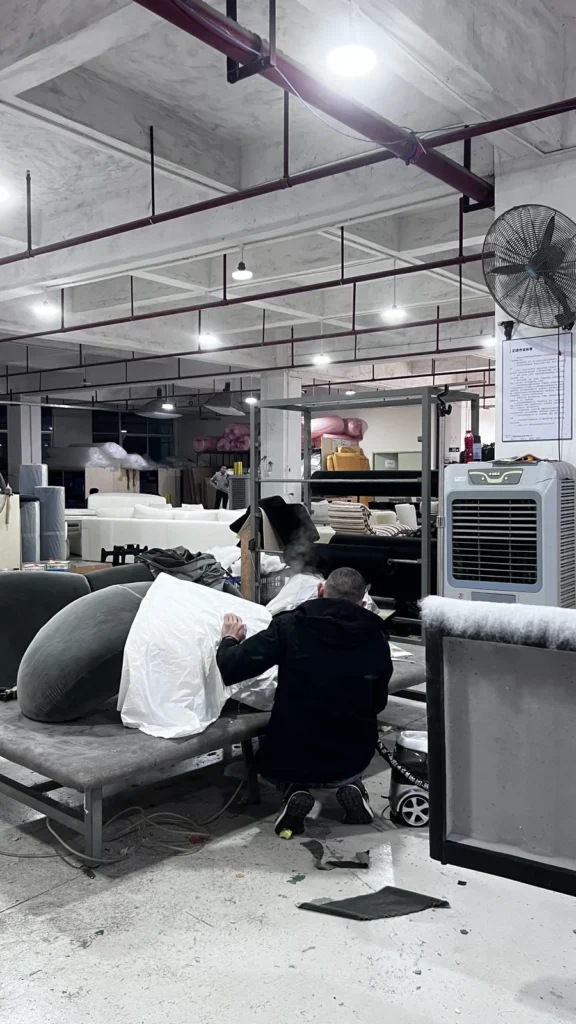
In a low-cost workshop the carpenter, upholsterer and machinist are apprentices or junior hands on about ¥6,000 a month. In a good factory they are master craftsmen averaging ¥12,000. The firm’s phrase: “this gate cannot be passed by a machine.” Wages are the second-largest line in a sofa.
- 4 · The building
Large factories sit in regulated industrial parks with managed floors, dust extraction and stock control. Small ones work out of run-down premises. The rent difference is real, and so is the difference in consistency and quality control — which is what you are paying for when you cannot inspect every piece yourself.
Add the four together and you have the reason a “sofa” in Foshan comes in ten grades; walking the seven production zones is how you see which grade a plant sits in. You are not buying a name; you are buying the sum of pattern, materials, hands and building. The Foshan label alone tells you nothing about which sum you are getting.
Send us the quotation you were given. We will tell you what is missing from it.
A free second look from a local team that reads Foshan quotations every week: unit specs, add-on risks, packing and freight lines, payment terms. No commitment.
This is the question a quotation from Foshan never answers by itself. “¥6,800” is meaningless until you know which pattern, which foam brand and density, which hide grade, which wage bracket and which building sit behind it. Here is how the same line looks on a bare quote and on one we would accept.
| Frame | “solid wood frame” | Kiln-dried beech, dowelled and glued; factory’s own pattern from a disassembled original (photo of frame stage supplied) |
|---|---|---|
| Foam | “45D high-density” | 45 kg/m³ HR foam, named brand, with a 28D comfort layer; back 25D |
| Cover | “high-end fabric” | Named fabric, ≥ 600 g/m², Martindale rating stated, colour reference, sample swatch approved |
| Who makes it | — | Factory name and address on the licence; workshop visited and photographed by us |
| Price | ¥6,800 “all in” | ¥6,800 EXW Foshan; packing 1.9 m³ ¥180; freight and duty quoted separately by lane |
| Payment | “deposit, balance before delivery” | 30% to company account; 70% after our inspection report, before loading |
| Same sofa, same ¥6,800. Only the right-hand column can be compared with a ¥4,500 quote or a ¥9,000 one — and only the right-hand column can be enforced when the piece arrives. What a bare quote costs in practice: ¥10,000 of add-ons on a ¥20,000 order. | ||
The Hangzhou firm publishes its five-step buying process for domestic clients: find the same-source factory from your photo or link, quote factory price and freight separately, photograph or video the piece before it leaves, ship on a dedicated line, install at a fixed, pre-agreed price. It is a good process. For a buyer in Sydney, Dubai or London, each step has an extra layer.
The firm’s threshold for its Hangzhou clients is blunt: a furniture budget above about ¥80,000 (≈ US$11,000) is worth sourcing from Foshan; below it, buy locally. Our threshold for overseas buyers lands in the same place for the same reason — fixed costs: roughly USD 8,000–10,000 ex-works or 15 m³ of goods. Their list of what not to buy this way translates almost word for word.
- Small and fragile: lighting, framed art, ceramics
Freight plus breakage risk eats the saving on their own. Worth it only as filler in a container that is going anyway.
- Urgent
Factory orders take 30–60 days plus 2–7 weeks at sea. If you need it next month, buy it near you.
- Copies and pieces of unclear origin
No after-sales, no traceable maker, no spec to enforce. We do not source them; the firm does not either.
- Anything that lives on its warranty: appliances, electronics
Official channels in your own country, always. The saving is not worth the service gap.
Their one-line rule of thumb is ours too: a large price gap, no rush, and a clear source — the full checklist is in the factory-direct SOP. Upholstery, solid timber, stone tables and full cabinetry tick all three; that is where the 30–60% gap to Western retail lives.
We do not own a factory, and we think that is the point. A firm with its own plant will, honestly enough, quote you its own sofa; six kinds of seller each quote you theirs. A sourcing team that works for the buyer can put the ¥4,500, the ¥6,800 and the ¥9,000 side by side, tell you which pattern, foam, hands and building sit behind each, and let you choose the grade your project actually needs. Then it inspects the one you chose against the sheet you approved, and releases the balance only when the two match.
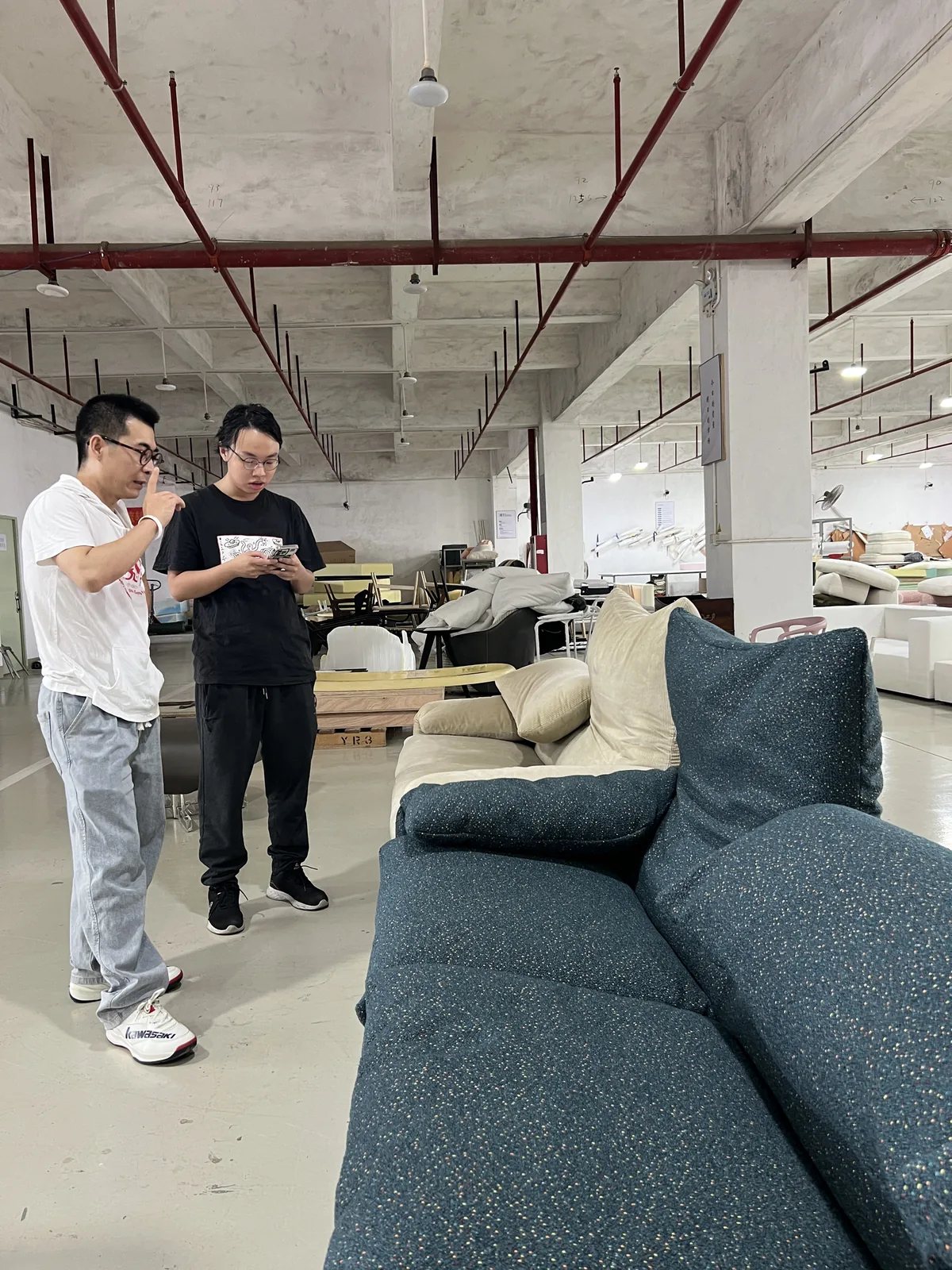
If you have a sofa quotation from Foshan — ¥4,500 or ¥9,000 — send it through the project form with the photo. We will tell you within a business day which grade it is likely to be, what is missing from the line, and what the same piece would land at in your country. The full method is on the furniture sourcing and consolidation page.
Questions buyers ask about Foshan sofa prices
How much does a sofa cost from a Foshan factory?
For a three-seat fabric sofa with chaise, ex-factory prices in Foshan run from about ¥4,500 at a small workshop to ¥9,000 at a brand OEM plant (≈ US$630–1,270); a mid-to-upper spec from a well-run factory is around ¥6,800 (≈ US$960). The same piece on a mall floor is about ¥12,800. In USD, our published ex-works bands for fabric three-seaters are USD 600–1,500.
Why is the same sofa so much cheaper at the factory than in a Foshan mall?
Because the mall price carries costs of selling, not making: roughly ¥1,800 of rent and fit-out, ¥1,200 of sales commission and operations, ¥2,200 of brand premium and dealer margins and ¥800 of local logistics on a ¥12,800 sofa. The ¥6,800 factory price already includes materials, labour and a fair factory profit.
Why do different Foshan factories quote such different prices for the same sofa?
Four things differ under the same name: the pattern the frame is built from (bought template vs. an original taken apart and re-engineered), the grade of hide and foam behind identical labels, the wage bracket of the craftsmen (≈ ¥6,000 vs ¥12,000 a month) and the building (regulated industrial park vs. run-down premises). Together they explain a spread of roughly two to one.
What does “45D foam” actually tell me?
Only the nominal density, about 45 kg/m³. Two foams both stamped 45D can differ noticeably in price, resilience and lifespan depending on the manufacturer. Ask for the foam brand and origin as well as the density, and for a photo of the bare seat before the cover goes on.
Is it worth buying a sofa from Foshan if I live overseas?
One sofa alone, rarely: LCL freight and fixed import charges absorb the saving. As part of an order of roughly USD 8,000–10,000 or 15 m³ — a living room and a bedroom upwards — yes, and the saving is largest on upholstery, solid wood, stone and cabinetry. The rule of thumb from both the Hangzhou firm and us: a large price gap, no rush, and a traceable source.
Does Source Foshan have its own factory?
No, deliberately. We work for the buyer on a stated fee and take no supplier commission, so we can put several factories’ quotes for the same piece side by side and explain which grade each represents, rather than steering you to one plant. We then inspect the piece you chose against the written specification before the balance is paid.