Leveranciers
How to map a furniture supply chain beyond the final assembler
Map materials and specialist operations behind a furniture order, with supplier identity, site handoffs, version records and ownership of changes.
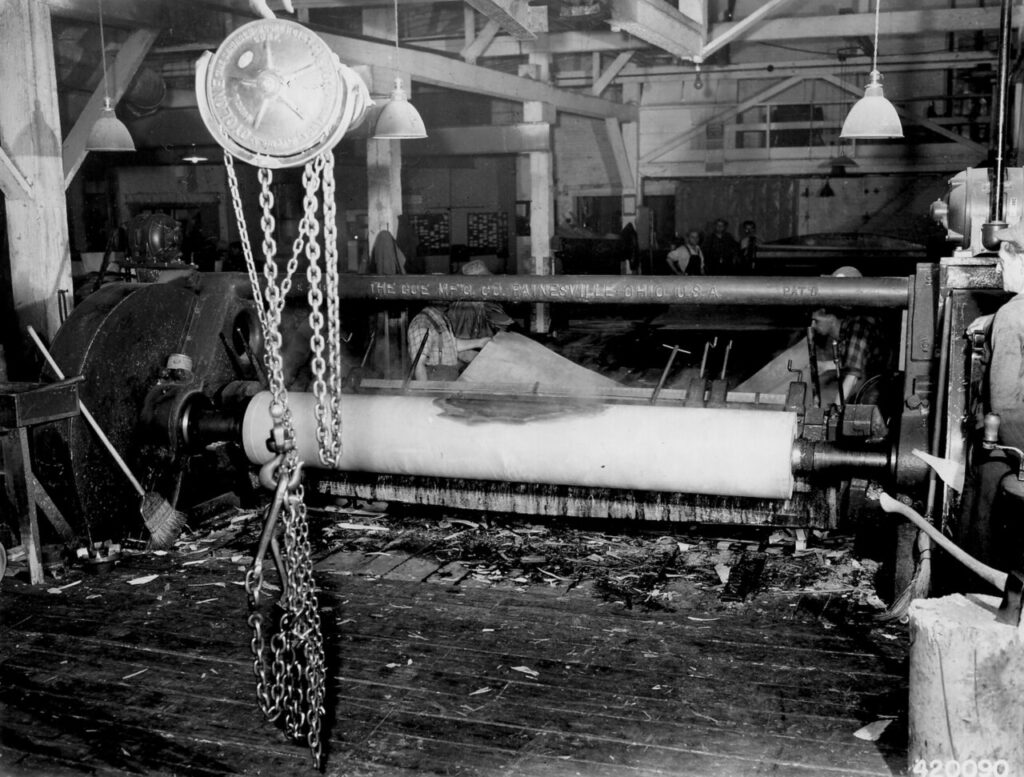
The short answer: start with the product specification, not a generic list of “suppliers.” For each material or specialist operation that could change the item’s appearance, function, durability, delivery or replacement options, record what it is, who supplies or performs it, which site or process receives it, how its version or lot is identified, and who approves a change. Then follow the handoffs into final assembly, inspection, packing and dispatch. A visit to the assembler can confirm parts of the visible workflow; it cannot, by itself, prove the origin of foam, leather, board, fittings or outsourced processes.
De published Foshan furniture manufacturers guide explains the landscape of makers and trading roles. This article narrows the work to a single product and purchase order. It asks which upstream links matter to the buyer and what evidence should survive after the sample is approved. The eight licensed photographs below are unrelated illustrations, not evidence from a Source Foshan factory, customer order or verified chain.

Define the unit of analysis: one orderable item
A furniture “supply chain” becomes too vague when it covers every vendor a company has ever used. Choose an orderable SKU or a controlled group of variants. Record the item drawing, revision, intended materials, finish, hardware, dimensions, packaging and destination. If the quote allows substitutions, list them explicitly. A fabric swatch approved for a showroom sofa is not a controlled production input until it has a code, color, supplier or equivalent specification, lot-handling rule and approval owner.
Begin with the final assembler’s bill of materials and process route. Ask the assembler to mark which inputs are made on site, purchased from another company, or produced by a subcontractor using the assembler’s material. For a sofa, the relevant rows might be frame stock and frame assembly, webbing or springs, foam, textile or leather, sewn covers, feet, fasteners, adhesives, labels and packaging. For a cabinet, board, veneer, edge band, finish, hinge, rail and installation hardware may dominate. These are examples of possible inputs, not an assertion that any particular factory uses them.
The point is to identify the chain’s decision nodes, not to demand a name for every commodity screw. Prioritize a node when a change could alter an approved feature, create a material lead-time risk, make rework difficult or obscure responsibility for a defect. The buyer’s map should be concise enough to use at sample approval and purchase-order release.
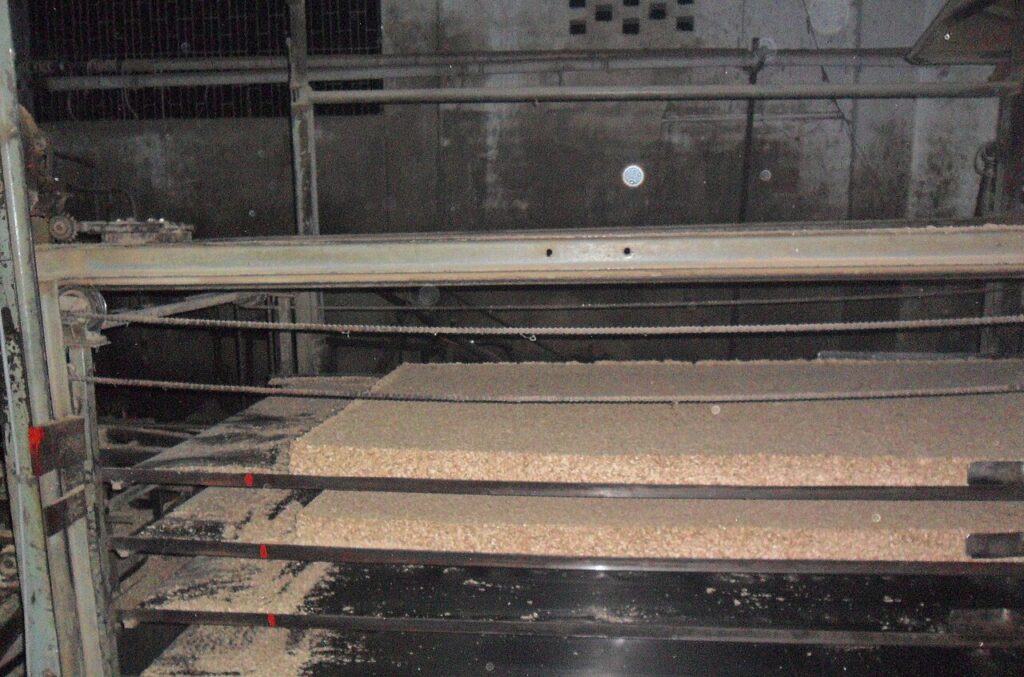

Build a four-layer traceability row
For each critical input, use the same four layers:
| Layer | Vraag | Minimum useful record |
|---|---|---|
| Specificatie | What exactly was approved? | Item drawing and material/finish/component code with revision. |
| Actor and site | Who produces, converts or supplies it, and who receives it? | Named party and process role, with site or controlled receiving point where relevant. |
| Movement and identity | Which lot, batch or order went into this production run? | Purchase, receipt or job reference connected to the assembled units. |
| Change authority | Who may approve a substitute or process change? | Written approval route and a retained before/after record. |
A blank actor field is not always disqualifying. A buyer may accept an approved-equivalent policy for a low-risk commodity input. A blank identity or change-control field for a critical textile, hinge or foam, however, can make a later mismatch impossible to investigate. Write down the deliberate level of control rather than pretending the chain is fully visible.
A first-person Xiaohongshu factory-visit note describes the writer looking at a factory’s leather sample books and recommending checks of details hidden beneath a sofa. That observation and advice are a useful prompt: a visible sample collection and an assembled product raise questions about material identity and upstream sourcing. The note’s material-performance judgments, supplier rankings and merchant implications are the author’s opinions and are not treated here as verified technical facts. Ask for a material code and receiving record rather than adopting a social-media quality claim.
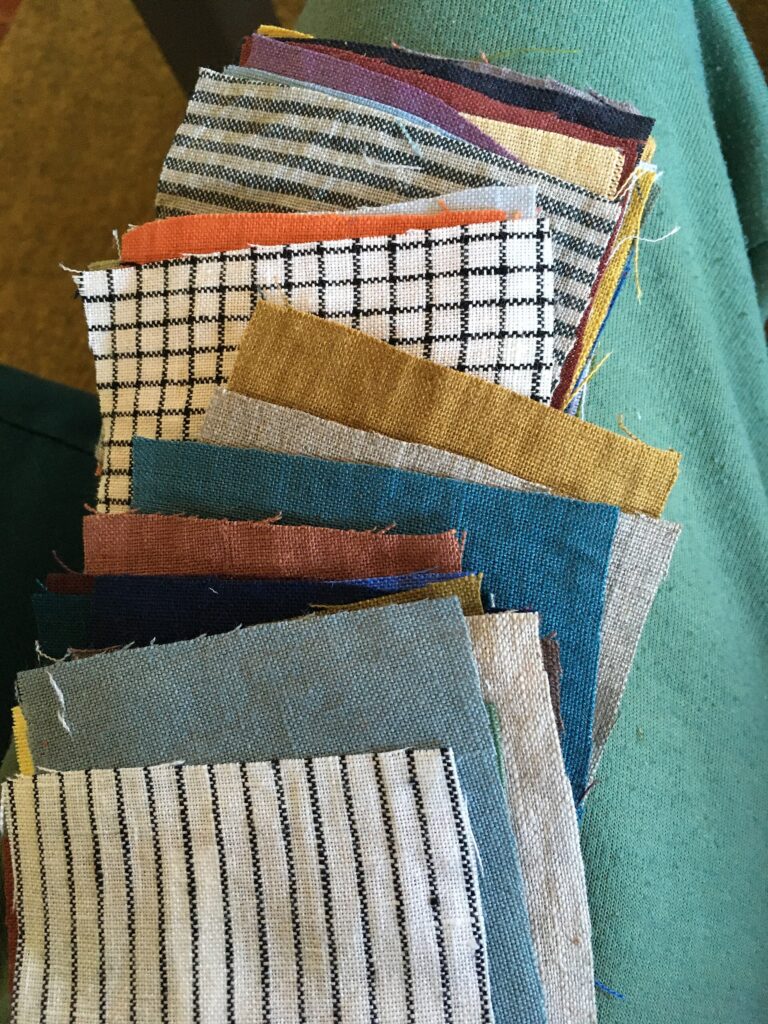

Draw handoffs, including the edges that leave the building
Use boxes for actors or process owners and arrows for a material or semi-finished part moving between them. Label each arrow with a document or control point: approved specification, purchase order, lot label, incoming inspection, process traveler, final inspection or dispatch reference. A simple map for an upholstered chair may read: textile source → cover sewing → assembler; frame material → frame workshop → assembler; fittings source → incoming inspection → assembler; assembler → packer → consolidator. Draw only the steps that are relevant to this item and supportable with evidence.
Do not confuse a business relationship with a physical movement. A trading company may place the order and accept the buyer’s payment while another company makes the chair. The party on the invoice may not be the same as the party controlling a sewing workshop. The published factory-verification guide covers the broader entity and site checks; your chain map should show the particular maker and process owner for each important component. If the assembler will not name an upstream party for commercial reasons, ask what substitute evidence it can provide, such as a redacted purchase and receiving trail, approved supplier list, or independent inspection of the relevant lot.
A component may pass through multiple names. For example, a hardware brand can appear on a sales card while an independent distributor supplies a batch, and the assembler installs it. Record brand, maker where evidenced, distributor and installing party in separate columns. Do not infer the manufacturer from the packaging alone. Product identity is better anchored by model, version, approved sample and receiving reference.



Rank what deserves upstream disclosure
Not every supplier relationship needs equal depth. Score each row with three questions: How hard would a change be to see on the finished item? How severe would a mismatch be for the agreed use? How quickly could the part be replaced without changing the schedule? Use high, medium or low ratings and keep the reason beside them. A visible knob with a documented approved alternative might receive less attention than a concealed structural component or a custom upholstery fabric with a long replenishment time. These are judgment criteria, not a certified risk standard.
For high-priority rows, request a named source or at least a controlled source class, specification, sample reference, receiving check and written substitution approval. For medium-priority rows, a controlled equivalent rule may suffice if the buyer can assess the substitute before use. For low-priority commodity rows, a functional specification and final inspection may be proportionate. The supplier and buyer should agree the actual tier before production, because a generic “same quality” promise gives little guidance when a component is missing.
Check the map against the order timeline. An upstream party that can deliver a correct part eventually may still be a critical path for this order. Ask for planned dates for purchase, incoming acceptance, specialist processing and release into final assembly. Separate material available from material ordered; separate sample approved from production lot received. The production-capacity decision then has to account for the dates of these upstream gates, not only the assembler’s machines.
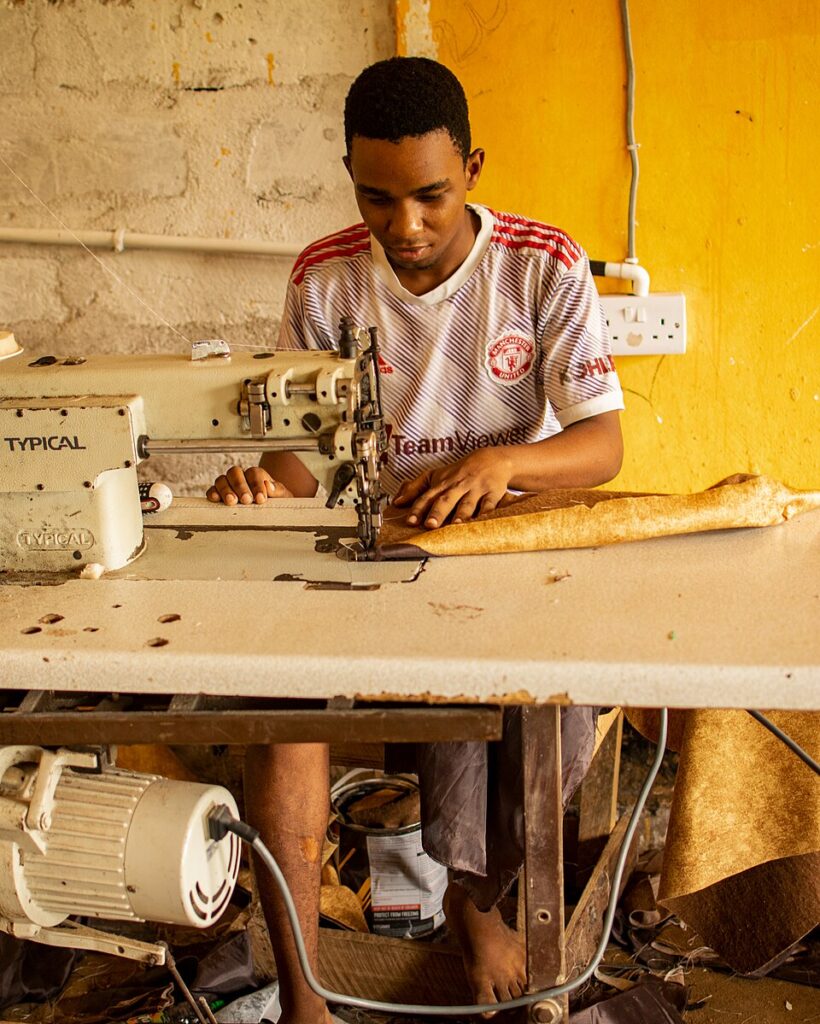

Use a fictional exception to test the map
Imagine an invented 80-chair order with a specified blue woven upholstery and a metal foot. The supplier’s sample is approved under fabric code B-14 and foot drawing M-3. Three weeks later, a sewing subcontractor reports that the B-14 production lot will arrive late. The assembler offers a visually similar blue fabric under code B-14A, while the foot source remains unchanged. Without a chain map, the substitution might be described as a harmless workshop adjustment. With a map, the buyer can see four open questions: who made B-14A, what specifications differ from B-14, whether the approved sample represents it, and who must sign the change before cutting fabric.
The buyer’s decision may be to approve a new sample and revised schedule, retain B-14 and accept a delay, or remove the item. The answer depends on the real contract and product requirements. The example is not a claim about a real Foshan supplier. Its purpose is to make the change authority visible before materials are irreversibly cut or assembled. If the altered material also affects destination-market compliance, obtain a qualified, market-specific check from the applicable primary requirements; this article does not assert that the hypothetical fabrics meet any standard.


Trace the chain through packing and dispatch
Do not stop the map at final assembly. Packaging can be designed by the seller, built by another vendor and applied by a packing team. A consolidated shipment may combine products from multiple makers. Record who owns the packing specification, how item and carton identifiers connect to the purchase order, who checks condition before sealing, and when responsibility passes to the next handling party under the agreed contract. This is a factual handoff map, not a legal conclusion about risk transfer.
A useful packet for one item contains the approved specification, controlled critical inputs, named process owners, incoming references, change approvals, production or inspection record, packing list and dispatch reference. The level of detail should match the order’s risk and practical audit rights. An assembler’s reluctance to reveal every commercial supplier is a negotiation issue; a buyer can still require meaningful input identity and change controls for the features it has paid to specify.
De published Longjiang sofa and upholstery guide gives context for this product family. It does not replace a product-level map; the buyer still needs to know which parties and materials are in the actual purchase order.

Put a release gate on incomplete maps
Before the deposit or production release, label each critical row confirmed, conditionally controlled, or unresolved. “Confirmed” means a named input or process and its evidence trail match the approved specification. “Conditionally controlled” means the buyer accepts a documented equivalent or redacted source under a specific approval rule. “Unresolved” means the input, actor, lot identity or change authority is too unclear to protect the order. Record the owner and date for each unresolved item. Do not use a tidy diagram to hide missing evidence.
During production, test a few critical rows from the current batch: does the received fabric match the approved code, do fittings match the approved version, and can the assembler connect the installed component to a receiving reference? A small sample is a process check, not a guarantee for every unit. If a discrepancy appears, expand the check before releasing the lot. Keep the map updated when a subcontractor, material or packing route changes.
Your next action is to send the assembler an order-specific component and process table, then ask it to identify which critical rows are in-house, purchased or subcontracted and what evidence can be retained for each. The completed map should help the buyer decide whether to approve the sample, production plan and change controls—not simply produce a list of names.


Photo credits and limits
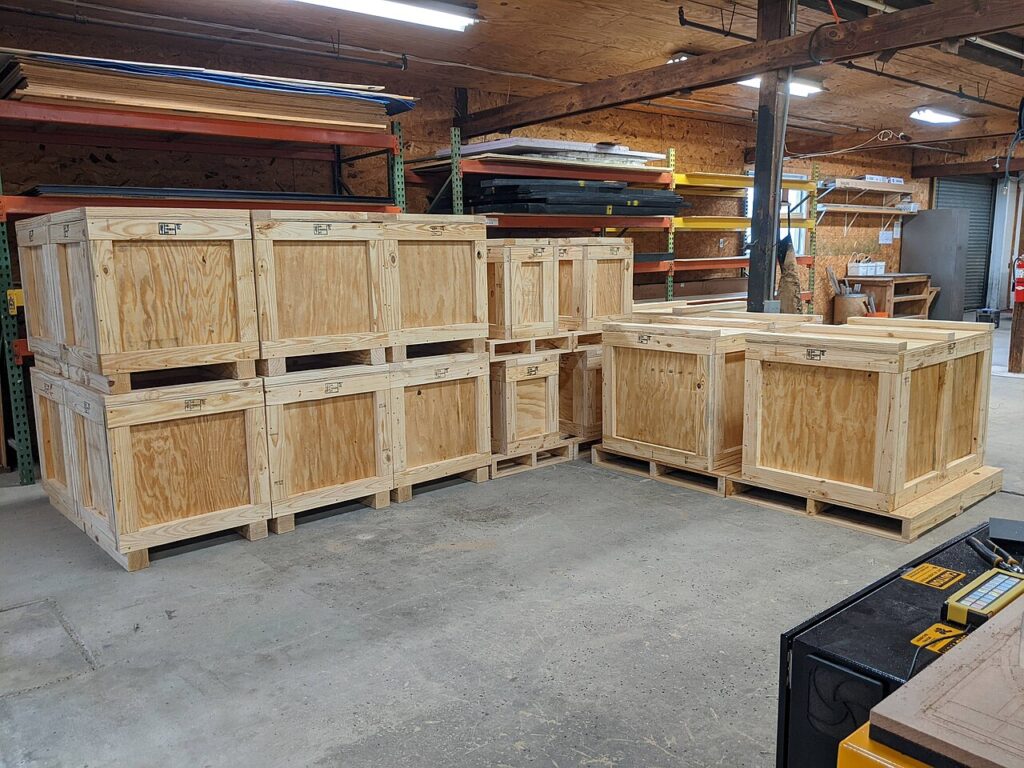
These eight genuine photographs come from eight distinct Wikimedia Commons pages and are unrelated illustrations. Each caption links its photographer and licence. None depicts Source Foshan staff, a verified Foshan supplier, the cited social-media visit or the fictional order. The photo ledger records source pages, licences, article uses, media IDs and file hashes.