Veldnotities
Foshan buying-trip budget: transport, samples and decision time
Budget a Foshan buying trip in three ledgers: cash , usable decision hours and evidence you need to bring home .
The short answer: budget a Foshan buying trip in three ledgers: cash, usable decision hours en evidence you need to bring home. Add transport, lodging, local transfers, interpretation if needed, samples, packing or shipping of samples, and a contingency to the cash ledger. Subtract travel, transfers, meals and breaks from the hours you can actually use to inspect furniture. Reserve a separate block to compare written offers before any deposit. A trip that produces no order can still be useful if it resolves high-risk product questions; an order placed only to “justify” the travel cost can be the most expensive outcome.
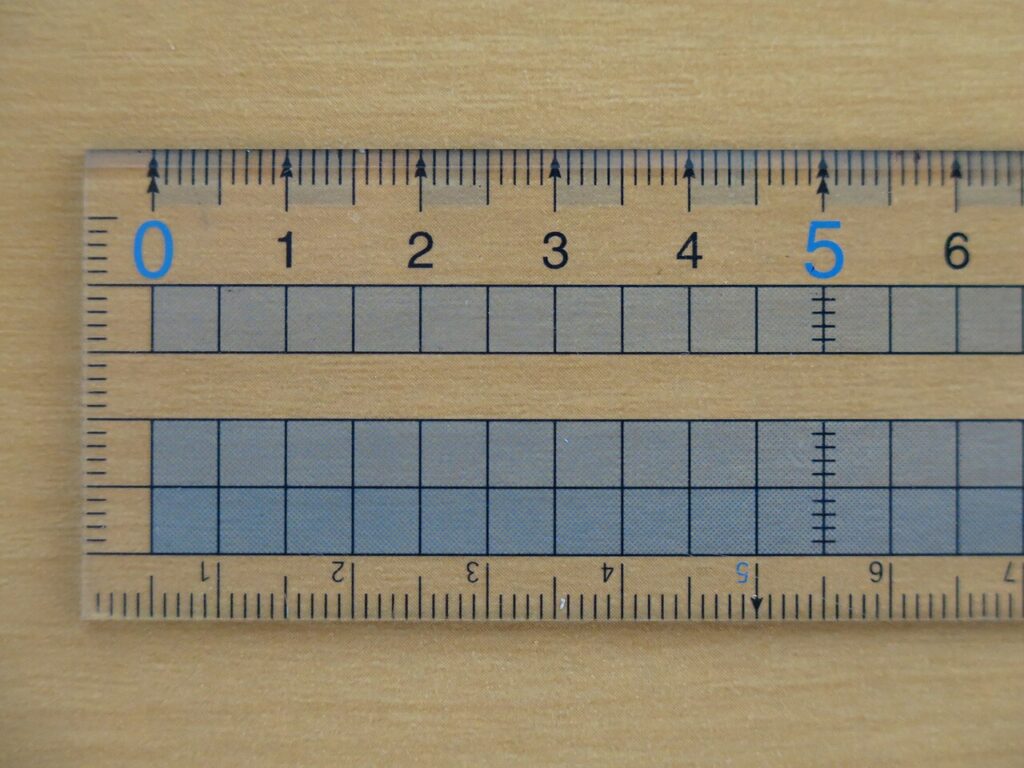
De gids voor de Foshan meubelmarkt describes the buying environment, and the plattegrond van de markt in Lecong helps locate visit areas. Here the decision is financial and operational: what should you fund, what time must be protected, and what evidence makes the visit worthwhile? The eight licensed photographs below are unrelated illustrations. They do not depict a Source Foshan trip, any Foshan hotel, the cited Xiaohongshu buyer or an actual price receipt.

Decide what the trip must change
Start with two or three decisions that cannot be made confidently from remote documents. You might need to sit on three sofas with comparable seat geometry, handle a finish sample in ordinary light, or see whether a cabinet’s doors and drawers work at the proposed size. Write the questions as testable statements: “Can our buyer accept seat height and firmness on model A?” or “Does the proposed veneer appearance match the approved room sample?” If you cannot name an in-person test, consider a video call, mailed sample or third-party inspection before buying a plane ticket.
Define the purchase exposure. A single side table and a whole-home order deserve different travel spending. However, do not use a simplistic percentage of order value as a universal rule. The value of a trip depends on how much uncertainty it removes, the cost of a wrong specification, and what alternative evidence you could obtain remotely. A trip can also confirm that none of the current candidates is suitable. Make “no purchase” a legitimate outcome in your approval plan so travelers do not feel pressure to turn sunk airfare into a deposit.
A first-person Xiaohongshu account about traveling to Foshan for furniture says the author’s family found the visit tiring and ultimately bought nothing. That narrow personal experience is a useful reminder to budget stamina and preserve a no-purchase option. The author’s store rankings, online-versus-local price claims, neighbor’s spending, venue access suggestions and route descriptions are personal or unverified and are not adopted here. The budget framework below is editorial, not a calculation made by that author.
Ledger one: cash actually committed
Separate confirmed, estimated en optional amounts. Confirmed items might be a booked room or ticket. Estimated items might be local cars, meals and extra baggage. Optional items might be a sample purchase, interpreter, extra night or last-minute sample shipment. Keep currency and exchange-rate assumptions visible; a home-currency estimate is not a supplier quote. Avoid adding product deposits to “trip expenses” without a separate purchase-approval decision. A deposit changes commercial risk; it is not a sightseeing cost.
| Cash line | What to record before travel | What can change on site |
|---|---|---|
| Arrival and departure transport | Booked ticket or fare basis, transfer endpoints, traveler count | Rebooking, late arrival and additional local transfer |
| Lodging | Nights, location relative to confirmed appointments, cancellation terms | Extra night or a location change |
| Local mobility | Estimated legs, vehicle needs, parking or driver plan | Traffic, split appointments, sample carrying |
| Language and support | Interpreter or sourcing assistance scope, hours and written fee | Overtime and who records technical questions |
| Monsters | Which material or finish is required, quoted price and refund condition | More variants, packaging, replacement or return |
| Evidence and contingency | Photography permissions, documents, reserve amount | Inspection extension or another candidate visit |
Do not assume a showroom will give away the exact production sample, refund a fee, pack it for international travel or send it to a future consolidator. Ask in writing: who owns the sample, what it costs, which version it represents, whether the charge is credited to an order, who pays to deliver or return it, and what happens if the design changes. The financial answer may differ for a small swatch, a chair prototype or a stone slab. Record the quote and conditions beside the item code.

Ledger two: usable hours, not trip dates
A two-day trip does not contain two full buying days. Build a clock from confirmed arrival and departure times. Deduct hotel check-in, local transport, meals, walking between buildings, calls home, translation and fatigue. Then reserve time for the decisions you came to make. If a high-value meeting needs 75 minutes to inspect and record a sofa, do not compress it to 20 minutes because another store looks close on a map. A crowded schedule can create a large apparent product choice but little comparable evidence.
The trip sheet should name an owner for each decision hour. One person observes comfort and dimensions; another can record model codes, price scope and photographs, if the team permits. A solo buyer can separate these tasks into a product test block and a documentation block. Protect an end-of-day review, even if it means one fewer showroom. Otherwise similar-looking models, claims and chat threads blur together. Set a latest departure from each appointment so an attractive display does not erase the next confirmed sample test.

Consider a fictional one-day schedule with eight hours from first appointment to leaving the market. Three appointments of 70 minutes use 210 minutes; two local transfers of 25 minutes use 50; a meal and rest use 60; item notes and photographs use 75; and a written offer review uses 65. Total: 460 minutes, leaving 20 minutes of buffer. That plan is fragile. If a transfer runs 30 minutes over or one sample is unavailable, the offer review disappears. The buyer should either reduce to two priority appointments, lengthen the day within realistic stamina limits or move the offer review to a separate protected period. Every time in this example is invented, not an actual Lecong journey estimate.
Use the published map to cluster confirmed visits, but never infer current opening hours or unit locations from an old article. Reconfirm exact sites and appointments with each seller. Where mobility needs, heavy samples or language support affect the day, build them into the time plan rather than treating them as “small delays.” A trip budget that ignores walking and recovery can fail even when cash spending stays under its cap.
Ledger three: the evidence you must leave with
List deliverables before travel. For each priority item, require an identifying model or drawing, sample or swatch reference, observed dimensions or comfort notes, seller-issued written quote, unresolved claims, photo permissions and a named next-step owner. Distinguish what you observed on a display from what the seller says production will contain. The published sourcing-report quote comparison guide helps normalize offers later; the travel ledger ensures you collect the right underlying versions and item codes to make that comparison possible.
An observation need not produce a sample that you physically carry home. It may produce a clear video, a finish code, a production drawing or a request for a controlled sample shipped later. Physical samples can be invaluable, but they add costs and custody problems. Tag each with item, variant, supplier, date and approved use. Photograph both sides and any printed code. Ask the seller to state whether it is a reference for color only, material composition, finish process or final production acceptance. A fabric square without a traceable code can become a souvenir rather than evidence.
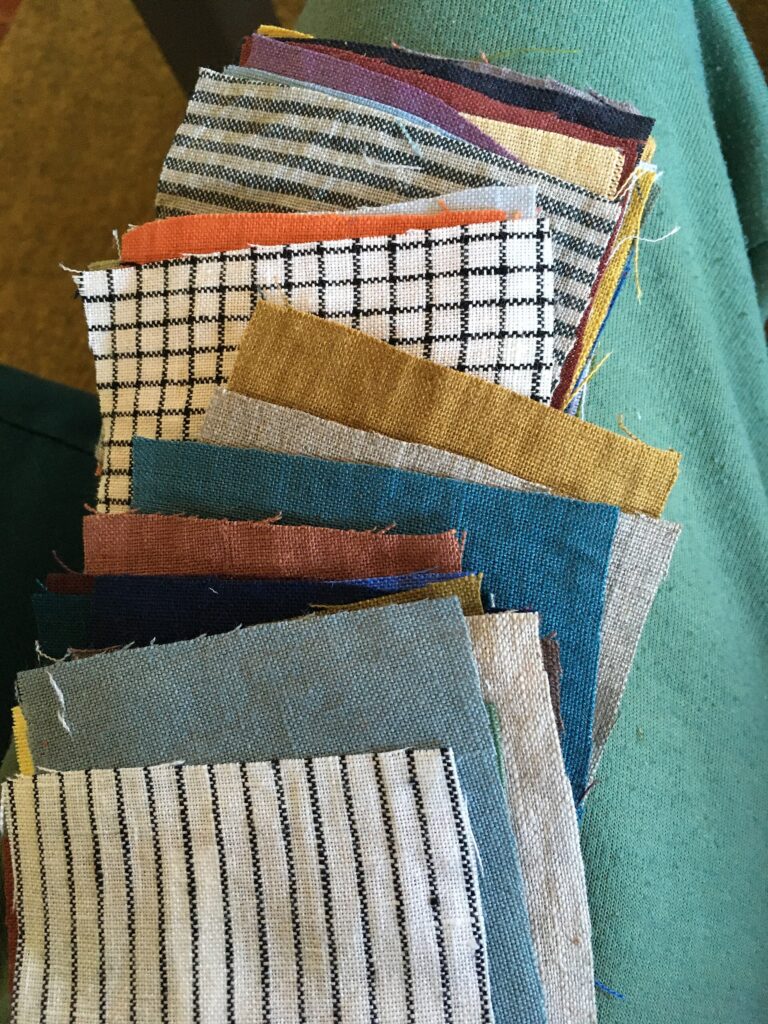

Check packaging and transport for the sample itself. Is it a small swatch that can be protected in a folder, a panel that needs a rigid sleeve, or a bulky mock-up that needs a courier? Record dimensions, mass if available, fragile surfaces, declared value and who arranges shipment. Confirm the applicable airline, courier, customs and destination rules for the actual route with the relevant provider before moving it; do not infer that a furniture sample can travel as ordinary baggage. If the sample will be shipped later, require a shipping reference and custody handoff rather than leaving it untracked in a showroom.

A fictional budget with an approval threshold
Suppose a buyer planning a two-day trip uses illustrative amounts in RMB: arrival/departure transport 1,800, lodging 900, local mobility 500, meals 400, translation support 800, and samples plus sample packing 600. The base cash plan is RMB 5,000. A 20% contingency is RMB 1.000, making a RMB 6,000 trip authorization ceiling. These numbers are made up for the worked example; they are not current market prices or a recommendation. Actual quotes, traveler count, exchange rates, provider terms and destination vary.
Now assign a purpose to that spend. The buyer’s existing remote evidence leaves unresolved comfort on a sofa and finish matching on a table. A visit can test the display samples, but it cannot prove concealed production construction or a future batch without further evidence. If neither test resolves the question, the buyer may still have spent RMB 6,000 rationally by eliminating unsuitable candidates, provided that outcome was allowed in the plan. Conversely, spending a deposit because the trip has already cost RMB 6,000 compounds risk. Keep the trip ceiling and purchase authority in separate approval columns.


Use three trip scenarios rather than one brittle total. Base: planned appointments and samples. Disruption: one missed appointment, extra transfer and rescheduled review. Expansion: an unexpectedly promising product that merits a further sample or day. For each, specify the extra cash, time, decision owner and reason for escalation. Do not let a salesperson decide your expansion budget on the showroom floor. A buyer can request a quote and return later without committing immediately.
Close the trip before opening a purchase order
Within a defined review window, reconcile three things: actual receipts against the cash ledger, actual hours against the schedule, and evidence collected against the decision list. If the needed sample or quote did not materialize, write the missing item and who will obtain it. Label offers as comparable, partially comparable or unresolved. Save sample codes, photos and seller responses under a stable item ID. If multiple people visited, settle contradictory notes while memories are fresh. An empty quote field should remain empty, not be backfilled from memory.

Set a clear release gate: a product can move to negotiation when the in-person question is answered and the seller’s written specification matches what the buyer intends to order. A purchase can be approved only by the person authorized to accept its total scope and risk. Some categories will require later sample approval, production inspection or destination-specific checks; the trip itself is not final verification. If the best conclusion is “none of these three sofas meets our size and comfort limits,” record that as a valid outcome. The next action is to fill the three ledgers for one proposed itinerary, mark which costs and appointments are confirmed, and remove a stop that does not answer a defined purchase question.

Photo credits and limits
Each caption links the photographer, original Wikimedia Commons file page and licence. The eight real, unrelated photographs illustrate lodging, transfers, appointments, swatches, dimensions, arithmetic, records and approval. They are not Source Foshan travel photographs, verified Foshan prices, a named hotel recommendation, the Xiaohongshu trip or evidence of a real sample. Replace provisional photos with permission-cleared project visuals before publication when available.