Feldnotizen
Why a beautiful showroom sample may differ from production
Bridge a showroom furniture sample to production with a versioned specification, equivalence matrix, approved materials and checks on the actual order.

The short answer: a showroom sample can look convincing while leaving the production order undefined. The display may use a different fabric, hardware, frame, finish, size or even maker from the quoted version; lighting and styling can also make a normal material look different. Treat the display as a candidate reference, then create a controlled model-and-version record. Agree what must match, what may vary within a stated tolerance, what may be substituted only with approval, and how the actual production batch will be checked. A photograph of a beautiful sample is useful, but it is not a complete production specification.
Die Foshan-Möbelmarktleitfaden helps orient a buyer among showrooms. The published guide to drawings, samples and sign-offs explains broader custom-furniture approvals. Here the narrow question is: what evidence bridges the object you touch today to the units that arrive months later? The eight genuine licensed photos are unrelated illustrations. They are not Source Foshan project photos or evidence about a named Foshan supplier.

First identify what the display actually represents
Ask the salesperson to name the displayed model, maker if known, dimensions, finish, upholstery grade, hardware, options and date of the display specification. Write down whether the sample is a current production unit, an older version, a prototype, a decorative display, or a modified configuration. If the seller cannot identify it, mark that fact as an open issue rather than naming the product from appearance. Many distinct objects share the same marketing name. The orderable SKU and option codes matter more than a room-set label.
Notice the scope of any quote. A sales sheet may price the base version while the display includes an upgraded top, premium leather or different hinges. Ask the seller to point to each visible upgrade and price the configuration you actually examined. A lower quote for a different version does not demonstrate value. If a partner factory, mall merchant or trading company will fulfil the order, separately confirm who owns the technical specification and who may approve deviations; the showroom’s name alone does not identify the production site.
Record direct observations separately from claims. “Display drawer glides quietly during five openings” is an observation. “Production will use the same runner” is a future commitment needing a component code in the order file. “Solid wood throughout” cannot be established by looking at a finished surface. Ask for a section drawing or material schedule for concealed parts that matter. Treat a sales explanation as a question to document, not as proof of a hidden structure.
Build an equivalence matrix before the deposit
Make one row for each feature that could change the buying decision. Use five columns: display observation, approved production specification, allowed variation, evidence before release und decision owner. For a sofa, rows might cover overall width, seat height and feel, frame material, cushion build, upholstery code, leg finish and modular connectors. For a cabinet, include substrate, veneer or coating, hinge model, drawer runner, edge treatment, hole pattern and installation clearance. An empty specification cell means the feature is not controlled, even if the display photo looks persuasive.
The matrix should distinguish four outcomes. Exact match means the production part must carry the approved code or dimension. Controlled tolerance means a stated range is acceptable; write its unit and measurement method rather than saying “normal tolerance.” Approved alternative means a named substitute can be used only after the buyer agrees to the changed performance, appearance, price and schedule. Unresolved means no order release for that feature yet. These are buyer-defined workflow categories, not claims about any universal furniture standard.
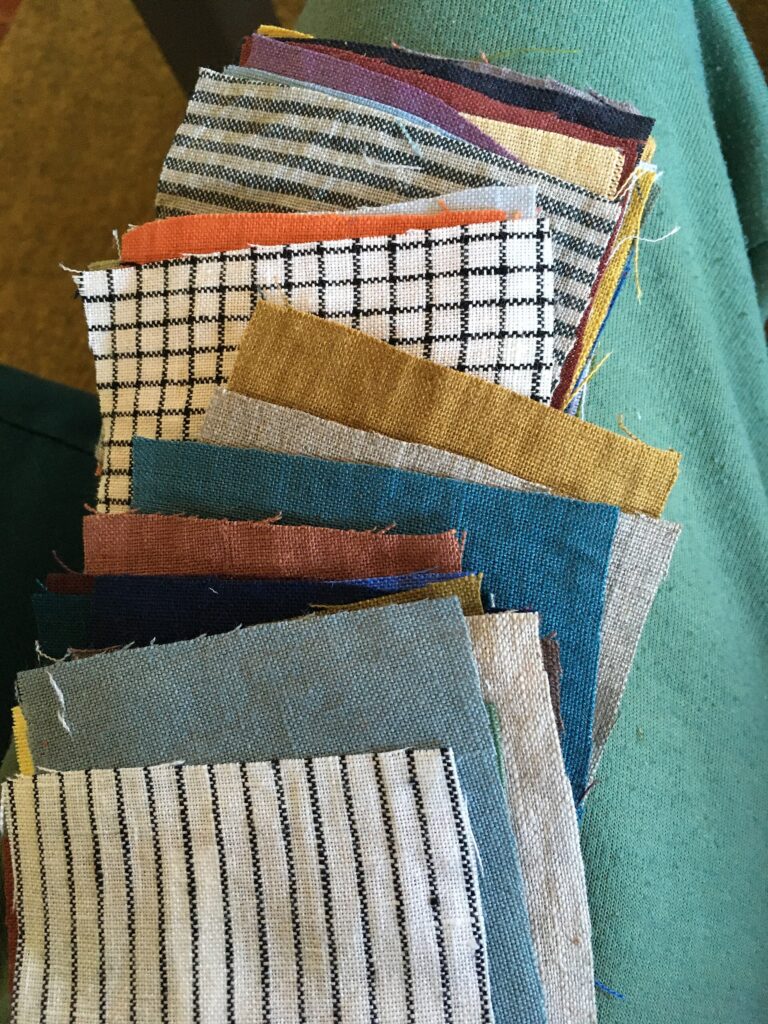

Colour and texture are especially easy to misread. Showroom lighting, polished staging and phone processing can make one finish appear warmer or smoother. Ask for a labelled material or finish sample with a code, and record the viewing condition and what the sample controls. A small swatch may not predict a whole surface’s pattern, grain or seam layout. For a large order, consider a full-size or representative approved panel or upholstery mock-up. Retain the approved physical reference where practicable, or at least dated, attributable images and a written code. If the seller offers a “close equivalent,” compare an actual candidate sample rather than approving a phrase.
Component names need the same discipline. An attractive cabinet door may use one hinge on display while the quote simply says “soft-close hardware.” That description leaves several performance and serviceability choices open. Record the maker/model code or a functionally defined, testable alternative, the quantity per door, and where the mark can be checked on production units. A brand name alone is insufficient if the exact series, opening angle or mounting plate differs. Do not rely on a social post’s authentication tips as a substitute for the component maker’s current documentation.
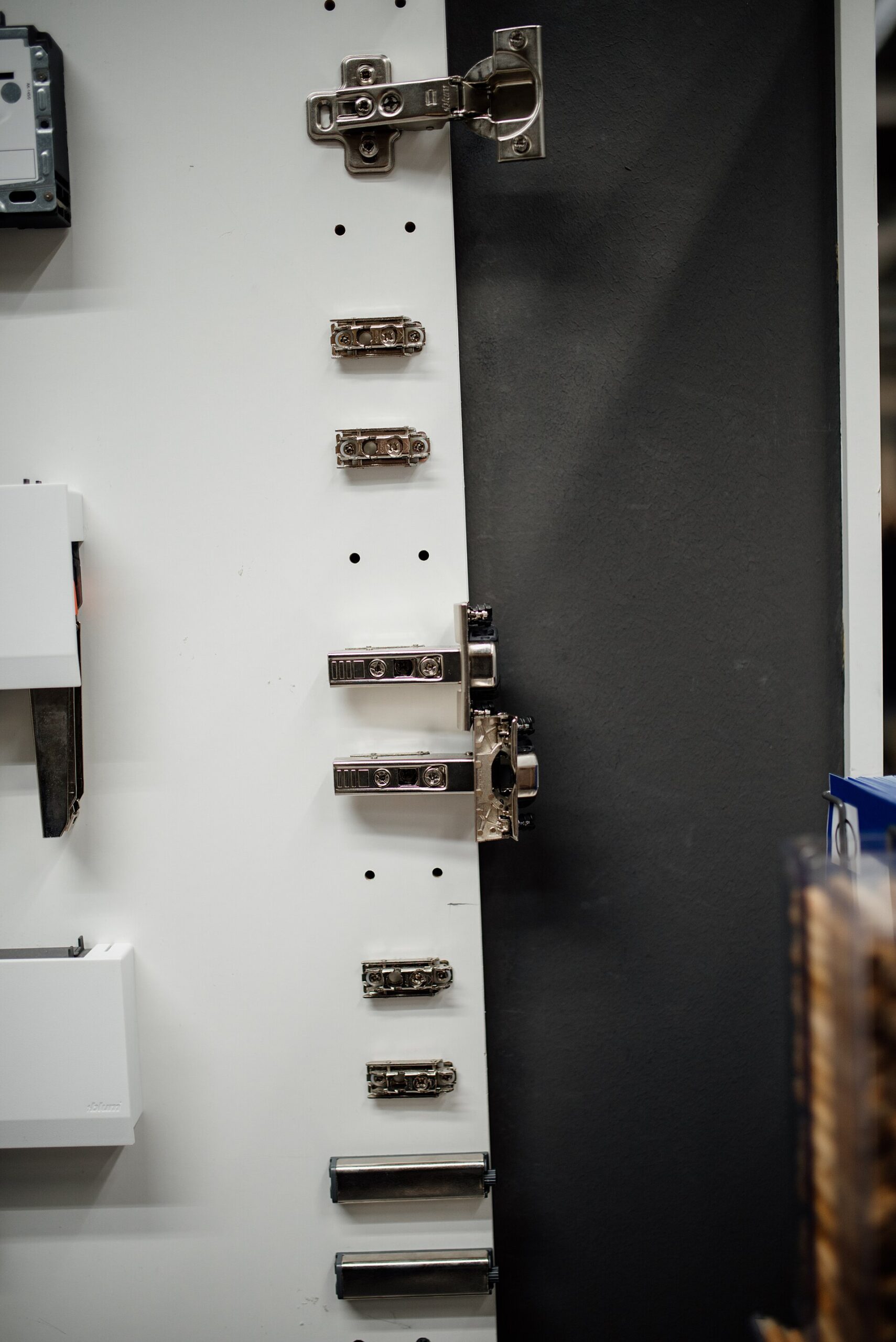

A first-person Xiaohongshu cabinet buyer account reports that, after installation, the author noticed different closing feel between cabinet doors and then found a mix of hinge types. That is the author’s reported experience, not independently verified evidence about the named brands, factory or any Foshan seller. It illustrates one narrow failure mode: a visible display and a generic “brand hardware” promise do not define what must appear in every delivered unit. The post also makes legal, technical and product-lifetime claims; this article does not use them as facts.
Control the handoff from sales to production
A production team cannot build reliably from a casual phone gallery. Turn the equivalence matrix into a versioned reference pack: model/variant code, dimension drawing, material schedule, finish sample code, hardware schedule, approved photos, quantities, revision date and named approver. Give each page the same revision identifier, for example S04-R2. The seller should confirm which revision is attached to the purchase order and which person at the actual producer has accepted it. If the maker proposes an alternative because a material is unavailable, issue a change request showing what changes and what stays the same.
This step does not assume dishonesty. Some variation is normal when a hand-made texture, natural wood grain or upholstered seam is involved. The buyer’s job is to define the acceptable envelope and its evidence. Do not promise an impossible photographic clone of natural material. At the same time, “handmade variation” should not excuse a changed dimension, missing component or substituted grade if the agreement controlled those features. If appearance is critical, write where on the item it matters and how the buyer will compare it.


Ask what evidence can be obtained while correction is still possible: a first completed unit, a finish panel, a pre-upholstery frame view, hardware package labels, or a measurement sheet. A factory photograph without an item code or production-order reference may depict some other unit. A mid-production check should tie image, date, item code and exact feature to the approved revision. It need not become a theatrical video tour; a small set of attributable records is more useful than a montage with no part numbers.
Choose measurements and tests that can be repeated
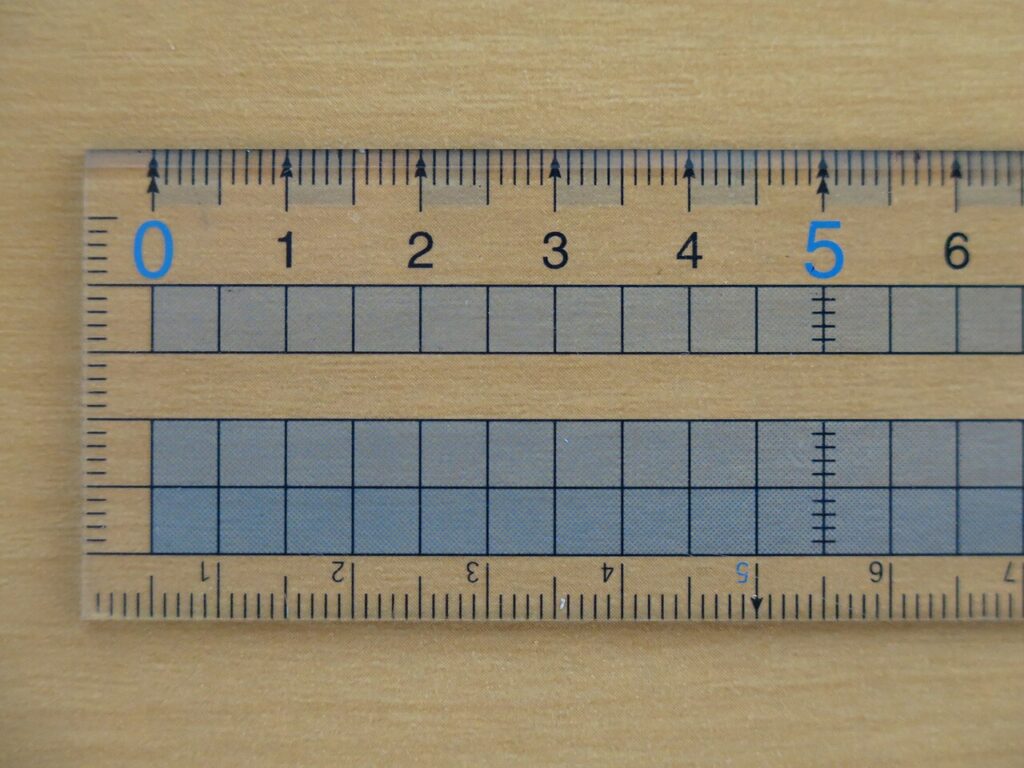
For every critical dimension, specify the datum. A sofa’s overall width across arms differs from clear seat width; a cabinet’s external height differs from opening clearance. Note whether the measurement includes feet, trim or handles, and whether the item is assembled. If a tolerable range is needed, negotiate it before production; do not invent a universal “industry tolerance” after an item misses its target. For sit comfort or drawer action, define a repeatable check and its limits. One person’s showroom impression is subjective, and repeated use may alter a display piece over time.

Visual acceptance also benefits from neutral language. A scratch, uneven seam, colour variation or loose joint should be recorded with item ID, location, scale, viewing condition and the proposed correction. Do not turn one blemish on a display into an unsupported claim that a supplier’s whole batch is defective. Conversely, a spotless display does not prove a batch will be spotless. Write which issues require correction before packing, which can be repaired on site and which require buyer approval of a deviation. The threshold should reflect the intended use, not the photography angle.


A fictional mismatch and the release decision
Imagine a buyer shortlists 24 cabinet units displayed as C7. The display has finish F4 and hinge H2; the salesperson’s first quote says C7-standard with finish F3 and generic “soft-close hinges.” These codes and quantities are fictional teaching values. The buyer should not describe the quote as “the same cabinet at a lower price.” The equivalence matrix exposes two unresolved rows: finish and hardware. The seller may offer F4/H2 at a different cost or propose a documented alternative, but the buyer must approve the actual variant and its evidence.
Suppose the buyer approves C7-F4-H2-R2. A first-unit check confirms the visible finish and hinge mark on one cabinet. That is progress, but it does not automatically verify all 24. Set a final inspection plan appropriate to the order: identify the sampled units or check every critical component if practical, record exceptions, and compare the result to R2. The published furniture inspection report guide shows how to question an inspection line rather than simply accept a “pass” summary. If the final report says some units carry H3, hold release until the seller shows that H3 was an approved substitute or corrects the discrepancy. Do not silently update the specification to match what arrived.
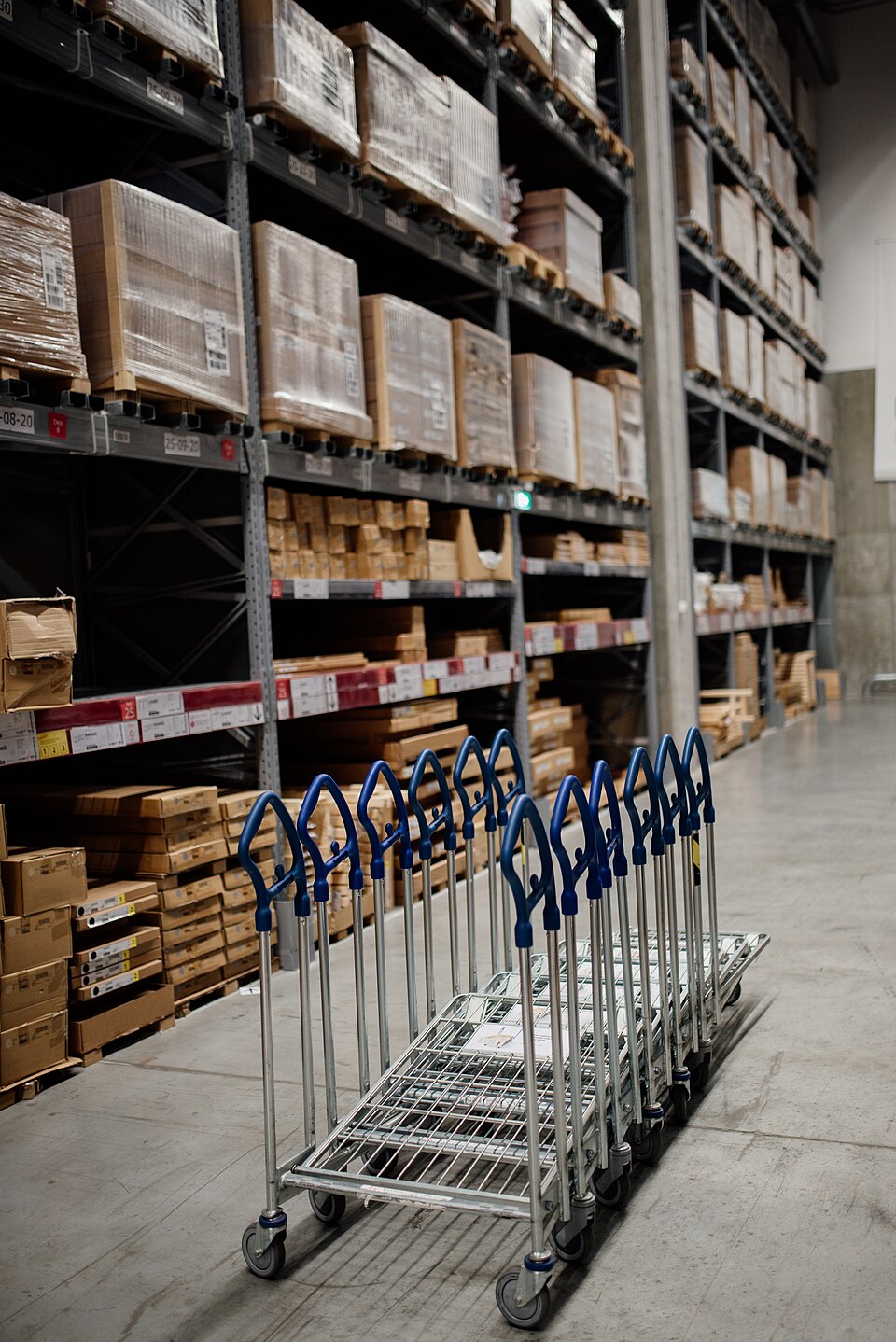

Use three explicit gates: pre-order reference approval, first-unit or material checkpoint where warranted, und final batch comparison before balance release or dispatch. For each, state who signs, what version they saw, and what remains open. A failed gate should create an exception with owner and due date, not a vague reassurance. If a change affects price, packing or shipment timing, revise those documents too. The matrix remains the bridge between the beautiful object in the showroom and the production contract.
The next action is to return to your shortlisted item’s photo set and mark every feature you would be upset to see changed. Ask the seller to fill the corresponding production-specification cells, approve a dated revision, and agree how each feature will be evidenced on the actual order. Only then can the display sample serve as a reliable reference rather than an attractive memory.


Photo credits and limits
Each caption links the photographer, original Wikimedia Commons page and licence. The eight genuine, unrelated photos illustrate a styled display, swatches, hardware, workshop, ruler, surface issue, warehouse and signed paper. None depicts a Source Foshan project, the Xiaohongshu author’s cabinet, a Foshan supplier, the fictional 24-unit order or a verified batch. Replace provisional illustrations with permission-cleared reference and production photos before publication where available.