Feldnotizen
What to do after a Foshan furniture market visit
Reconstruct a Foshan furniture market visit with item IDs, evidence states and seller clarifications, then compare written offers before releasing an order.
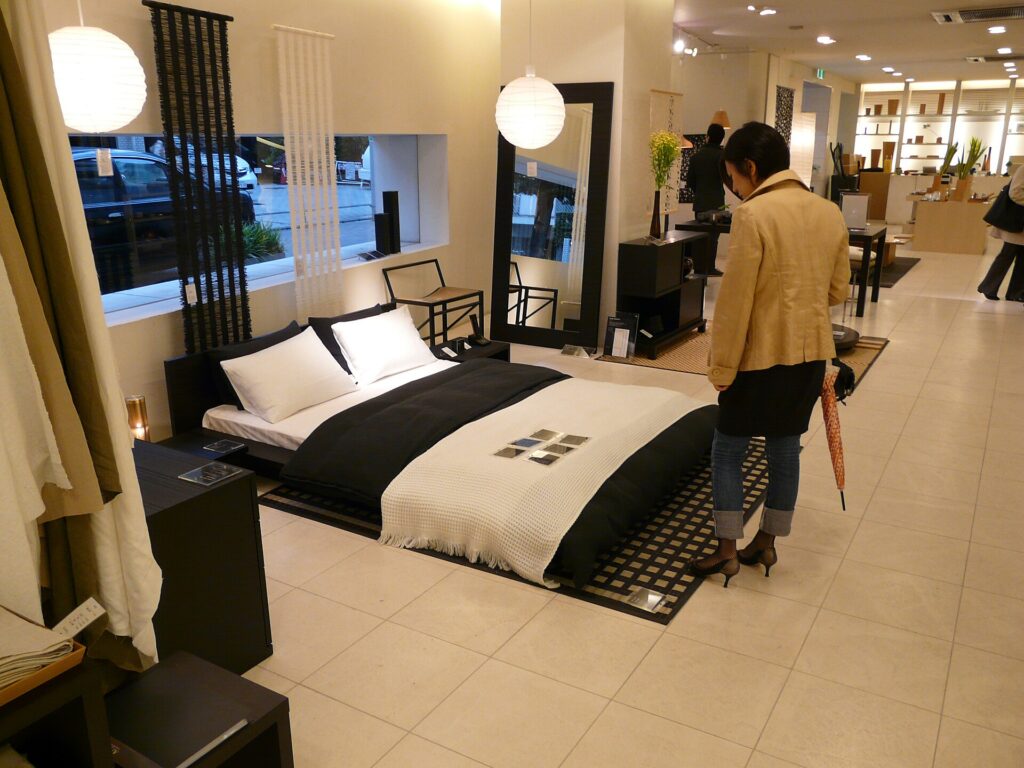
The short answer: after a Foshan furniture market visit, do not order from memory or from a phone gallery. Within a practical 48-hour buyer-created review window, group every photo, card, measurement and message by seller and item; mark what you observed, what a seller claimed and what remains undocumented. Reduce the visit to a small shortlist, send model-specific clarification and quote requests, then check the people and production route behind the preferred offer. Approve the exact specification, scope and evidence gates before paying or releasing production. The 48-hour window is a workflow target, not a market rule.
Die Foshan-Möbelmarktleitfaden helps with venue planning. Once the trip ends, the problem changes: attractive displays and informal conversations must become an attributable purchase record. This guide starts when the photos and notes return with the buyer. The eight licensed photos here are unrelated illustrations, not Source Foshan visit photos or evidence about a specific seller.

First, preserve the raw record and reconstruct each stop
Copy original photos and files into a dated folder before editing captions or deleting duplicates. Keep source filenames or capture times as a recoverable trail. Build a stop list with building, floor, booth or shop, contact, approximate visit time and candidates discussed. Use a stop code such as FS-D2-04 and an item suffix such as S03. Rename working copies with these codes, while retaining the original files. A nice sofa photo with no attributable booth or model should not become a purchase candidate merely because it is memorable.
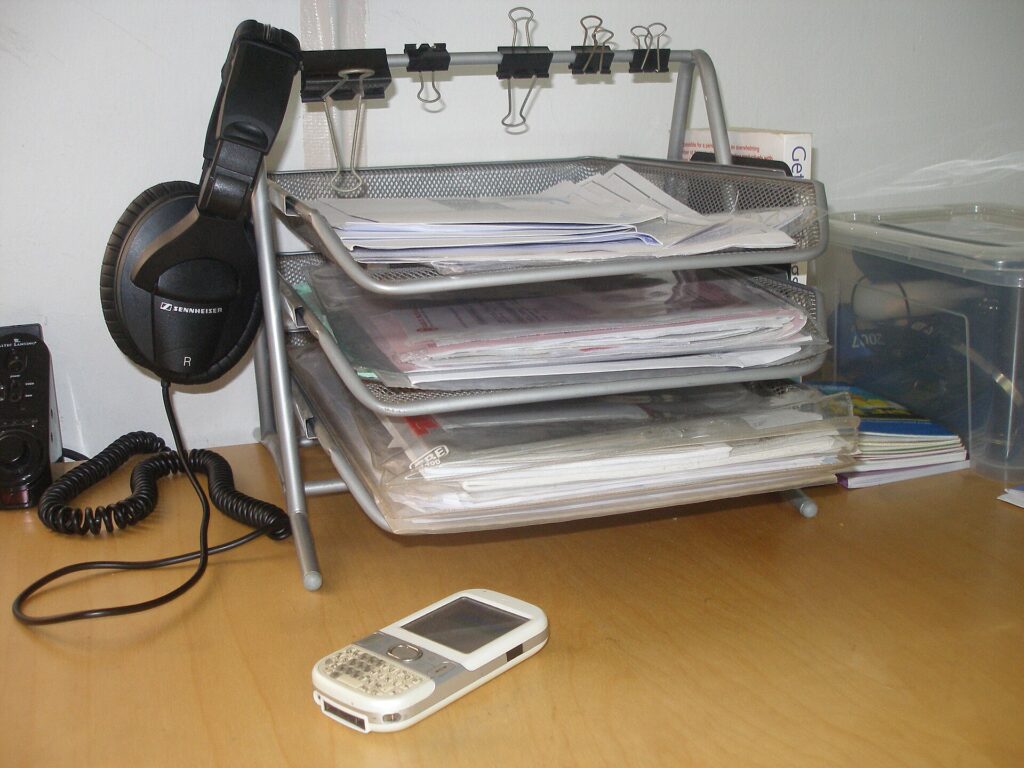
For each candidate, attach a whole-item image, model label if available, dimensions, material or finish code, price note, written offer, seller contact and open questions. Keep a blank field where evidence is missing. If two similar pieces were photographed in adjoining booths, do not merge them; use separate provisional records and ask the sellers to confirm identity. If a salesperson sent photos after the trip, label those as seller-provided images, not photos of what you personally examined.

A first-person Xiaohongshu cabinet buyer account says the author took a detailed question list while visiting sellers, then revised the list after returning because many details affected comparison. That reported post-visit revision is a useful process signal. The note concerns cabinetry and does not establish a Foshan market practice, current price, technical standard or legal payment term. Its product and contract advice is not adopted as authority here. The buyer’s revised checklist is a reminder to write down newly discovered gaps, not a reason to assume every store omits the same facts.
Use a candidate evidence ladder
Give every item one of four states. Seen: you saw and recorded the display but have no orderable specification. Attributable: the model, seller and configuration are identified, with a written product sheet or reply. Comparable: a dated quote names the same configuration, quantity, delivery and packing scope as alternatives. Approvable: specification, supplier/fulfilment identity, evidence checkpoints and commercial terms have been reviewed by the decision owner. Do not call an item approved because it is beautiful, because a salesperson promised a discount or because it has the most photos.
This ladder helps prioritise follow-up. A seen item may need just a model code. An attributable one may need exact dimensions or a material sample. A comparable one may need a supplier verification result or pre-production drawing. Not every candidate should be pushed to approvable; eliminate items that miss hard requirements early. Record one reason per rejection so the team does not reopen it when a new promotional message arrives.
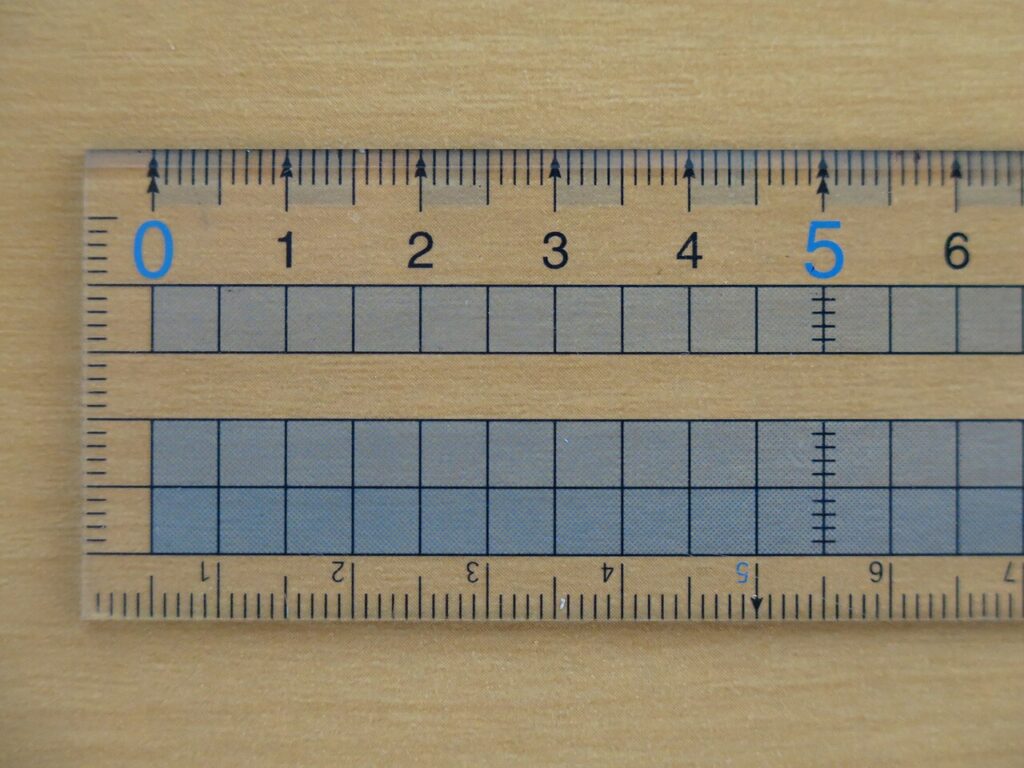
Material identity deserves its own question. “Cream fabric” may describe a displayed appearance, while the order requires a manufacturer or seller-approved code, composition and sample reference. Keep any physical swatch labelled with seller and item. If the proposed quote changes the finish, mark it as a variant and ask whether price, lead time and maintenance change too. The same applies to wood species, coating, upholstery grade, hardware and leg finish. Do not treat a sample card from one booth as evidence for another booth’s item.


Ask missing questions in one attributable thread per seller
Send each seller a concise written recap keyed to its stop and item codes. For example: “For FS-D2-04/S03, please confirm the display model, 2,100 mm overall width measured at the outside arms, fabric code, frame description, three-unit quantity, export packing method, carton count, gross dimensions, quote currency and validity.” The measurement in this example is a fictional teaching value. Ask the seller to correct any incorrect observation rather than silently accepting your note. Keep the reply in the same thread and save documents in the candidate folder.
The requested answer should distinguish the displayed configuration from the production proposal. If the seller replies with another model code, create a new variant row. If the quote says only “same as showroom,” ask for the actual drawing or specification. If a vital dimension was not measured, do not invent it from a photo. Request a dimension drawing and state any site access limit, such as a doorway or lift, that must be checked. A buyer may still need an on-site measurement, but the unresolved field should stay visible until someone owns it.

Use a follow-up register with five columns: question, candidate, requested evidence, owner und due date/status. Assign a person, not “supplier,” to chase each item. If a reply is partial, close only the answered part. A seller’s verbal statement should remain labelled as a statement until supported by a named product sheet, sample, drawing or appropriate later inspection. This prevents a copied chat excerpt from becoming an unqualified claim in the purchase order.
Compare scope before comparing prices
Once two or three candidates have attributable written offers, make a common comparison grid. Match model and variant, size, finish, quantity, unit price and currency, packing, delivery point, handling, payment milestone, validity and exclusions. The published sourcing report and quote comparison guide shows a fuller reporting approach. A mall price for a display unit, a made-to-order quote and a door-delivered package are different scopes. Label each as such before computing a rank.


Here is a fictional example. The buyer returns with dining-chair candidates A, B und C. A is attractive and has a spoken unit price of RMB 1,100 but no written model or packing; it is only seen. B has a dated RMB 1,240 written price, named fabric, four-chair carton and seller identity; it may be comparable after delivery scope is clarified. C is RMB 1,180 in writing, but its seat height differs from the project brief and the seller proposes another leg. All amounts and specifications are invented teaching values. Ranking them simply as 1,100, 1,180, 1,240 would reward missing information. Ask for the exact A quote, verify B’s scope and test C’s revised dimension; only then compare true alternatives.
Do not let the grid hide hard failures. If the lift will not take an assembled table and the seller will not provide a safely designed knock-down version, a slightly lower price does not fix the access problem. If a material is a project requirement, mark an unverified substitute as a hold. For every candidate, record shortlist, hold for evidence oder reject with a reason. The aim is a defensible decision, not a cosmetic score that makes every option look equally viable.
Check the supply path before paying a deposit
A market booth can be a seller, showroom, distributor, agent or producer; the display alone does not prove which. Ask who will issue the invoice, who will manufacture or source the specified version, who will pack it, and who will honour correction requests. Seek company identity and a written production/fulfilment path. The public guide to Überprüfen einer chinesischen Möbelfabrik describes a deeper verification workflow. Do not infer that a pleasant showroom visit has performed those checks.


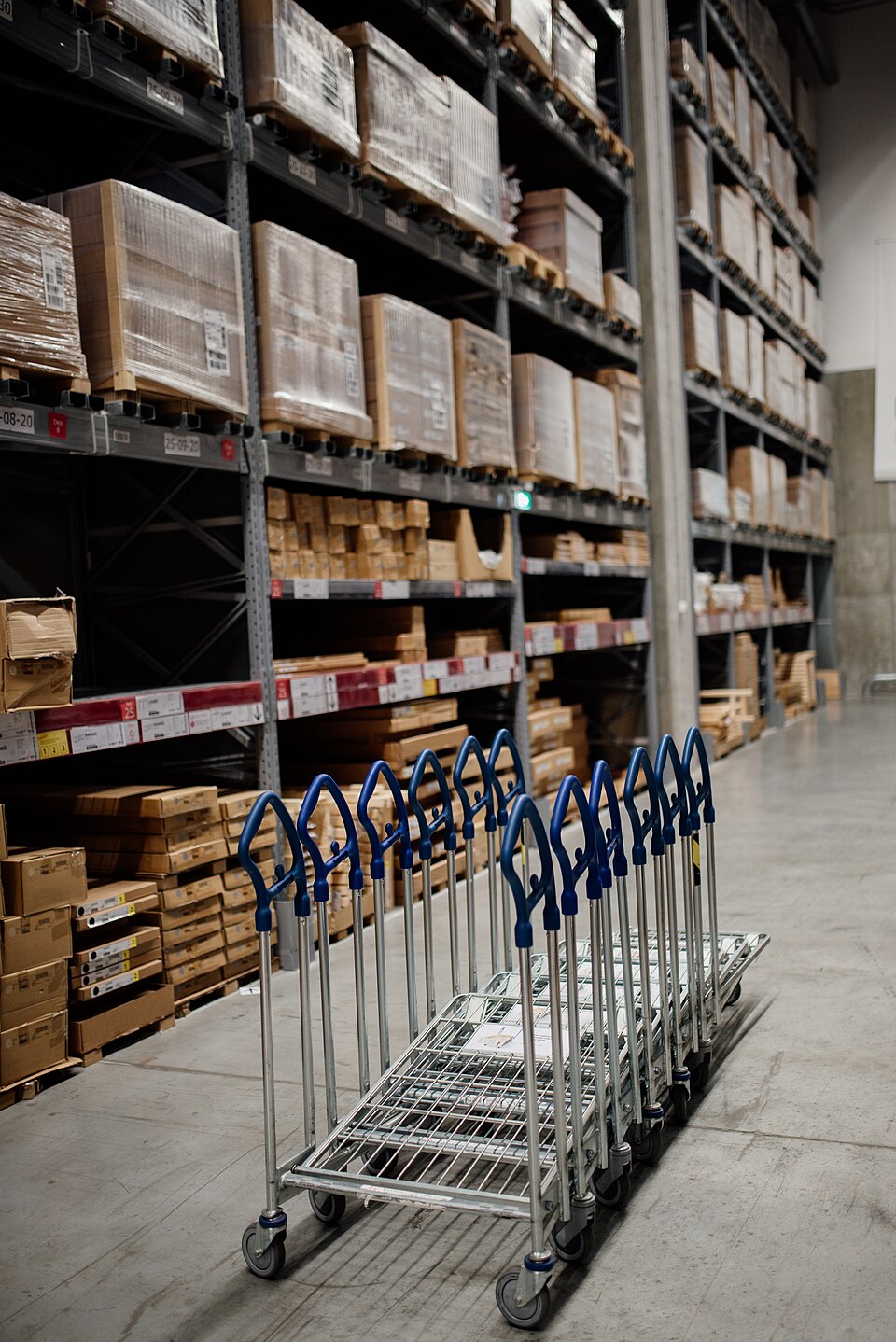
Map the handoffs: seller to producer, producer to warehouse, warehouse to carrier, and carrier to final receiver. Attach a named party and evidence requirement at each handoff. If a consolidation warehouse will open and repack, decide who authorises that action. If the seller quotes a delivered service, ask for the transport and destination inclusions explicitly. The owner of a claim should be able to produce an actual document, not only a reassuring photo of an unrelated warehouse.

Convene a decision review, then issue a controlled brief
Set a review meeting after the reconstruction and seller replies, not on the exhausted evening of the final mall day. Bring the candidate grid, missing-evidence register, physical samples if any, and the decision owner’s brief. For each finalist, ask: Does it fit the room and access route? Which displayed details are binding? Which claims are still seller-only? Is the quote scope comparable? Who actually fulfils the order? What inspection or sample gate is needed before money or production is released? Write the outcome and its conditions.
When one candidate advances, issue an approved purchase brief with model/variant, revision, drawings, dimensions, material codes, quantity, price scope, packing, delivery point, milestones and exception procedure. Preserve earlier versions. If a seller later suggests a different finish or manufacturer, evaluate and approve that change rather than overwriting the original record. A clear no order released notation is useful while a candidate remains on hold; an enthusiastic follow-up message should not be mistaken for purchase authorisation.
The next action is to run the reconstruction sprint on your latest visit: make one row per candidate, assign evidence states, send the missing-question threads, and eliminate hard failures. Do not use a payment deadline or an expiring verbal discount to skip the identity, specification and scope gates. The trip becomes valuable when its observations can survive the handoff to a written order and a later production check.


Photo credits and limits
Each image caption links its photographer, original Wikimedia Commons page and licence. The eight genuine, unrelated photos illustrate a showroom, document intake, swatches, measurement, cost comparison, approval, warehouse and later loading milestone. They do not depict Source Foshan staff, a Foshan seller, the fictional chair comparison, a client order or a verified shipment. Replace provisional illustrations with permission-cleared photos from the actual buyer record before publication when available.