Feldnotizen
How to request export packing while you are still in the showroom
Ask a Foshan showroom for seven written export-packing fields covering the exact item, route, protection, carton dimensions, raw wood and responsibility.
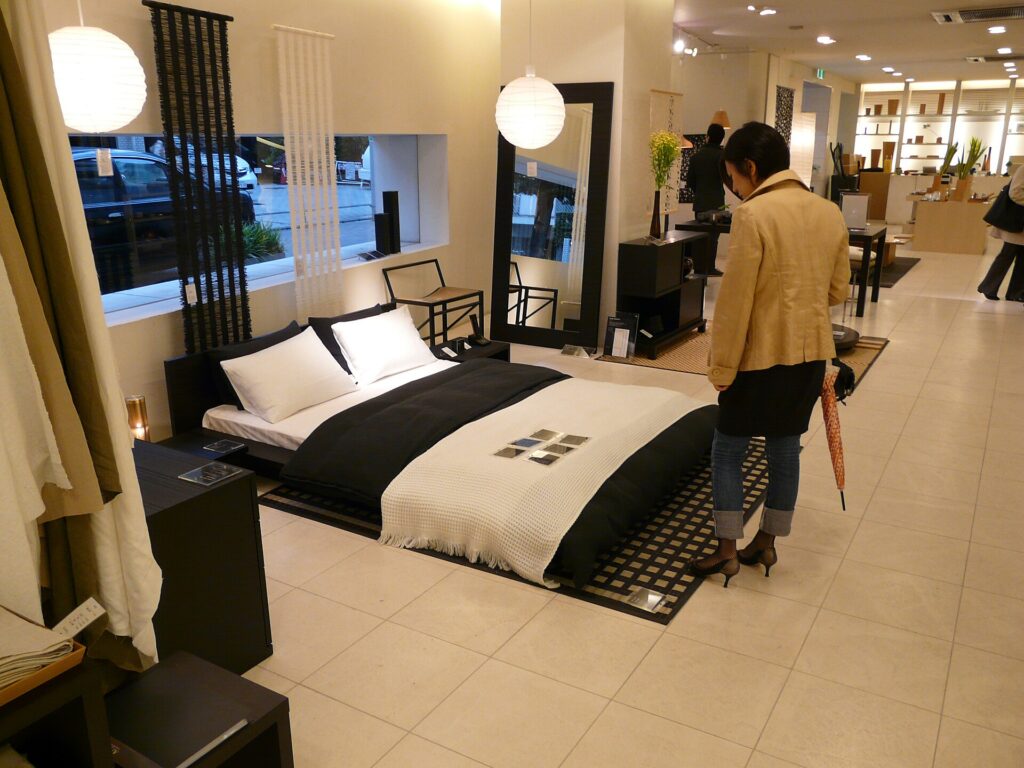
The short answer: while the displayed item and salesperson are still in front of you, ask for a packing annex tied to the exact model and destination. State the expected transport path, handling points and delivery access. Request the packing layers, disassembly plan, carton count and dimensions, treatment or marking evidence for any regulated raw-wood packaging, who pays for packing and repacking, and what photographs or inspection records will prove the agreed method was used. Do not approve an offer that only says “export standard packing.” That phrase is not a measurable specification.
Die Foshan-Möbelmarktleitfaden helps you plan the visit. The existing export-packing guide explains cartons, frames, crates and cost responsibility in broader terms. This guide narrows the decision to a showroom moment: how to ask, what to get in writing, and when a buyer can reasonably release the order. The eight licensed photos are unrelated illustrations. They do not show a Source Foshan project, a Foshan supplier’s packing process or a customer shipment.

Begin with the exact item and route
Give the display item a unique code, for example FS-04/S03. Record the model, dimensions, finish, quantity and which components are attached or removable. Ask whether the quoted production piece will match the display in construction and sectional layout. A salesperson cannot design appropriate protection for “the sofa we liked”; they need to know whether the order is one fixed sofa, three modules, loose cushions and separate legs, or a modified production variant. If the variant changes later, revise the packing annex along with the product specification.
Tell the seller the expected route without pretending it is final: factory to consolidation warehouse, warehouse to ocean container, port, destination warehouse and last-mile delivery, for example. Identify any known rehandling, LCL consolidation, storage, open-carton inspection, lift or stair constraint. The packer may need to protect against compression, abrasion, moisture and handling damage at multiple handoffs. The U.S. International Trade Administration’s export packing guidance identifies breakage, moisture, pilferage and excess weight as practical design concerns. It is broad guidance, not a product-specific pass certificate. Ask the supplier or a competent packer to propose a method for your item and route rather than copying a generic crate design from a blog.
Ask the seller who physically packs the goods. It may be the factory, a mall seller’s contractor, a freight forwarder or a consolidation warehouse. Do not assume the showroom is the manufacturer. Record the named packing party and the party that will inspect the sealed cartons. If the warehouse later opens a carton for inspection, decide in advance who may reseal it, who photographs the new pack, and who pays if the original method is disturbed.
Ask seven questions and request seven written fields
Use the questions below as a conversation, then ask for their answers in one dated annex keyed to FS-04/S03.
- What is being packed? List the model, variant, quantity, detachable components and accessories. A carton count without an item list can hide a missing leg set or hardware bag.
- How is each vulnerable surface protected? Identify direct-contact wrap, corner/edge guards, cushioning, abrasion barriers, moisture control and any void fill. Avoid asking only for “more layers”; a poorly located hard brace can itself mark furniture.
- What is the outer package? Specify carton, frame, crate or pallet as applicable, plus closure, lifting and stacking constraints. A fragile label is a communication aid, not a structural substitute.
- What are the packed dimensions and weights? Request carton-by-carton length, width, height, gross weight and units, with tolerance or a clear “to be confirmed after final pack” status. A showroom object’s size is not the packed size.
- Which wood-packaging check applies? Identify whether any pallet, dunnage, frame or crate uses raw wood. Obtain the proposed material and compliance evidence appropriate to the destination before shipment, rather than applying a mark to the furniture itself.
- Who performs and pays for each step? Name the original packer, any consolidation repacker, inspection witness and cost owner for changes. Show the packing charge and whether it is inside the item quote.
- What proves completion? Request pre-close photos of vulnerable points, carton-open contents, sealed package, marks and carton labels, followed by a carton list matched to the purchase order. Agree what an inspector may open and how the evidence will be retained.
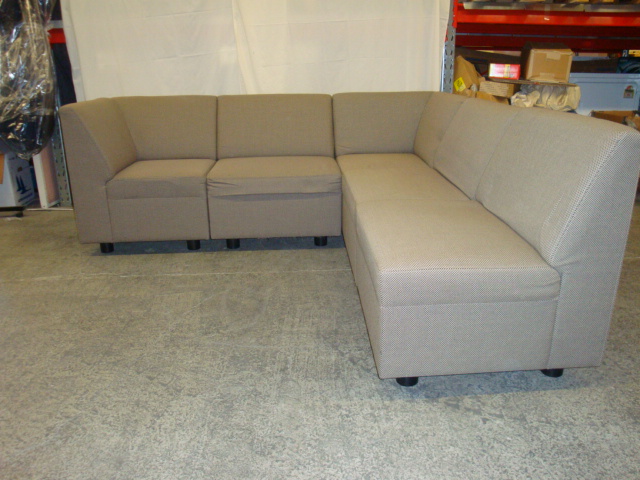

The seven fields need not form a long contract, but they must be specific enough to check. A useful line is: S03: three modules + loose cushions + four removable feet; three primary cartons and one labelled hardware bag; corners protected before outer carton; final carton dimensions/weights provided before balance release; factory packs, warehouse photographs receipt, repacking only after buyer approval. This is an illustrative request format, not a claimed industry standard or a promise that this construction suits every sofa. The seller should propose the actual method and a qualified logistics party should challenge it for the route.


Separate product protection from transport logistics
Showroom sellers may speak of “shipping” as one service, but the product pack, warehouse handling, container loading and destination delivery are different scopes. Ask whether the quote includes only factory carton packing or also a wood frame, palletisation, warehouse repacking, loading materials and disposal at destination. If a consolidator will combine multiple suppliers’ orders, ask for the warehouse’s acceptance criteria and whether supplier packaging can be opened or replaced. The Foshan consolidation warehouse guide gives context for that separate receiving and repacking leg.
The package must make the item’s weakest points visible in the specification. For a sofa, ask how arms, corners, feet, metal fittings, fabric and loose cushions are isolated. For a glass-top table, ask how the glass is separated from the base, restrained and identified. For a stone surface, a generic sofa carton is unlikely to be an adequate method; a relevant specialist should design the support. State the damage modes you want to prevent, then request the seller’s proposed protection and evidence. A photograph of a sample carton is useful only if it is the proposed specification for your named item or is clearly labelled an illustration.
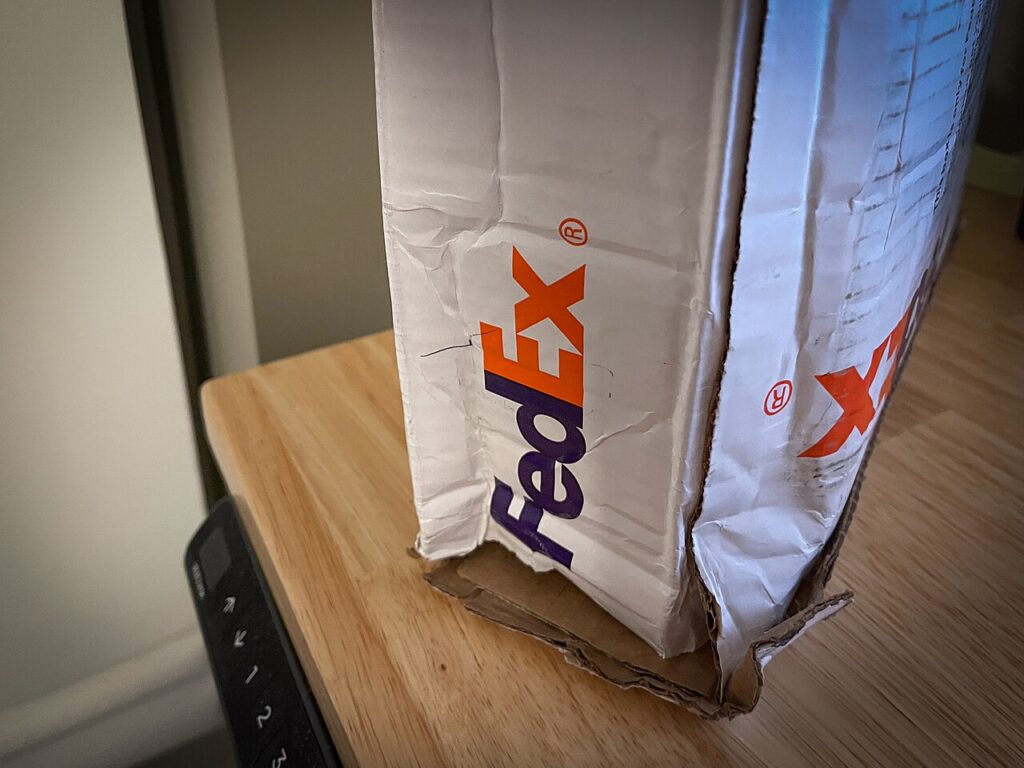

A first-person Xiaohongshu account by a furniture buyer describes receiving multiple damaged items after an overseas move and later says the dispute involved both unloading and product-quality issues. The buyer reports having paid for extra wooden framing, yet still found damage. This is a narrow reminder that a packing label or add-on fee does not prove adequate protection or identify the cause of damage. It is one unverified account; the post does not establish the carrier’s responsibility, a failure rate, or the best pack design. Its later account of remedies is not used as a commercial norm.


Treat raw-wood packaging as a distinct compliance question
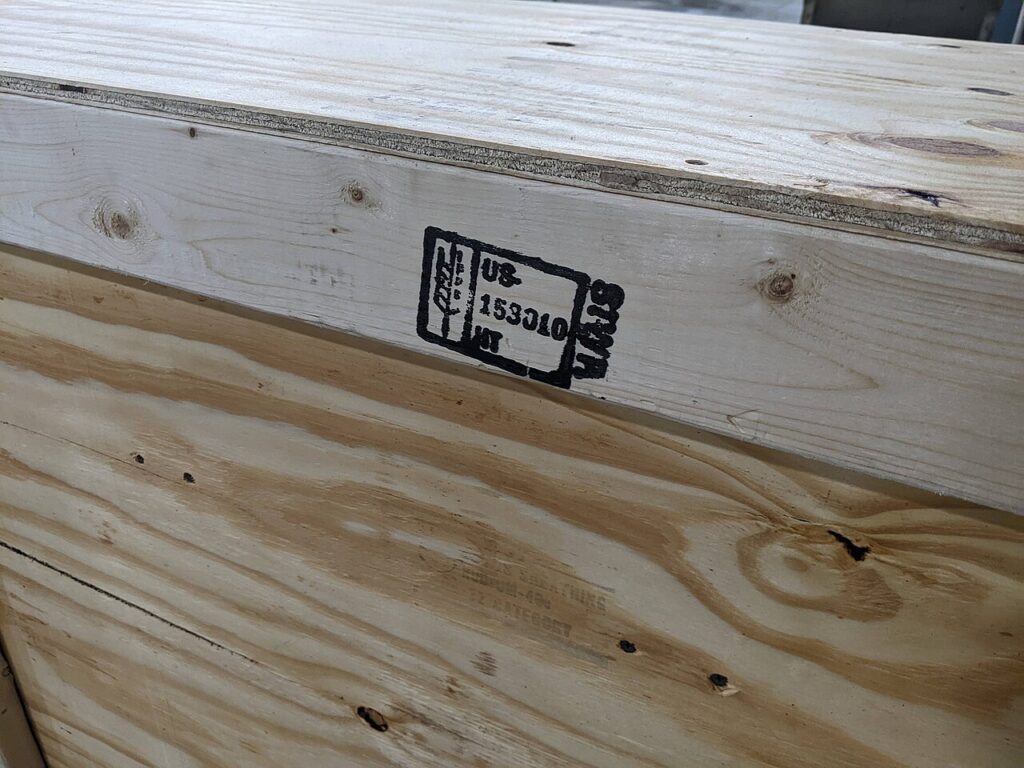
If the proposal uses raw-wood pallets, dunnage or crates, ask for the precise material and the treatment/marking plan for the destination. The International Plant Protection Convention’s ISPM 15 listing explains that the standard addresses pest risks in international movement of raw-wood packaging, including dunnage, and excludes certain sufficiently processed wood materials such as plywood. That does not mean all plywood packages are automatically suitable for the product, nor that a marked crate satisfies every destination or safety requirement. The furniture itself and its packaging are separate questions. Obtain current destination guidance from the importer or customs/plant-health authority and keep the packer’s evidence with the shipment file.
Ask where a mark will be visible after assembly and whether a photograph of the final mark and package ID will be supplied. Do not ask a seller to promise “fumigation certificate” by default. The appropriate route depends on material, treatment, destination and current rules; the official standard and destination authority control the compliance answer. The showroom task is to record the proposed packaging material early enough to resolve the question before production, not to pronounce a crate compliant from a verbal assurance.

Compare the quote and set a release gate
Imagine a fictional two-offer comparison for the same modular sofa. Offer A says RMB 8,000, export packing included. Offer B says RMB 7,650 plus RMB 420 packing, but lists module separation, surface protection, three carton dimensions, one hardware bag, final pack photographs and the named factory packer. The arithmetic total for B is RMB 8,070 before any other services. These prices are invented teaching figures, not Foshan market quotes. You cannot conclude that A is cheaper by RMB 70 or that B is safer until A’s packing scope and both offers’ product specifications are aligned. A low item price with an unpriced warehouse repack can later be more expensive; a more detailed annex can still be poorly executed.
Define three gates. Quote gate: the seller’s written offer names the exact product and packing method, prices both, and states exclusions. Pre-shipment gate: the final carton list, weights, dimensions and pack photos match the approved annex; any raw-wood evidence is available when relevant. Handoff gate: the receiving warehouse records carton count and condition, and any opening/repacking has an owner, reason and new photo record. These gates allocate questions; they do not guarantee an undamaged shipment. A buyer should not treat a photo of a crate as a substitute for a check of the item inside or for transport insurance terms.

Before leaving the showroom, read the seven fields back to the salesperson and ask when the packing annex and revised quote will arrive. Put a named buyer owner on the reply. Mark the item shortlisted, packing unresolved until the actual method, cost and responsibility are written down. If the supplier cannot quote packed dimensions before making the product, accept a documented provisional estimate only with a later measurement deadline and a rule for approving cost changes. Avoid silently converting a provisional pack into an approved final one.
The next action is to add a one-page packing annex to the item brief while you can still inspect the displayed model. Send the seller the route, destination and known access constraints, request the seven written fields, and schedule the quote and pre-shipment evidence gates. A showroom conversation becomes useful procurement work when the packing decision can be traced from item code to final sealed carton.


Photo credits and limits
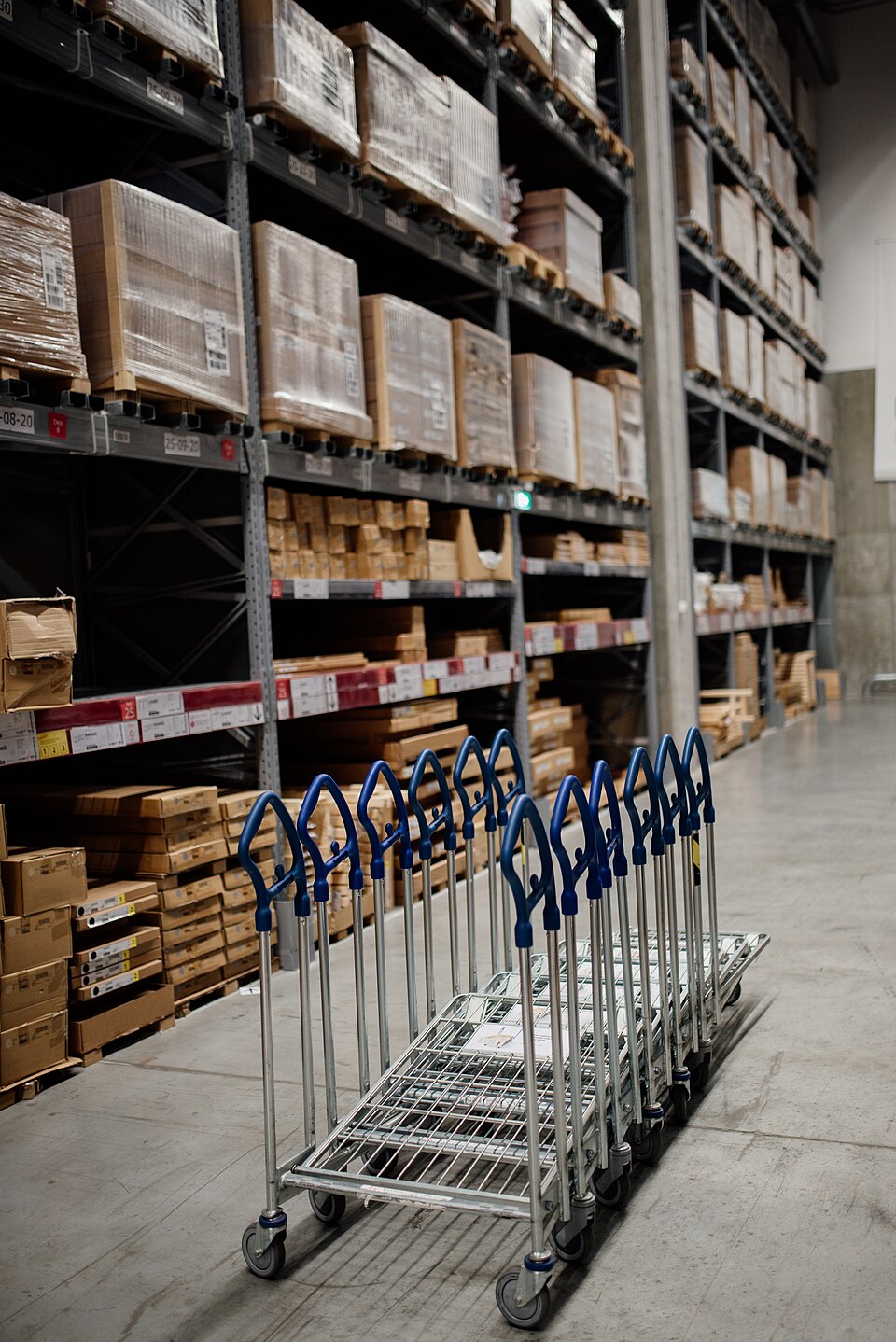
Each image caption links the photographer, original Wikimedia Commons page and licence. The eight genuine photographs show unrelated retail, furniture, measuring, parcel, filling, crate, warehouse and paper scenes. None depicts a Source Foshan project, a Foshan seller, the fictional offer, a client shipment or proof that any real furniture was packed to this protocol. Replace provisional illustrative photos with permission-cleared photos of the actual approved method before publication when available.