Feldnotizen
How to compare three sofa showrooms in one afternoon
Compare three Foshan sofa showrooms with one fit brief, consistent comfort tests and a variant record, then request written evidence before choosing a quote.
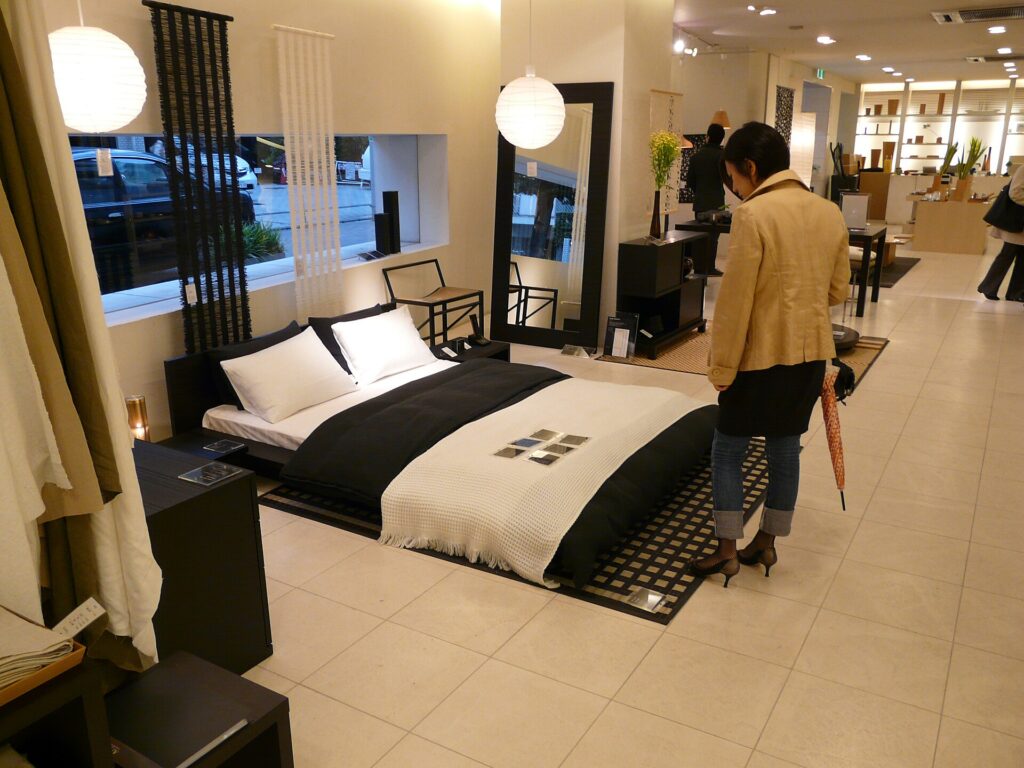
The short answer: compare three sofa showrooms with the same product brief and test sequence, then request written evidence for the differences that matter. Before leaving, fix the room envelope, intended users, seating configuration, material preference and price scope. At each stop, test the displayed seat with the same person and posture, record exact model and dimensions, identify what is observed versus claimed, and ask for a quote tied to the variant tested. End the afternoon with a shortlist and unresolved evidence requests, not an instant order based on the nicest display.
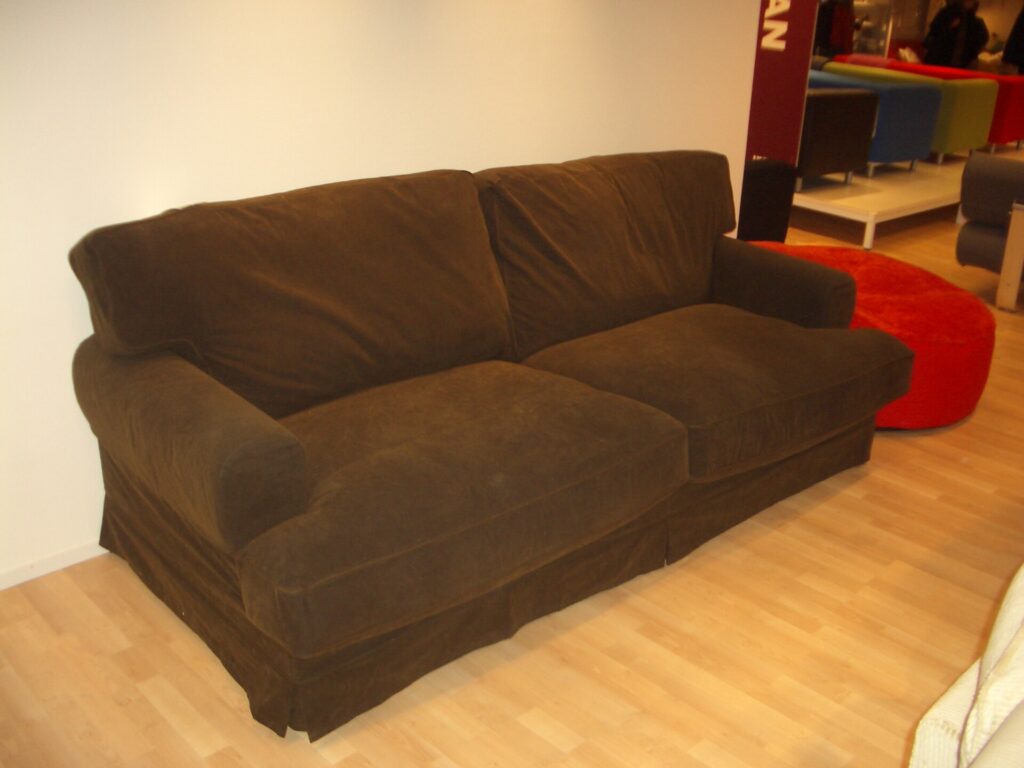
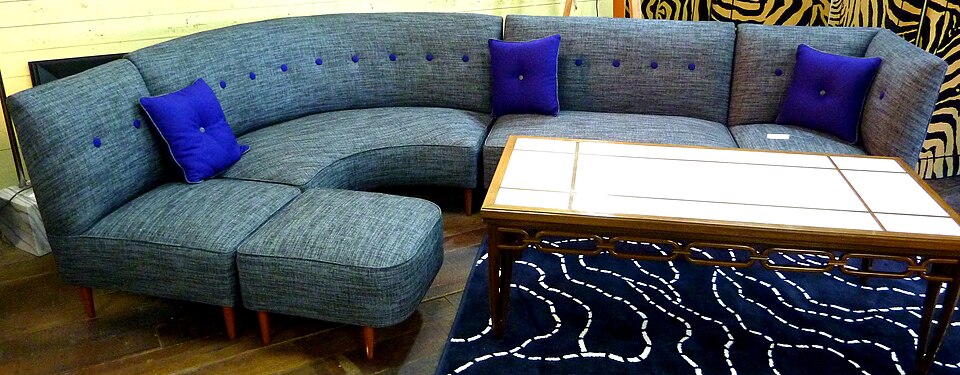
Die Foshan-Möbelmarktleitfaden provides broader orientation, and the mall-versus-factory showroom guide explains why the sales setting can differ. This article gives a method for comparing one sofa decision across three places. The eight genuine Commons photographs are unrelated examples; none documents a Source Foshan visit, a real three-showroom test or the specific sofas in the teaching example.

Set one common question for all three stops
Write a brief of no more than one page: required seating count; left- or right-facing configuration; maximum width, depth and height; minimum acceptable comfort characteristics; desired upholstery and cleaning expectations; colour reference; destination access limit; quantity; and the buyer’s target scope. Mark which requirements are hard gates. A sofa that cannot fit an immutable opening or serve the intended users should not win because its quoted price is lower. Leave room for alternatives: a different leg finish or slightly different arm shape may be acceptable if written down and approved.
Assign three appointments a role. A is a candidate that appears closest to the desired style. B is a candidate likely to meet the functional brief at a different scope or price. C is an alternative construction or configuration that tests the buyer’s assumptions. Do not tell the team that A is the preferred winner before testing, or the scores will become a story that confirms a first impression. If a showroom has no relevant display, ask for a written model reference and move on rather than forcing an unrelated model into the comparison.
The itinerary itself should remain feasible. Confirm the exact entrances and appointments and budget transfer and rest time. Use the published market guide for broad orientation, then confirm current route details directly with each venue. The comparison fails if the team is too tired at C to apply the same test used at A.

Run the same seat test at every stop
Choose the person or people whose body size and use pattern matter to the purchase. Ask them to test the display sofa in the same order: sit down normally, note how easily they can rise, sit upright for conversation, relax into the back support, test an edge seat if relevant and lie or recline only if that is an intended use. Record the person’s experience, not a universal comfort ranking. A tall person and a short person may disagree honestly. Do not infer long-term durability from a five-minute sit.
Use words rather than a single “comfortable” checkbox. Note seat height and depth as measured or seller-documented, cushion firmness as felt by the tester, back angle, support at the edge and whether the displayed cushions are removable. If the showroom model is already worn, stained or modified, record that condition. Ask whether the ordered version will use the same cushion, frame and upholstery construction. A different fabric or size can change the feel; the display test is evidence about that display, not a promise about an unseen production item.
Give each tester the same short scorecard. For example, use 0 = not suitable, 1 = possible with a stated change, 2 = acceptable for the intended use for sit/rise, upright support and relaxed support. The numbers are an internal choice aid, not validated ergonomics or a safety test. Ask the tester to state one reason for each score. Do not average away a hard failure: if the intended user cannot rise comfortably from candidate A, a strong colour score cannot fix that.

Capture the exact variant, not merely the style
At each stop, record a buyer ID such as SOFA-A, seller name, date, displayed model code and dimensions, configuration drawing, upholstery code, leg finish and price scope. A photo of a beautiful sofa can later be matched to the wrong size or leather grade. Ask the seller to confirm whether the proposed quote is for the displayed piece or a modified version. If the team needs a 2.4-metre sofa and the display is 2.8 metres, ask for the narrower model’s drawing and whether its seat depth and cushion structure change. Do not treat a visual resemblance as a technical equivalence.
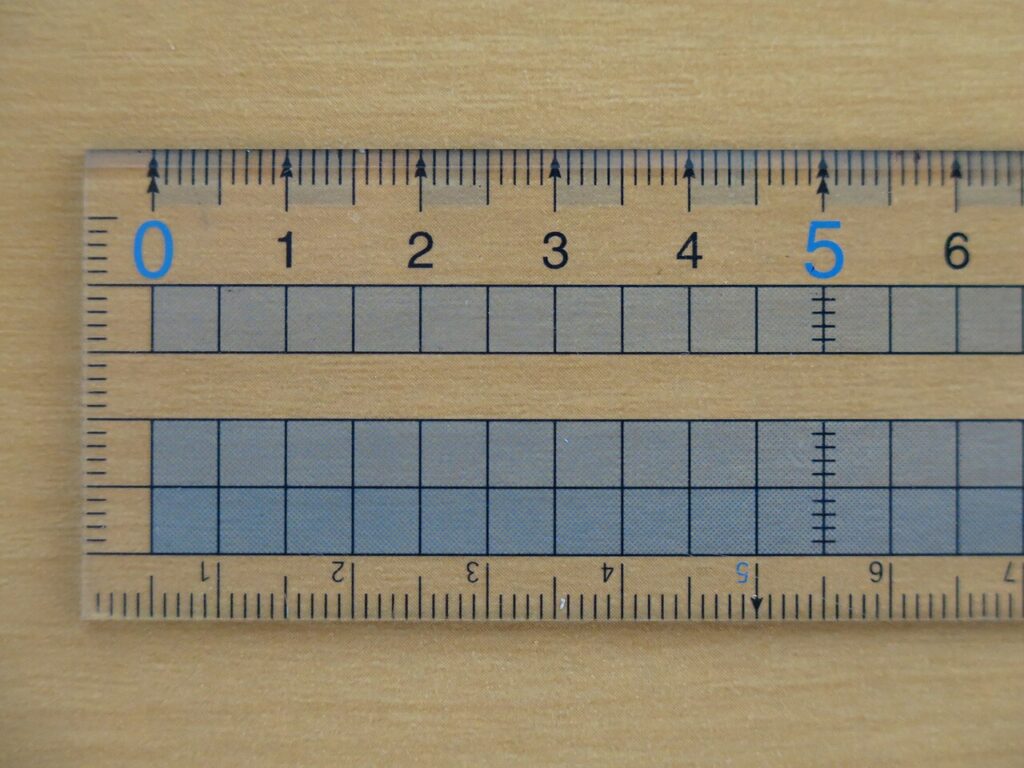
Measure what the salesperson permits and label the source of every figure. A tape measure in the showroom can check overall width and visible height. It does not reveal the internal frame, cushion density or future production tolerances. Ask for a model sheet or annotated drawing, especially for modular joins and chaise orientation. Check delivery access separately against the destination route; a sofa may be the right assembled size but be packed in a form that cannot enter the lift or doorway.
Ask a consistent material set: fabric or leather identifier, which surfaces receive that material, care information, colour sample availability and the process for approving a production substitution. Avoid assuming “full leather,” “solid wood” or “high-density foam” has a uniform meaning across sellers. Record the seller’s words as a claim until a written specification and appropriate evidence support it. The product brief should make the requested answer precise.

Separate what the team saw from what a salesperson said
Use four columns per candidate: observed, seller stated, document supplied und still unknown. A buyer can observe the displayed seat feel, visible stitching and its own measurements. A seller may state that the frame uses a particular wood or that a factory can reproduce a variant. A brochure or dated specification is a document, but may still need a production check. A hidden frame remains unknown from the finished sofa alone. The columns prevent a confident verbal explanation from silently turning into a verified feature.
A first-person Xiaohongshu buyer who visited many Foshan furniture suppliers describes becoming tired and overwhelmed. They say they could judge visible workmanship, how a sofa felt to sit on and the fabric’s touch, but could not independently verify hidden springs, foam or frame materials after the sofa was closed. This visitor account helps define the boundary between showroom observation and a construction claim. Its endorsements of named businesses, personal prices, shipping times and supplier behaviour are unverified and not repeated as recommendations.
At the end of each stop, ask for one attributable clarification rather than a pile of sales messages: “Please confirm the model tested, dimensions, upholstery code, stated frame and cushion specification, modification options, unit price for quantity Q, packing basis and the contracting seller.” Save the reply with the visit ID. The sourcing report comparison guide is relevant when those written offers arrive; this afternoon’s scorecard is a pre-quote shortlist, not a final landed-cost calculation.
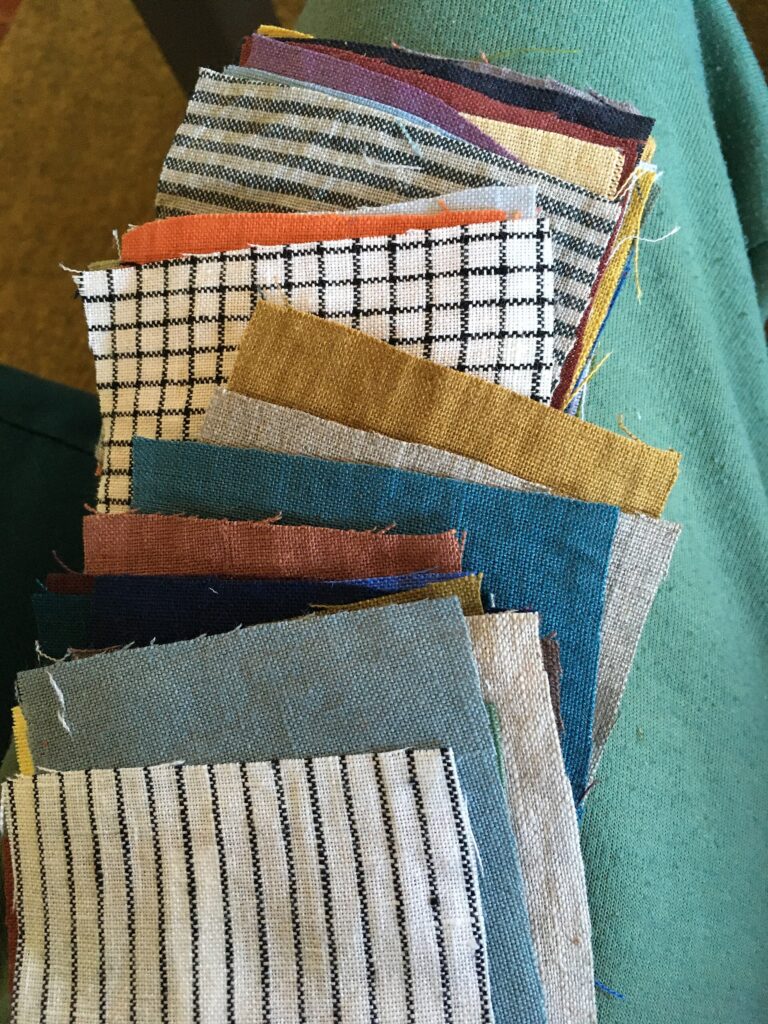

A fictional three-candidate decision sheet
Suppose the buyer needs two sofas no wider than 2.5 metres, with a light-colour upholstery option, for a residential lounge. All numbers and candidates below are invented teaching data; they are not current Foshan prices or field observations. Candidate A is 2.45 metres wide and has a sit/rise score of 2, but its upholstery code is not supplied and the seller gives only a spoken price of RMB 8,800. Candidate B is 2.35 metres wide, scores 2 on sit/rise, and has a dated written unit offer of RMB 10,200 with material code F2 and packing still unpriced. Candidate C is 2.60 metres wide and scores 1 on sit/rise; a change to a narrower version is possible only if the seller supplies a drawing and new test opportunity.
| Candidate | Fit gate | Directly observed | Written evidence | Blocking question |
|---|---|---|---|---|
| A | Provisionally passes width | Display comfort and visible finish | No attributable material or price scope yet | Does the written offer match this fabric and configuration? |
| B | Provisionally passes width | Display comfort and measured envelope | Dated item offer with material code | What are packing and destination handoff costs? |
| C | Fails present width gate | Display looks appealing, weaker sit/rise result | Proposed variant not documented | Can a smaller model be drawn and independently tested? |
At this stage B is the clearest quote candidate, not automatically the best sofa. A may win after an attributable revision, while C remains on hold. Do not compare RMB 8,800 spoken at A with B’s written RMB 10,200 as if they covered the same product and services. If the buyer wants a numerical score, apply it only after hard gates and evidence states are visible. For instance, assign up to four points each for fit and tester comfort, and up to two for documentation. The weights are the buyer’s stated priorities, not an industry standard. An unknown field is pending, not zero and not a hidden pass.
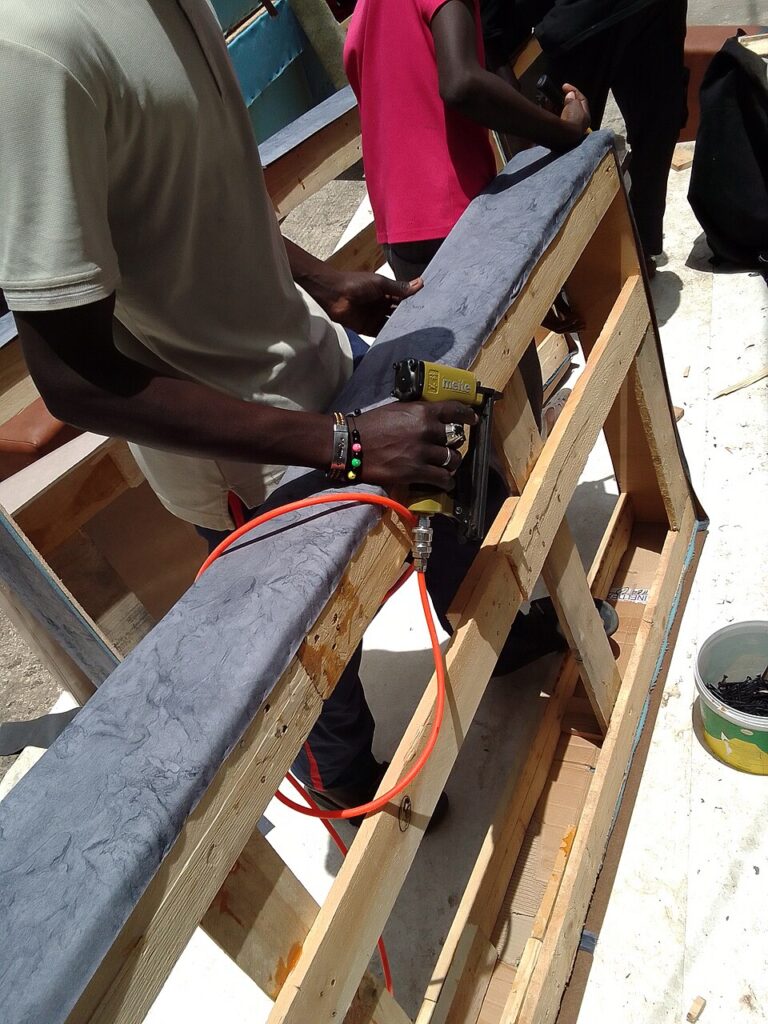

Make the afternoon schedule protect comparison quality
Use a brief at the start, one focused test at each showroom and a short note review between stops. Allow a return to one candidate if its main uncertainty can be resolved the same day. Do not spend the entire afternoon at A and then rush B and C. When time slips, drop a lower-value stop and preserve the same test quality at the remaining two. A two-candidate comparison with complete evidence is more useful than three partial impressions.
Keep one person responsible for the scorecard and another for permitted photos or dimensions if the team is large enough. Reconcile notes before leaving the venue: model code, salesperson and photo sequence should agree. Ask the seller to mark the exact variant in the quote. If the team is remote, send the decision-maker a structured candidate card rather than dozens of unlabeled images. State which person physically sat on the item and which claims await documentation.
Comfort can be affected by fatigue or sequence. Record the order tested and whether a tester was already exhausted at the third stop. If that seems material, revisit a finalist on another day or ask another intended user to test it. Do not convert the afternoon’s order effect into a definitive product judgement. Conversely, do not ignore a clear functional mismatch because a seller’s service felt good. A salesperson’s helpfulness can matter to the buying process, but it is a separate attribute from the sofa’s fit and construction.
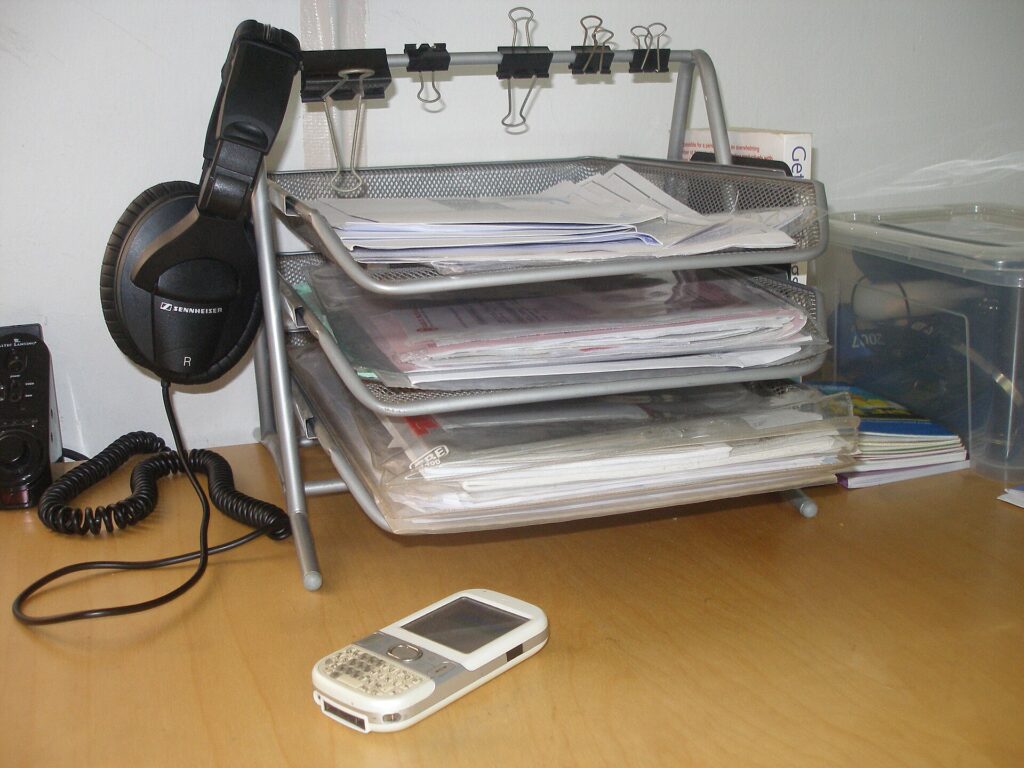

End with a shortlist and next evidence requests
At the end, issue a one-page decision: candidate status (shortlist, hold oder reject), the exact model tested, each hard gate, observations from the intended user, seller-stated claims, available documents and missing proof. For each hold, name the answer that could change the decision. If a candidate is rejected because of an immutable width or sit/rise issue, record that reason; do not keep it in the price comparison merely to reach three offers.
Request a written offer for shortlisted candidates with quantity, product variant, materials, unit basis, packing, delivery point, validity and exclusions. If hidden construction is decisive, seek an appropriate sample, documented specification or agreed inspection point. A showroom photograph and a pleasant seat test cannot establish the future batch’s internal build. Compare final commercial offers only after they describe matching scope.
The next action is to prepare the one-page sofa brief and identical scorecard before booking the three appointments. Ask each seller to have a relevant displayed variant available, then leave enough time to use the same test and request the same documents at every stop. That makes a short Foshan afternoon a defensible shortlist instead of a blur of couches.


Photo credits and limits
Each linked caption identifies its photographer, original Wikimedia Commons file page and licence. The eight unrelated photographs illustrate a showroom, sofas, measurement, swatches, a frame, records and a calculator. They do not depict the fictional candidates, any tested Lecong showroom, Source Foshan work or a customer transaction.