Feldnotizen
How to compare Foshan furniture mall quotations line by line
Compare Foshan furniture mall quotes using matched specifications, seller identity, packing and delivery scope, with a worked fictional price comparison.

The short answer: compare Foshan mall quotations against one buyer-owned specification and one delivery scope, not against the number a salesperson first writes beside a photograph. Give every candidate a unique seller and sample ID, align dimensions, materials, construction, finish, quantity, packaging and named delivery point, then mark each line matched, different, missing oder unverified. Request a revised written quote before ranking a candidate whose differences change the product or responsibility. The cheapest visible figure may be the least complete offer.
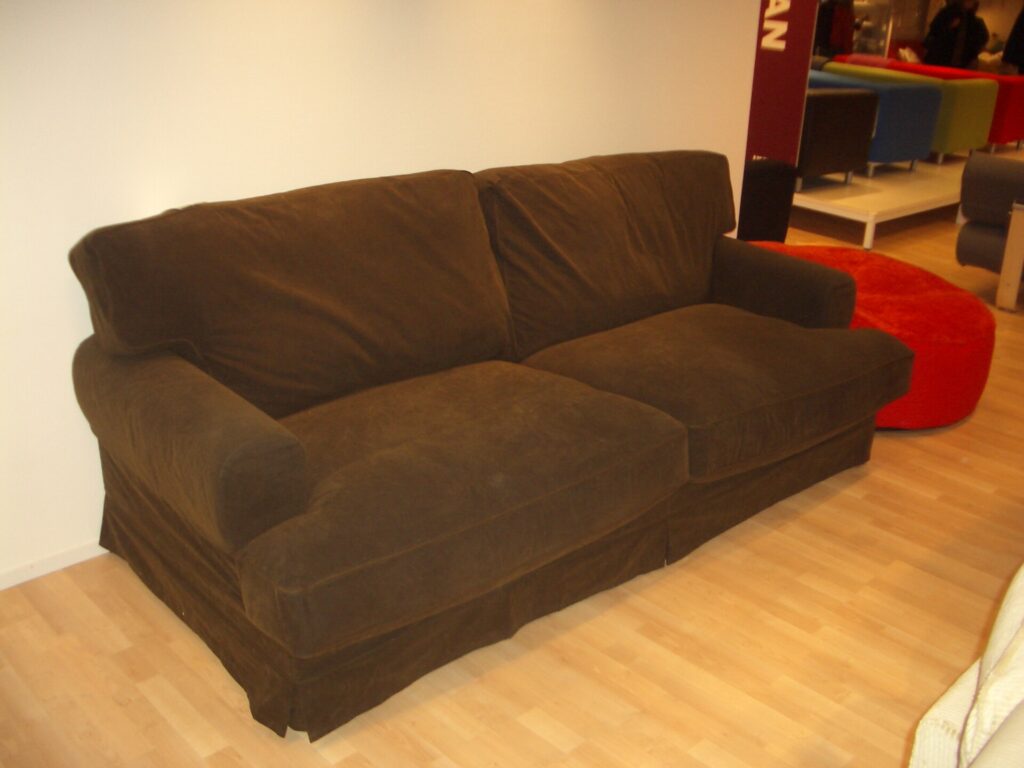
Die Foshan-Möbelmarktleitfaden maps where buyers encounter different kinds of showrooms. This guide starts with the paper—or the chat screenshot—after you have seen a specific sofa, table or chair in two malls. The sofa price comparison article shows why a similar shape can hide different construction. Here the task is narrower: make the quotation rows comparable before considering price. The eight photographs are genuine, unrelated Wikimedia Commons illustrations, not records of a Source Foshan mall visit or a supplier audit.
.jpg)
Capture the seller, the sample and the quote as three separate identities
When you leave a mall booth, photograph the item with its showroom label only where the shop permits photography, and write a visit ID such as LC-02 / booth B / sofa 04. Record the name on the business licence or sales contract, the salesperson’s contact, the mall and booth, and the date. A mall’s name is a location, not necessarily the legal seller. Ask the person who will take the deposit and issue the invoice to put the exact seller name on the quotation. If several booths offer a similar design, do not combine their images or promises under one “same sofa” row.
Ask for a sample reference: showroom model code, photographed label, drawing or dimensions, colour and material swatch reference. A generic catalogue photo may represent a family of versions rather than the exact display unit. If the seller allows a material or size change, create a new variant ID. Record whether the price is for the displayed sample, a made-to-order copy of it, or a different construction at a similar appearance. That distinction is more useful than guessing who originally made the design.
A full first-person Xiaohongshu account of a furniture-buying visit around Longjiang describes the writer seeing similar-looking items at different shops and explicitly wondering whether a lower quote might reflect different quality. This is a single unverified buyer account, not evidence that any named shop uses a particular material or that its price is representative. Its useful buyer question is precise: what facts would prove the two quoted pieces are the same specification? The writer’s prices, endorsements and quality judgments are not used here.
.jpg)
Freeze one target specification before collecting prices
Write a one-page target brief for the actual item. For a sofa, include overall length, depth and height; seat and arm dimensions that matter to the project; frame and suspension description; cushion construction; visible and hidden upholstery; finish or leather/fabric identifier; leg/foot detail; expected use; approved sample process; and acceptable tolerances where the contract calls for them. Do not invent a numeric tolerance from a showroom conversation. If a drawing is necessary for site fit, obtain it before treating any quote as final.
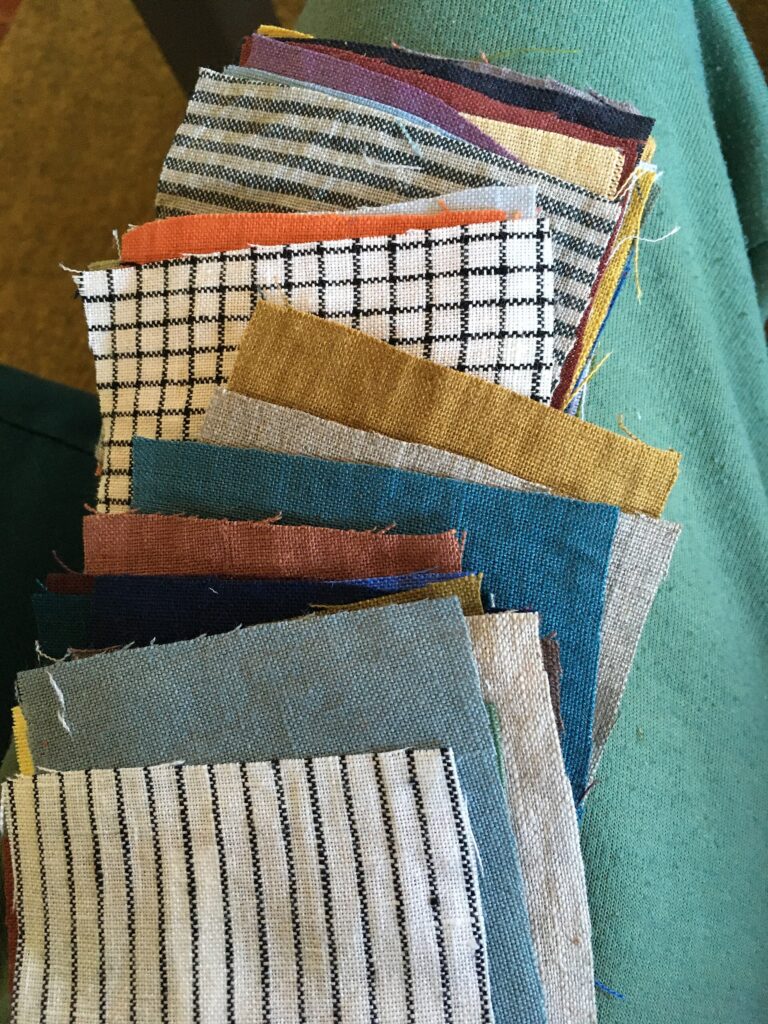
The target brief can allow options—for example two approved fabrics—but it should identify which option is the price basis. If one seller quotes fabric and another quotes leather, do not convert the cheaper number into a conclusion about the same sofa. A material label such as “real leather” or “high-density foam” needs the seller’s exact definition, location of use and evidence. A swatch photograph is an aid to identity, not a test report or guarantee of the production batch.
For a multi-room order, create a quantity and variant schedule. 8 sofas / three-seat / fabric F02 is different from 8 mixed sofas / assorted floor samples. Ask if the unit price changes at the required quantity, whether all eight units can be made to the same approved version, and which parts can be replaced later. If the seller cannot identify the production variant, the quote is still a lead, not a controlled order.

Use a row-by-row normalisation grid
Set one column for the buyer’s target, then one column per seller. In every seller cell record the seller’s actual written words or document reference, not your memory of a discussion. Use four states: matched when the offer explicitly meets the target; different when an alternative is clear; missing when the quote says nothing; and unverified when it makes a claim without sufficient product or document identity. Neither missing nor unverified should be silently treated as a match.
| Position | Target question | What a comparable written answer looks like |
|---|---|---|
| Seller and item | Which legal seller, showroom sample and variant? | Seller name, item/variant code, quote date and revision |
| Größe und Passform | What finished dimensions and site constraints? | Dimensioned drawing or explicit measurements and approval route |
| Frame and build | What is hidden inside the piece? | Construction description tied to this model, not a broad brand claim |
| Upholstery and finish | Which material covers which surfaces? | Named swatch, grade, colour, coverage and substitution rule |
| Included components | Which cushions, legs, hardware and accessories? | Itemised included/excluded list |
| Quantity and MOQ | Is the price valid for the actual buy? | Quantity, minimum order and variant split |
| Quality evidence | What sample or inspection confirms production? | Exact sample/revision and agreed check, with report scope if promised |
| Verpackung | Is export packing included and defined? | Per-piece carton or crate specification, marks and estimated packed size |
| Delivery scope | Who pays and bears which transport obligations? | Contract wording, chosen trade term if used, exact named point |
| Zeitplan | From which event does lead time run? | Deposit/drawing/sample trigger, production duration and shipment readiness |
| Currency, tax and price | What is the price basis? | Currency, unit total, tax treatment and quote validity |
| Remedy and warranty | What happens if a delivered item differs? | Actual contract term, claim route and responsible party |
The grid is a request for evidence, not an assumption that every seller must use identical terminology. A seller may offer a better option; keep that as a separate variant with its own price and approval route. A quote is eligible for numerical comparison only after the buyer can tell which product and obligation each number buys.

Separate item price from delivery and import scope
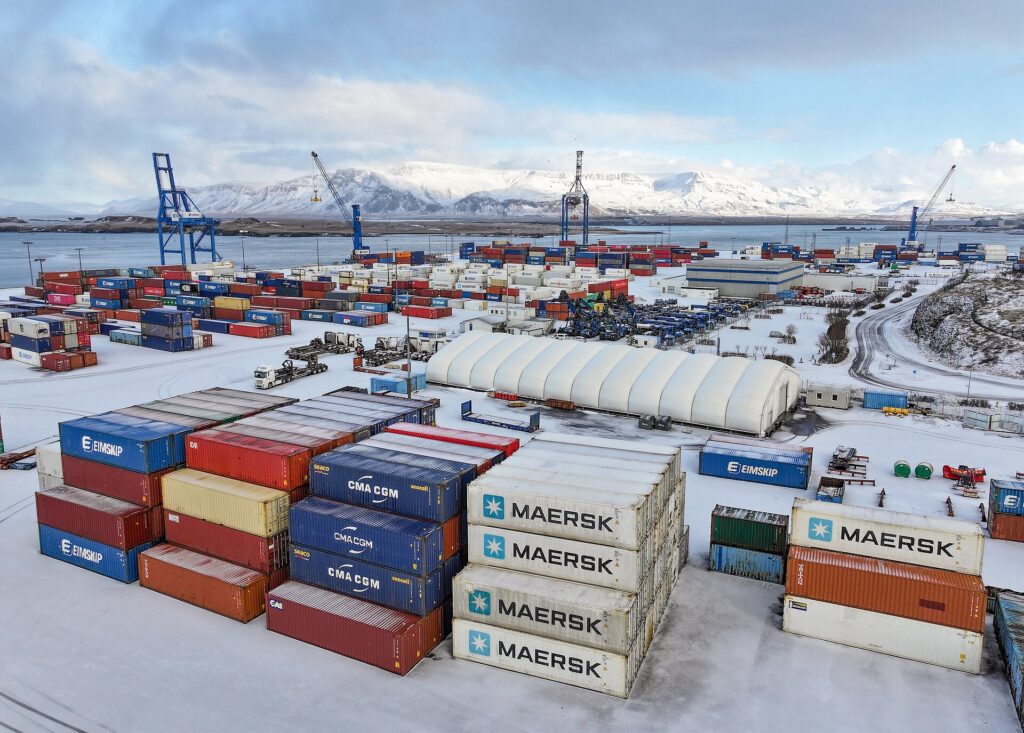
Ask for product price, packing, domestic collection or delivery, consolidation/warehousing, export process, international freight, insurance where agreed, destination charges, import formalities, final delivery and installation as separate responsibility lines. You may not buy all these services from the showroom. The aim is to identify which party owns each line, not to make the seller quote work it does not provide. If a quote says “shipping included,” ask: shipping to where, by what service, with which exclusions, and at what packed volume assumption?
The International Chamber of Commerce’s original Incoterms® 2020 Q&A explains that parties should state the chosen rule, a precise named place or point and the 2020 version when incorporating the rule into their sale contract. It also distinguishes the destination on some terms from the point at which risk transfers. A three-letter abbreviation by itself does not settle every cost, handling step, payment term, title issue or product specification. Compare the actual contracted scope and ask a freight adviser about route-specific charges; do not infer “door-to-door” from an unqualified term.
Do not add a guessed freight number merely to rank mall quotes. Request a packed dimension and weight estimate for the selected variant, then get a separate, dated freight and destination-service quote on the same cargo and route. A low factory or mall price can still be a good offer, but only after the buyer knows what it excludes. The same principle applies to tax: record what the written price says, and let the importer or tax adviser determine the destination-specific treatment. A salesperson’s casual statement is not a customs ruling.

.jpg)
A fictional three-showroom price bridge
Imagine an illustrative, not real, request for eight identical three-seat sofas in one specified fabric. Showroom A quotes RMB 5,200 per sofa with the requested fabric but excludes defined export packing. Its packing quote is RMB 300 per sofa. Showroom B writes RMB 4,600, but the selected fabric adds RMB 500 and packing adds RMB 400. Showroom C writes RMB 6,100 including the specified fabric and packing. Assume the buyer’s independent consolidation charge is RMB 100 per sofa under A and B and also under C. The provisional, like-scope arithmetic is A 5,200 + 300 + 100 = 5,600; B 4,600 + 500 + 400 + 100 = 5,600; C 6,100 + 100 = 6,200 per sofa. Multiplying by eight gives RMB 44,800, RMB 44,800 and RMB 49,600 before freight, import, site delivery and installation.
These figures are deliberately invented to show why the lowest first figure is not necessarily the lowest comparable offer. Even after the arithmetic, the two RMB 5,600 candidates are not equal unless their dimensions, frame, foam, finish identity, sample approval, packing performance, order timing and remedy terms meet the same brief. If B’s frame line is missing, flag it unverified and hold a price decision. If C includes a stronger, documented service or construction feature the buyer needs, retain it as a distinct value option rather than forcing its quote into a cheaper-product comparison.
The workbook should show a base quote, scope adjustment, common external costs und unresolved item column. Never bury an unknown cost as zero. Put TBD, owner, deadline beside it. The decision meeting can then choose a seller with eyes open or request a revised quote. That is more useful than a percentage “discount” calculated from a retail tag whose product or service scope was never fixed.

Resolve missing evidence before paying a deposit
Send each seller the same short clarification sheet. Refer to the showroom sample ID and target brief revision. Ask them to mark every grid row confirmed as quoted, alternative with new priceoder cannot supply. Request a dated, signed or otherwise attributable written reply from the entity that will contract and invoice. A chat message can help, but its sender and product reference must remain traceable. If the answer changes the product, attach the updated drawing or swatch, not just the words “same quality.”
The red flags in this method are not proof of fraud. They are reasons to stop a comparison: the seller changes the legal name between quotation and payment, an item has no stable code, the fabric is described differently across documents, packed dimensions are refused while freight is promised, or the delivery point is vague. The practical response is to document the gap and ask for correction. A showroom may simply be underprepared; the buyer still needs a complete contractable offer.
Keep the approved physical or digital sample reference linked to the final quote and purchase order. If a later factory or reseller substitution appears, compare it to the accepted row before approving production. Do not allow a new salesperson to replace the original quote spreadsheet with a summary that erases the differences. Archive both the raw offers and the normalised grid with date and version so a later claim can reconstruct what was agreed.


The one-page decision record
For each candidate, write: sample ID, seller legal name, target spec revision, quote revision, eligible or held, unresolved rows, normalised unit price, separate external costs, delivery point and term, sample approval needed, und decision owner. The buyer should be able to say in one sentence why the chosen quote won: for example, “it is the lowest complete offer for spec revision C at the named handover point, subject to signed sample and packing approval.” If that sentence cannot be written, the selection is premature.
The next action after a mall visit is therefore not to bargain every price down at once. Choose one high-value item, issue the same target brief to two or three showrooms, fill the normalisation grid and request corrected written quotations by a date. Then compare the supported scope and total buyer effort. A complete, accountable quote gives the buyer something that can become an order; a dramatic verbal number does not.


Photo credits and limits
All eight images are genuine, unrelated Wikimedia Commons photographs from eight separate original file pages. Each caption links its individual creator, original page and licence. The pictured shops, sofa, material, calculator, terminal and document scenes are not Foshan quotations or Source Foshan inspections. The files are Commons resized derivatives without editorial crop or compositing. No Xiaohongshu image was reused.