Feldnotizen
Foshan furniture mall photography: what to capture for procurement
Capture model identity, dimensions, material codes and written follow-up in a Foshan showroom photo record, with a ledger that separates claims from evidence.
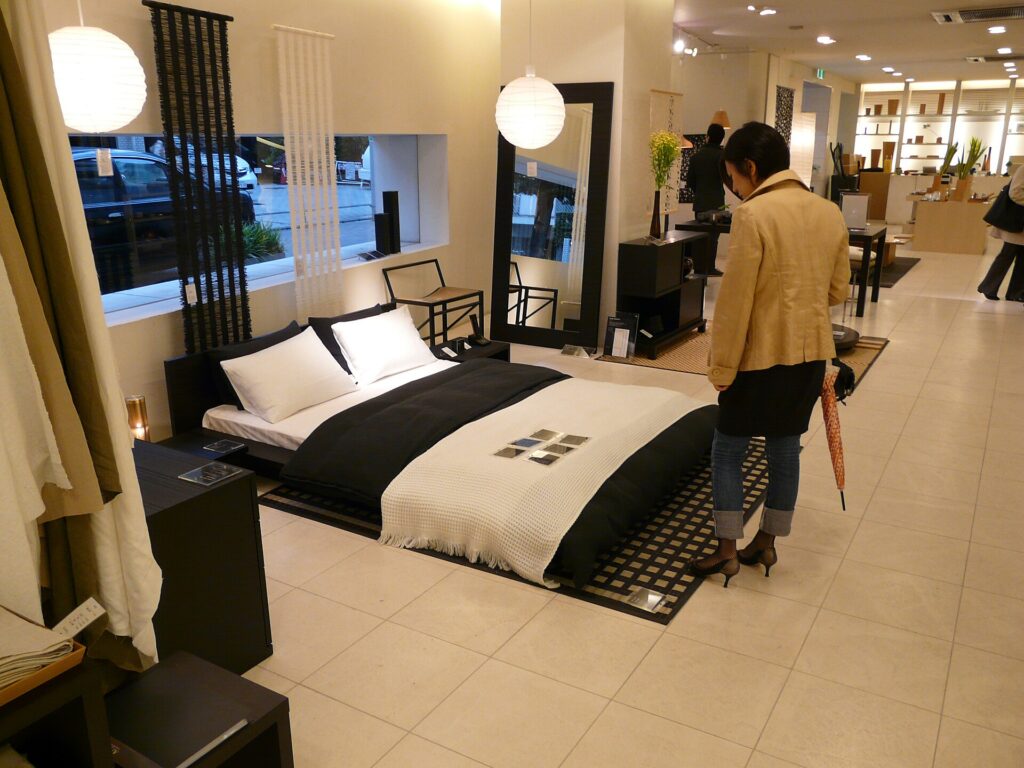
The short answer: photograph a Foshan furniture mall candidate as a traceable product record, not as a gallery of attractive pieces. For each item, capture the venue and booth, the whole display item, its model or written identifier, a dimension reference, material or finish codes, any issue detail, the packing or access question, and the seller’s written follow-up. Give every frame the same item code. Then put observations, seller statements and unanswered questions in a short ledger. A photo of a display sofa cannot by itself verify its hidden construction, the specification of future production, the quoted variant or the supplier’s legal identity.
Die Foshan-Möbelmarktleitfaden helps plan where to visit. The mall-versus-factory showroom guide explains why a display venue and a manufacturing claim require separate checks. This article begins after a candidate catches your eye: what should the camera record so a remote colleague can identify, compare and question it later? The eight licensed photographs below are unrelated illustrations, not evidence from a Source Foshan visit or any named Foshan seller.

Start with a stop code and ask before shooting
Before the first photo, create a stop code such as FS-02-04: visit day 2, stop 4. Record the building, floor, booth name, time and the contact who answered questions. Ask the showroom whether photography is permitted, whether any designs or prices are restricted, and whether people may appear in frame. Respect a refusal. A written note with the displayed model and a seller-provided product sheet is more useful than an unauthorised image. Avoid capturing other customers, staff faces or private order documents incidentally.
Give a separate item suffix to every configuration: FS-02-04/S01 for the display sofa, S02 for a similar sofa with a different fabric. Put a small card with that code at the edge of each permitted photograph or rename files immediately afterward. Do not rely on phone time stamps alone. Ten near-identical sofa photos from adjacent booths can otherwise become one accidental “product” in the office. Keep an unedited master file when a later crop is useful, because a tight crop may omit the context needed to attribute a detail.
A first-person Xiaohongshu account of two Foshan furniture visitors says they became absorbed in the furniture and mostly photographed pieces they liked, leaving little general showroom context. That reported gap motivates the first frame in this protocol. The post’s seller, brand, price, quality and logistics assertions are not evidence for this guide. The eight-frame method is our editorial workflow, not something the visitors claimed to use.
Frames 1–3: establish place, object and identity
Frame 1 — context. Capture a permissible wide view, booth marker or shop sign that ties the visit to a location. Write the building and booth in the ledger even if the sign is visible. A general showroom shot does not establish who made the furniture; it only helps reconstruct where a question was asked. If the mall prohibits photos of signs, ask for a business card or write the location in the stop record.
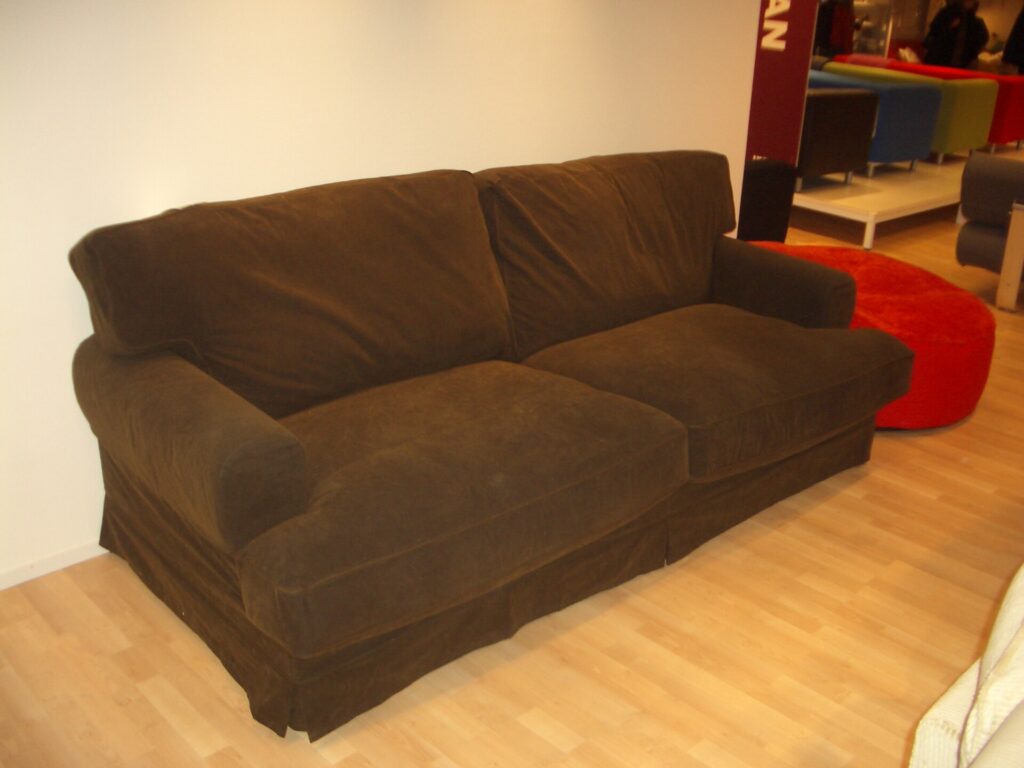
Frame 2 — whole item. Show the entire candidate with enough surrounding space to understand proportion and configuration. Photograph the front and one side if a single image hides an important part. Record whether the pictured piece is a display sample, an immediately available item or a proposed made-to-order variant; the image itself cannot answer that question. A visually similar model in a different fabric, width or leg finish should receive a different item suffix.

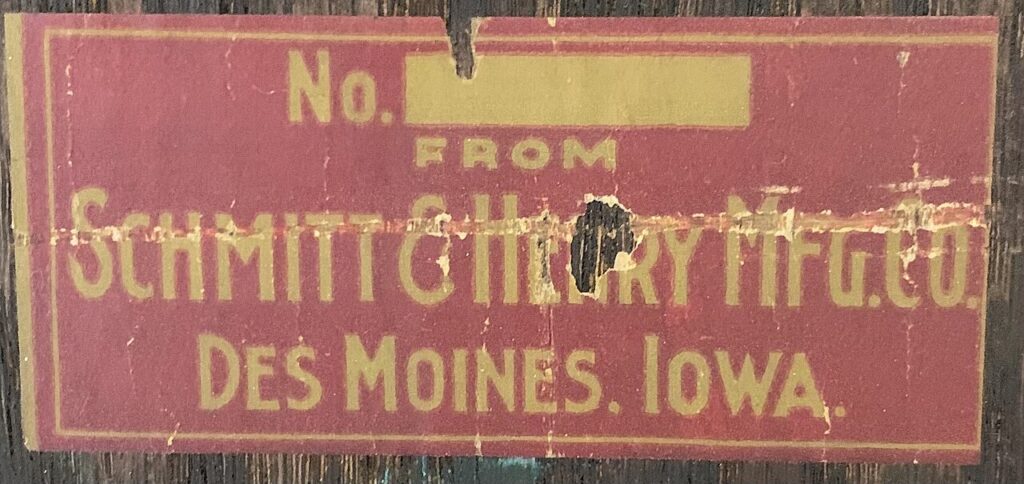
Frame 3 — identity. Ask the seller to point out the model code, finish code and maker or brand label where available. Capture the actual label only with permission, and transcribe the text separately. A marketing name may differ from the orderable SKU. If the label is missing or uses another name, record that as an identity question and request a dated, model-specific sheet. Never infer a manufacturing relationship from a label or a salesperson’s explanation alone.

Frames 4–6: document fit, finish and exceptions
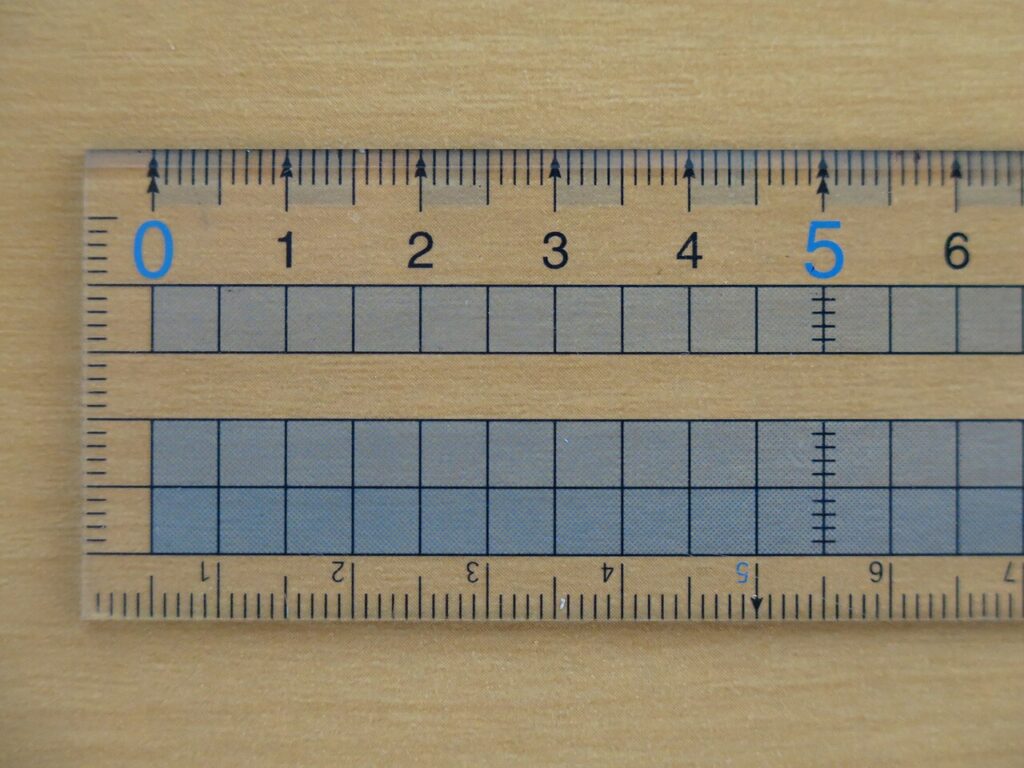
Frame 4 — dimension. Take a full view with a clear reference to the dimension being measured, then a close view of the tape or ruler and its units. Write what points were measured: overall width across arms differs from seat width; total height differs from seat height. A tilted ruler or perspective-heavy image is not a reliable measurement. For critical fit, ask for a dimension drawing and compare it with your own measured opening, lift, doorway and intended room. The photographic frame is a prompt for checking, not an engineering certificate.

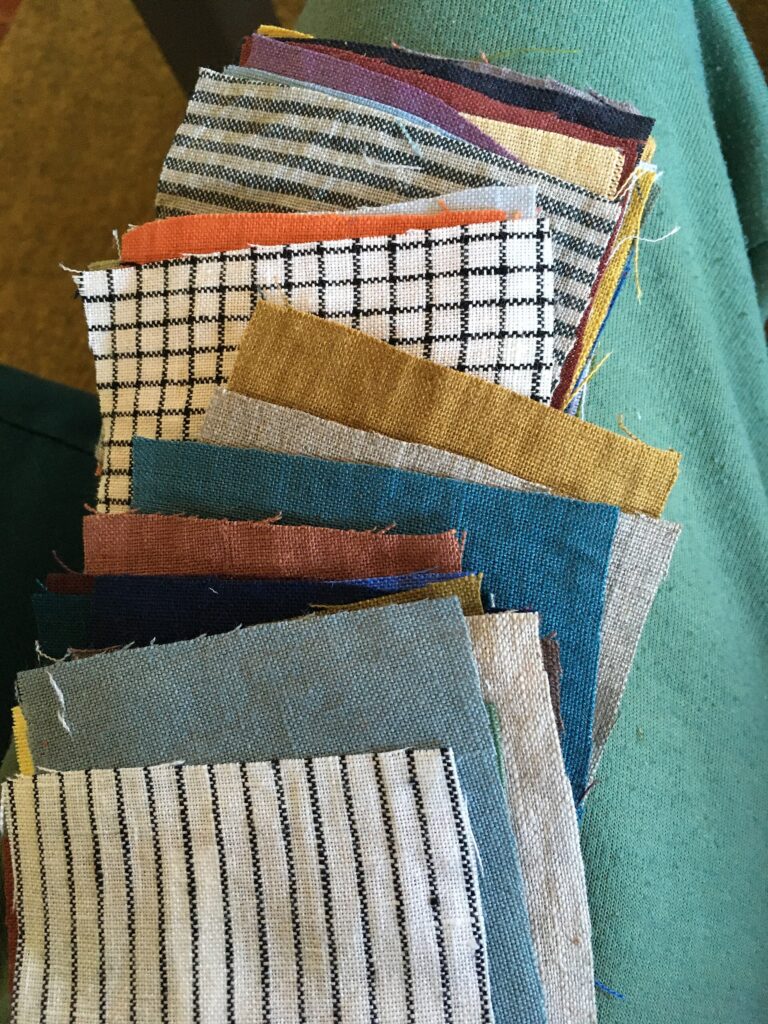
Frame 5 — material and finish. Place an approved swatch or finish card near the item and photograph the card’s code, not just its colour. Record whether the sample card is attached to the exact quoted model or is merely an example on display. Lighting and phone colour processing can shift apparent shades. If matching matters, retain a labelled physical sample or obtain a controlled approval sample. Ask the seller for the composition and finish specification in writing; a photograph cannot show fibre content, coating system or concealed substrate.

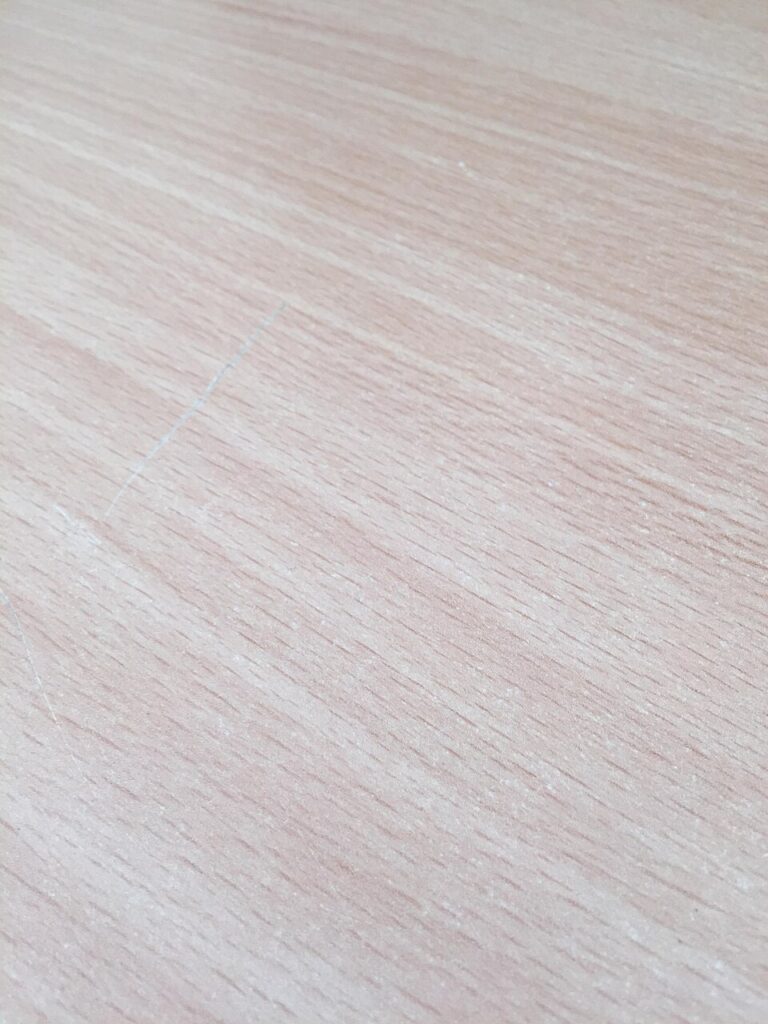
Frame 6 — issue or construction detail. Photograph a visible gap, scratch, seam, joint, hardware or moving part with one locating view and one close view. Describe it neutrally: “scratch on left side of display top” is an observation; “all production tops are defective” is an unsupported extrapolation. Ask whether the display detail is the intended production specification and how acceptance would be checked. If there is no issue, use the frame for a feature relevant to the brief, such as drawer clearance or removable-cover fastening. Do not manufacture a defect to fill a checklist.

Frames 7–8: bridge the display to an executable quote
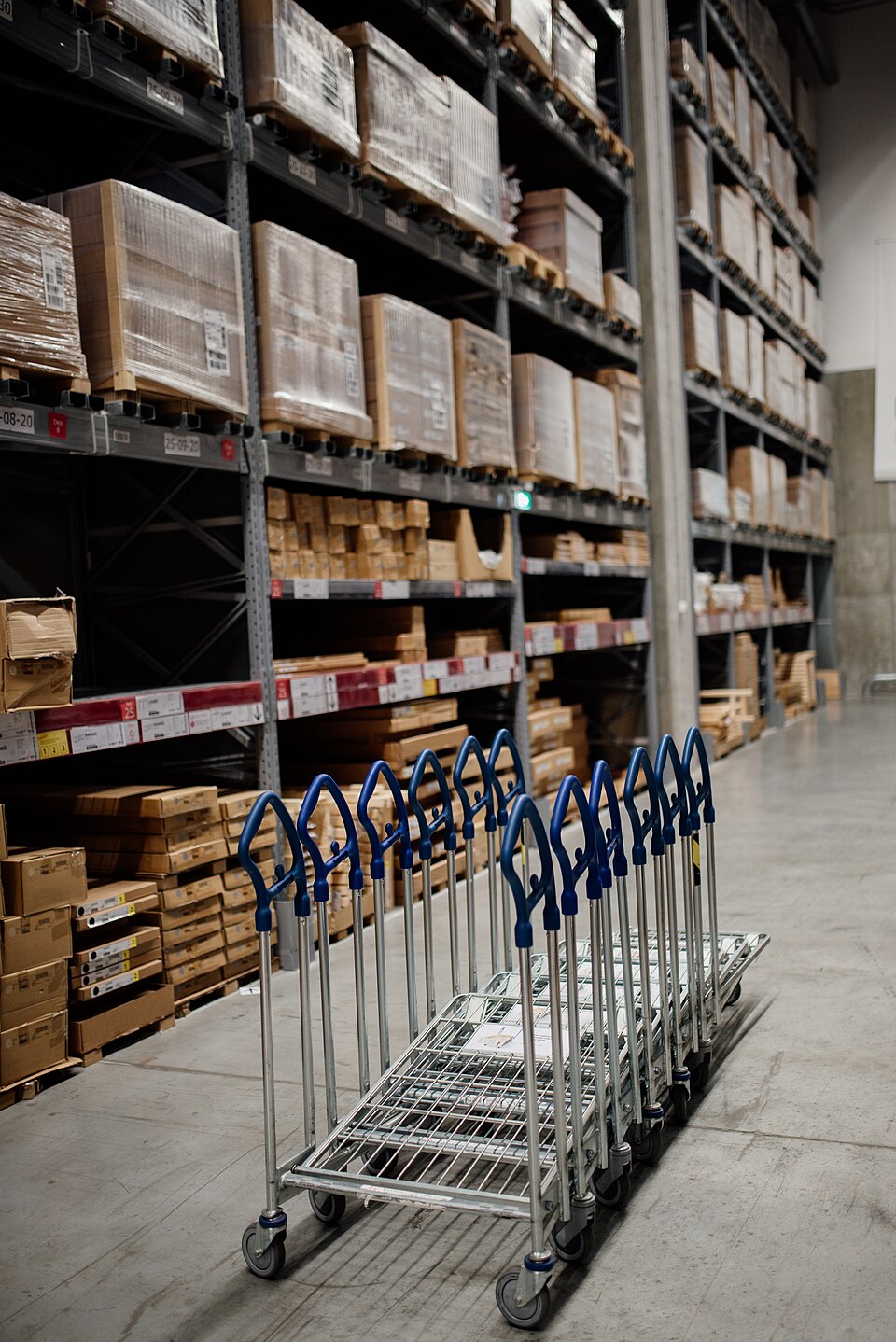
Frame 7 — packing and access question. The showroom image tells you little about how an item will be packed or enter the destination. Capture a permissible view of modular sections or removable components if the displayed item has them. Otherwise, photograph your own dimension sketch and record the question: flat pack or assembled, number of cartons, carton dimensions, lifting points, protective method and delivery access assumptions. Ask for a packing specification later. The unrelated warehouse image here is only a visual reminder of a downstream handling step; it does not depict the seller’s operation or prove a shipping method.

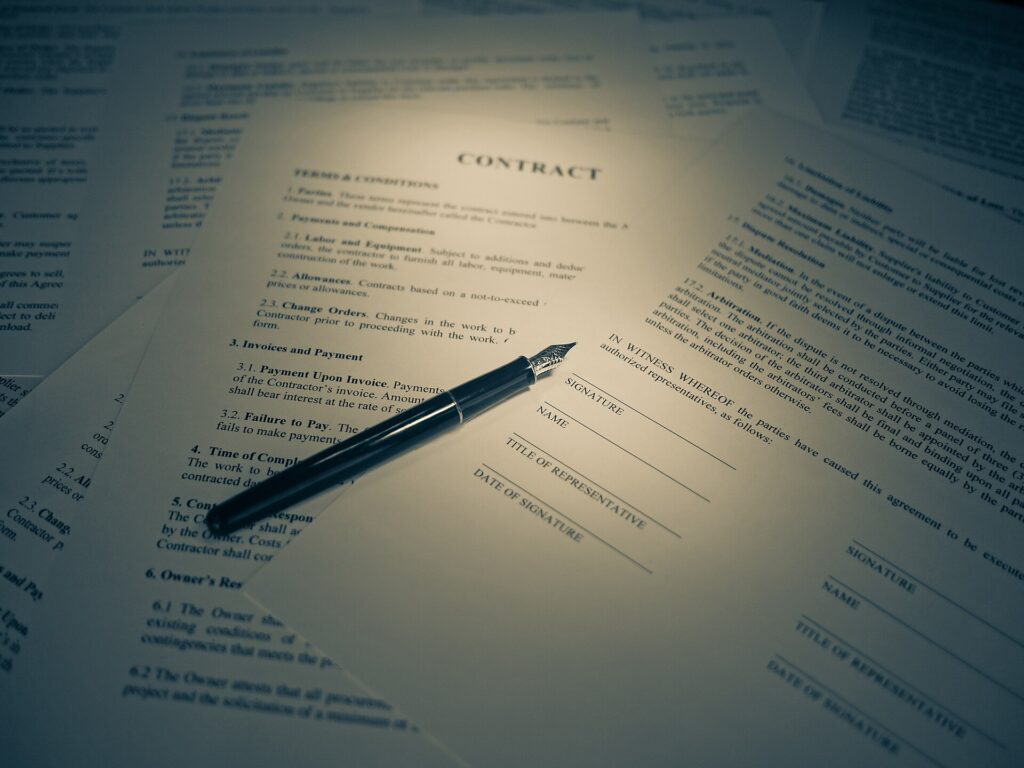
Frame 8 — written follow-up. Capture or save a dated product sheet, quote or message that states the precise model, configuration and open questions. If a document includes someone else’s personal data, redact or exclude it from the working file. Tie the document filename to the item code. A phone photo of a price tag may preserve a spoken starting point, but it is not a complete commercial offer: quantity, currency, inclusions, packing, delivery point, validity and named seller may be absent. For a formal comparison, use the sourcing report and quote comparison guide and obtain a written offer with matching scope.

Make a photo-to-claim ledger, not a decorative folder
For each item, create one row with these columns: item code, photo IDs, observed fact, seller statement, document supporting it, unresolved question, next owner und decision status. Keep source type explicit. “S01 has a visible left-arm seam” can be supported by a dated detail photo. “S01 uses a specified solid-wood frame” needs a model-specific written specification or an agreed inspection, not a sofa image. “Seller says the frame is solid wood” is a seller statement until verified. This distinction lets a remote approver see which conclusions are grounded and which still need work.
Use a simple confidence rule: observed, documented, claimed oder unresolved. This is a workflow label, not a legal evidence ranking. An observed dimension may still be wrong if the tape was misplaced; a document may still describe a different configuration. Attach the item code and variant to each source, and date each revision. If a salesperson later sends a new finish or width, retain the original record and create S01-v2. The point is to make changed assumptions visible, not to accumulate more images.
Here is a fictional teaching example. A buyer likes sofa FS-02-04/S01. The whole-item photo shows a three-seat display. A label photo reads A17; the finish card reads F06; a measured width appears to be 2,180 mm. A later message quotes A17-W at 2,300 mm with finish F08. The buyer must not file the message under the display images as if it describes the same object. The ledger marks the quotation as a different proposed variant and asks for a dimension drawing, finish confirmation and revised price for whichever variant is actually wanted. All model codes and figures are invented. The original photo remains useful because it shows which displayed piece prompted the enquiry, not because it approves the later variant.
Before leaving the booth, perform a two-minute reconstruction test. Can a colleague who was not there identify the exact candidate, its measured fit, selected material, visible concern, written quote status and open question from the record alone? If the answer is no, ask the missing question while the item is still in front of you. This is a narrower test than approving a purchase. A complete photo set can support a shortlist, but sample approval, specification alignment, supplier checks and commercial approval still require their own gates.
The next action is practical: prepare a one-page item-code template and permission question before entering the mall. At the first candidate, capture the eight frames in order where allowed, write the claim ledger, then ask a remote colleague to reconstruct the item. Fix the capture sequence immediately if that person cannot distinguish a photographed display from the quoted production variant.
Photo credits and limits
Each image caption links its photographer, original Wikimedia Commons file page and licence. These eight genuine, unrelated stock photographs illustrate context, an entire item, a historical label, measurement, swatches, a surface issue, handling and written follow-up. They do not depict a Source Foshan project, a Foshan factory or showroom, a customer, the fictional sofa, a verified supplier or an actual order. The linked source pages and licence details are recorded in the photo ledger. They should be replaced with permission-cleared, item-specific photos before publication when available.